
 By Sandeep Verma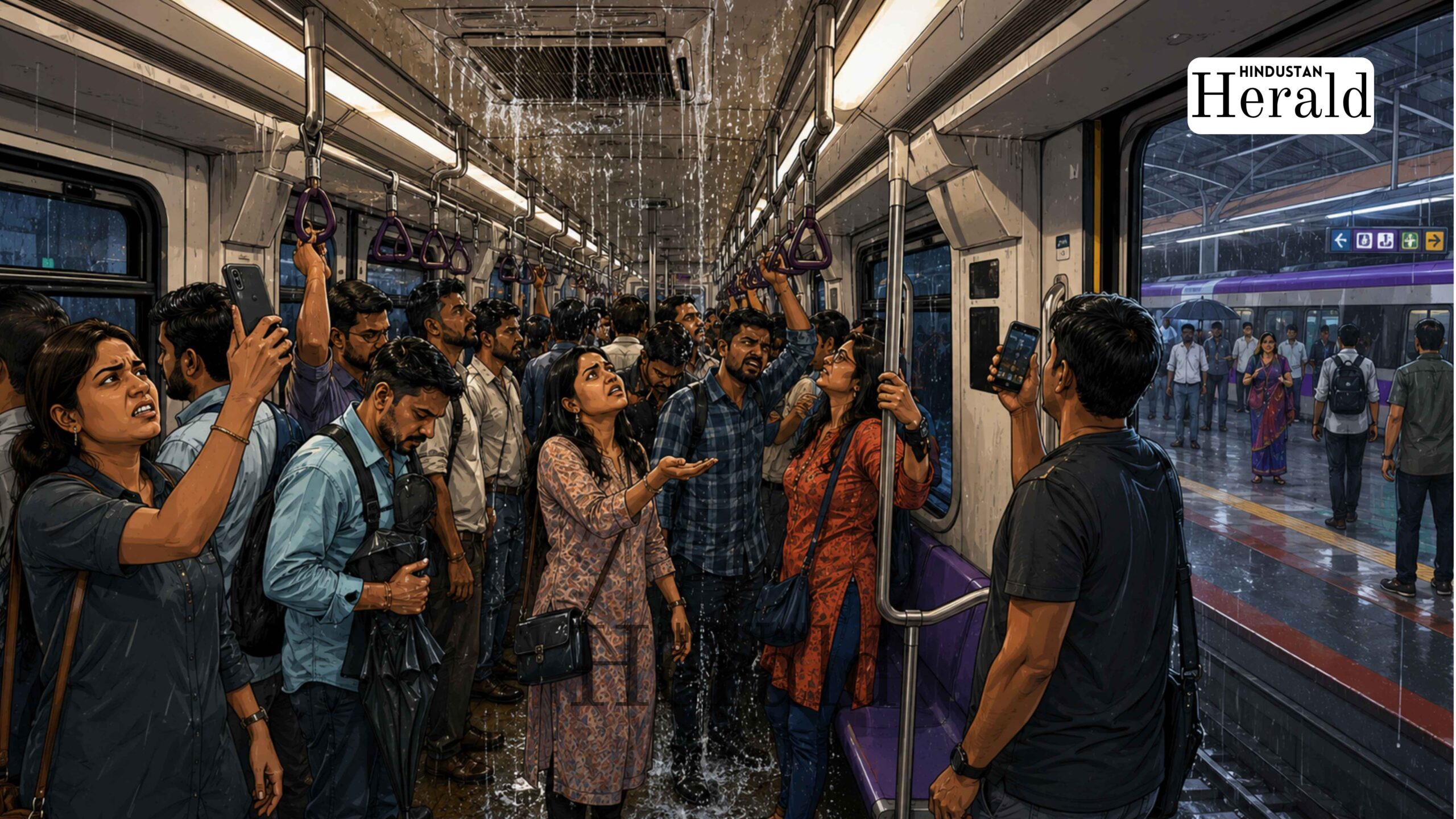
Pune, May 23: A metro coach leaking water during evening rush hour is not a good look. Especially when someone is already pointing a phone at it.
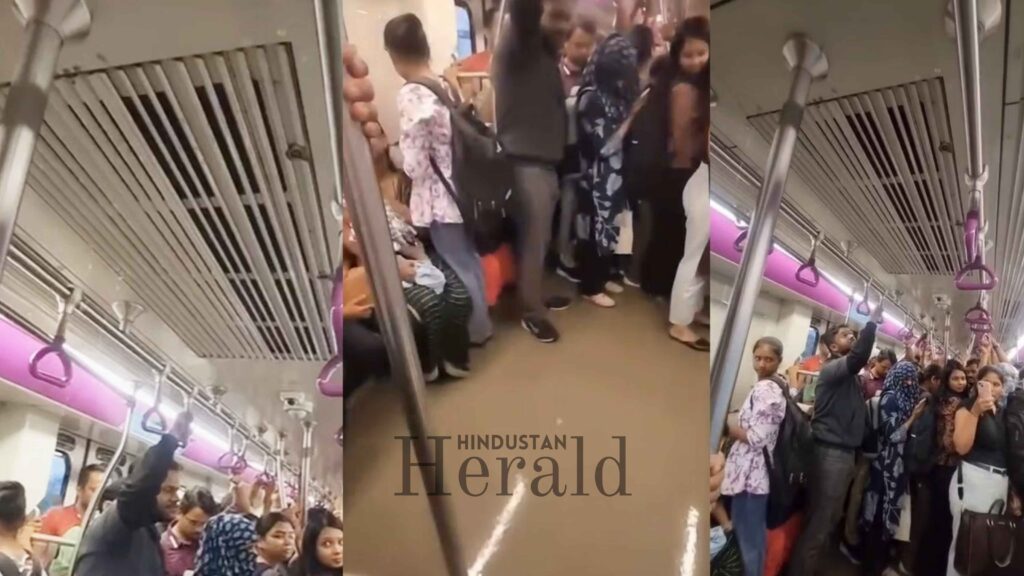
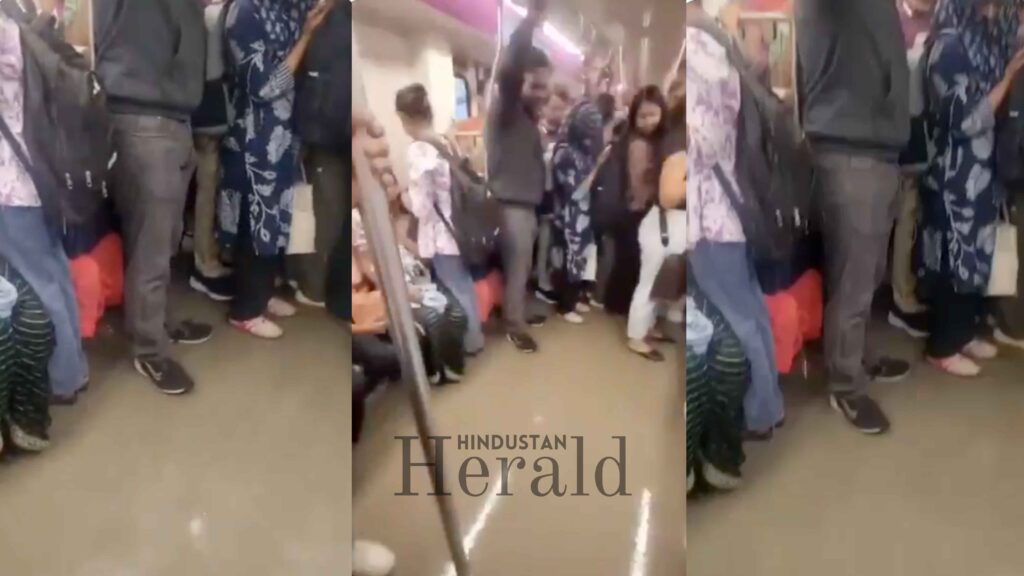
That is what unfolded at Ramwadi station on the evening of May 21. Around 6:40 p.m., passengers aboard Train Set-5 on the Purple Line noticed water dripping inside the coach. Peak hour, packed compartment, people heading home and a video already making its way across social media before Maha Metro had issued a single word in response.
Not a Structural Failure, Officials Say
When the statement did come, it was measured. The leak, Maha Metro explained, was condensation from the coach’s air-conditioning unit a dust-blocked drainage pipe had stopped moisture from clearing out the way it normally would. The affected unit was shut down, the blockage was cleared, and the train continued service.
Technically, that holds up. AC condensation leaks are a known issue in rail systems, particularly when drainage lines collect dust over time. A clogged pipe, backed-up moisture, water taking the path of least resistance it is not exotic. On its own, a single blocked drain is not a crisis.
Still, the video kept circulating long after the fix was done. That usually means something.
The Timing Is the Problem
Pune is a few weeks out from the monsoon. The India Meteorological Department typically places the city’s onset around the second week of June, and this year there is little to suggest otherwise. When a metro coach is visibly leaking on a dry May evening weeks before a single monsoon shower commuters are entitled to wonder what happens when the rain actually arrives.
That is not an overreaction. That is a reasonable question.
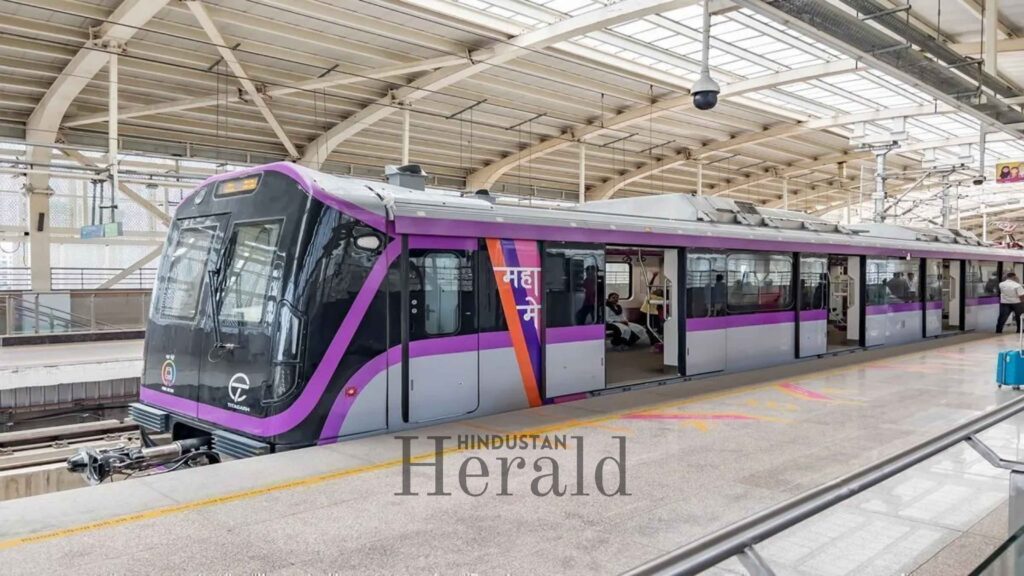
The Purple Line connects Pimpri Chinchwad to Swargate, running through some of the city’s busiest corridors. It carries a growing daily commuter load, and that trust has been earned gradually, one reliable trip at a time. A leaking coach does not erase that overnight. But it introduces doubt, and doubt in a transit system tends to outlast the incident that caused it.
One Pipe, or a Wider Pattern?
Here is where a routine maintenance issue starts becoming something worth examining.
A dust-blocked AC drainage pipe means the drain was not serviced before it became a visible problem. Pre-monsoon inspections specifically targeting AC systems, drainage lines, and waterproofing exist to catch exactly this kind of thing before it ends up on camera during rush hour.
The question is not whether Maha Metro can fix a blocked pipe. Clearly they can. The question is whether Train Set-5 received that kind of preventive check ahead of the wet season and, if so, how this still got through. And then the larger question what about the rest of the fleet?
As of now, Maha Metro has made no public statement about whether the Ramwadi incident prompted a broader inspection across all operating train sets. That is a gap worth noting.
A System Still Building Its Reputation
Some context matters here. The Pune Metro is not an ageing system running on deferred maintenance. It is relatively new infrastructure, still in the phase of converting occasional users into committed daily commuters. That is a critical window. People are still forming opinions about whether this is something they can rely on, or something they use only when it suits them.
Incidents like this even resolved ones feed a certain scepticism that urban transit networks in India have worked hard to overcome. The perception that maintenance happens after something goes wrong, not before. That embarrassment drives action more than foresight does. Maha Metro has generally held up better than that image suggests. But it takes consistent work to stay ahead of it, and a leaked coach video is a setback, however minor the technical cause.
Other cities have faced similar growing pains. Nagpur, Lucknow, Kochi the shift from construction project to functioning transit system is harder than it looks, and maintenance culture does not always scale at the same pace as ridership. Pune is navigating the same curve.
What Needs to Happen Before June
Clearing the blocked pipe and moving on is not a sufficient response. Not with the monsoon weeks away.
What would actually reassure commuters is a direct, on-the-record confirmation that Maha Metro has completed or is currently carrying out pre-monsoon checks across the full fleet. AC drainage systems, coach interiors, station waterproofing at exposed sections, drainage capacity along elevated stretches. All of it.
This is not an extraordinary demand. It is what any transit authority operating in a city with heavy seasonal rainfall should be doing as routine practice. Saying so publicly, with specifics, would go a long way.
Right now, the story is a blocked drain that was fixed in an hour. If another coach leaks in July, it will not be reported as a maintenance lapse. It will be reported as proof that no one was paying attention the first time.
Maha Metro has the window to change that before the rains arrive. Whether they use it is the only question that matters now.
Stay ahead with Hindustan Herald — bringing you trusted news, sharp analysis, and stories that matter across Politics, Business, Technology, Sports, Entertainment, Lifestyle, and more.
Connect with us on Facebook, Instagram, X (Twitter), LinkedIn, YouTube, and join our Telegram community @hindustanherald for real-time updates.

Regional journalist bringing grassroots perspectives and stories from towns and cities across India.
- Sandeep Verma

- Sandeep Verma
- Sandeep Verma
- Sandeep Verma




 hindustanheraldin@gmail.com