
 By Ananya Sharma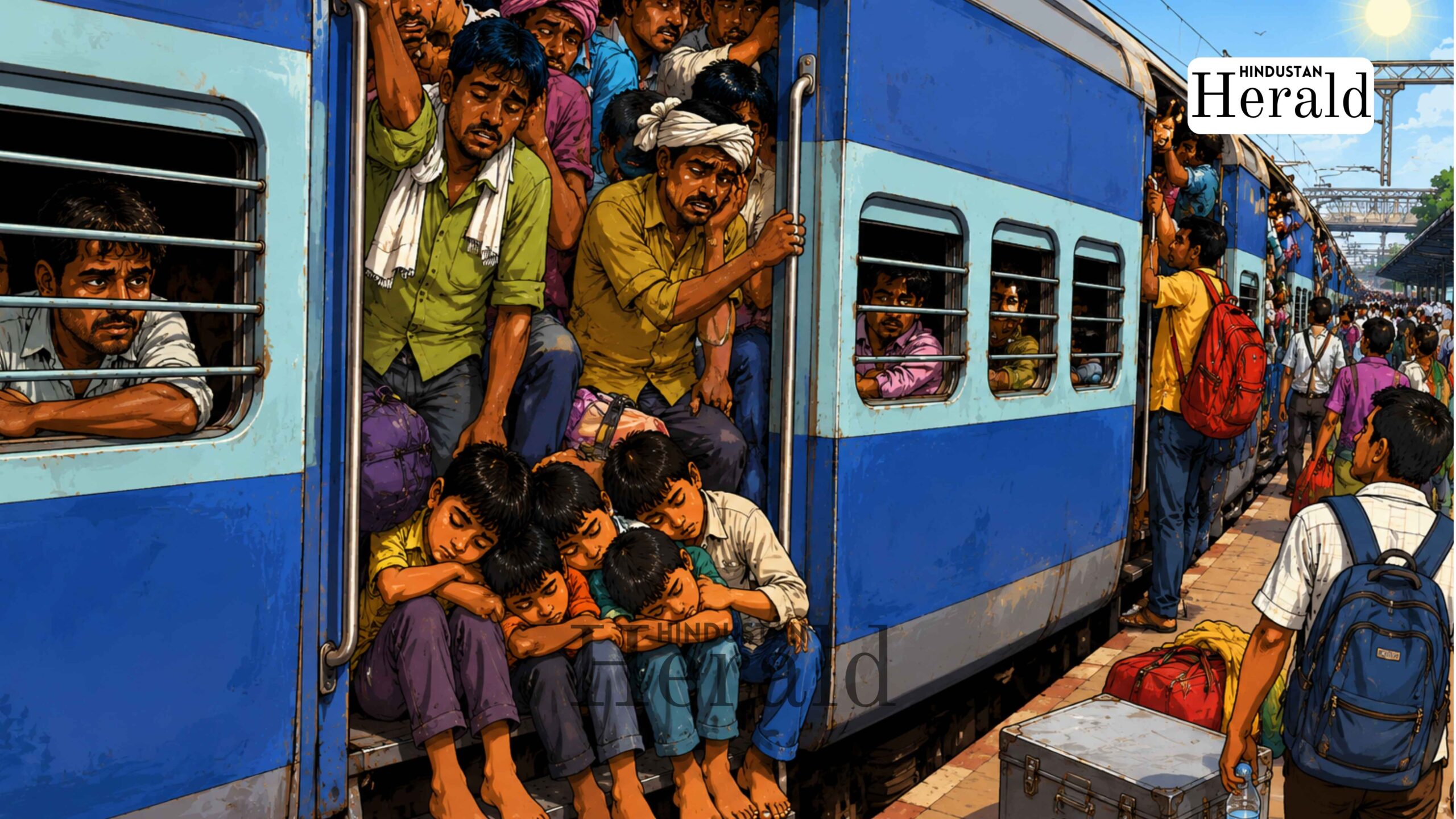
New Delhi, May 23: In The General Coach, India’s Invisible Passengers Still Wait For A Seat At The Table
A viral post on X this week did something that glossy railway press releases rarely manage. It put a human face on a number. The post, shared by user @Rudhrayadav001, captured what millions of Indians live through every single time they board a general compartment train. Crowds pressed against each other in sweltering heat. People perched on luggage. Others standing in doorways with no seat in sight, no fan working above them, and hours of travel stretching ahead. The caption underneath was plain, almost quiet in its sadness. It called this the real India. An India where the glitz is loud but the common man is still fighting for the basics.
It is not a new crisis. But it is one that refuses to go away.
The general coach, formally designated the GS or unreserved compartment, sits at the very bottom of Indian Railways’ class hierarchy. There is no booking required to enter it, no confirmed seat waiting, no AC to cut through the summer heat. You pay the base fare, you board, and you find whatever space you can. For tens of millions of Indians, this is not a travel choice. It is the only option.
The Numbers Behind The Misery
The scale of the demand problem is staggering and has only grown sharper in recent years. According to RTI data cited in recent reports, more than 3.39 crore passengers were unable to travel at all in the financial year 2025-26 because their waitlisted tickets never received confirmation and were automatically cancelled before departure. On a daily basis, that works out to nearly 92,877 passengers failing to secure confirmed berths every single day.
That is close to a lakh people, every day, pushed out of the reserved system entirely. A significant portion of them don’t give up on the journey. They simply move to the general coach.
The Railway Ministry revealed that between July and December 2025 alone, Indian Railways blocked more than 60 billion suspicious bot requests on the ticketing system, suggesting that the confirmed berth market is not just overwhelmed by genuine demand but actively gamed by resellers and automated software. The ordinary passenger, who wakes up at dawn to refresh the IRCTC app or queues for hours at a booking counter, is often the last to get a seat.
Long-distance trains covering the major interstate migrant corridors typically have only two to three general seating compartments, which remain chronically crowded. For workers travelling from Uttar Pradesh, Bihar, Jharkhand, and Bengal to factory towns and construction sites in Maharashtra, Gujarat, or Karnataka, those two coaches carry the weight of an entire economy.
A Moment That Captured A Systemic Crisis
The post that circulated this week was not documenting an exception. It was documenting routine. The images showed general coaches the way they look every day during the summer months, every festival season, every time a batch of migrant workers needs to get somewhere affordable and fast. Bodies filling every inch of seating. The floor occupied. The doorways and vestibules packed. Windows open not because passengers want the hot wind but because there is no other source of moving air.
Just last month, on April 19, more than 7,000 passengers converged at Udhna Junction railway station in Surat, Gujarat, as migrant workers rushed to board limited train services. With only two operational trains available during extreme heat, officials scrambled to deploy security forces as queues stretched across the station. The scene was not chaos born of poor planning in isolation. It was the entirely predictable outcome of a system where the cheapest travel option has never been adequately sized to the demand it serves.
Workers travelling on these routes are unable to afford the pricier AC coaches. One machine operator interviewed in earlier reports described his monthly salary as around Rs 19,000, barely enough to absorb the cost of a tatkal ticket booked through an agent, which can climb to Rs 1,300-1,350 compared to a base sleeper price of Rs 800. For this man, the general compartment is not a fallback. It is a financial reality.
What The Railways Says It Is Doing
The Ministry of Railways has not been entirely silent on the question of general coach capacity. According to a Ministry statement in January 2026, Indian Railways achieved a record production of 4,838 general and non-AC coaches in the previous year, and operated a record 43,000 special train trips including more than 12,000 summer specials to manage seasonal rush.
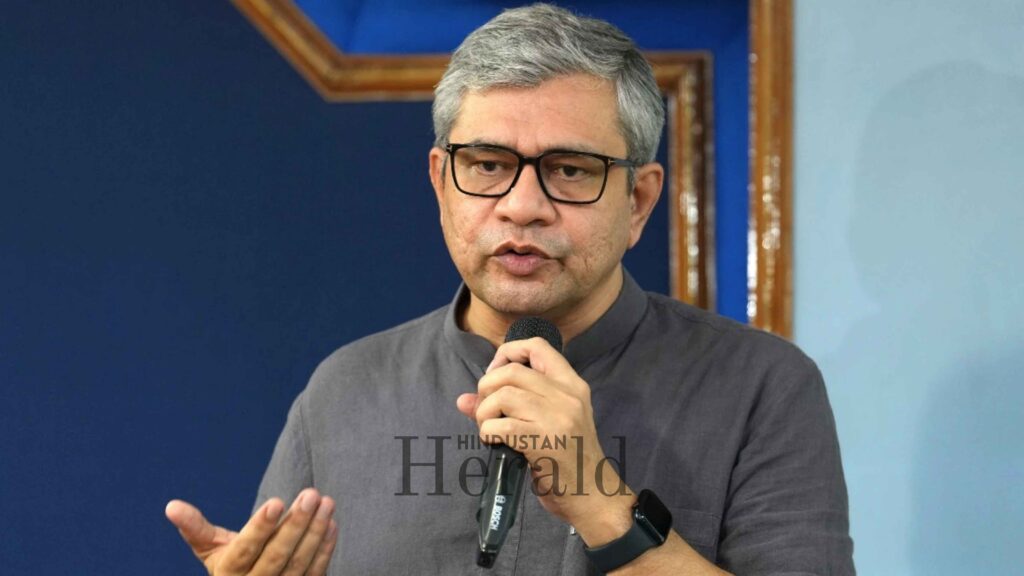
In November 2024, Railway Minister Ashwini Vaishnaw told the Lok Sabha that Railways planned to manufacture 10,000 non-AC coaches including General Class and Sleeper Class coaches, and that more than 600 General Class coaches had already been attached to mail and express trains during the current financial year.
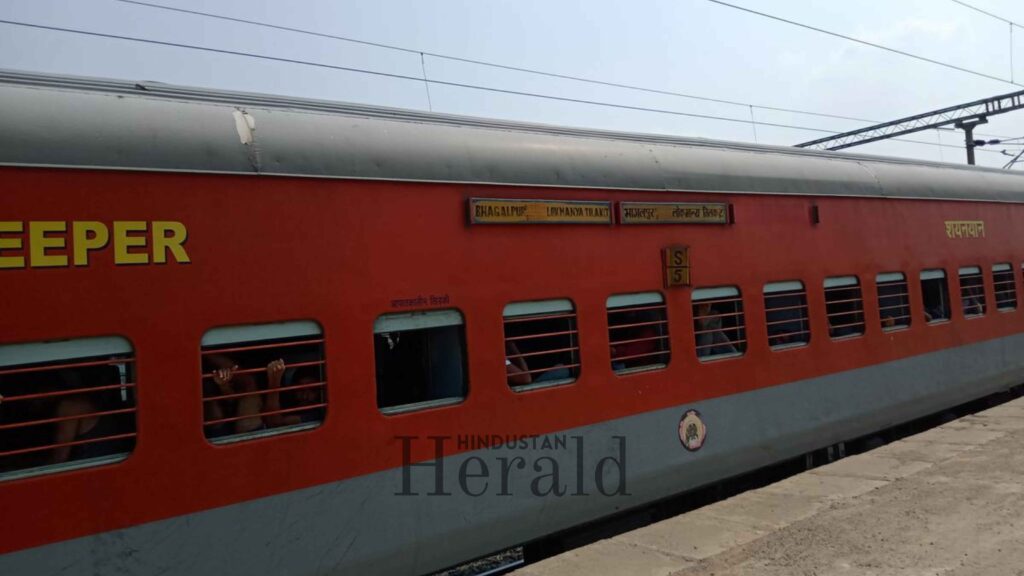
As recently as April 2026, Indian Railways decided to increase the number of general coaches on specific long-distance trains including the Bhagalpur-Lokmanya Tilak Express and the Godda-Lokmanya Tilak Express, specifically in response to overcrowding, offering passengers some relief during the scorching summer months.
On paper, these are real interventions. The numbers are not fabricated. But the gap between what is being produced and what is needed remains enormous. The system carries over 23 million passengers daily. A few hundred additional coaches, spread across thousands of trains on tens of thousands of route kilometres, barely registers in the lived experience of the general coach traveller.
The Enforcement Trap
There is another dimension to this story that rarely gets the attention it deserves. As Railways has moved to enforce stricter reservation norms, the pressure on general coaches has intensified rather than eased.
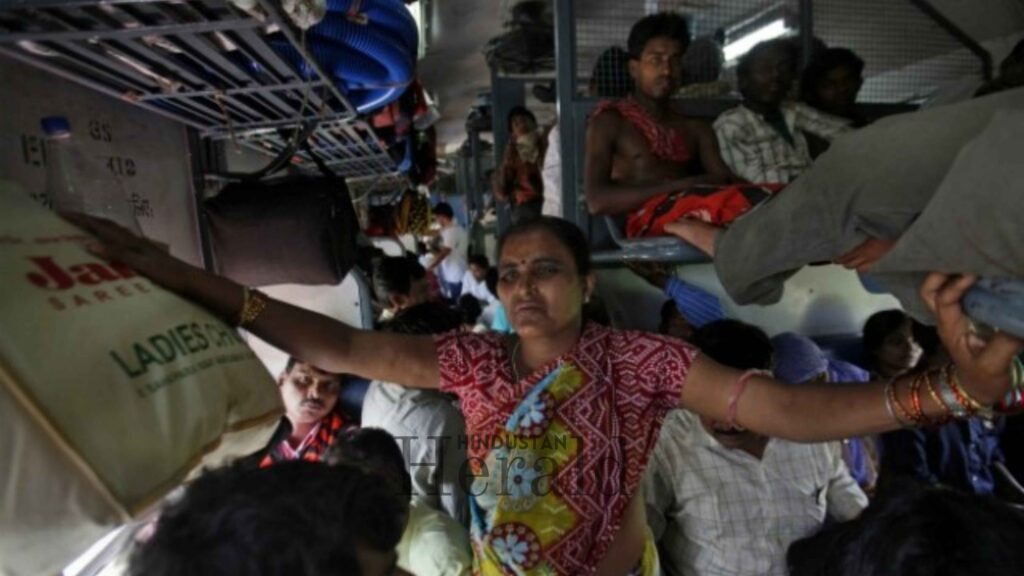
A significant new rule change in 2026 aimed at stricter enforcement of reservation norms has drawn widespread debate. Supporters argue it protects confirmed-ticket holders; critics point to a 36 percent jump in complaints since implementation. When waitlisted passengers are pushed out of sleeper coaches and into the general compartment, the math becomes simple and brutal. The same number of people, now crammed into fewer carriages.
The South Western Railway acknowledged this pressure directly, noting that the presence of unreserved passengers in reserved coaches often leads to overcrowding and conflicts, requiring regular deployment of TTEs and RPF personnel to monitor reserved coaches. The enforcement effort is real. But the safety valve it creates empties into the general compartment, which then bears the overflow of the entire system.
Safety Is Not An Abstract Concern Here
This is not merely a matter of discomfort. It is a safety issue with a documented human cost.
On February 15, 2025, a crowd crush at New Delhi railway station killed at least 18 people and injured 15 others. The crush occurred on a footbridge above heavily overcrowded platforms when some passengers began to slip, causing a pile-up in the already dense crowd. The tragedy happened at a major terminal station, not in some remote junction. It happened in the capital.
In October 2024, a crush at Mumbai’s Bandra Terminus injured nine passengers, two of them critically, as a crowd surged to board the Bandra-Gorakhpur express during the festive season. The unavailability of reserved compartments and the sudden arrival of the train were cited as contributing factors.
These are not freak incidents. They are the extreme end of a pressure curve that builds every single day in general coaches across the country. The viral post this week did not show a disaster. It showed the everyday version of the same conditions that, under the right set of circumstances, turn fatal.
The Two Indias On The Same Train
What makes the general coach conversation uncomfortable is that it forces a confrontation with one of India’s most persistent and politely avoided realities. The same train that carries air-conditioned coaches with reserved berths, meals delivered to seats, and mobile charging points, also carries the general compartment. They run on the same track, stop at the same stations, and arrive at the same destination. But the journey is not the same at all.
The unreserved general class is the most basic and often the most crowded type of coach on Indian trains. Passengers travelling on an unreserved ticket can only travel in the general coach. There is no flexibility, no upgrade path for most of these passengers, and no quiet corner to retreat to. The heat is shared equally by everyone in that coach. So is the crowding.
India’s growth story over the past decade has been real in many ways. Infrastructure spending has climbed. Station redevelopment has delivered marble floors and Wi-Fi at dozens of major junctions. New Vande Bharat trains gleam on prime routes. The Amrit Bharat programme has expanded connectivity. All of this is genuine progress.
Still, the general compartment exists as a kind of counter-evidence. A reminder that for a very large portion of the population, the question is not which class to travel in. It is whether you can find a patch of floor.
The Policy Gap That Persists
The Railway Board has issued directives before. After images of packed general coaches went viral during a previous summer rush, the Railway Board wrote to all zonal railways instructing them to ensure basic amenities for passengers in GS coaches, including affordable meals, drinking water, and vending trolleys at stoppages. The directive was well-intentioned. Drinking water at a stoppage is a reasonable ask. But it does not address the core issue, which is that there are simply not enough seats for the people who need to travel.
The policy conversation in India has long focused on expanding premium capacity, modernising AC coaches, and building high-speed corridors. These are legitimate goals for a growing economy. But the general compartment passenger, who makes up a disproportionate share of the 23 million daily riders, has largely been a footnote in that conversation.
For now, the viral post will fade from timelines in a few days, as these things do. The summer will continue. The general coaches will remain packed. And somewhere on a slow express cutting through the heat of the Indo-Gangetic plain, a migrant worker will be standing in a doorway for the sixth hour of a twelve-hour journey, watching the fields pass, going home or leaving home, doing what he has always done. Getting somewhere any way he can.
Stay ahead with Hindustan Herald — bringing you trusted news, sharp analysis, and stories that matter across Politics, Business, Technology, Sports, Entertainment, Lifestyle, and more.
Connect with us on Facebook, Instagram, X (Twitter), LinkedIn, YouTube, and join our Telegram community @hindustanherald for real-time updates.

Covers Indian politics, governance, and policy developments with over a decade of experience in political reporting.
- Ananya Sharma

- Ananya Sharma
- Ananya Sharma
- Ananya Sharma