 By Ayesha Khan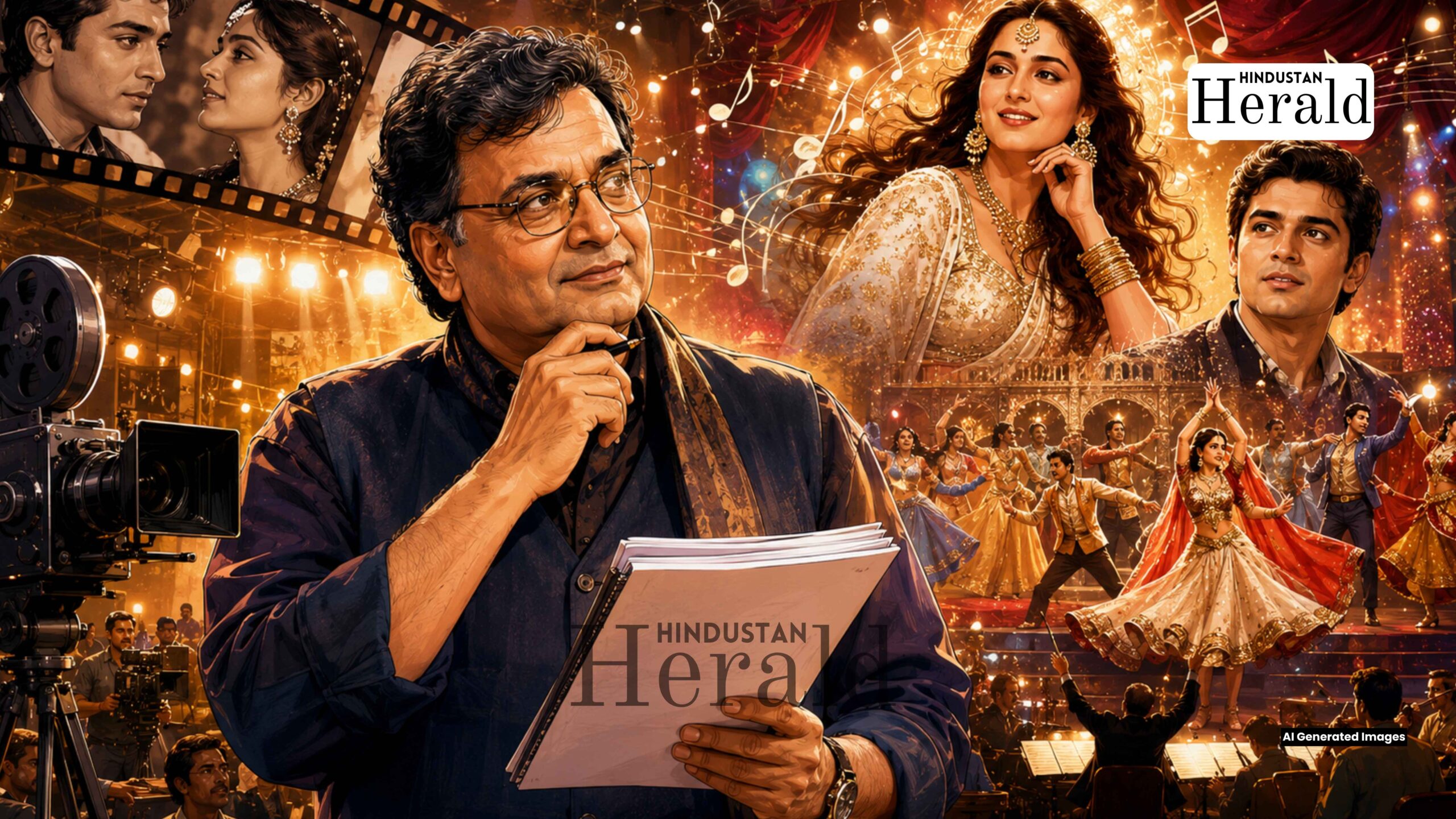
Mumbai, June 8: Some films just refuse to die. Taal is one of them. Released back in 1999, Subhash Ghai’s musical drama has somehow managed to stay alive in people’s hearts, playlists, and WhatsApp forwards for nearly three decades now. Ask anyone who grew up in that era about A. R. Rahman’s music from the film and watch their face change. That is not nostalgia. That is something deeper.
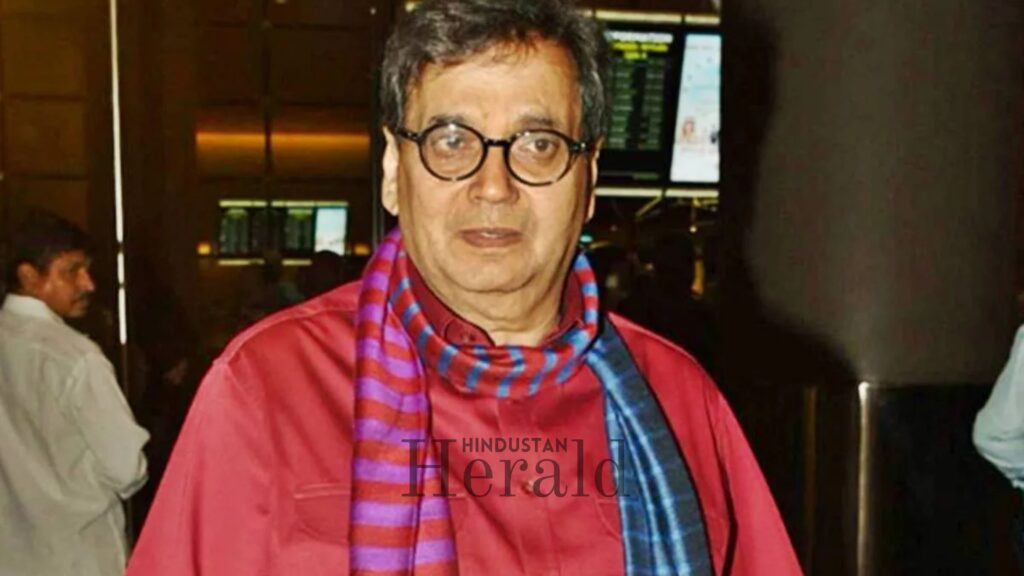
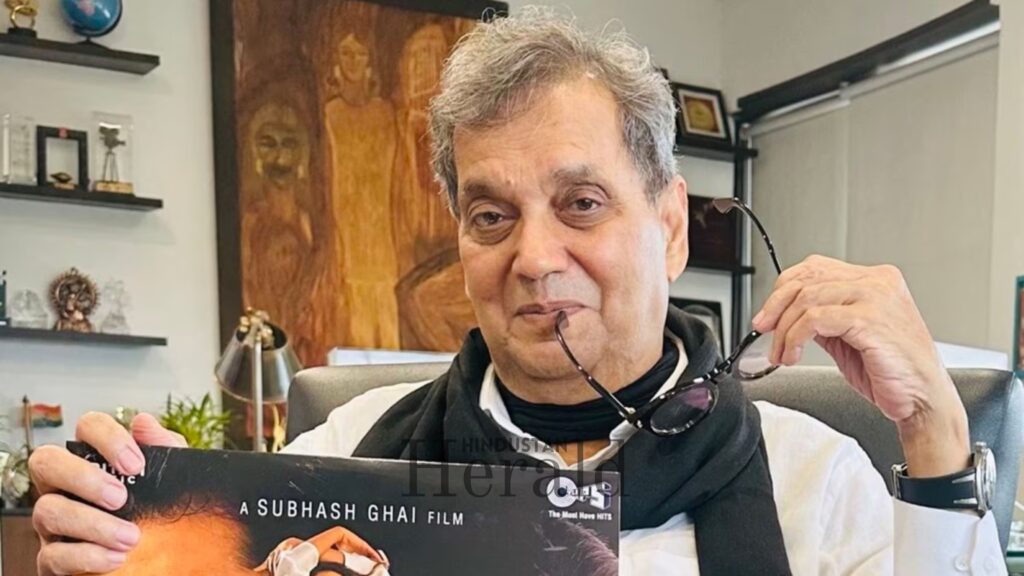
So when Ghai put up a post on Instagram recently asking fans if they would want him to produce a Taal sequel, nobody was indifferent. People had opinions. Strong ones.
That Chicago Night Nobody Forgot
Before he got to the sequel question, Ghai did something interesting. He went back to a memory.
2005. A film festival in Chicago. The festival was called Ebertfest, named after and run by Roger Ebert, the American film critic who was, for decades, essentially the most powerful movie reviewer in the English-speaking world. Getting a thumbs up from Ebert meant something real. Getting a thumbs down meant something real too. He was not the kind of man who minced words or handed out praise to be polite.
Taal was screened there that year. And Ebert liked it. Not in a polite, diplomatic way. He genuinely responded to the film, calling it “pure entertainment” with a sense of “innocence” that reminded him of old-school Hollywood musicals, the joyful kind that American cinema had mostly stopped making by then. He praised the music, the dancing, and specifically Aishwarya Rai’s performance.
Ghai’s response to all of this, in his own words: “Felt blessed.”
Simple. Human. You believe it immediately.
For a filmmaker who spent his career making big, loud, unapologetically emotional Hindi films, having someone like Ebert take his work seriously on an international stage clearly meant everything. He remembered it for twenty years and then shared it with the world. That tells you something.
Why Taal Still Hits Different
Here is the thing about Taal that is easy to forget if you have not watched it lately. It was not just a pretty film with good songs. It had real bones.
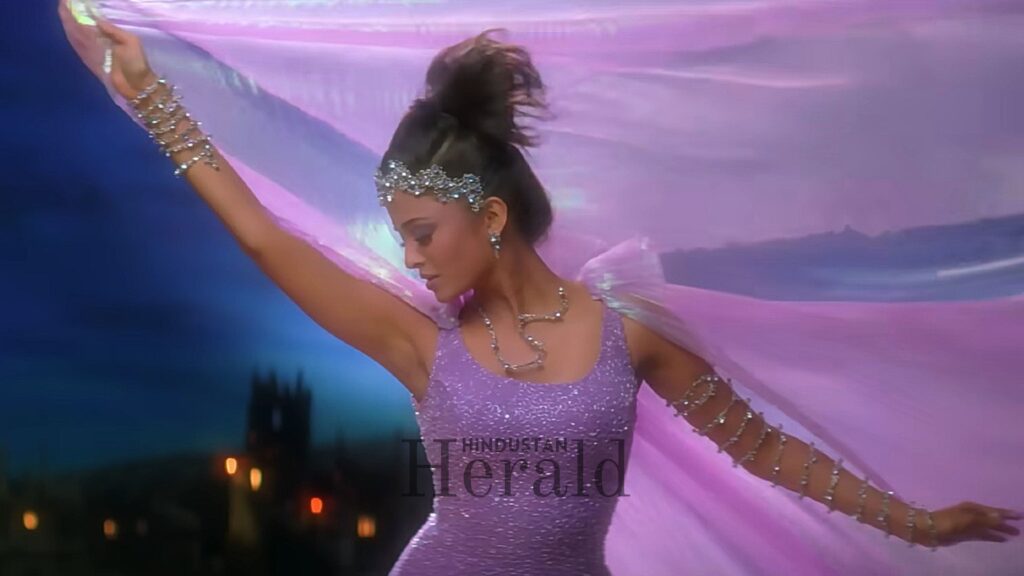
Aishwarya Rai Bachchan played Mansi, a girl from a small town who could sing like nobody’s business. Akshaye Khanna was Manav, the city boy who falls for her. They are separated by class, by family pride, by the usual complicated stuff life throws at young people trying to love each other against the odds. Then Anil Kapoor comes in as a music producer who sees something in Mansi and things get more complicated still.
Amrish Puri and Alok Nath were also in it, which meant the film had proper dramatic weight. These were not background actors. They could hold a scene.
But honestly, let us be straightforward about what made people fall in love with Taal. It was Rahman.
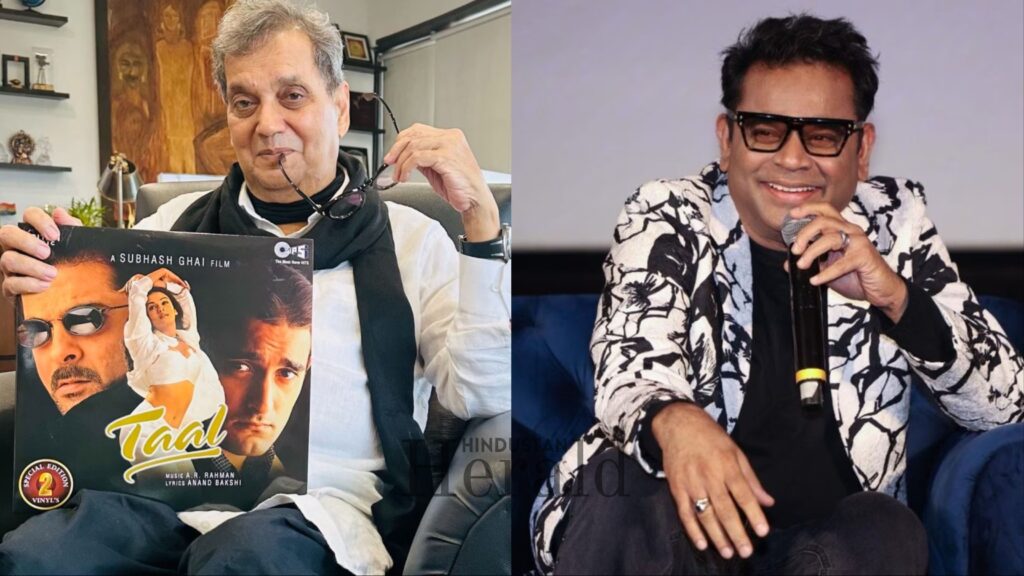
A. R. Rahman composed the soundtrack and it was, without exaggeration, one of the finest albums Hindi cinema had heard in years. Taal Se Taal Mila. Ishq Bina. Kahin Aag Na Lag Jaye. These songs did not just chart well in 1999. They are still being streamed today. Still played at weddings, college functions, long drives. Still capable of producing that feeling in the chest that good music produces and nothing else can quite replicate.
Four years after Taal, Rahman would win two Academy Awards for Slumdog Millionaire. People who had watched Taal were not surprised at all.
So About This Sequel
Ghai did not walk onto Instagram and announce Taal 2 with a poster and a release date. He asked a question. His exact words were something like: do you want me to produce Taal 2 with young directors and a fresh cast?
That is not a launch. That is a filmmaker thinking out loud, testing the water, seeing what comes back.
And what came back was a lot of noise, the good kind and the worried kind both.
The good kind is obvious. People love Taal. Many of them would watch anything connected to it. The very name carries enough feeling to get someone to click, to share, to show up at a theatre.
The worried kind is equally understandable. Because films like Taal do not just live as films after a certain point. They become personal. They get attached to specific years in people’s lives, specific relationships, specific versions of who they used to be. A sequel does not just have to be a good film. It has to somehow not ruin what the original built inside its audience. That is a much harder job.
There is also a simple creative problem. Taal ended. The story closed. Mansi and Manav reached somewhere. So what is Taal 2 actually about? Who does it follow? What does it want to say? These are not small questions. A sequel without real answers to them tends to feel like a cash grab, no matter how much genuine love went into making it.
Ghai seems aware of this, which is probably why he is asking rather than announcing. He is also smart enough to take himself out of the director’s chair in this scenario, talking about younger filmmakers taking the lead. That suggests he wants the next Taal to feel new, not like a grey-haired filmmaker trying to relive something from his prime years.
Whether that is possible with a story this loaded, that is genuinely hard to say.
The Bigger Picture
Bollywood has been on a sequel-and-remake run for years now. Some of it has worked. A lot of it has not. The films that tend to fail in this space are the ones that confuse a recognisable name with an actual story. They rely on the audience’s love for the original to carry a film that does not have enough of its own reason to exist.
The films that succeed are the ones that find something honest and new to say, and just happen to be set in a world audiences already care about.
Taal 2 could go either way. The foundation is extraordinary. The original earned genuine international recognition, a real story, a masterpiece of a soundtrack, and performances that have held up over nearly three decades. That is not nothing. That is actually a lot.
But foundations do not make films. Stories do. And until there is a real story to tell, this remains what it currently is: a filmmaker’s open question to his audience on a June afternoon, with no cameras rolling yet and no answers that matter.
Where Things Stand Today
As of today, June 8, 2026, there is no cast. There is no director attached. There is no script that anyone knows about. There is just Subhash Ghai, a memory of Roger Ebert applauding in Chicago, and a comment section full of fans who still feel something when they hear the opening notes of Taal Se Taal Mila.
Maybe that is enough to build something on. Maybe it is not.
The only version of Taal 2 that would be worth making is one that earns its place rather than borrows it. One that gives a new generation their own version of what the 1999 film gave its audience, that specific feeling of watching something come alive on screen, music and emotion and story all working together the way they rarely do.
Whether Ghai and whoever eventually joins him can get there, that is the real question. And right now, nobody knows the answer. Not even him.
Stay ahead with Hindustan Herald — bringing you trusted news, sharp analysis, and stories that matter across Politics, Business, Technology, Sports, Entertainment, Lifestyle, and more.
Connect with us on Facebook, Instagram, X (Twitter), LinkedIn, YouTube, and join our Telegram community @hindustanherald for real-time updates.

Covers films, television, streaming, and celebrity culture with a focus on storytelling trends.
- Ayesha Khan

- Ayesha Khan
- Ayesha Khan
- Ayesha Khan