
 By Prakash Nair
New Delhi, June 11: Thirty-two years is a long time to wait. The last time football descended on the United States, the country was still figuring out whether it actually cared about the sport. Now it is hosting again, this time alongside Canada and Mexico, and the whole thing is so large it barely fits inside a single sentence.
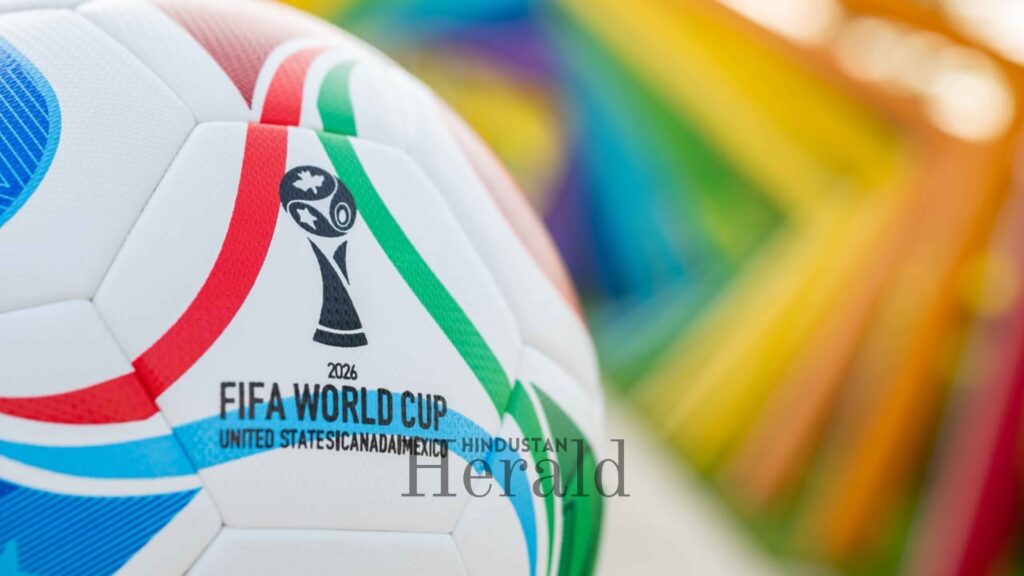
The FIFA World Cup 2026 starts tonight at the Estadio Azteca in Mexico City. Forty-eight teams. A hundred and four matches. Sixteen cities across three countries. Thirty-nine days from now, someone lifts the trophy at MetLife Stadium in New Jersey, and between that opening whistle and this moment, football will run the full range of everything it is capable of producing.
For Indian fans, a quick note before anything else. The opening match lands at 12:30 AM IST on June 12. DD Sports is broadcasting it free, no subscription needed, through DD Free Dish. The same applies to every quarter-final, both semi-finals, and the final. This nearly did not happen. For most of the buildup to this tournament, nobody in India knew where to watch it. FIFA and Indian broadcasters were stuck in a prolonged, slightly embarrassing stand-off over money, and for a while the realistic possibility was that over a billion people would have no legal way to watch the World Cup.
The Ministry of Information and Broadcasting eventually stepped in, amended the notification, brought the key matches under Prasar Bharati’s public broadcast framework, and the crisis quietly passed. Full tournament coverage is on Zee’s Unite8 Sports for those with subscriptions. But the big games are free. That matters more than it might seem, for reasons that go beyond convenience.
The Numbers Do Not Lie, But They Do Not Tell the Whole Story Either
The expansion from 32 to 48 teams is the most debated change to this tournament in decades. Critics have been saying since the format was announced that it dilutes the competition, that the group stage becomes meaningless, that the whole thing is FIFA chasing broadcast money at the expense of sporting quality. Some of that critique is fair.
But then you look at who actually qualified, and the argument against starts to lose some of its force.
Curaçao is a Caribbean island. Population: somewhere between 155,000 and 160,000 people. They are the smallest nation ever to qualify for a World Cup. Their coach is the experienced Dutch manager Dick Advocaat, their squad includes players shaped by Dutch football, and they went through qualifying unbeaten. Jordan finished as runners-up at the AFC Asian Cup in 2023, building steadily and patiently toward this moment for years.
Cape Verde, a volcanic archipelago sitting off Africa’s west coast, beat Cameroon to top their qualifying group. Uzbekistan won the Under-17 Asian Cup, developed their youth system deliberately and seriously, and now arrive with a Manchester City centre-back in Abdukodir Khusanov and a head coach in Fabio Cannavaro who knows exactly what tournament football looks like.
None of these nations are here by accident. They earned it.
Italy, four-time world champions, did not qualify. DR Congo, Haiti, and Iraq are back after years away. The map of who is actually at this World Cup looks genuinely different from anything that came before it, and that is partly the format and partly football simply changing, countries investing, regions rising.
America, Home Soil, and What It Means for the USMNT
SoFi Stadium in Inglewood, California will have around 70,000 people inside it tomorrow evening when the United States Men’s National Team plays Paraguay in Group D. Kickoff is at 6:00 PM Pacific. It is the first World Cup match on American soil since 1994, and the weight of that will be felt before a single pass is played.
Christian Pulisic leads the side under manager Mauricio Pochettino. The Americans are ranked 14th by FIFA, seeded in Pot 1, which in practical terms means they avoided drawing against the tournament’s biggest names in the group stage. They play Australia next, then a UEFA playoff qualifier to close the group. Both remaining games are in Los Angeles or Seattle. The scheduling is as favourable as they could have reasonably hoped for.
Whether that translates into a deep run is another matter. There is a long history of American football teams entering tournaments with everything in order and then running into the thing that cannot be planned for. Pochettino knows that. The players know that. So does everyone filling those 70,000 seats.
The final, for the record, is at MetLife Stadium in New Jersey on July 19. The Americans have theoretically mapped out a path there. Most countries have.
This Is the Last Time
There is no gentle way to frame this.
Lionel Messi is 38 years old. He won the World Cup in Qatar in 2022 and produced one of the greatest individual tournament performances anyone has ever seen. He is here again with Argentina, who open against Austria in Group J and arrive as defending champions. Cristiano Ronaldo is 41. He is still playing at international level for Portugal, still present, still doing what he does, and he has never won a World Cup. Luka Modric of Croatia is 40 and has been making his farewell tournament appearances for about three years now, yet keeps showing up.
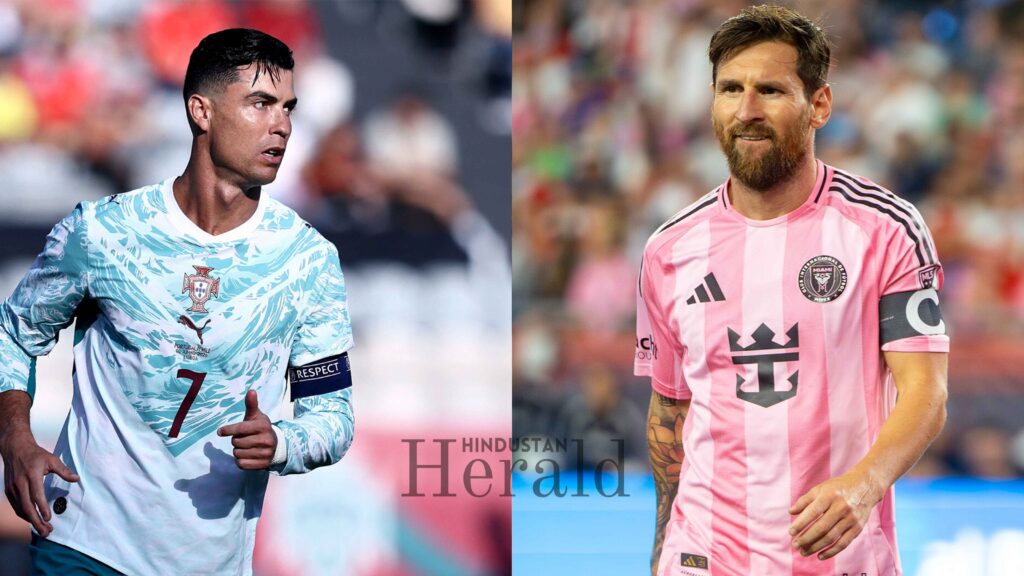
All three of them are, by any reasonable measure, playing their last one.
There is a generation of football supporters who have spent their entire watching lives with Messi and Ronaldo at the centre of every conversation about the sport. What either of them does or does not win has been the defining argument of football for going on twenty years. That argument ends here, somewhere in North America, in the next six weeks. After July 19, the game moves on.
What Argentina do with Messi, what Portugal squeeze out of Ronaldo at 41, how Croatia cope with what comes after Modric: these are storylines that sit alongside the football rather than inside it. They are reasons people who do not normally watch group stage matches will be watching group stage matches.
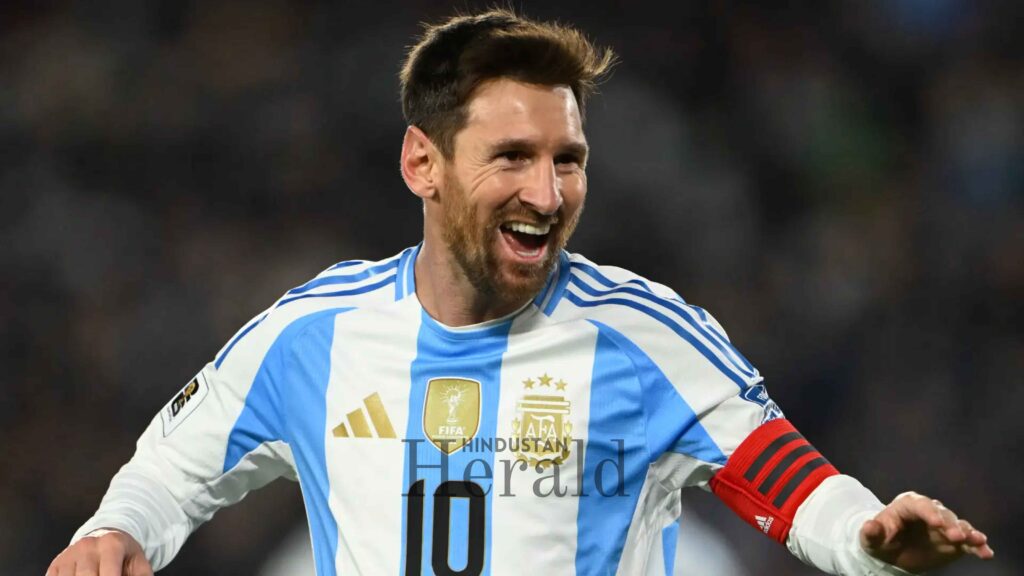
Brazil want their first title since 2002. France, Germany, and England all arrive with squads and expectations. Spain are dangerous. The competition will be wide open in the way that expanded formats tend to produce.
Technology in the Tunnel
FIFA is using digital player avatar technology at this tournament to handle offside and obstruction calls with greater precision. The system builds on what was introduced in Qatar, pushing further toward automated, faster decision-making on the calls that have caused the most viewer frustration over the past several tournaments.
The VAR era has been genuinely rough in places. Celebrations cut off mid-roar for a review lasting four minutes over a shoulder that was half a boot ahead. Football crowds sitting in silence while a screen decides whether to give them their moment back. The technology FIFA is deploying here is an attempt to address the speed problem specifically, using player tracking data to render calls without the drawn-out review process.
It will get tested in high-pressure moments where everything is on the line, which is when technology either earns trust or loses it completely. Worth watching, beyond the football.
The Bigger Point About India and This Tournament
West Bengal, Kerala, Goa, the Northeast. In these parts of India, football is not a secondary sport watched politely while waiting for cricket. It is the main event. And for those fans, the free broadcast access through DD Sports is genuinely significant. Watching a World Cup final on a free government channel at half past midnight is not a perfect scenario. It is also far better than the alternative that was looking possible three months ago.
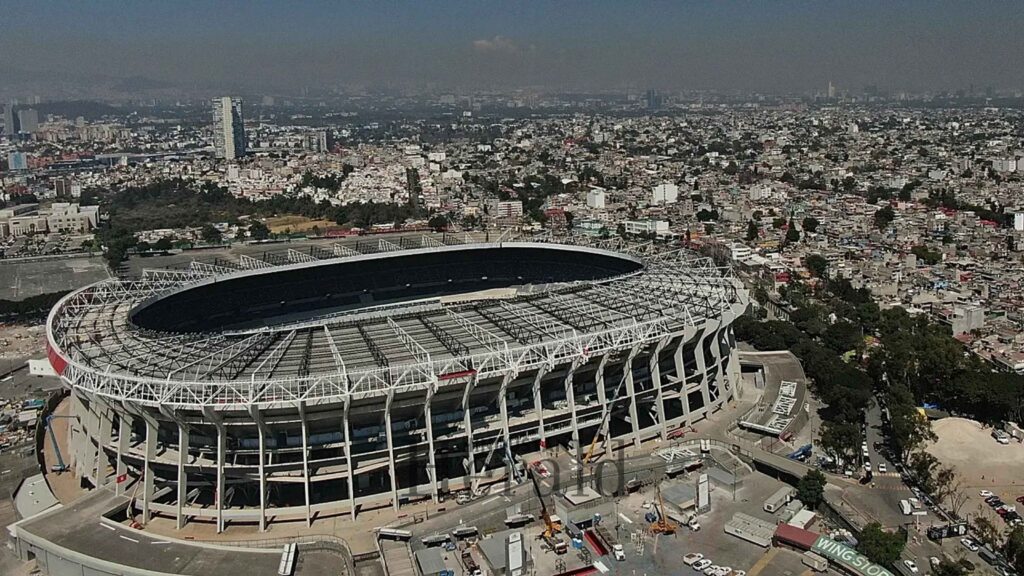
The tournament runs until July 19. Between now and then, 104 matches, debutant nations playing their first games on the biggest stage in sport, three legends walking away, and whatever unexpected story this particular World Cup decides to produce.
Every edition of this tournament has one. A player nobody expected. A team that went further than logic said they should. A match that people still talk about twenty years later. The 2026 World Cup will have its version of all of that. It just has not happened yet.
Tonight, Estadio Azteca. After that, everything else.
Stay ahead with Hindustan Herald — bringing you trusted news, sharp analysis, and stories that matter across Politics, Business, Technology, Sports, Entertainment, Lifestyle, and more.
Connect with us on Facebook, Instagram, X (Twitter), LinkedIn, YouTube, and join our Telegram community @hindustanherald for real-time updates.
Sports reporter covering cricket, football, and Olympic disciplines, with on-ground event experience.
- Prakash Nair

- Prakash Nair
- Prakash Nair
- Prakash Nair




 Arun Upadhayay