
 By Ananya Sharma
Kolkata, May 6: Nobody calls a man like Chandranath Rath a big name in politics. He was not the one behind the microphone. He was the one who made sure the microphone worked, that the right people were in the right room, that the paperwork got done and the calls got returned. Personal assistant to Suvendu Adhikari, executive aide to the Leader of Opposition in the West Bengal Assembly, campaign manager on the ground in Bhawanipur. The kind of man whose name surfaces only when something has gone terribly wrong.
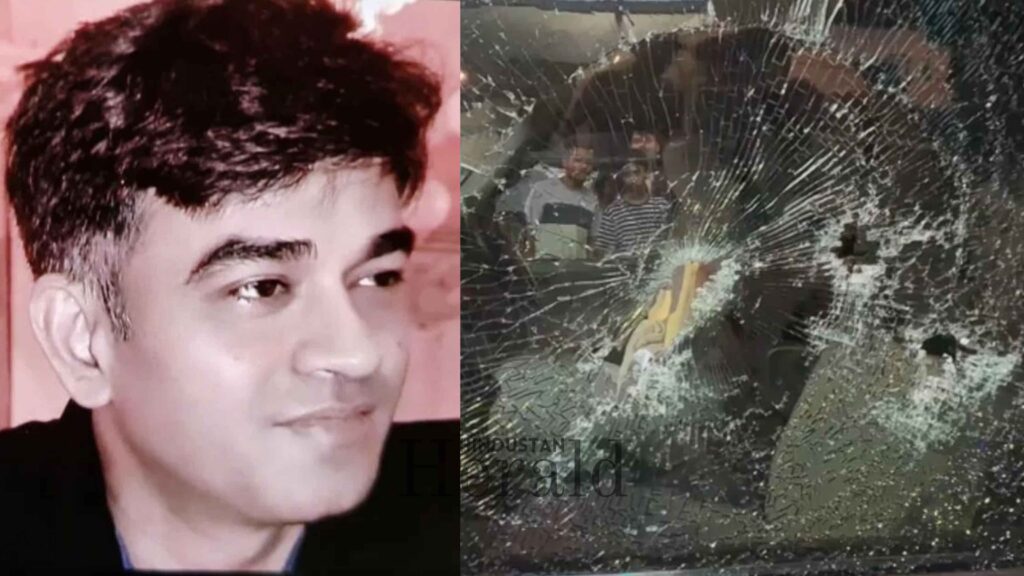
On Wednesday night, something went terribly wrong.
Rath was shot dead on a public road in Madhyamgram, a busy suburban township in North 24 Parganas district, just north of Kolkata. Unidentified attackers opened fire at close range. At least three rounds were reportedly discharged. He was rushed to a private hospital. He did not survive.
What Happened In Madhyamgram
The bare facts, as confirmed by police and reported by PTI, are not complicated. A man was shot. He died. The killers are still at large.
What is complicated is everything around those facts.
Madhyamgram is not a sleepy town. It sits in the thick of North 24 Parganas, one of the most politically charged districts in the state, a place where booth-level party muscle has always mattered more than campaign slogans and where the memory of old scores runs long. Rath was apparently in a vehicle when the attackers struck. That detail matters. It suggests either that his route was being tracked, or that someone was following him. Neither possibility points to a random encounter.
Senior police officers descended on the area quickly after the shooting. A large contingent was deployed. An investigation was launched. As per sources, investigators are looking at his movements, his associations, his role in the recent Bhawanipur campaign, whether any threats had been made. The motive has not been officially confirmed. It probably will not be, not soon anyway.
Two Days After A Historic Election Result
Here is the context that nobody should skip past.
West Bengal voted in two phases, on April 23 and April 29. The results came on May 4. And what those results showed rattled the political foundations of a state that had been Trinamool Congress territory for fifteen years. BJP won. Not narrowly, not symbolically.
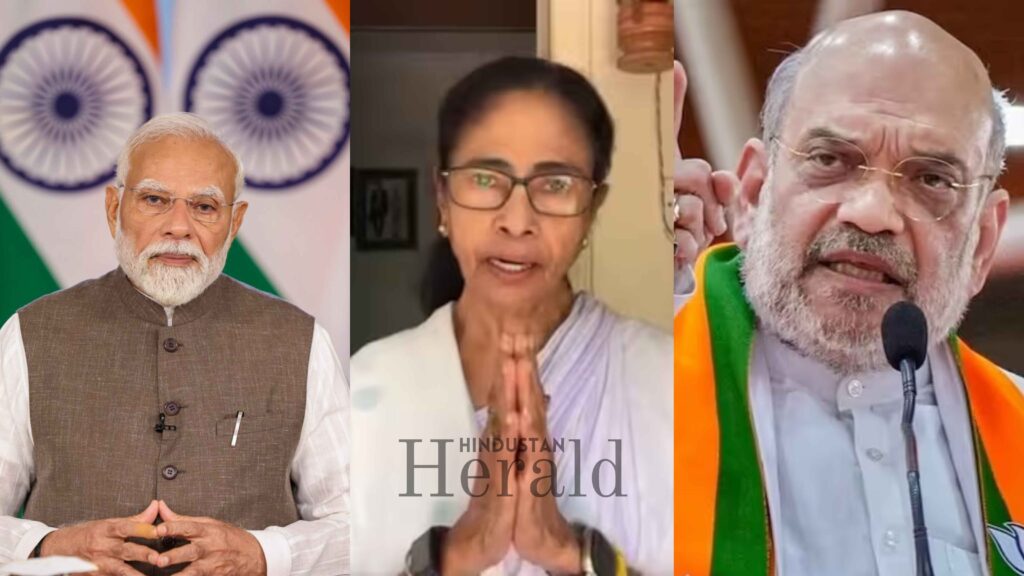
They won in a way that ends an era. Mamata Banerjee’s party, which had spent over a decade building a formidable grassroots machinery across every corner of the state, lost to a sustained campaign built on booth-level discipline, consolidated voter targeting, and a relentless push from the national leadership including Prime Minister Narendra Modi and Home Minister Amit Shah.
That kind of loss does not produce a graceful transition. It never has in West Bengal. Post-poll violence broke out almost immediately after the results. At least four people have been killed since May 4, according to reporting by Al Jazeera. On Tuesday night alone, five security personnel were injured when rival TMC factions clashed in Sandeshkhali, suggesting the violence is not only inter-party but also internal, as workers from the losing side scramble to reposition themselves in a new political reality.
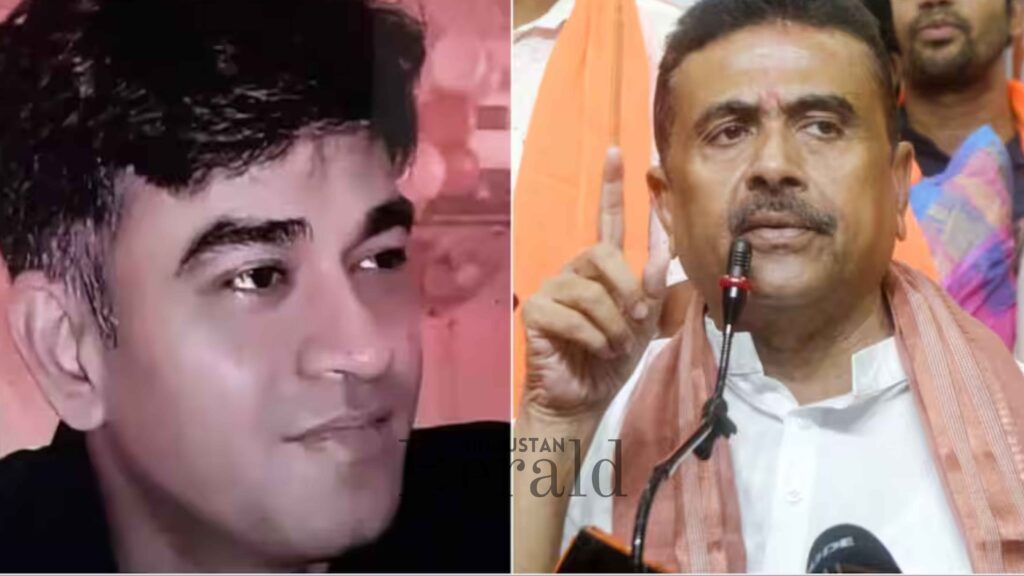
Chandranath Rath was shot in that environment. Whether his killing was directly tied to the election fallout or rooted in something else entirely, nobody can say with certainty right now. But pretending the timing is a coincidence would require extraordinary naivety.
Who Rath Was And Why It Matters
Political aides rarely make headlines. That is by design. They are the infrastructure of a politician’s life, managing the schedules, holding the relationships, knowing where things stand without being told. Rath filled that role for Suvendu Adhikari, one of the most consequential political figures in the state.
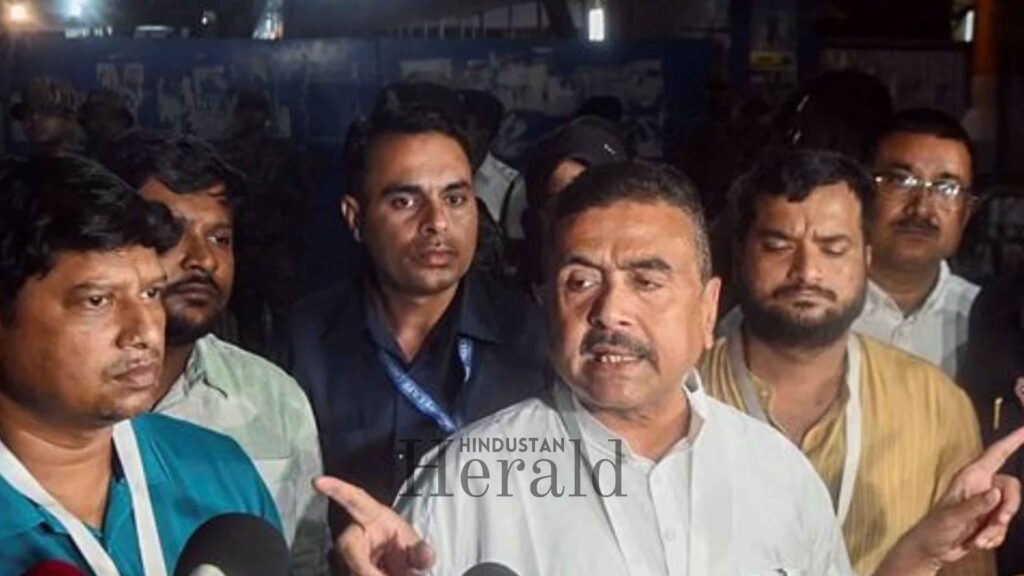
Adhikari is not someone who arrived quietly. He was a powerful Trinamool minister before defecting to the BJP in late 2020, and when the 2021 assembly elections came around, he stood against Mamata Banerjee herself in Nandigram and won. That result became a moment. It told a story about how far the BJP’s reach had extended into a state that had resisted it for years. Since then, Adhikari has led the BJP opposition in the assembly, been the party’s loudest and most combative voice in the state, and with the 2026 results in, his standing within Bengal’s new power structure is only going to grow.
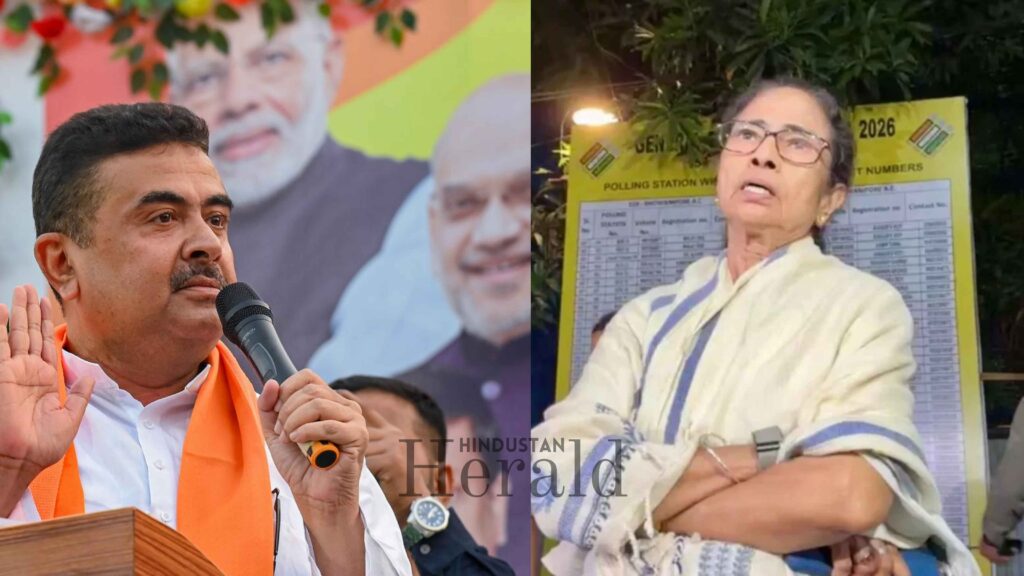
Rath was also managing the Bhawanipur campaign for him, a constituency loaded with political history given that it was once Mamata Banerjee’s own seat. That kind of work puts a man in contact with a lot of people, some friendly, some not. It also makes him a visible enough target for anyone wanting to send a message in the other direction.
A Police Investigation Nobody Trusts Enough
The West Bengal Police is handling the case. That is both the logical and the problematic answer.
The BJP has, for years, accused the state police of functioning as an extension of TMC political interests rather than as an independent institution. Whether or not one accepts that critique in full, the perception is deep-seated and will colour how the party receives any findings that emerge from this investigation. If the killers are caught quickly and linked to political motives, the BJP will say they always knew. If the investigation drags or concludes without clear answers, the party will say it was buried.
There is also the question of the Supreme Court, which recently declined to entertain a petition seeking deployment of central forces to prevent post-poll violence. That decision left enforcement squarely with state machinery. Given that a man is now dead, the debate over that decision is not going away.
Expect the BJP to take this to Parliament. Expect demands for a CBI inquiry. Expect the national leadership to use this killing as evidence that the rule of law in West Bengal requires central attention. That fight was coming regardless. This accelerates it.
North 24 Parganas Has Seen This Before
There is a reason that North 24 Parganas keeps appearing in these conversations. The district is vast, densely populated, economically diverse, and politically fierce. It runs from the edge of Kolkata’s northern suburbs all the way to the Bangladesh border. It contains communities shaped by partition, by migration, by decades of left-front rule and then TMC dominance, and now by a shift in state power that many residents did not see coming.
Madhyamgram specifically sits in that suburban stretch where urban pressures meet political intensity. Local party workers, from both sides, have roots here that go back generations. Political loyalty in areas like this is not abstract. It determines access, opportunity, protection. When that loyalty is tested, which is exactly what a state-level election loss does to the losing side’s ground-level cadre, things can fracture in violent ways.
What Comes Next
Chandranath Rath is dead. His family is left with that reality, stripped of all the political noise that now surrounds his name.
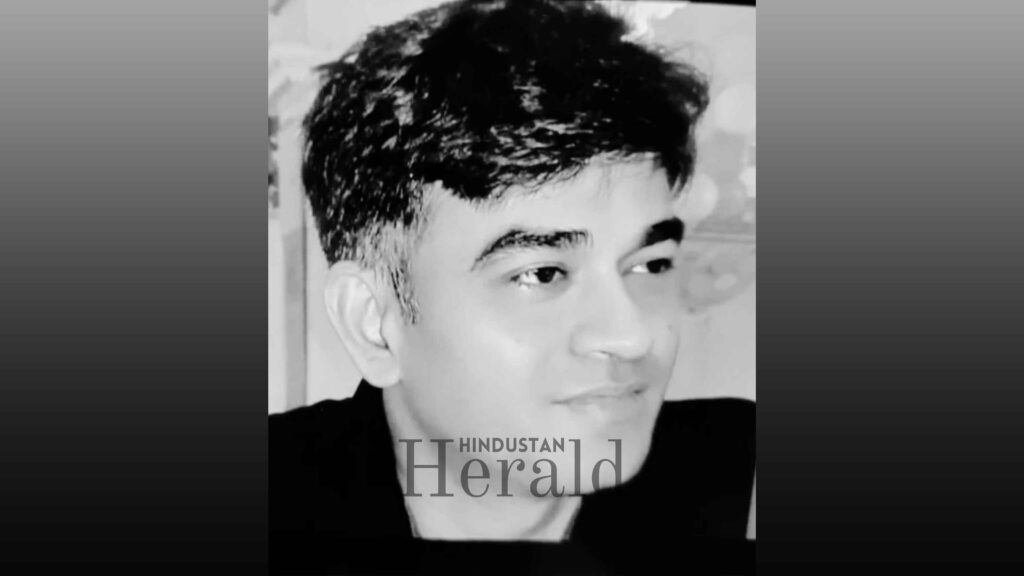
The investigation will proceed, slowly or quickly depending on factors that have nothing to do with justice and everything to do with political pressure. The BJP will push hard on every front available to them, which is now considerably more than it was a week ago, given that they are forming the government. Whether the new state administration uses its incoming power to ensure accountability or whether this becomes another unresolved entry in West Bengal’s long ledger of political violence is a question that will define the early character of the new dispensation.
What is already clear is that the violence gripping the state since May 4 has not peaked. The killing in Madhyamgram came two days after the results. In previous cycles, this kind of post-poll turbulence has lasted weeks. The structures that usually contain it, credible policing, institutional trust, political will on both sides to de-escalate, are all under serious strain right now.
For now, a public road in a busy Bengal township is a crime scene. A family is grieving. And a state that just went through a political revolution is trying to figure out what order looks like on the other side of it.
Stay ahead with Hindustan Herald — bringing you trusted news, sharp analysis, and stories that matter across Politics, Business, Technology, Sports, Entertainment, Lifestyle, and more.
Connect with us on Facebook, Instagram, X (Twitter), LinkedIn, YouTube, and join our Telegram community @hindustanherald for real-time updates.

Covers Indian politics, governance, and policy developments with over a decade of experience in political reporting.
- Ananya Sharma

- Ananya Sharma
- Ananya Sharma
- Ananya Sharma



 Sandeep Verma