 By Prakash Nair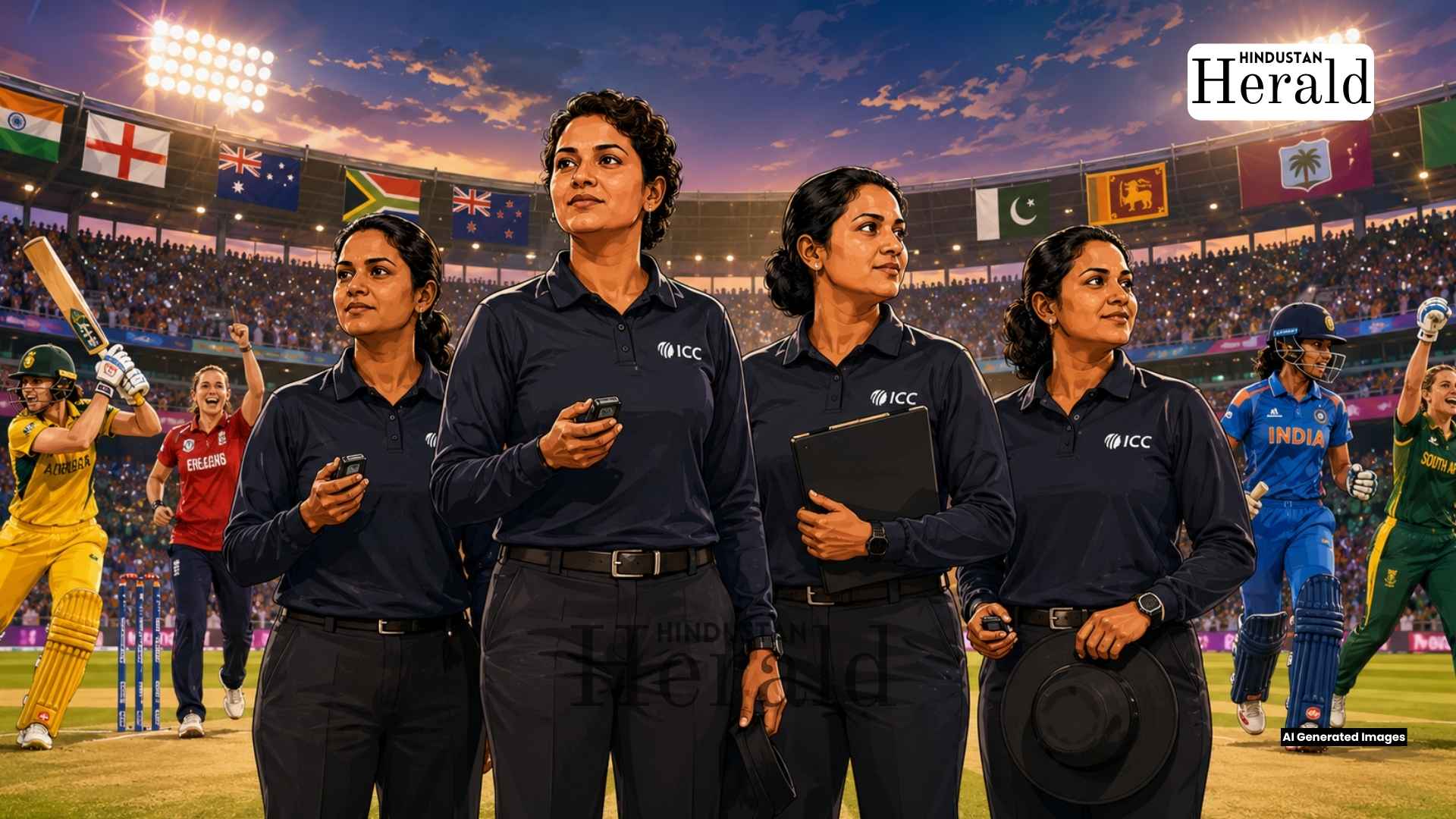
New Delhi, May 28: Somewhere between the squad announcements, the ticket rush, and the broadcaster negotiations that consume the weeks before any major cricket tournament, the International Cricket Council slipped in a piece of news on Thursday that deserved far more attention than it probably got.
Every match official at the 2026 ICC Women’s T20 World Cup will be a woman.
All of them. The umpire calling a wide on the last ball of a tight chase. The square leg official reviewing a stumping. The match referee sitting down with team management after a flashpoint on the field. Eighteen officials in total 14 umpires and four match referees and not a single one of them is male. Across 33 matches involving 12 nations in England, from June 12 through July 5, the entire officiating apparatus of the biggest women’s cricket tournament on the planet will be run by women.
What makes it genuinely worth stopping for is this: it is the third consecutive edition where that has been true. The novelty has worn off. This is just how it is done now.
Four Indians in the Room Where It Happens
There is an Indian angle to this that deserves its own paragraph actually, several paragraphs.
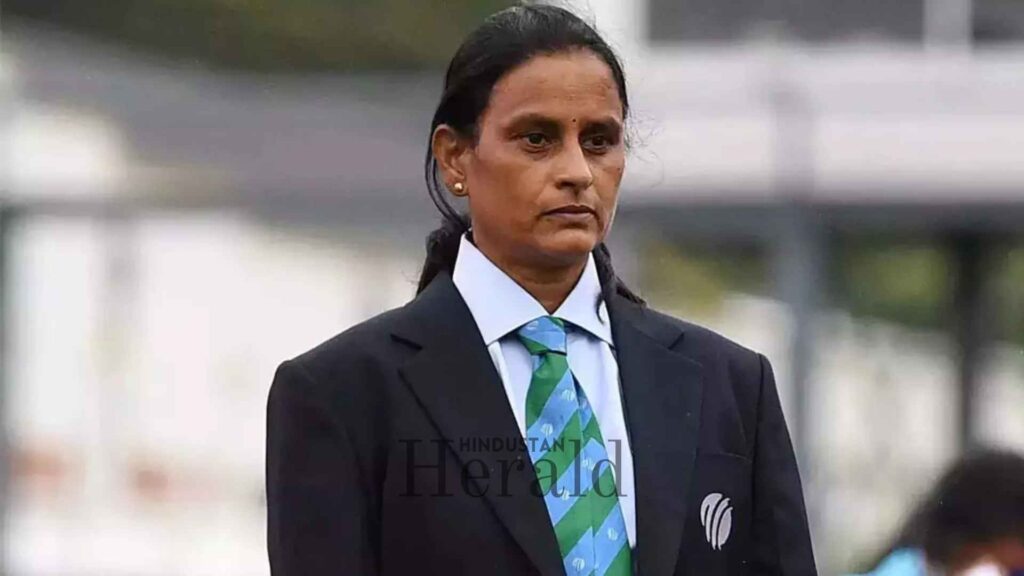
Janani N and Vrinda Rathi are in the umpiring panel. So is Gayathri Venugopalan, who is making her debut at this level her first Women’s T20 World Cup as an on-field umpire. And GS Lakshmi has been appointed as one of the four match referees for the whole tournament.
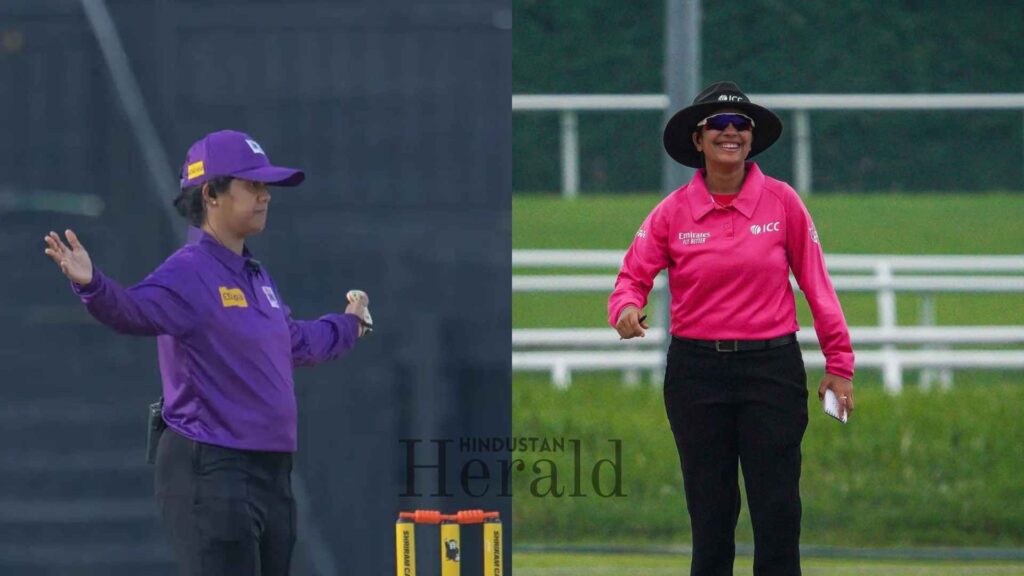
Four officials. From one country. At a global event.
That does not happen by accident, and it does not happen because a governing body decided to be generous. It happens because the officials were good enough, over a sustained enough period, that the selectors had no credible reason not to pick them. Lakshmi in particular has been a fixture in international women’s cricket officiating for years. The match referee role carries real authority it is not ceremonial. She handles conduct matters, formal hearings, team management conversations that sometimes happen under considerable pressure. She has earned the right to be in that room.
Some Faces You Know, Some You Are About to Know
Nine officials from the 2024 edition are back for 2026, which is a reassuring continuity. But the panel is not just a reunion of familiar names.
Claire Polosak of Australia is the umpire with the most appearances at this level by some distance 22 matches across what will now be six T20 World Cups. That is a record that belongs to her alone. She has become, without much fanfare, one of the most experienced tournament umpires in world cricket, men’s or women’s. Six World Cups is not a small thing.
Jacquline Williams and Kim Cotton will each stand in their fifth edition of the tournament, having officiated 19 matches apiece. They are the quiet anchors of a panel that needs experienced heads alongside the newer ones.
Four umpires are stepping into a Women’s T20 World Cup for the first time. Candace La Borde, Kerrin Klaaste, Shathira Jakir Jesy, and Gayathri Venugopalan will all be making their tournament debuts. First-timers at a World Cup always face a specific kind of pressure the margins are tighter, the scrutiny sharper, the stakes genuinely high. They have all earned their spots through bilateral series and regional-level work. The debut is the next step, not the beginning.
Among the referees, Shandre Fritz and Michell Pereira are returning from 2024. Trudy Anderson of New Zealand joins them as a new addition.
Full panel, for the record. Umpires: Lauren Agenbag, Kim Cotton, Anna Harris, Shathira Jakir Jesy, Kerrin Klaaste, Candace La Borde, Janani N, Nimali Perera, Claire Polosak, Vrinda Rathi, Suzanne Redfern, Eloise Sheridan, Jacquline Williams, and Gayathri Venugopalan. Match Referees: Trudy Anderson, Shandre Fritz, GS Lakshmi, and Michell Pereira.
What Was Said, and What It Actually Means
The ICC put out a statement, as governing bodies do. It described the growing depth of high-performing female officials as a “powerful marker of the sport’s progress.” Bureaucratic language, but not inaccurate.
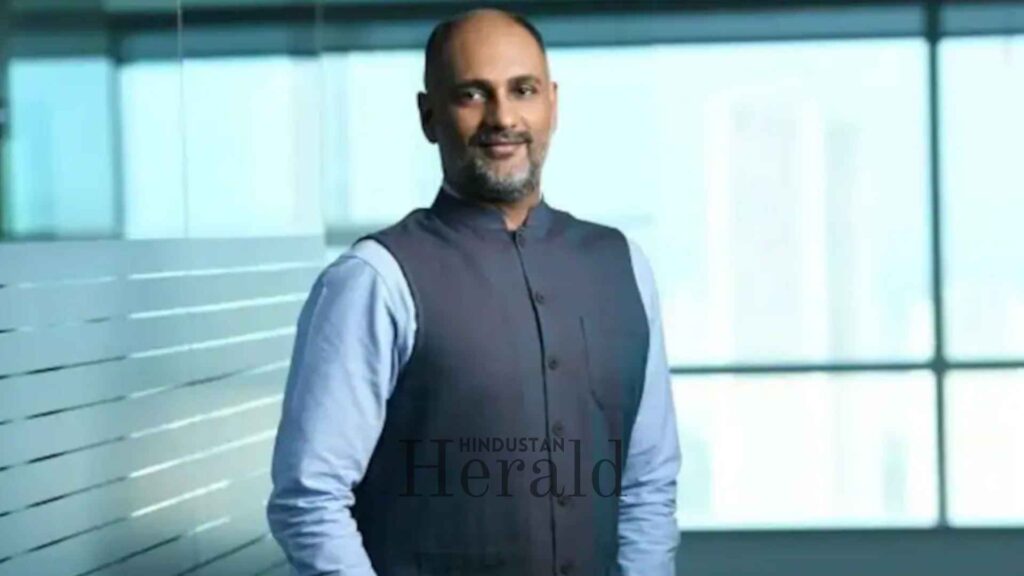
ICC CEO Sanjog Gupta was more pointed. He referenced the standards these officials had demonstrated at the ICC Women’s Cricket World Cup 2025, described the upcoming tournament as “the biggest women’s sporting event in the world,” and said the officiating panel would serve to “elevate the meaning associated with the athletic spectacle.”
Read past the formal phrasing and there is something substantive in there. The ICC is not framing this as a diversity initiative or a special arrangement. It is being presented as the natural, obvious way to run this tournament. Which is precisely how it should be framed. The moment an all-female panel stops being a headline and starts being an expectation is the moment genuine progress has occurred. That moment appears to have arrived.
The Third Time Answers the Question
When the ICC fielded an all-female officiating panel for the 2022 Women’s T20 World Cup in South Africa, the cynics had a ready question: is this a one-off? A well-intentioned photo opportunity that would quietly disappear once the pressure of finding enough qualified women made it easier to fall back on existing male officials?
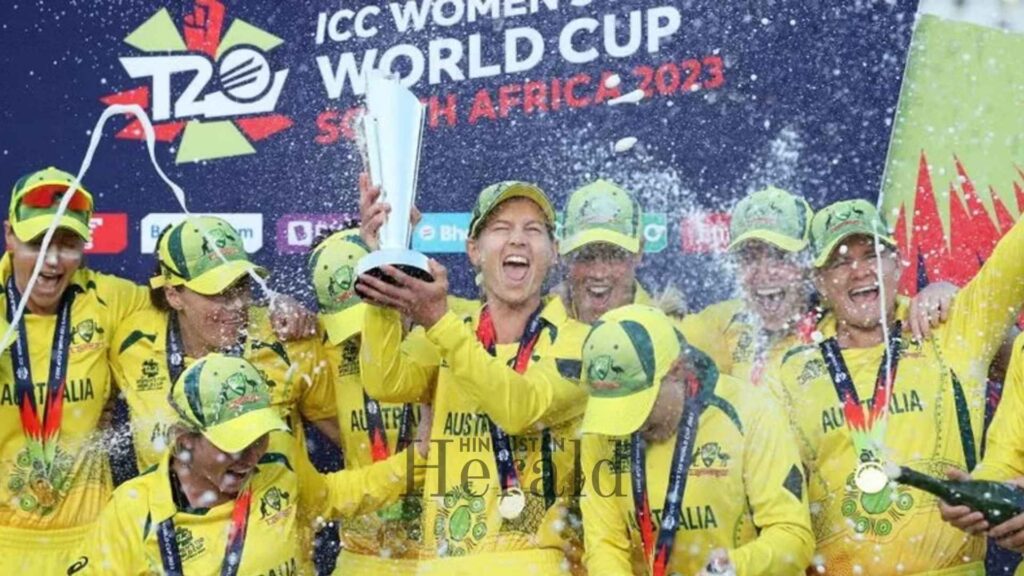
Three editions later, that question has its answer.
Sustaining something across three cycles means the development pipelines are real. It means the ICC has been identifying, training, and elevating female officials not as an occasional gesture but as deliberate, ongoing policy. That is harder than it sounds. It requires investment in talent identification at the domestic level, clear pathways from local cricket to international appointments, and a willingness to keep backing the process when it would be easier to take shortcuts.
None of that is glamorous. Most of it happens in provincial grounds and regional tournaments where nobody is watching. But the result of all that unglamorous work is a panel of eighteen women who are, by any honest assessment, as well-qualified to run this tournament as any group of officials ever assembled for it.
The Tournament, Briefly
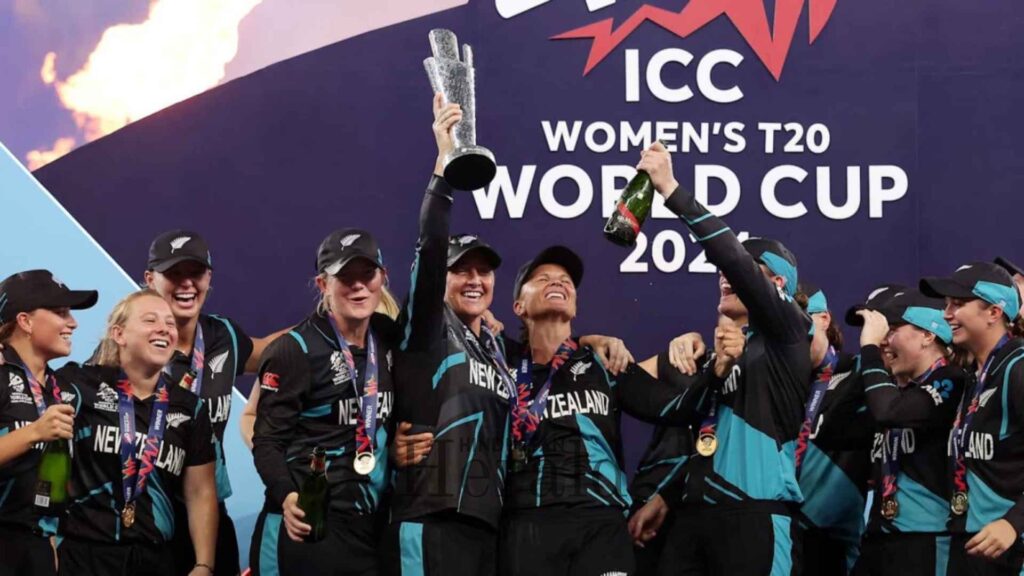
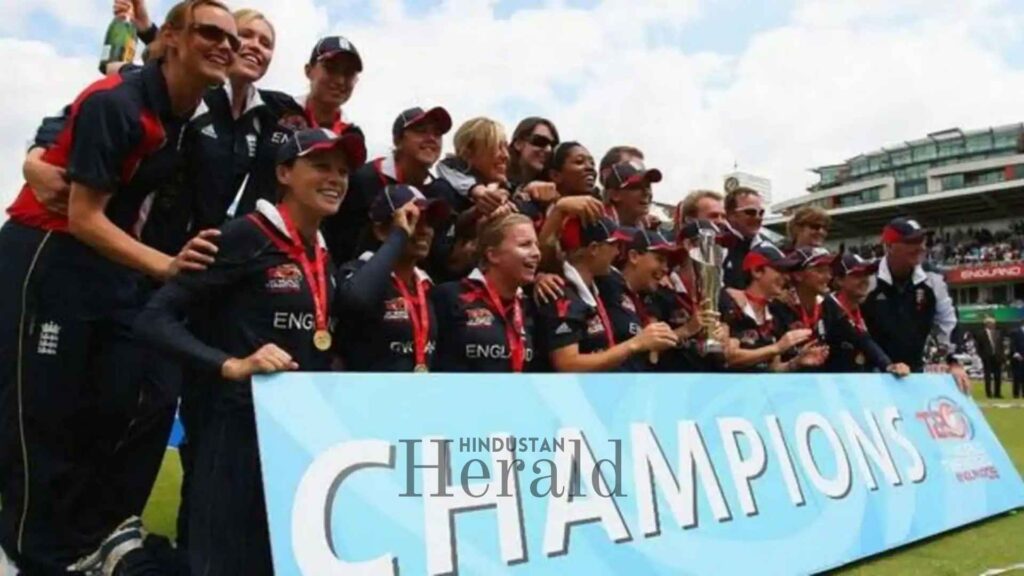
The 2026 Women’s T20 World Cup is the tenth edition of the competition and the biggest yet twelve teams, up from ten in the previous cycle. New Zealand come in as defending champions after their 2024 win. England host for the second time, having staged the inaugural tournament back in 2009.
The action starts on June 12 at Edgbaston, where England face Sri Lanka. India’s fans will have June 14 marked in bold that is when India take on Pakistan, also at Edgbaston. Seven venues across England host the 33 matches, and it all concludes on July 5.
One More Thing Worth Saying
The four Indian officials in this panel did not arrive here on quotas or goodwill. GS Lakshmi has been building this career for years. So have Janani, Vrinda, and Gayathri. They got here because they were, match after match in bilateral series and regional competitions, consistently good enough that leaving them out would have been the harder argument to make.
That is how it should work.
There is still a longer road ahead. Women officials are almost entirely absent from men’s international cricket at the elite level. Whether the infrastructure being built for the women’s game eventually opens those doors too is a question the ICC has not yet answered with much conviction. But that conversation belongs to another day.
For now, Birmingham awaits. Eighteen women, thirty-three matches, twelve nations. June cannot come soon enough.
Stay ahead with Hindustan Herald — bringing you trusted news, sharp analysis, and stories that matter across Politics, Business, Technology, Sports, Entertainment, Lifestyle, and more.
Connect with us on Facebook, Instagram, X (Twitter), LinkedIn, YouTube, and join our Telegram community @hindustanherald for real-time updates.

Sports reporter covering cricket, football, and Olympic disciplines, with on-ground event experience.
- Prakash Nair

- Prakash Nair
- Prakash Nair
- Prakash Nair