 By Neeraj Kapoor
New Delhi, May 21: Nobody has seen the iPhone 18 Pro Max yet. Apple has not said a word about it. And yet here we are, four months before the expected launch, and the phone is already dominating tech conversations across the country. That is partly because the leaks this cycle have been unusually specific and unusually consistent. When three separate supply chain sources, two Wall Street analysts, and half a dozen technology publications are all pointing to the same features, it stops feeling like speculation and starts feeling like a briefing.
So what do we actually know? Quite a bit, as it turns out. Enough to say with reasonable confidence that the iPhone 18 Pro Max is not going to be one of those years where Apple ships a slightly brighter screen and calls it a day.
Apple Is Changing When It Releases iPhones
Start here, because this matters more than any single feature.
For the first time in over a decade, Apple is not releasing four iPhones together in September. The Pro and Pro Max are still coming in the fall along with, reportedly, a foldable iPhone that has been the subject of its own separate whirlwind of speculation. But the standard iPhone 18 and the budget iPhone 18e? Those are being pushed to spring 2027. Six months later than usual.
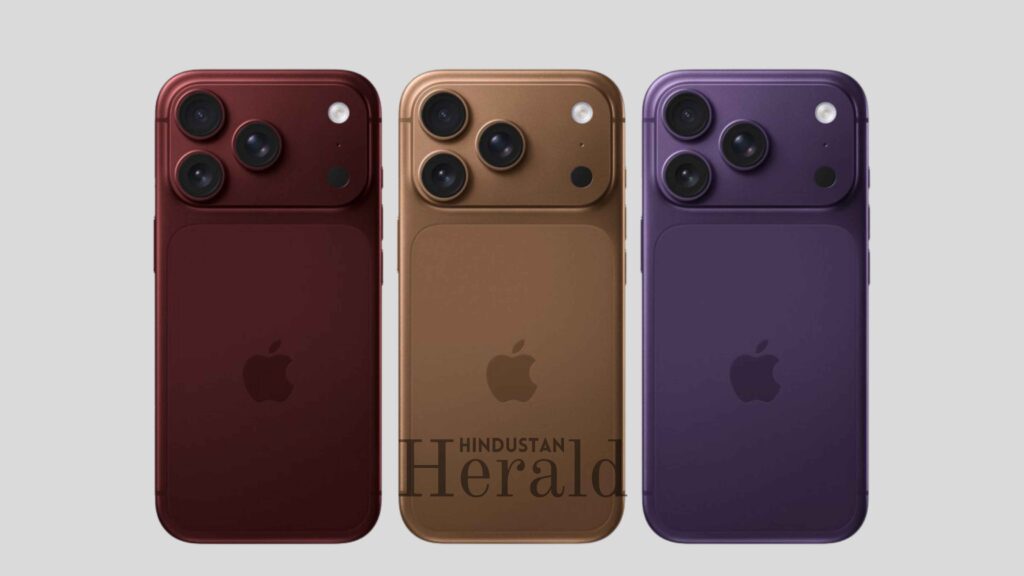
That is a deliberate choice. Apple is concentrating its September launch around the products that make it the most money, and making everyone else wait. It is also, if you read between the lines, an admission that the foldable iPhone is consuming enormous engineering resources resources that appear to have come at the cost of the standard lineup’s timeline.
For most readers of this publication, the practical implication is simple: if you were waiting to see the full 2026 lineup before deciding, you will have to wait until next year. This September, Apple is firmly in luxury territory. Every device announced will reportedly be priced at $999 or more. In India, that means the floor starts somewhere around Rs 1.1 lakh, and the Pro Max will sit considerably above that.
The Chip Is the Real Story
It always is, with Apple. The camera gets the headlines, but the chip is what makes everything else possible.
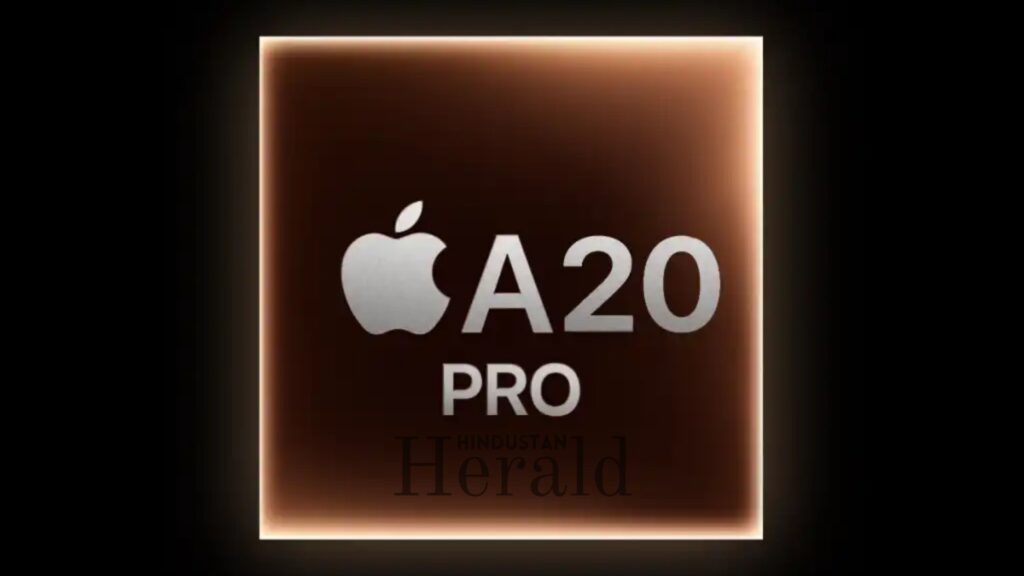
The iPhone 18 Pro Max is widely expected to carry Apple’s A20 Pro, the company’s first processor built on a 2-nanometer process. The jump from the current 3nm architecture is not just about raw speed though that is expected to improve by roughly 15 per cent, per reports from Macworld. The bigger gains are in efficiency. A chip that does more work per milliwatt means longer battery life, better thermal performance, and this is where Apple is really focused right now the headroom to run on-device AI without throttling.

That last point is worth pausing on. Apple’s Apple Intelligence suite, launched with the iPhone 16 and expanded on the 17, has had a complicated rollout. Some features have impressed. The revamped Siri has not. Apple is under real pressure to show that its AI ambitions are more than marketing copy, and the A20 Pro is the hardware bet that the next generation of those features will actually work as advertised.
Manufacturing 2nm chips at scale is not cheap. Each A20 Pro chip reportedly costs around $85 to produce up from roughly $50 for the 3nm A19. Whether Apple absorbs that or passes it to buyers is a genuine open question, though early analyst notes suggest pricing may not move dramatically from the iPhone 17 Pro Max’s starting point.
Apple Cuts the Cord on Qualcomm
This is the kind of story that sounds technical and dry until you realise what it actually means.
For years, every iPhone has carried a Qualcomm modem. Apple has been trying to change that for almost as long, and the iPhone 18 Pro models are reportedly where that finally happens at the high end. The new component is called the C2 Apple’s second-generation in-house modem and it is expected to bring full mmWave 5G support along with it.
The competitive significance here goes beyond connectivity specs. Qualcomm modems come with licensing fees and supply chain dependencies that Apple has long wanted to eliminate. The C2 gives Apple complete control over one of the most power-hungry and strategically important components in the device. Expect better network switching, quieter power draw, and over time deeper integration with Apple’s own silicon in ways that a third-party modem simply cannot enable.
For buyers in Indian cities where 5G is now widely available, the practical benefit is improved network efficiency and call quality. The mmWave speeds themselves remain largely theoretical in India for now, given carrier infrastructure realities. Still, the modem upgrade matters. It also reportedly enables full satellite internet connectivity on the Pro Max, which has potential uses that go well beyond emergency SOS.
The Camera That Is Actually New
Every iPhone generation brings camera upgrades. Most of them are incremental a slightly wider aperture here, a bit more computational magic there. The variable aperture main camera rumoured for the iPhone 18 Pro Max is something different.
A variable aperture lens has a physical iris the same basic mechanism that has been in professional cameras for decades that opens and closes to control how much light hits the sensor. On smartphones, this has been approximated by software. Doing it in hardware changes what photographers can actually control. Overexposed highlights, creative depth-of-field choices, manual light management in challenging conditions these become genuine options rather than simulated effects.
The core setup is a 48MP triple camera system, consistent with reports from Business Today and MacRumors, with the variable aperture applied to the main lens. The front camera is reportedly getting a notable upgrade too, moving to 24MP a meaningful jump for a company that has been slower than rivals to upgrade its selfie optics.
None of this has been confirmed by Apple. But the variable aperture rumour in particular has been circulating since late 2025 and has appeared across enough independent sources that most analysts treat it as likely.
Design: Mostly Familiar, One New Colour Worth Talking About
Apple is not redesigning the Pro Max this year. The dimensions stay largely the same a 6.9-inch screen, titanium construction, the same basic rear camera arrangement. The Dynamic Island is reportedly getting slightly smaller as one Face ID component moves under the display, which is less dramatic than the full under-display Face ID that earlier rumours had floated. Technical production delays apparently pushed that fuller change to a future generation.
The back glass treatment is changing in a subtle way. The colour gap between the glass panel and the aluminium frame something iPhone 17 Pro owners have noticed is reportedly being addressed for a more unified look. Small thing. The kind of thing you only notice if you have been staring at the device for months, which Apple’s designers absolutely have been.
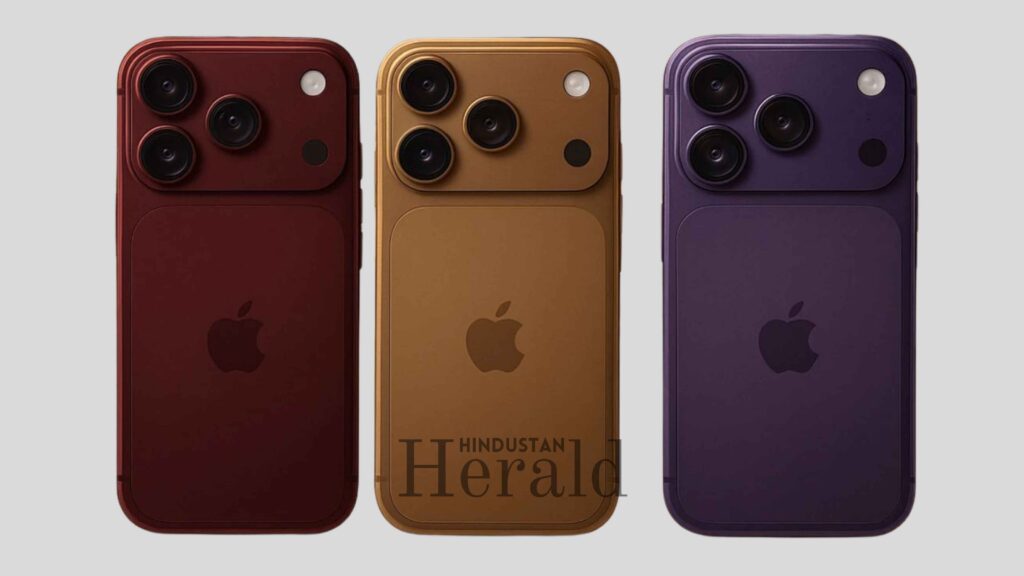
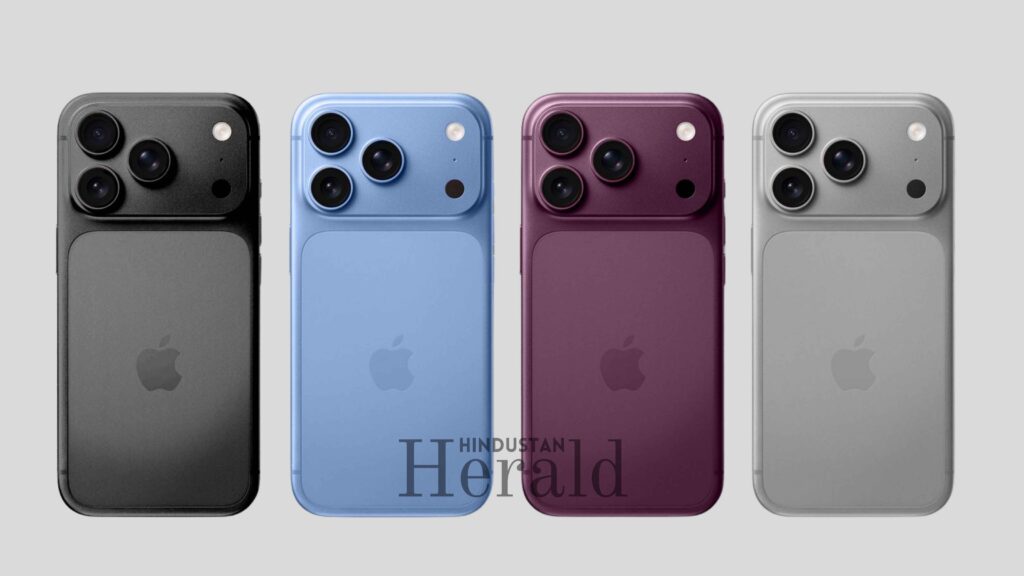
The colour that is getting the most attention is Dark Cherry described by multiple sources as closer to a deep red with purple undertones rather than a straightforward crimson. It is the sort of colour that photographs well and ages gracefully, which is presumably the point. The rest of the palette reportedly includes Light Blue, Dark Gray, and Silver, with the existing Cosmic Orange and Deep Blue being retired.
One practical note: the phone is expected to be marginally heavier, reportedly nudging past 240 grams compared to the current model’s 233 grams. Not a dealbreaker. Just worth knowing if weight is something you track.
What It Will Cost Here
For Indian buyers, this is always where the conversation gets real.
The most credible estimates place the iPhone 18 Pro Max somewhere between Rs 1,54,900 and Rs 1,59,900 for the base configuration per analyst projections reported by Business Today. That assumes Apple holds the line on pricing, which analyst Jeff Pu has suggested is likely despite the higher chip manufacturing costs.
Some aggregators have put the 512GB variant higher, around Rs 1,69,990, though that figure carries more uncertainty. Apple has not confirmed storage tiers or pricing for any market.
What could keep Indian prices from spiking further is the expanding local manufacturing picture. Apple’s production through Tata Electronics and Foxconn’s Indian facilities has grown significantly, and domestically assembled iPhones are not subject to the same import duties that have historically inflated prices here. There is also government pressure quiet but real to ensure premium models hit Indian shelves as domestically produced units from day one rather than as imports.
The WWDC Preview Comes First
Before the September launch, there is one event that Indian Apple watchers should follow closely: WWDC 2026, scheduled for June 8 to June 12 in Cupertino. This is Apple’s annual developer conference, and it is where the software that will run on the iPhone 18 Pro Max gets its first public showing.
iOS 26 will be previewed there, along with what is expected to be a significantly updated version of Apple Intelligence. The Siri upgrades that were promised for 2025 and partially delayed will reportedly be on show. So will new AI features tied to the camera and to on-device processing. WWDC will not reveal the hardware, but it will answer some of the bigger questions about whether Apple’s software has caught up with its silicon ambitions.
Should You Wait for It
That depends entirely on what you are currently carrying.
If your daily phone is an iPhone 14 or older, September is going to give you compelling reasons to spend. The chip jump alone is significant enough, and the camera upgrade is the most substantive in several cycles. If you are on an iPhone 16 Pro Max, the calculus is considerably less clear. The improvements are real, but they are not generational in the way that, say, moving from an A15 to an A18 was.
The iPhone 17 Pro Max owners have probably the most interesting decision to make. The variable aperture camera and the modem upgrade represent things the 17 simply does not have. Whether those are worth Rs 1.5 lakh or more is a personal question that no amount of spec sheet analysis can fully answer.
For now, September still feels like a long time away. But in Apple years the leaks, the rumours, the supply chain drama it is almost tomorrow.
Stay ahead with Hindustan Herald — bringing you trusted news, sharp analysis, and stories that matter across Politics, Business, Technology, Sports, Entertainment, Lifestyle, and more.
Connect with us on Facebook, Instagram, X (Twitter), LinkedIn, YouTube, and join our Telegram community @hindustanherald for real-time updates.

Tech writer passionate about AI, startups, and the digital economy, blending industry insights with storytelling.
- Neeraj Kapoor

- Neeraj Kapoor
- Neeraj Kapoor
- Neeraj Kapoor