
 By Ayesha Khan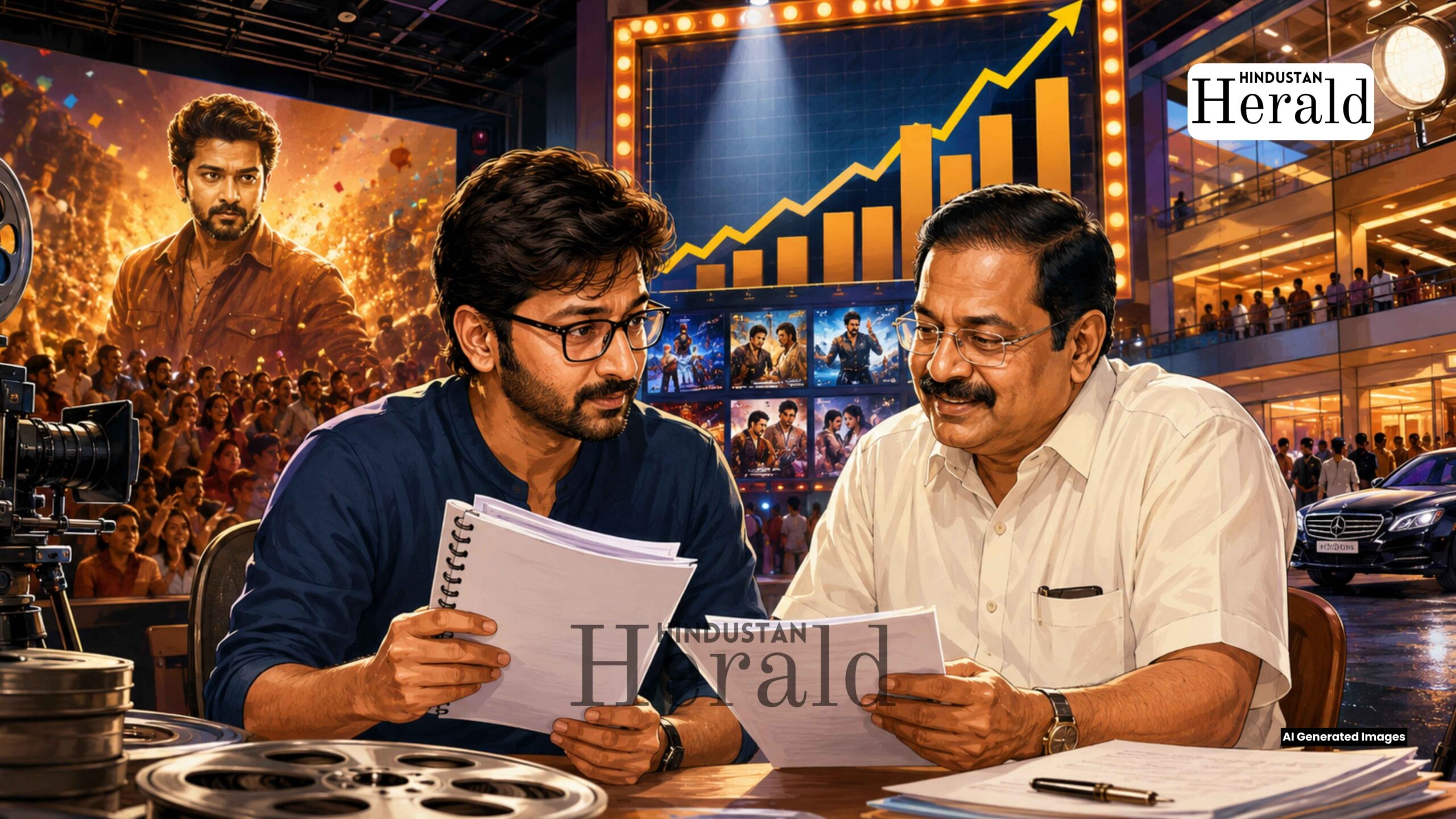
Chennai, June 12: A film that crossed Rs 300 crore at the worldwide box office should, by most accounts, be a story of celebration. Garlands, press interviews, and a director taking well-deserved bows. But in the weeks since Karuppu stormed Tamil Nadu theatres and broke records in Suriya’s career, a far less flattering chapter has begun playing out. Veteran film distributor and financier Tirupur Subramaniam has publicly taken director RJ Balaji to task, and his criticism has cut through the noise of the film’s success with the sharpness of someone who has seen too many opening-day disasters to stay quiet.
The flashpoint was not the box office. It was a video.
The Video That Started It All
When Karuppu was scheduled to release on May 14, 2026, things went south fast. Morning shows across Tamil Nadu and Kerala were cancelled at the last minute. Advance bookings were in chaos. Fans who had taken off work, driven long distances, and booked their seats weeks in advance were left standing outside locked theatres. The confusion was traced back to unresolved financial dues of reportedly close to Rs 50 crore linked to the production house Dream Warrior Pictures, involving unpaid dues to financiers, exhibitors, and distributors, with some reports also pointing to pending location charges at EVP Studios near Chennai.
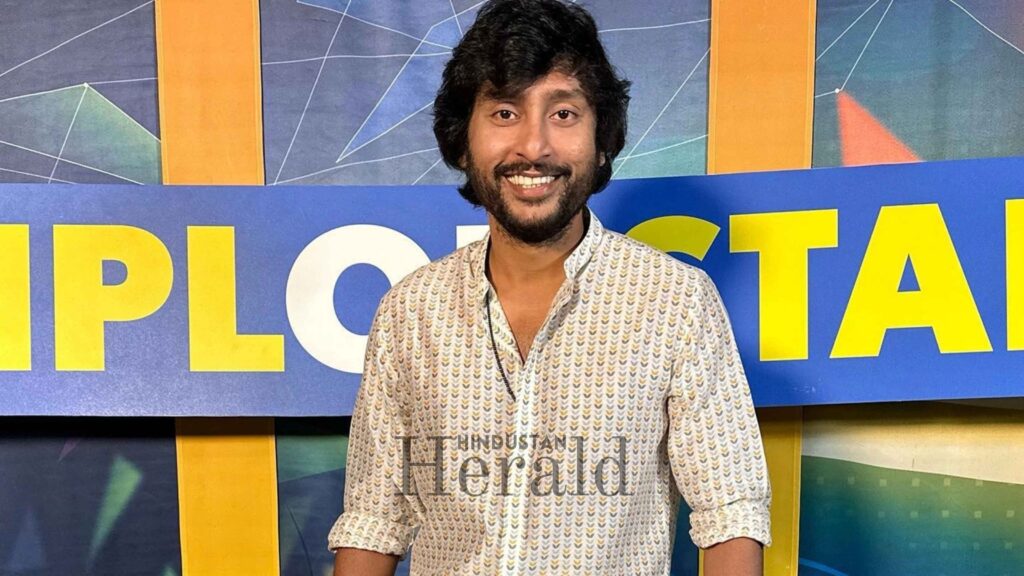
In the middle of this, RJ Balaji recorded a video from inside his car. Visibly emotional, he addressed fans, said the situation was never anticipated, and that the grief he felt watching audiences suffer was real. The video spread widely. Some viewers sympathised with the filmmaker. Others did not.
Tirupur Subramaniam was firmly in the second group.
“He Sat in His Car and Cried”
Subramaniam, chairman of Sri Sakthi Cinemas and one of Tamil cinema’s most recognisable distributor-financier figures, did not mince words. Speaking on behalf of those who had committed money to the film, he raised a pointed question about what a director’s responsibility actually looks like when things go wrong.

“A film that was started as a Rs 30 crore-budgeted movie might cost you Rs 40 crore, but it turned out to be an Rs 80 crore-budgeted movie,” Subramaniam reportedly said. “In the end, the director is sitting in the car, crying, when the film faced hurdles. But what was he doing when he was making the movie beyond the budget? Had he controlled the budget there, the producer would not be suffering today. Why are the directors not standing by the producers?”
The question has a history behind it. Karuppu is believed to have carried a final budget in the range of Rs 130 to 140 crore, a considerable escalation from what the project was apparently conceived at. When that kind of money goes into a film, and a sizeable portion of it belongs to distributors and financiers who bear the first wave of risk, the release-day collapse is not just an inconvenience. It is a financial gut punch.
Subramaniam added that he had received only 50 percent of his investment before the film’s release, and that it was Suriya who personally stepped in to reassure him and other stakeholders. That detail is telling. The lead actor apparently did more ground-level work than the director in the final hours before the film made it to screens, which eventually happened on May 15, 2026, a day later than originally planned.
Budget Overruns and the Accountability Gap
The criticism around budget discipline is not new to Tamil cinema, but it lands differently when it comes from someone like Subramaniam, who has been part of the distribution ecosystem long enough to remember when Rs 30 crore was a considerable sum for a Tamil film. His argument is essentially this: directors who expand productions beyond agreed budgets shift financial pressure onto producers and distributors without bearing any of the consequences themselves. When a film runs over budget and release complications follow, it is the money-side of the industry that absorbs the shock, while the creative side issues emotional videos and waits for the numbers to come in.
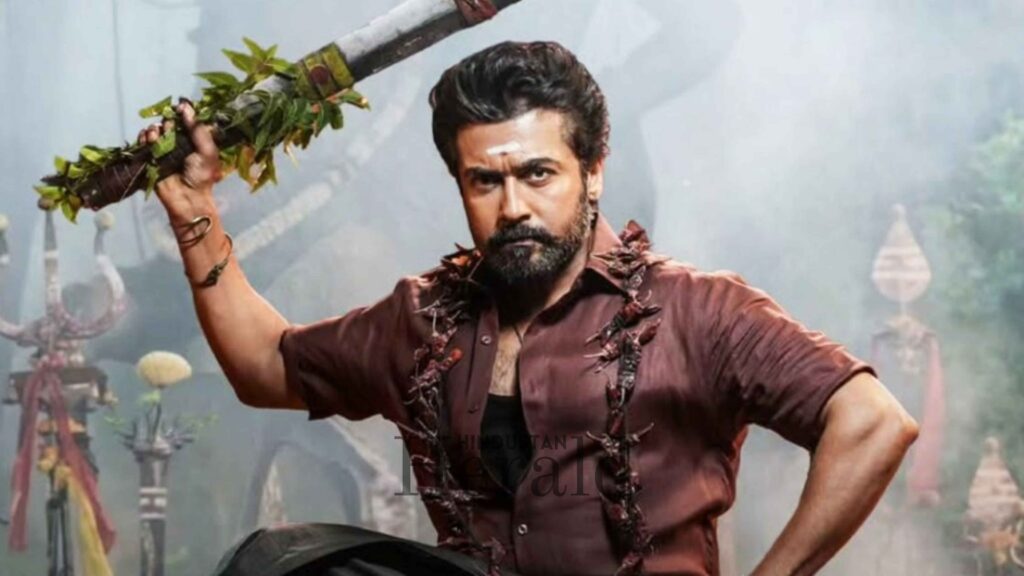
It is worth noting that Karuppu did eventually perform. The film crossed Rs 300 crore globally, making it a blockbuster by any standard. But that success, Subramaniam’s position suggests, does not wash away what happened on release day. The money eventually came in, yes. That does not mean the process was fair.
Still, this matters beyond one film. Tamil cinema has had a complicated relationship with budget transparency for years. Projects routinely exceed initial estimates. Producers take on debt. Distributors front money without full visibility into how it will be spent. And when a film fails, or even stumbles on release day, it is rarely the director who absorbs the loss. The risk is distributed unevenly, and Subramaniam’s outburst is essentially a public articulation of that frustration.
A Film Born Out of Rejection
Adding another layer to the Karuppu story is the now-public detail that the film was not originally written for Suriya at all. Director RJ Balaji had first narrated the script to Thalapathy Vijay, who was then actively weighing which film to make as his final screen appearance before stepping into politics. Vijay is now serving as the Chief Minister of Tamil Nadu, a role he assumed after his party’s rise to power. The film that eventually became his swan song was Jana Nayagan, directed by H. Vinoth, though that project has reportedly faced its own release delays.
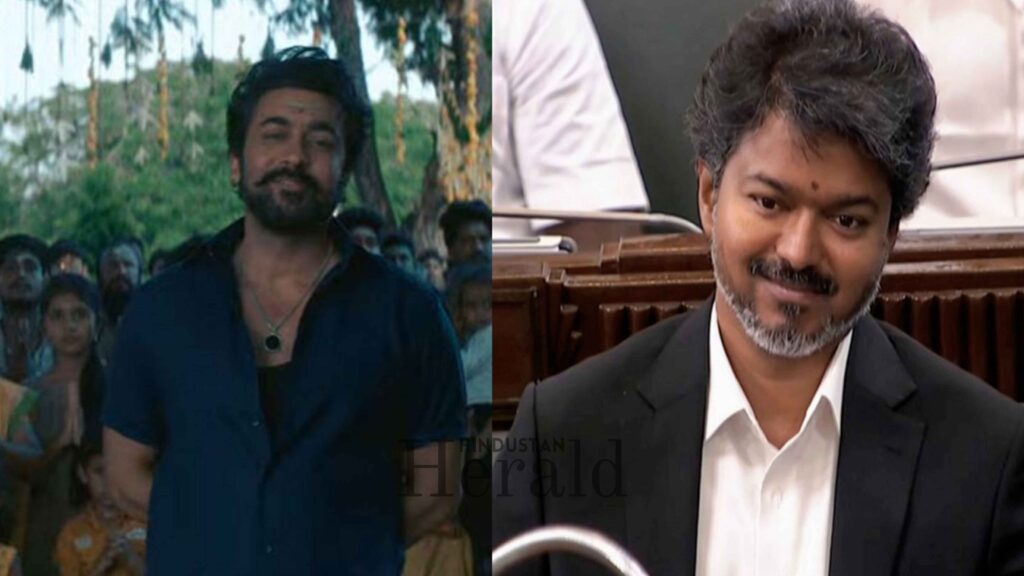
As it turns out, Vijay’s decision to walk away from Karuppu may have strengthened the script. Balaji has spoken about how the conversations with Vijay, the probing questions the actor asked during narration sessions, pushed him to sharpen the story. He went so far as to thank Vijay in the film’s opening credits, a gesture unusual enough in Tamil cinema to be noticed.
After those meetings, the producers suggested taking the script to Suriya. The actor not only agreed to the project but also contributed to shaping the final draft. Suriya’s involvement, both creatively and, apparently, in holding the release together at the last minute, has earned him considerable goodwill in industry circles.
What Distributors Actually Want
Subramaniam’s public remarks are not purely venting. They carry a specific demand, even if it is unstated. What people on the distribution and finance side of the film industry want is accountability that matches the credit. When a film becomes a hit, the director collects the applause. The reviews celebrate his vision. The interviews replay the journey. But when a film faces a chaotic release, loses morning shows, and puts thousands of ticketholders through needless confusion because financial settlements were not sorted out before opening day, the same director retreats into emotion while others deal with the fallout.
Nikil Suriya, Managing Director of Rohini Silver Screens, one of Chennai’s most prominent cinema halls, captured this frustration bluntly on the day of the release. He pointed out that exhibitors and theatre owners end up facing the fury of fans directly, even though they are the last in the chain and had no role in causing the chaos. That ground-level anger from the exhibition side mirrors what Tirupur Subramaniam is now voicing from the distributor-financier side.
The Larger Pattern in Kollywood
Karuppu is not the first Dream Warrior Pictures project to face last-minute release complications. That fact has not gone unnoticed in the industry. When a production house develops a pattern, even if each incident has its own explanation, the cumulative impression shapes how the industry approaches future investments. Financiers become cautious. Distributors ask harder questions. Theatre chains demand more assurance upfront.

For now, the film has made its money. The box office numbers are real. Suriya has his biggest hit in years. Trisha Krishnan has returned to the kind of mainstream success that suits her effortlessly. RJ Balaji has proven that he can direct a commercially successful fantasy action drama. All of that is true and worth acknowledging.
But none of it answers the question Tirupur Subramaniam is actually asking: who is responsible when a production goes past its budget and distributors are left holding half their investment on release morning?
That question will not disappear simply because the film crossed Rs 300 crore. If anything, the success makes it louder. Because it shows that the money was always there. It just did not move through the right hands at the right time.
Stay ahead with Hindustan Herald — bringing you trusted news, sharp analysis, and stories that matter across Politics, Business, Technology, Sports, Entertainment, Lifestyle, and more.
Connect with us on Facebook, Instagram, X (Twitter), LinkedIn, YouTube, and join our Telegram community @hindustanherald for real-time updates.

Covers films, television, streaming, and celebrity culture with a focus on storytelling trends.
- Ayesha Khan

- Ayesha Khan
- Ayesha Khan
- Ayesha Khan




 Arun Upadhayay