
 By Arun Upadhayay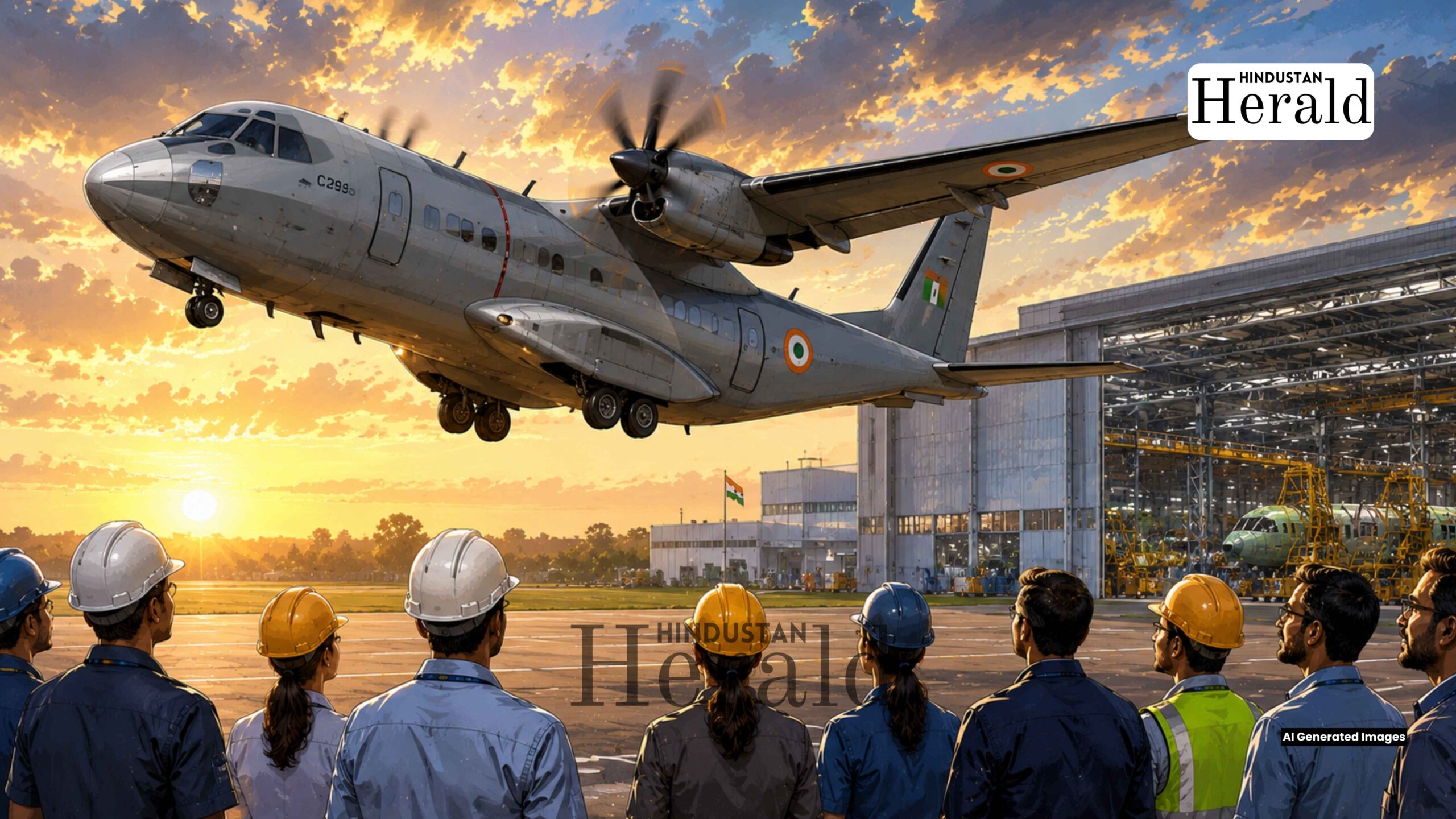
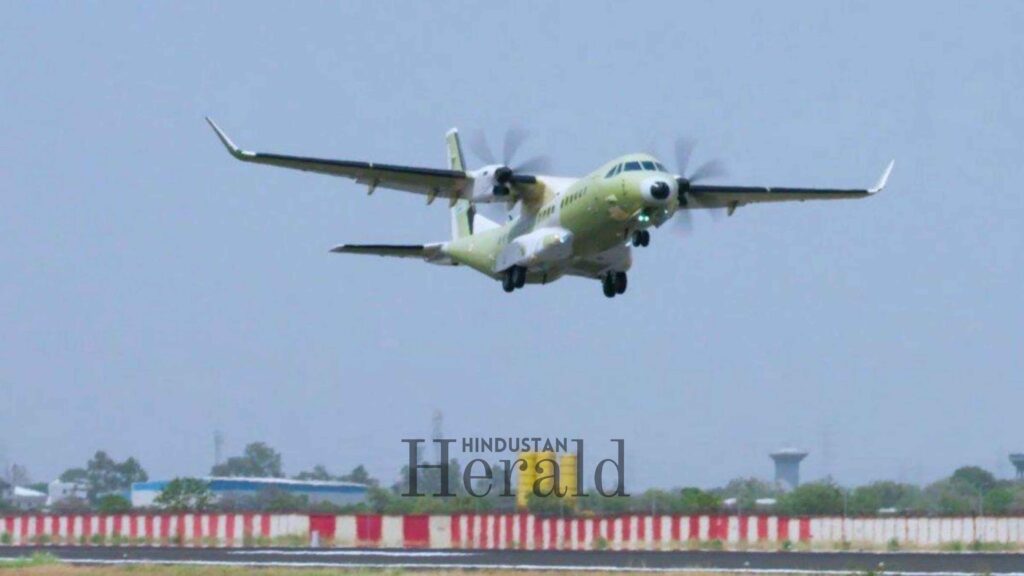
Vadodara, June 11: Nobody clapped. Nobody gave a speech. The aircraft simply rolled down the runway, lifted off, and disappeared into the sky above Gujarat. And yet, what happened at the Tata-Airbus Final Assembly Line in Vadodara on Wednesday, June 10, was the kind of moment that defence planners and policymakers in this country have been quietly waiting on for a very long time.
India built a military aircraft. Not assembled a kit. Not bolted together imported parts under a foreign licence with a foreign engineer looking over every shoulder. Built one. The C295 transport plane that flew on Wednesday was conceived, manufactured, and tested on Indian soil, by an Indian company, using an industrial facility that did not exist five years ago.
For a country that still imports the overwhelming bulk of its military hardware, that is worth sitting with for a moment.
It Started With a Bet Nobody Was Sure Would Pay Off
Cast your mind back to 2021. The government signed a deal worth around Rs 21,935 crore to bring 56 C295 aircraft into the Indian Air Force. The first 16 were going to come the old-fashioned way, fully assembled, flown in from Airbus’s facility in Seville, Spain. Clean, straightforward, no drama.
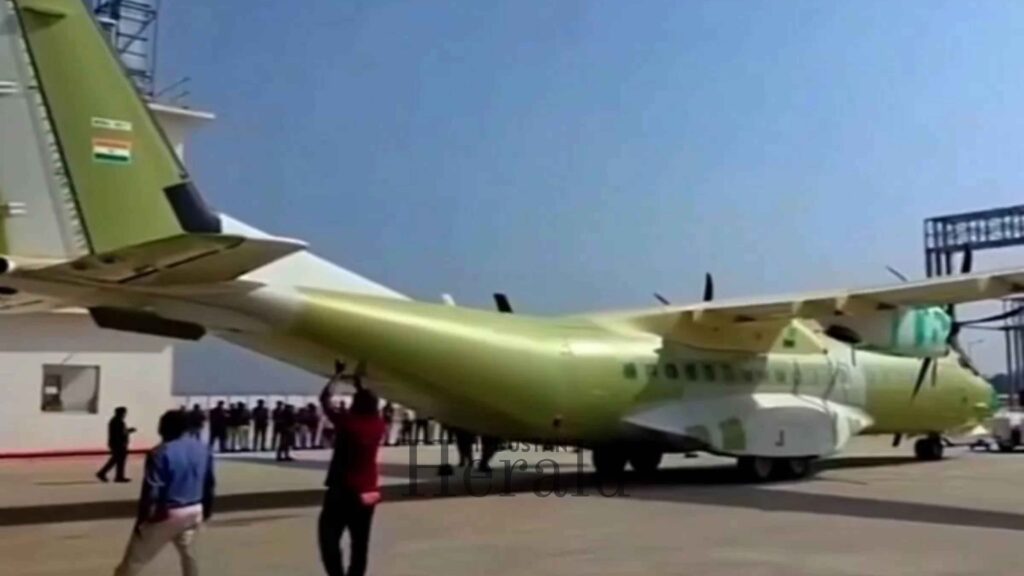
The remaining 40, though, were a different proposition entirely. Those would be manufactured in India. By a private Indian company. At a facility that had yet to be built.
Tata Advanced Systems Limited took on the job. And to be fair to them, what they were being asked to do had never been done before in this country. No private Indian firm had ever assembled a military transport aircraft. The supply chains did not fully exist. The workforce had to be trained from scratch. The factory in Vadodara had to be designed, built, certified, and staffed before a single aircraft component could even be touched.
That all of this came together, and that the aircraft that rolled out of that factory flew cleanly on its first test flight, is not something that should be waved past.
What a Test Flight Is Actually About
People sometimes picture a test flight as a dramatic thing. A nervous crowd, a pilot in a helmet, something to prove. The reality is considerably more methodical than that. A maiden flight on a newly assembled military aircraft is essentially a moving checklist. Engines, avionics, flight controls, hydraulic systems, structural response under load, everything gets evaluated in sequence. The engineers on the ground are watching data streams. The pilots are running through procedures.
When it goes well, it means the assembly was right. Every component seated correctly, every system communicating with every other system the way it should, the airframe doing what the design says it will do. The C295 that flew on June 10 passed that test. Which matters not just for this one aircraft, but for every aircraft that will follow it through the same line at Vadodara over the next several years.
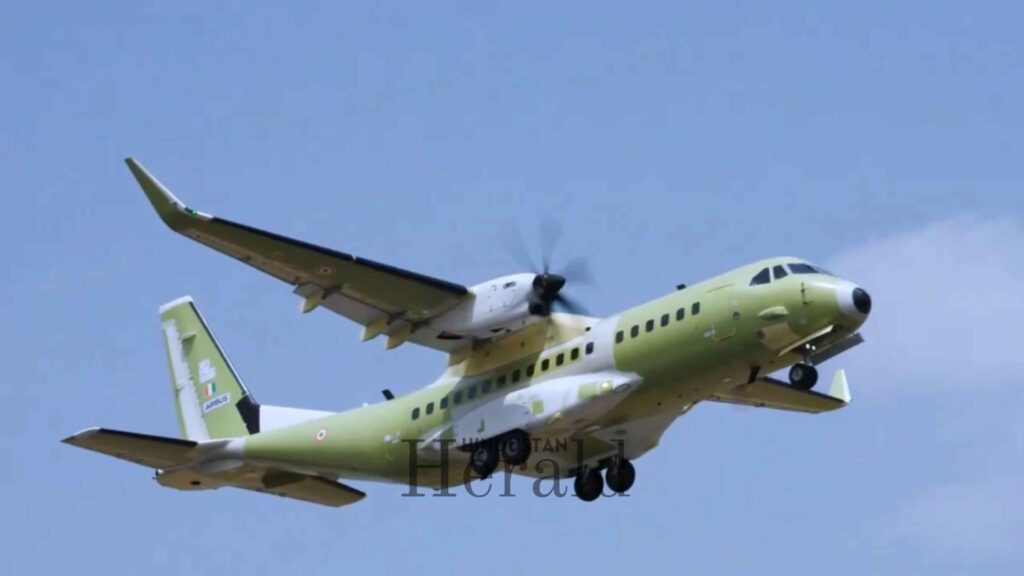
The plane itself is worth describing, because the IAF’s need for it is real and fairly urgent. The C295 is a twin-turboprop tactical transport. It can operate from short, unprepared runways. It can carry troops, cargo, and casualty evacuees. It works at high altitude and in difficult terrain. For a force that routinely operates in Ladakh, the Andaman Islands, and remote strips in the Northeast, those are not nice-to-have features. They are operational requirements.
The aircraft it is replacing, the Avro HS-748, has been in service since the 1960s. Some of the men who currently fly and maintain those planes were not yet born when those aircraft first entered service with the IAF. The C295 is not an upgrade. It is a rescue operation.
A Supply Chain That Nobody Talks About Enough
Here is something that tends to get buried in the headlines about test flights and delivery timelines. The Vadodara facility did not spring up in isolation. It is the anchor point of a supply chain that now involves more than 120 Indian companies, many of them small and mid-sized manufacturers who have spent the past few years learning to produce components and sub-assemblies to aerospace-grade specifications.
That network is the real long-term story here. Because whatever aircraft India decides to build next, whether that is an upgraded trainer, a next-generation transport, or something else entirely, there is now an ecosystem of vendors and suppliers who know how to work to that standard. That knowledge does not disappear when the last C295 rolls off the line. It compounds.
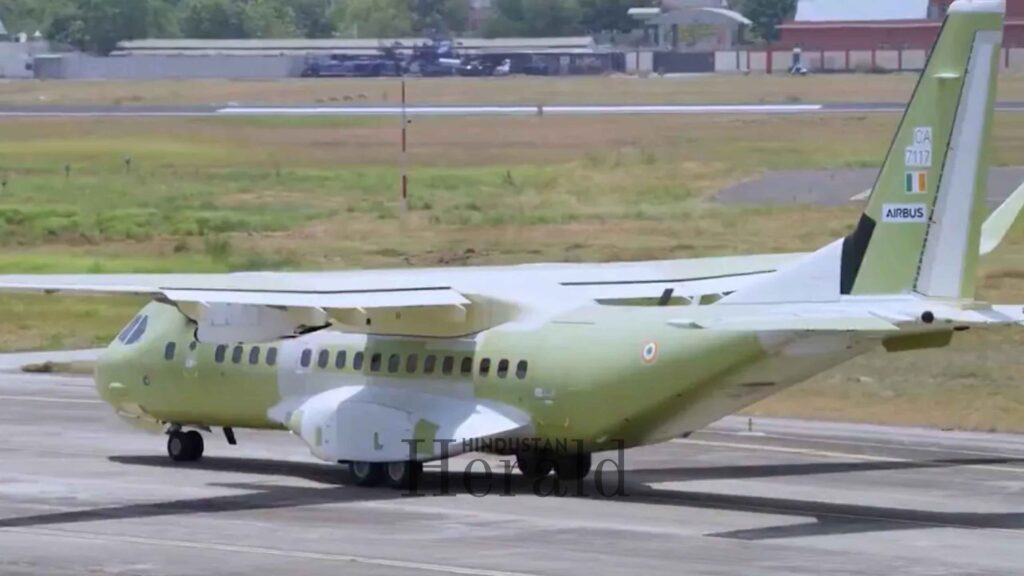
The Make in India push in defence has had its share of sceptics, and not without reason. Progress has been uneven. Timelines have slipped. Promises have occasionally outrun capability. But the C295 programme is a different kind of evidence. It is not a policy document or a targets-and-timelines chart. It is an aircraft that flew.
September Is the Next Hard Deadline
The test flight on Wednesday opens the door to the next phase, which is the full post-production certification and evaluation process. That takes time, and it is not a formality. The aircraft will fly again, multiple times, under conditions designed to stress-test its systems and validate its performance envelope. Only after that process is complete can a formal delivery be made.
The Indian Air Force is expected to receive this first aircraft in September 2026. That is roughly three months away. And given that the maiden flight went cleanly, the programme appears to be on track.
What happens in September carries weight beyond the handover itself. It will be the moment when the entire chain of decisions and investments, the government’s policy commitment, Tata’s industrial bet, Airbus’s decision to bring genuine technology transfer into the partnership, produces a tangible military asset in the hands of the people who will actually fly it.
The Larger Reckoning
India has held the title of the world’s largest arms importer for years running. That is not a distinction anyone in the defence establishment is proud of. It means money leaving the country. It means strategic dependence on foreign governments whose interests do not always align with India’s. It means that when a supplier decides to delay a shipment or restrict an upgrade, there is often very little recourse.
The C295 programme does not fix all of that overnight. It is one platform, one production line, one facility in Gujarat. But it demonstrates something that is harder to manufacture than aircraft parts: institutional confidence. The confidence that India’s private sector can handle complex defence manufacturing. That technology transfer agreements can be structured to actually transfer technology. That an Indian city, with Indian workers, building to international standards, can produce something that flies.
The men and women at the Vadodara assembly line have been working toward June 10 for years. Some of them are engineers with postgraduate degrees. Some are technicians who trained on the job. All of them knew, when that aircraft lifted off on Wednesday, exactly what they had been part of.
The rest of the country is still catching up.
Stay ahead with Hindustan Herald — bringing you trusted news, sharp analysis, and stories that matter across Politics, Business, Technology, Sports, Entertainment, Lifestyle, and more.
Connect with us on Facebook, Instagram, X (Twitter), LinkedIn, YouTube, and join our Telegram community @hindustanherald for real-time updates.

- Arun Upadhayay

- Arun Upadhayay
- Arun Upadhayay
- Arun Upadhayay




 Ananya Sharma and Rajiv Menon