
 By Herald Desk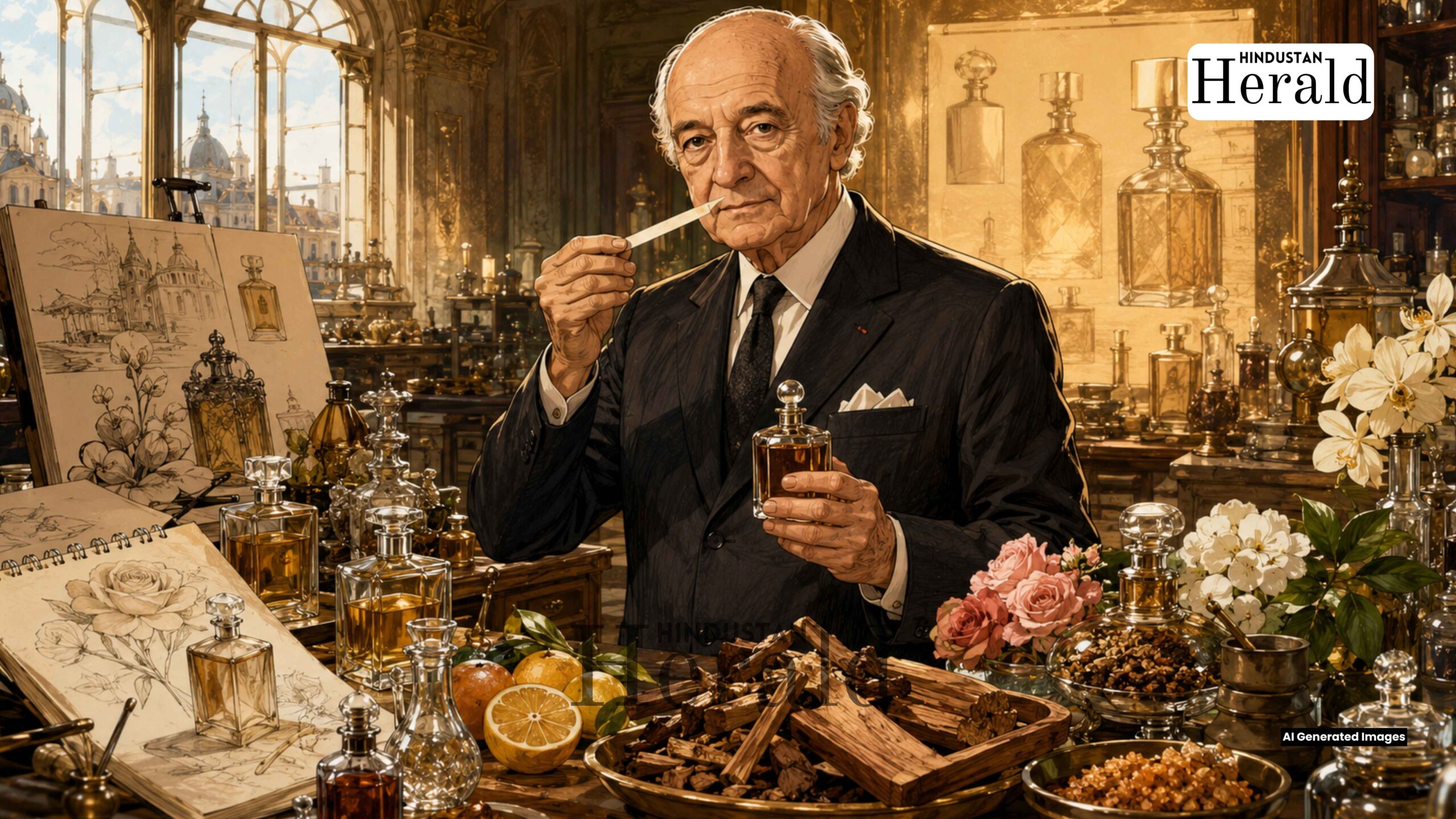
New Delhi, May 30: Eighty-two years. Six generations. More than two hundred fragrances. And a single philosophy that held it all together: the past is the strength of the future.
Olivier Creed is gone. The master perfumer who turned a small family fragrance operation into one of the most coveted luxury houses on the planet died on May 20, 2026. The House of Creed confirmed it on Instagram the following day, posting black-and-white photographs and a statement that, for once, did not read like something a communications team workshopped for an hour. It read like loss.
No cause of death was shared. He was 82.
What came after the announcement was telling. Fragrance executives wrote long, personal tributes. Forum communities that spend most of their time debating batch codes and formulation changes went quiet for a stretch. Competitors offered condolences without the usual diplomatic hedging. Even L’Oreal Luxe which had completed its acquisition of the House of Creed from Kering just weeks before his death responded with something that sounded less like a corporate statement and more like genuine feeling.
That tends to happen when someone who actually mattered leaves.
The House He Was Born Into
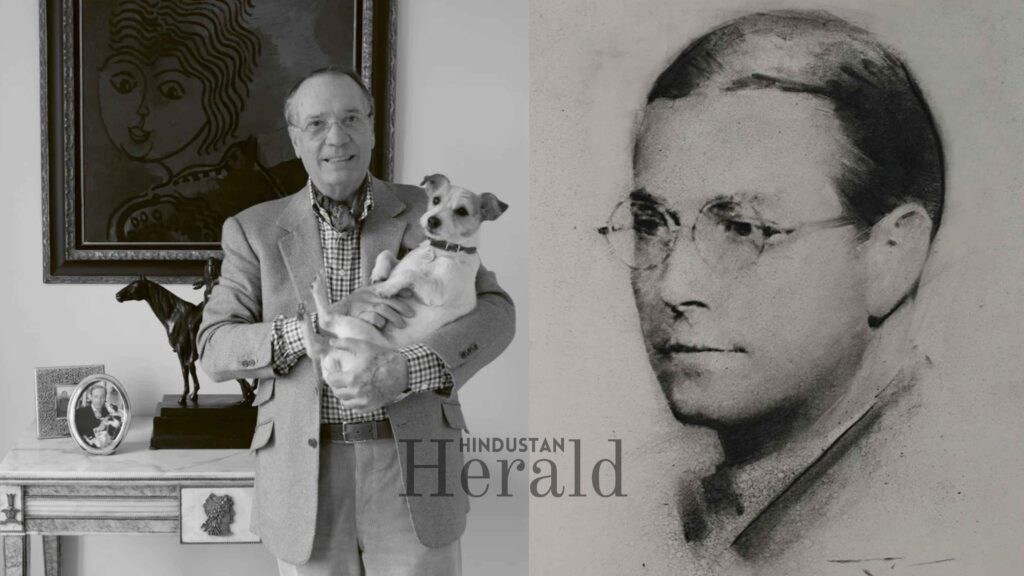
The House of Creed was founded in 1760 in London’s Mayfair by James Henry Creed, during the reign of King George III. It began as a tailoring establishment, dressing the English aristocracy before it gradually pivoted toward fragrance. By the time Olivier arrived in the world, the house had already outlasted empires, two world wars, and the entire social order it was originally built to serve.
He was born in Nice, during the Italian occupation of France in World War II. That detail alone tells you something about the era he came from. Not a comfortable, peacetime entry into a life of luxury. A birth into uncertainty, into a Europe that was still figuring out what it was going to be.
He was curious from the start. Immersed in the world of scents from a young age, he displayed an insatiable curiosity and passion for creativity that would eventually define every professional decision he made. But before he touched a single raw material, he went to art school. He studied painting at the Ecole des Beaux-Arts in Paris, and his time alongside renowned French painter Georges Braque gave him a deep understanding of how art and fragrance operate on the same emotional register.
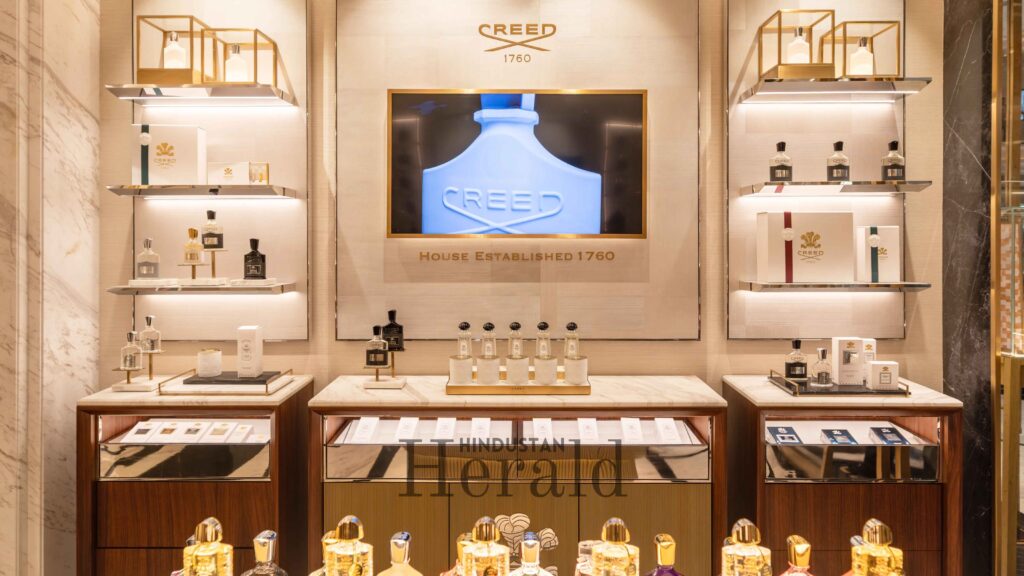
People sometimes treat that detail as a charming footnote. It was not. It was the entire foundation. For Olivier, perfumery was never a burden. It was a field of expression, a canvas on which he painted olfactory visions. He moved between brushes and bottles, letting his imagination drift between noble raw materials and memories of places he had been. The artist’s eye the ability to see a composition as a whole, to understand when something is complete and when it is still missing something that came from the Beaux-Arts years and it never left him.
Eighteen, and the Weight of Everything That Came Before
He was eighteen when he began working in the family business alongside his father, James Creed. There was no fanfare around it. No ceremony. Just a young man stepping into something enormous and deciding, quietly, that he was going to be equal to it.

His grandmother helped him through those early years more than almost anyone. She gave him a mould to make the bottles. His father’s guidance was direct: if your passion is for fragrances, then go for it.
That is the kind of encouragement that sounds simple and is actually everything.
What Olivier inherited was a house producing roughly 1,000 bottles a year. What he left behind was a global luxury phenomenon. The gap between those two numbers is not a business story, though it is that too. It is the story of a man who travelled the world looking for the right ingredients, who built relationships with producers over years and decades, who refused to let the formula become more important than the feeling it was supposed to create.
The Perfumes Themselves
There has always been some degree of controversy around the House of Creed. Questions about its founding mythology. Debates in fragrance communities about creative attribution. Those conversations have been loud at times, and they were not always without basis.

But the fragrances themselves have consistently made those arguments feel secondary.
Olivier Creed was associated with fragrances that became genuine staples in enthusiast and luxury retail circles alike Green Irish Tweed, Silver Mountain Water, Millesime Imperial, and of course, Aventus.
Green Irish Tweed is the one that serious fragrance people tend to come back to when they want to explain what the house actually stood for at its best. Released at a time when masculine perfumery leaned heavily into power and aggression, it arrived clean, quiet, and completely self-assured. It was reportedly a signature scent of Cary Grant. There is probably no better shorthand for what it was trying to be.
In 2005, Olivier created Love in White. Laura Bush received the first bottle that year and sent a personal note of thanks back to Paris. Michelle Obama was also reported to wear it regularly. In 2006, Kate Middleton received the first bottle of Creed Royal Ceylan. The house had always attracted a certain kind of person. These were just the names that became public.

Then came Aventus, launched in 2010 to mark the house’s 250th anniversary. Blackcurrant, bergamot, pineapple on the opening. Birch and oakmoss underneath, giving it weight and direction. It became, rapidly and somewhat unexpectedly, a cultural object not just a successful fragrance. Collectors track batch variations with the focus of art dealers. Forum threads on Aventus run longer than most academic papers. Imitations appeared within months and have never really stopped. It reshaped men’s luxury scent culture in ways that are still being felt, and it did so without ever going mass market. That combination genuine cultural reach, sustained exclusivity is nearly impossible to engineer. Olivier Creed did not engineer it. He just made something honest, and the world responded.
Across the generations, the Creed family produced more than 200 perfumes, from Aventus to Viking to Himalaya to Green Irish Tweed. Two hundred bottles of intention, each one rooted in a specific place, a specific material, a specific moment he was trying to preserve.
Going to Find the Ingredients Himself
This is the part of the story that does not get told often enough.
Olivier Creed travelled the world in search of the finest raw materials, forging enduring relationships with trusted producers and shaping the house’s distinctive Art of Millesime. The Millesime concept came from winemaking. The idea was that a fragrance, like a vintage, could carry the character of a specific year and batch. That variation was not a defect to be corrected but a quality to be preserved.
In an industry that has moved steadily toward standardisation and synthetic substitution, that was a form of principled stubbornness. It cost more. It made scaling the business genuinely difficult. And it meant that bottles from different periods had slightly different characters, which is exactly what drove the collector communities wild in both directions.
He sourced the rarest sandalwood from Mysore. The most fragrant lemons from Sicily. He viewed each fragrance as a work of art, not a product, and he approached sourcing the way a painter approaches pigment with the understanding that the quality of the material shapes everything that comes after.
The Mysore connection is worth noting specifically for an Indian readership. The finest sandalwood from the Mysore region of Karnataka has long been regarded as among the most valuable fragrance raw materials in the world. Olivier Creed did not take that on faith. He went and found it himself, built relationships with the people who grew and harvested it, and understood what it could do in ways that most perfumers working from laboratory briefs simply never could. That thread between Indian raw material and French haute perfumery ran through some of the most beloved Creed fragrances, and he is the reason it was there.
The Son Who Watched and Learned
Erwin Creed gravitated toward the family business naturally. His father did not push him. He loved watching his father’s alchemy, the search for the perfect mixture of aromatic ingredients. There is a story, told warmly, of Erwin as a child filling a bathtub with scented shower gels and jumping in. No water. Just fragrance. There are worse ways to develop a professional instinct.
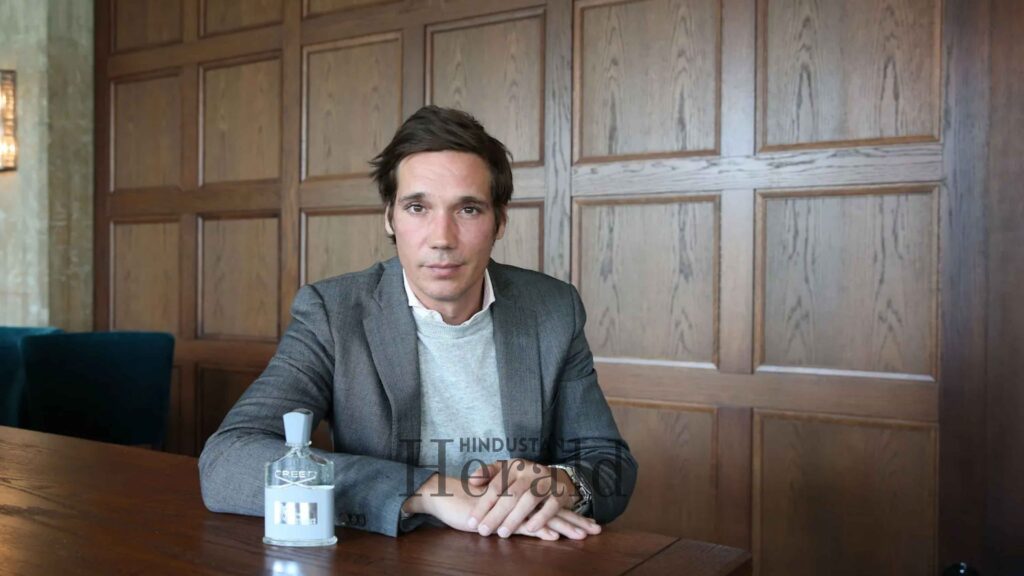
Father and son worked together in the house’s factory in Fontainebleau, creating artisanal fragrances in a setting that Olivier described with characteristic directness: “My father always encouraged me not only to study but also to experiment. Perfumes, fabrics, paint it all still interests me today. I’m not someone who can stay in his lab, not going anywhere.”
That restlessness was probably the most important thing he ever modelled for his son. The understanding that creativity does not live in a single location. That you have to keep moving, keep looking, keep being surprised by things you did not expect to find.
Erwin, who served as his father’s Co-Creative Director, now carries the house forward as its seventh-generation steward. He does so in circumstances that Olivier himself likely could not have fully anticipated when he first handed his son a formula and watched him try to understand it.
The Business That Grew Too Big to Stay in One Family
Creed was acquired by Kering in 2023 in a deal reportedly valued at 3.5 billion euros, making it the first niche fragrance house absorbed into the Kering luxury group. It was a number that confirmed what Olivier had built. It was also, depending on how you feel about these things, a signal that what he had built had finally outgrown the conditions that made it possible.
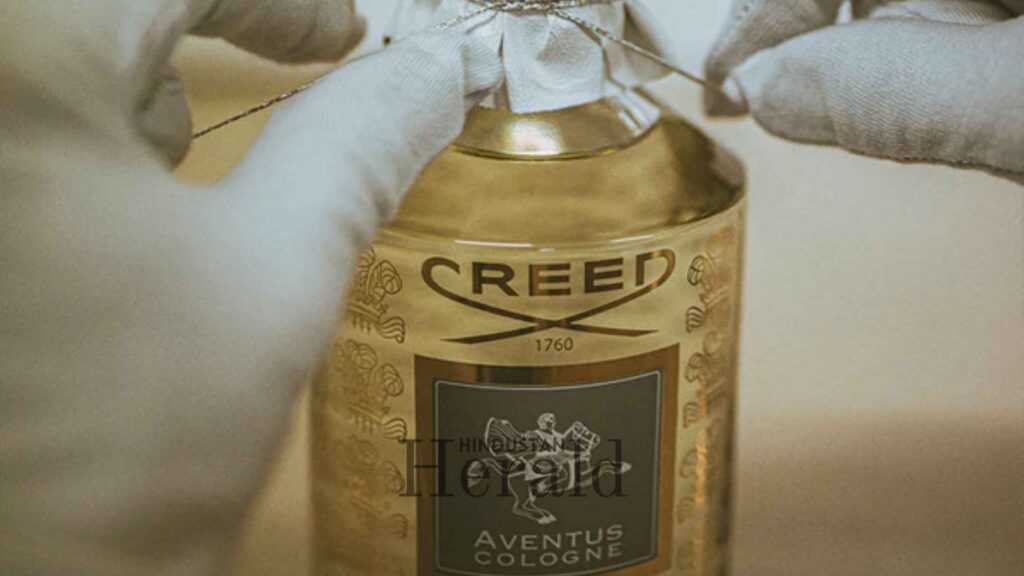
Then, just weeks before his death, L’Oreal completed its acquisition of the brand from Kering in April 2026. Olivier Creed died having watched the house change ownership twice in less than three years. Whether that weighed on him, or whether he had reached a point of acceptance about it, is not something the public statements reveal.
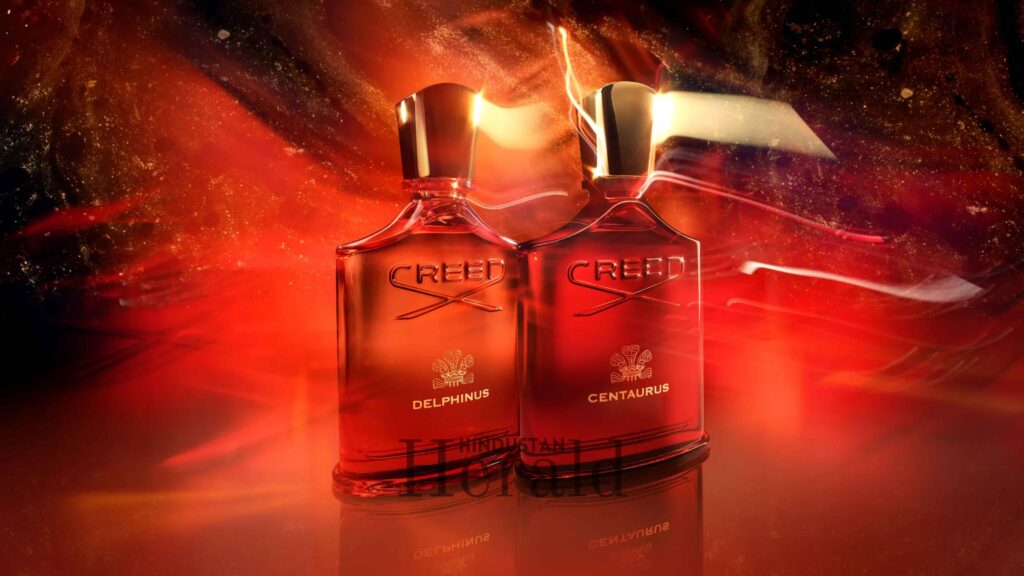
What those statements do reveal is that the people who now own the house understand what they are holding. L’Oreal Luxe noted that Olivier’s legacy was defined by “a deep commitment to craftsmanship, a pursuit of beauty, and a profound respect for materials and people” qualities that live quietly but powerfully within the maison.

House of Creed CEO Nathalie Berger-Duquene chose to close her tribute with his own words: “The past is the strength of the future.”
What That Line Actually Meant
It would be easy to let a phrase like that do decorative work and nothing else. But it was a genuine operational philosophy, not a tagline.
Olivier Creed did not innovate by discarding what came before him. He innovated by understanding the tradition so completely its logic, its materials, its emotional grammar that he knew which parts of it had room to move and which parts absolutely did not. Green Irish Tweed was not a rejection of what masculine fragrance had been. It was a deep understanding of it, advanced with a specific and confident point of view. Aventus was not a product developed from a consumer brief. It was the work of someone who had spent fifty years understanding what makes a fragrance endure on skin, in memory, across decades.
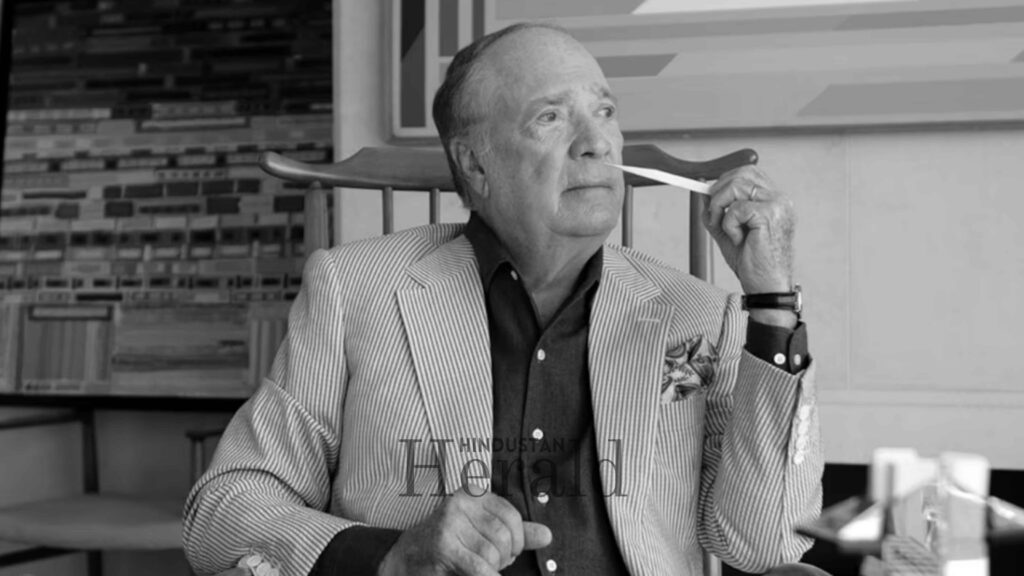
His death marks the end of a defining chapter for heritage-led luxury perfumery, arriving precisely at a moment when consolidation is accelerating across the beauty industry. That timing is not incidental. The world he spent six decades navigating one where a family-owned house could hold its ground against corporate acquisition on the strength of craft and reputation alone is more or less gone now. He was one of the last figures who genuinely embodied that world rather than just invoking it in marketing copy.
Still, the bottles remain.
Someone today is buying their first Aventus without knowing anything about what went into it or who spent years thinking about it. Someone else is smelling Green Irish Tweed on a stranger and trying to place it. Somewhere, a bottle of Millesime Imperial is being opened for the first time and doing what it was always designed to do transporting someone, briefly, to a place they have never actually been but somehow recognise.
Olivier Creed spent 82 years building toward those seconds. He did not make perfume in any ordinary sense of the word. He made the kind of thing that stays with people long after they have forgotten the occasion on someone they once loved, in a hotel room in a city they may never return to, on a train in winter with the heat coming through the window and everything briefly, unexpectedly fine.
That is what is gone.
And, quietly, that is what stays.
Stay ahead with Hindustan Herald — bringing you trusted news, sharp analysis, and stories that matter across Politics, Business, Technology, Sports, Entertainment, Lifestyle, and more.
Connect with us on Facebook, Instagram, X (Twitter), LinkedIn, YouTube, and join our Telegram community @hindustanherald for real-time updates.

- Herald Desk

- Herald Desk
- Herald Desk
- Herald Desk




 Shelesh Joshi and Kavita Iyer