
 By Shelesh Joshi and Rajiv Menon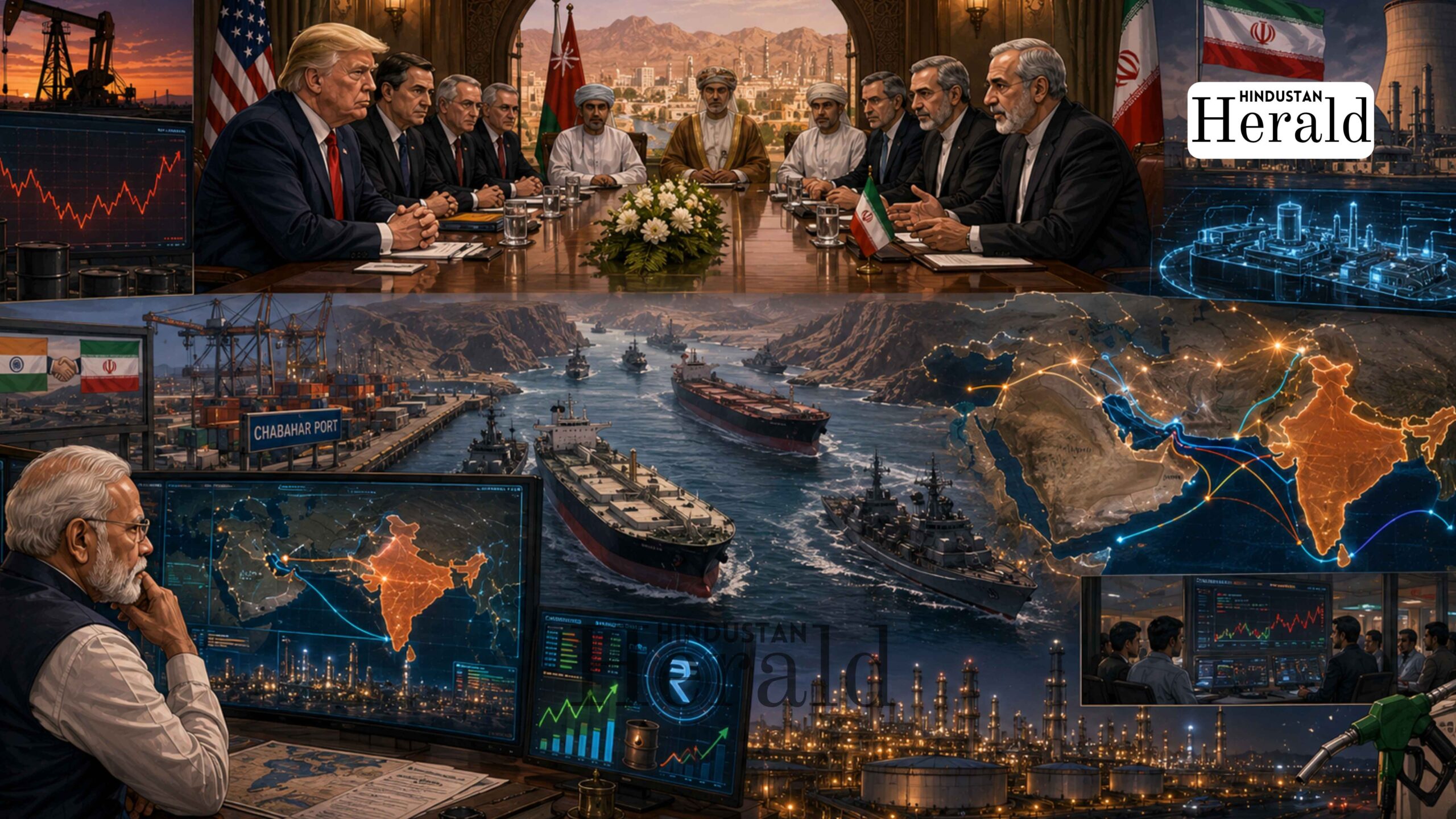
New Delhi, May 25: Something that seemed almost unthinkable at the start of this year is now, cautiously, within reach. The United States and Iran are on the verge of a ceasefire and nuclear framework agreement that could end the 2026 Iran war, reopen the Strait of Hormuz, and trigger the most consequential nuclear negotiations since the 2015 JCPOA.
For India the world’s third largest oil importer with billions tied to Gulf energy and the Chabahar port the outcome of the next 72 hours may matter more than any foreign policy development in years.
A Long Road to This Moment
Let us go back to April 2025, because that is where this story really starts. Trump had just sent a letter to Ayatollah Ali Khamenei. Diplomats raised their eyebrows. The Iranians, ground down by years of sanctions and a domestic economy that had been quietly unravelling for years, agreed to sit down. Oman offered its usual role as the quiet room where enemies talk without admitting they are talking. Italy provided an embassy in Rome for later rounds. Five rounds of negotiations followed, and by February 2026, people who spend their careers reading between the lines of diplomatic communiques were saying, carefully, that something real might be happening.
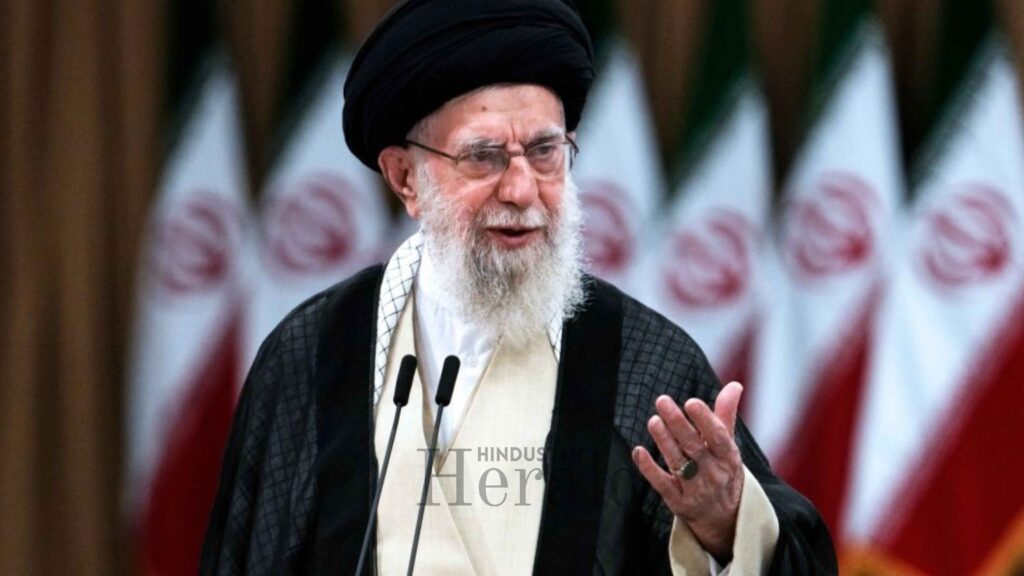
Then Israel struck Iran’s nuclear and military sites in June 2025, and the whole thing collapsed overnight. Tehran suspended cooperation with the IAEA. Europe triggered the snapback mechanism under the JCPOA. The Iranian rial fell off a cliff. By December 2025, Iranians were in the streets, and the government’s response was the kind that leaves scars on a society for generations.
By February 28, 2026, nobody was talking anymore. The United States and Israel launched coordinated large scale strikes on Iran killing its Supreme Leader, destroying military infrastructure, hitting nuclear facilities that years of diplomacy had failed to close. The 2026 Iran war had begun. The Strait of Hormuz shut down. Global oil markets went into a kind of controlled panic. American inflation spiked. And countries like India, which sit at the receiving end of Gulf energy disruption without any ability to control it, started feeling the pain almost immediately.
How the Ceasefire Came Together
The intense phase of fighting lasted less than two weeks. What followed was messier, slower, and considerably more nerve wracking. Pakistan stepped in on April 8 and brokered a two week pause. Nobody had really pencilled Islamabad in for the role of West Asia peacemaker, but Army Chief Asim Munir turned out to be both willing and capable. He shuttled between capitals, carried proposals, absorbed frustration from both sides, and somehow kept the channel open.
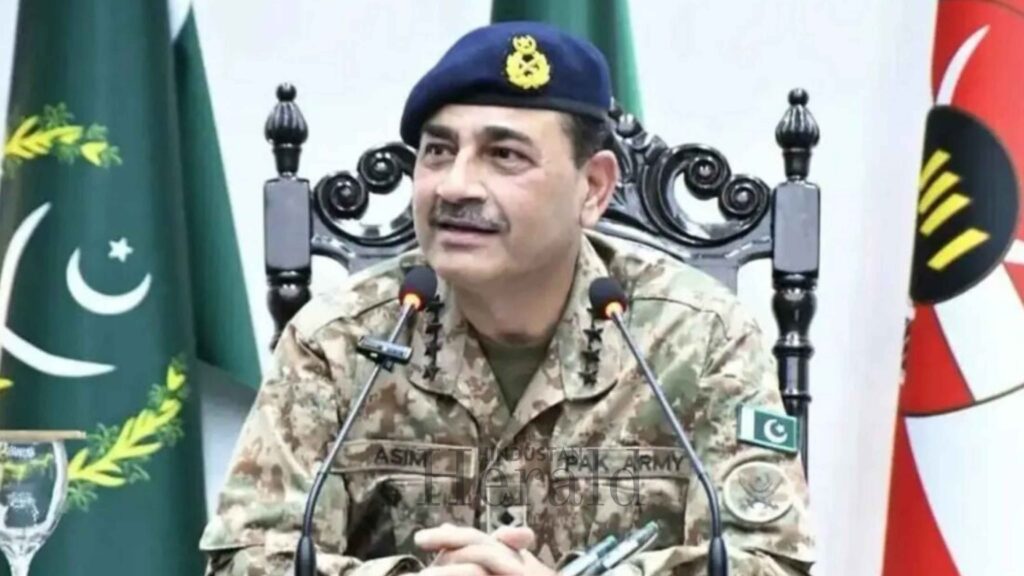
Trump, meanwhile, was not making it easy. He talked about “unconditional surrender.” He set a deadline of March 21, blew past it, reset it to March 23, blew past that, then tried April 7. Each time, Pakistan found a way to extend the pause just long enough for the next conversation. Slowly, the shape of a deal emerged.
As of May 24, reporting from The Washington Post, CNN, and Washington Times all describe the same essential framework. There would be a memorandum of understanding extending the ceasefire by 60 days. The Strait of Hormuz would be demined and reopened. Iran would be allowed to sell oil again through sanctions waivers. Frozen Iranian assets would start to move through a negotiated process. And the harder, deeper questions enrichment, centrifuges, ballistic missiles would be pushed into a second phase of talks.
Trump said on Saturday the deal is “largely negotiated” and will be announced soon. Whether “soon” means Monday or means sometime next month is a question only Trump’s social media feed can answer, but the direction is clear.
The Nuclear Problem Has Not Gone Away
Here is what this deal actually is, and what it is not. It is a breathing space. It is a Hormuz reopening. It is a 60 day window for harder talks to happen. What it is not is a solution to the problem that started all of this. Iran’s enriched uranium stockpile is still sitting there. The initial framework includes no requirement for Tehran to export or destroy it. The US has spent the better part of two years insisting on “zero enrichment.” Iran has spent the same two years insisting, just as consistently, that it has the sovereign right to enrich though it has left the door open on how much and to what level.
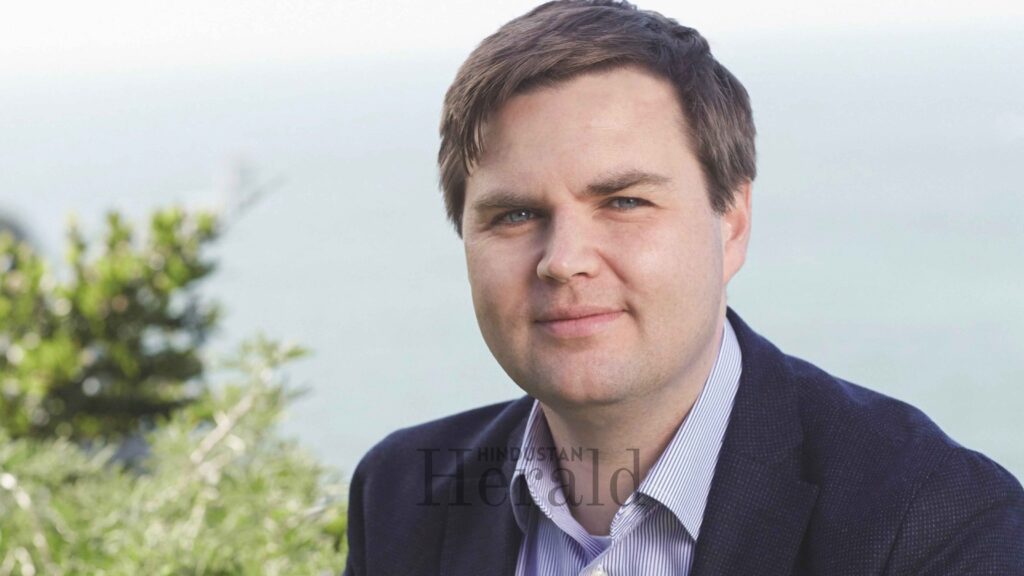
Vice President JD Vance put the American core ask simply enough: Iran commits, verifiably, that it will never seek a nuclear weapon and will never acquire the tools to quickly build one. That is a reasonable thing to want. Getting it in legally binding, verifiable, politically sustainable form is another matter entirely.
House Speaker Mike Johnson says he is “very confident” the deal will keep Iran from going nuclear. His confidence may or may not survive contact with the Senate, where Iran hawks will treat every line of any final agreement as a potential campaign issue. The politics of being seen as soft on Iran do not go away just because there is a ceasefire.
None of this makes the current framework worthless. A 60 day window where neither side is shooting at the other and ships can move through Hormuz is genuinely better than what existed last week. It is a floor, not a ceiling.
Reading the Region
Israel is the variable that never sits still. Netanyahu thanked Trump after reports of the framework emerged, which is the diplomatic equivalent of a yellow traffic light he is not slamming the brakes, but he is not accelerating either. The fact that the initial deal does not require Hezbollah to disarm is a genuine irritant in Tel Aviv. Israeli pressure on Washington to get tougher nuclear terms before any formal signing is not going away, and it will shape whatever the second phase of talks looks like.
Saudi Arabia has been quieter than anyone expected through all of this. Since the China brokered Iran rapprochement in 2023, Riyadh has stopped playing the role of the loudest voice against Tehran. The Saudis want their ports working, their energy infrastructure intact, and their region stable. On those three counts, this framework works for them.
Pakistan walks away from this with something it has not had in a long time genuine credibility as a regional peacemaker. Whether Islamabad can sustain that role through the far more difficult second phase of nuclear talks is an open question, but the foundation it has built here is real.
The Houthis remain an unresolved problem. Iran has been their weapons supplier and political backer. Whatever Tehran agrees to on paper, the question of whether the Houthi relationship can actually be wound down through a diplomatic signal is one that nobody in this negotiation is answering honestly yet.
Three Reasons India Cannot Afford to Look Away
Strip away the geopolitics and get to what this means in rupees and strategic real estate, and India’s stake in this negotiation becomes very obvious very quickly. There are three specific reasons why New Delhi needs to be doing far more than watching.
Reason 1: India’s Energy Bill Is Bleeding and Hormuz Is the Wound
India spends over $130 billion a year on petroleum imports. Gulf crude is not optional it is built into the structure of the economy. Since the Strait effectively closed, the damage to India’s energy bill, its current account, its inflation figures, and the Indian rupee has been serious and sustained.
We have already reported at length on how the Hormuz blockade has been crushing India’s economy the numbers are stark and the pain is real across every import dependent sector of the country.
A Hormuz reopening will help. But not right away and not completely. ADNOC CEO Dr. Sultan Al Jaber said this week that full oil flows will not return until the first or second quarter of 2027, and even that assumes the framework holds and demining goes smoothly. India’s energy planners cannot wait for the official announcement to start working those scenariosthe planning needed to happen yesterday.
Reason 2: Chabahar Is India’s Most Important Strategic Asset and It Is Slipping Away
This is the part of the story that Indian public discourse has been frustratingly slow to engage with seriously, and it deserves direct attention.
India has put at least $120 million into the port’s Shahid Beheshti terminal. It signed a 10 year operating contract. It lobbied Washington hard across multiple administrations for sanctions exemptions and got them, until September 2025, when the Trump administration revoked the Chabahar carveout along with every other Iran related exemption.
India managed to extend the waiver until April 26, 2026, reportedly after giving Washington assurances about winding down operations there. The opposition called it capitulation. The government called it pragmatism. Neither characterisation is entirely wrong.
As Al Jazeera reported in April 2026, India’s most ambitious connectivity project in its extended neighbourhood now potentially faces a dead end, with no clear signal from Washington that the exemption is coming back anytime soon.
Chabahar is not just a port. It is India’s only land corridor to Afghanistan and Central Asia that does not run through Pakistan. It is the western anchor of the International North South Transport Corridor. It is the clearest physical expression of India’s ambition to be a power in its own extended neighbourhood rather than a spectator to Chinese infrastructure dominance across the region.
If a peace framework leads to a genuine sanctions rollback and that is a real possibility in the second phase of talks India needs to be first in line to reassert its position at Chabahar. Not with another round of careful, hedged commitments. With real money, real timelines, and real political will at the highest level.
Reason 3: India’s Strategic Silence Has a Shelf Life
India has been quiet throughout the 2026 Iran war. That is an understandable and largely defensible posture when the guns are firing. But silence is a holding position, not a strategy and its shelf life is running out.
A post war West Asia with a weakened Iran, a Pakistan whose regional credibility has just risen sharply, and a China that never stopped building across the region will not wait for New Delhi to finish deliberating. The diplomatic environment that emerges from this ceasefire will reward countries that come in with clear intent, early and decisively.
India has the relationships, the resources, and the strategic rationale to be a serious player in post war West Asian reconstruction and diplomacy. What it needs now is the political will to match the moment and a clear articulation from the Ministry of External Affairs of what India actually wants from a post war Iran and a reshaped Gulf. The window will open. The question is whether India walks through it or watches someone else do so.
What the Next Few Weeks Will Tell Us
Trump says the announcement is coming. The 60 day clock, once it starts ticking, will move fast. The second phase is where this gets truly difficult. Zero enrichment versus the sovereign right to enrich is not a gap that splits the difference easily. Iran’s post war leadership, whoever consolidates power in what is now a deeply uncertain internal environment, will face enormous domestic pressure to hold the line on sovereignty. The American Congress will push back on anything that looks like Iran got off lightly.
Israeli objections, Houthi complications, the ballistic missile question all of it sits waiting in the second round like problems nobody had the appetite to open today. For now though, if Hormuz reopens and stays open, that changes the immediate picture for everyone. Oil moves. Freight rates come down. The worst case scenario a permanently closed strait gets taken off the table.
That is not a small thing, even if it falls well short of what was ultimately needed. The floor of this deal is real. The ceiling is still a very long way up. India should be planning, urgently and seriously, for both.
Stay ahead with Hindustan Herald — bringing you trusted news, sharp analysis, and stories that matter across Politics, Business, Technology, Sports, Entertainment, Lifestyle, and more.
Connect with us on Facebook, Instagram, X (Twitter), LinkedIn, YouTube, and join our Telegram community @hindustanherald for real-time updates.

Tracking world politics, global markets, trade movements, policy decisions, and the changing balance of economic power.
- Shelesh Joshi

- Shelesh Joshi
- Shelesh Joshi
- Shelesh Joshi


Specializes in South Asian geopolitics and global diplomacy, bringing in-depth analysis on international relations.
- Rajiv Menon
- Rajiv Menon
- Rajiv Menon
- Rajiv Menon

 Rajiv Menon and Ananya Sharma