
 By Shelesh Joshi and Kavita Iyer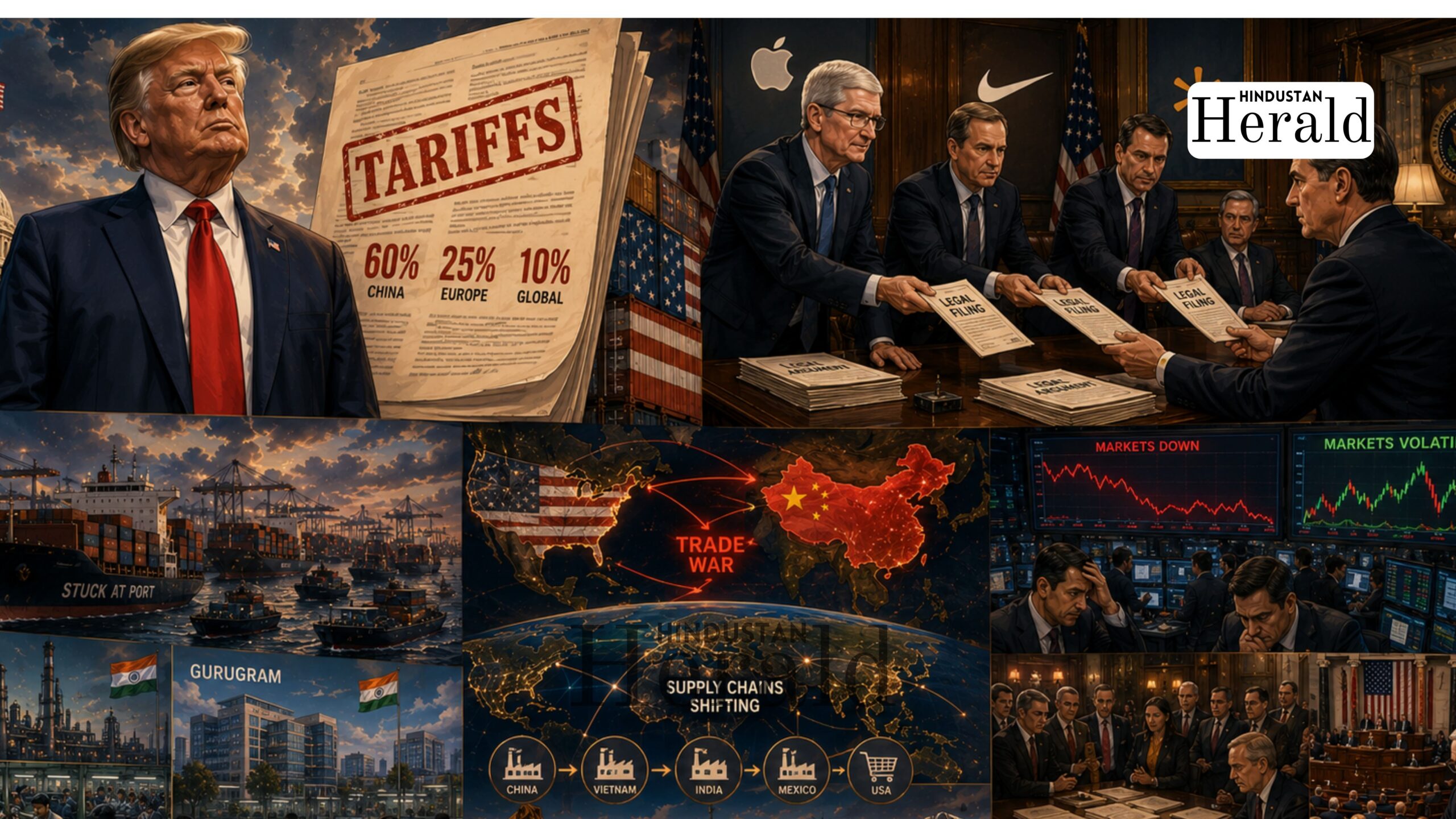
Washington D.C. / New Delhi, May 25: Picture the scene. A Fortune 500 CFO steps to the podium at an earnings call, looks gravely into the camera, and tells analysts that Trump’s tariffs are destroying margins. Meanwhile, downstairs, a legal team quietly files for Trump tariff refunds. The stock dips. Investors shuffle. A few senators take note.
Then, three weeks later, the same company’s trade compliance team quietly files for Trump tariff refunds through a federal agency in Washington, asking to be exempted from the very duties the CFO just spent fifteen minutes publicly mourning.
This is not a hypothetical. Trump tariff refunds are now being chased by the same companies that went on record loudly condemning the policy Apple, Nike, Walmart, and dozens of others through every legal mechanism available to them. The Trump tariff refunds race is one of the most consequential, and least publicly discussed, legal mobilisations in modern American trade history. And nobody is talking about it very loudly.
A Blizzard of Trump Tariff Refunds Petitions in Washington
Since Trump’s “Liberation Day” tariff orders landed in April 2025, the US Office of the United States Trade Representative (USTR) and the Department of Commerce have been buried in paper.
Thousands of Section 301 exclusion petitions, Section 232 exclusion requests, and Section 201 safeguard exemption filings all pathways to securing Trump tariff refunds have poured into federal agencies from companies of every size and sector. The tariff orders were sweeping in their ambition. Duties of up to 145 per cent on Chinese goods and a baseline 10 per cent on most other trading partners were announced with the kind of rhetorical force that suggested immovability.
In practice, every blanket tariff regime in American history has come packaged with an escape hatch. Companies that can prove genuine hardship have always been able to pursue Trump tariff refunds through product by product exemption processes.
That escape hatch is now very, very busy. According to data from the Peterson Institute for International Economics (PIIE), US companies paid an estimated $80 billion in additional import duties in the twelve months after Trump’s second term tariffs began taking hold. The financial scale of potential Trump tariff refunds is, therefore, enormous.
That number is going up, not down. Sector specific duties on semiconductors, pharmaceuticals, steel, aluminium, and automobiles are still rolling out through 2025. For historical reference, the US International Trade Commission (ITC) handled around 52,000 product specific exclusion petitions during Trump’s entire first term from 2018 to 2021. Trade lawyers say 2025 Trump tariff refunds filings could easily exceed that figure.
Fewer than one in five of those earlier petitions were approved. But for companies staring at nine figure duty bills, even a long shot Trump tariff refunds claim is worth the cost of a legal team.
How Apple, Nike, and Walmart Are Playing Both Sides on Trump Tariff Refunds
The most striking thing about this story is not that companies are pursuing Trump tariff refunds. That is sensible and legal. What is striking is which companies are doing it and the gap between their public posture and their private behaviour.
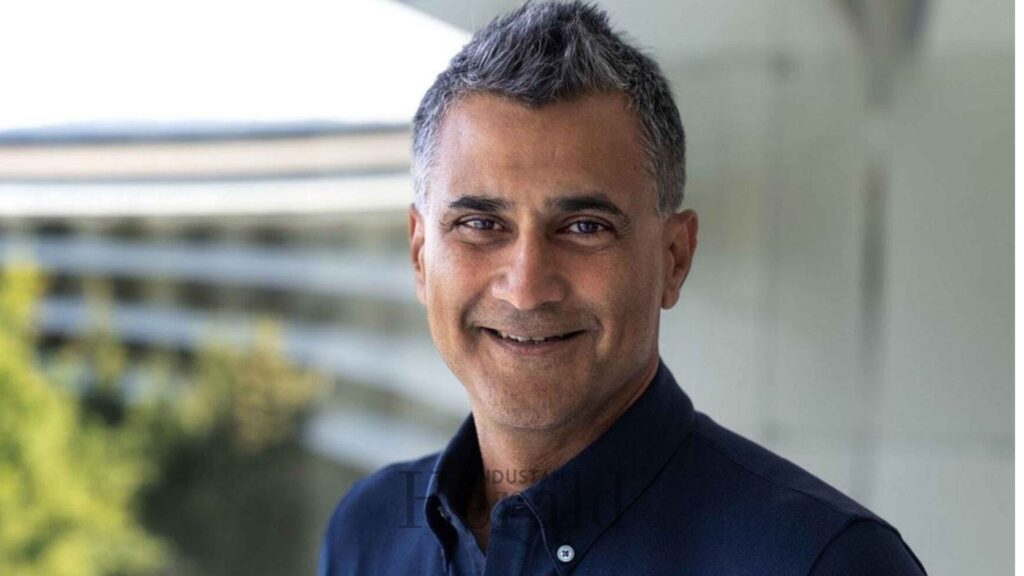
Apple Inc. was among the first major corporations to frame tariffs as a serious executive level threat. Chief Financial Officer Kevan Parekh told analysts on Apple’s most recent earnings call that the company faced “material headwinds” from the tariff environment and was “evaluating all available trade relief mechanisms.” In trade law terms, that phrase is a formal signal that Trump tariff refunds petitions are already in motion.
Apple imports a large share of its iPhones, AirPods, and MacBooks from Foxconn and Pegatron facilities in China and Vietnam. The company is genuinely trying to diversify its India push through Tata Electronics and Foxconn’s Chennai operations is real and growing. But that transition takes years, not quarters. In the meantime, Trump tariff refunds buy time and protect margins.
Nike told investors it faced “significant tariff exposure on footwear imported from Vietnam and China,” and its fiscal year 2024 annual report flagged tariff risk as a top level business concern.
According to reporting by the Wall Street Journal, Nike has since hired trade counsel specifically to file Trump tariff refunds requests with the USTR. The company still sources the overwhelming majority of its footwear from Southeast Asia and China. Winning Trump tariff refunds, even partially, would meaningfully change its cost structure. Then there is Walmart. CEO Doug McMillon was about as public as a CEO can be, warning in an earnings call that Walmart would have no choice but to “raise prices” across thousands of product categories if tariffs held. His comments made headlines and put real pressure on the White House.
What was less widely reported was that Walmart’s trade compliance team was, at that same time, filing for Trump tariff refunds across a broad range of consumer goods lines, as reported by Bloomberg. The public heat and the private Trump tariff refunds paperwork were running in parallel.
General Electric, 3M, and a cluster of mid sized automotive parts importers have also been identified as active Trump tariff refunds petitioners, according to data from the American Association of Importers and Exporters (AAIE).
The Mechanics of Getting Trump Tariff Refunds Approved
The exclusion system is genuinely complex, and understanding it helps explain why large companies have such an advantage in securing Trump tariff refunds.
Under Section 301 of the Trade Act of 1974 the legal authority underpinning most China specific tariffs a company can petition USTR to exempt a specific product from duties. To get Trump tariff refunds approved, the petition needs to show one of three things: that the tariff is causing severe economic harm, that the product is not strategically sensitive, or that no viable domestic source exists.
The most valuable feature of the Trump tariff refunds process is retroactivity. If a company files today and USTR approves it eight months from now, the approved amount covers all duties paid from the filing date forward. The financial clock starts the moment the paperwork goes in.
Section 232, which covers tariffs imposed for national security reasons think steel, aluminium, and now certain electronics offers a parallel Trump tariff refunds pathway through the Department of Commerce. Here, a company needs to show that domestic production simply cannot meet its needs.
These Trump tariff refunds reviews are slow. The USTR has historically taken six to eighteen months to process exclusion requests, and approvals are discretionary. But the maths is compelling. A company importing half a billion dollars of Chinese goods annually, facing 145 per cent duties, is looking at a tariff bill that dwarfs the cost of even an expensive legal team. Pursuing Trump tariff refunds is not just worthwhile for a CFO with fiduciary obligations, failing to file would be harder to justify.
What Trump Tariff Refunds Mean for India
India is watching this trade drama with more skin in the game than most people realise. The Liberation Day orders applied a 10 per cent baseline tariff to Indian exports, hitting sectors that Indian industry had spent years building competitiveness in textiles, gems and jewellery, pharmaceuticals, and engineering goods. It was a significant setback.
Since then, the Ministry of Commerce and Industry has been in sustained talks with the USTR on a bilateral trade package. According to sources cited by The Hindu Business Line, those negotiations could eventually result in India receiving a carve out from the baseline duty structure in exchange for market access concessions. The talks are ongoing and delicate.
The broader US China decoupling story, meanwhile, is creating real opportunities for Indian manufacturers particularly if Trump tariff refunds slow the pace at which US companies genuinely relocate supply chains.
Companies like Dixon Technologies, Tata Electronics, and Kaynes Technology have been positioned as credible long term alternatives to Chinese contract manufacturers. The government’s Production Linked Incentive (PLI) scheme has pushed capital in their direction.
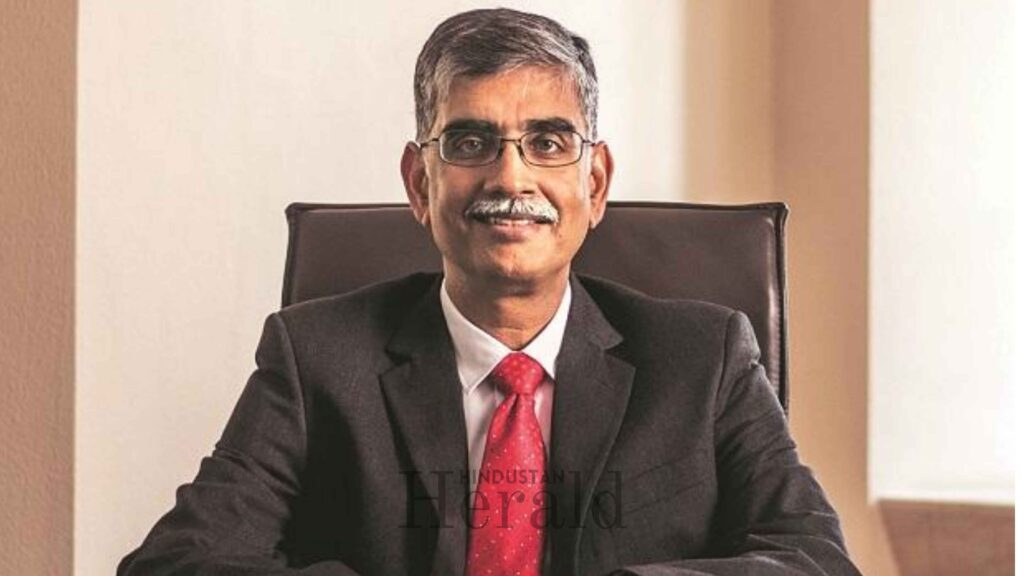
At a recent industry forum, Sunil D’Souza, Managing Director of Tata Consumer Products, noted that tariff volatility had created “a durable window of opportunity” for Indian manufacturers in electronics, pharmaceuticals, and specialty chemicals provided India moved urgently on logistics costs and regulatory clearance timelines.
The Uncomfortable Truth About Trump Tariff Refunds and Governance
Set aside the economics for a moment and just look at the optics of Trump tariff refunds filings. A company’s CFO goes on an earnings call, describes tariffs as a serious threat to profitability, and the stock drops two per cent. Retail investors sell. Institutional players reassess positions.
Then, quietly, the same company files for Trump tariff refunds that if approved meaningfully reduce the very exposure the CFO just warned about. Months later, the cost picture looks better than the market was led to expect. Is that manipulation? Legally, almost certainly not. Tariff exposure is a genuine material risk that must be disclosed. Using Trump tariff refunds mechanisms is both legal and expected.
Senator Elizabeth Warren pressed this point in a Senate Commerce Committee hearing in March 2025. Her concern was less about manipulation and more about equity that the Trump tariff refunds process is structurally tilted toward large corporations with specialised legal teams, leaving smaller importers to absorb the full burden.
Data from Trump’s first term supports her argument. A majority of approved Section 301 exclusions went to companies in the highest revenue bracket. The smaller the importer, the less likely it was to file for Trump tariff refunds and the less likely its petition was to succeed.
Still, it is hard to fault a company’s lawyers for doing their jobs. The Trump tariff refunds process exists precisely because policymakers have always recognised that blanket tariffs catch unintended products. The relief valve is built in by design.
The Investment Signals Worth Watching
For investors with exposure to India linked manufacturing and pharmaceutical stocks, the Trump tariff refunds race creates second order implications that are easy to miss.
The most important is timing. If large US companies succeed in winning Trump tariff refunds on their China sourced products even temporarily the urgency to physically relocate production diminishes. That slows the supply chain diversification into India that EMS stocks like Dixon Technologies and Kaynes Technology are partly priced on.
Indian pharmaceutical exporters face a specific risk. The Trump administration proposed duties of up to 25 per cent on imported medicines, partially stayed as of May 2025. The uncertainty has weighed on valuations for Sun Pharma, Cipla, Dr. Reddy’s, and Aurobindo Pharma. If US pharma companies win Trump tariff refunds for Indian sourced APIs, that signals deep dependency on Indian supply which cuts both ways as a negotiating argument.
For textile and apparel exporters like Welspun India, Gokaldas Exports, and KPR Mill, the calculus is straightforward. If Chinese suppliers cannot secure Trump tariff refunds, US buyers accelerate their India sourcing. The companies best placed to absorb that order flow quickly are the ones that will benefit most.
The Show That Plays Out Every Time
Here is the thing about American trade policy that often gets lost in the noise. The big announcement the presidential order, the tariff rate, the sweeping rhetoric is always Act One. It is designed to be dramatic, to send signals, to shift behaviour. Act Two, the quiet one, is the Trump tariff refunds process. It is where the policy actually lands. Petition by petition, the sharp edges of a blunt instrument get filed down by armies of trade lawyers working in relative obscurity.
This happened during Trump’s first term. It is happening now, at larger scale and higher stakes. India sits at the centre of that rethinking. Whether India’s policymakers, infrastructure, and regulatory environment can absorb the demand fast enough to turn a geopolitical tailwind into durable industrial capacity is the defining question.
The window is open. It is not infinitely patient. For now, the Trump tariff refunds race continues. The petitions pile up. Some will win, most will not. The companies making the most noise in public are the same ones working hardest in private to undo the damage through legal channels.
Washington has seen this movie before. It always ends the same way. The tariffs stay. The Trump tariff refunds multiply. The loudest critics recover quietly. And somewhere in a Chennai factory or a Gurugram pharmaceutical plant, an Indian manufacturer either capitalises on the moment or wonders, a few years from now, why it did not move faster when the door was open.
Stay ahead with Hindustan Herald — bringing you trusted news, sharp analysis, and stories that matter across Politics, Business, Technology, Sports, Entertainment, Lifestyle, and more.
Connect with us on Facebook, Instagram, X (Twitter), LinkedIn, YouTube, and join our Telegram community @hindustanherald for real-time updates.

Tracking world politics, global markets, trade movements, policy decisions, and the changing balance of economic power.
- Shelesh Joshi

- Shelesh Joshi
- Shelesh Joshi
- Shelesh Joshi




Former financial consultant turned journalist, reporting on markets, industry trends, and economic policy.
- Kavita Iyer
- Kavita Iyer
- Kavita Iyer
- Kavita Iyer




 Arun Upadhayay