
 By Rajiv Menon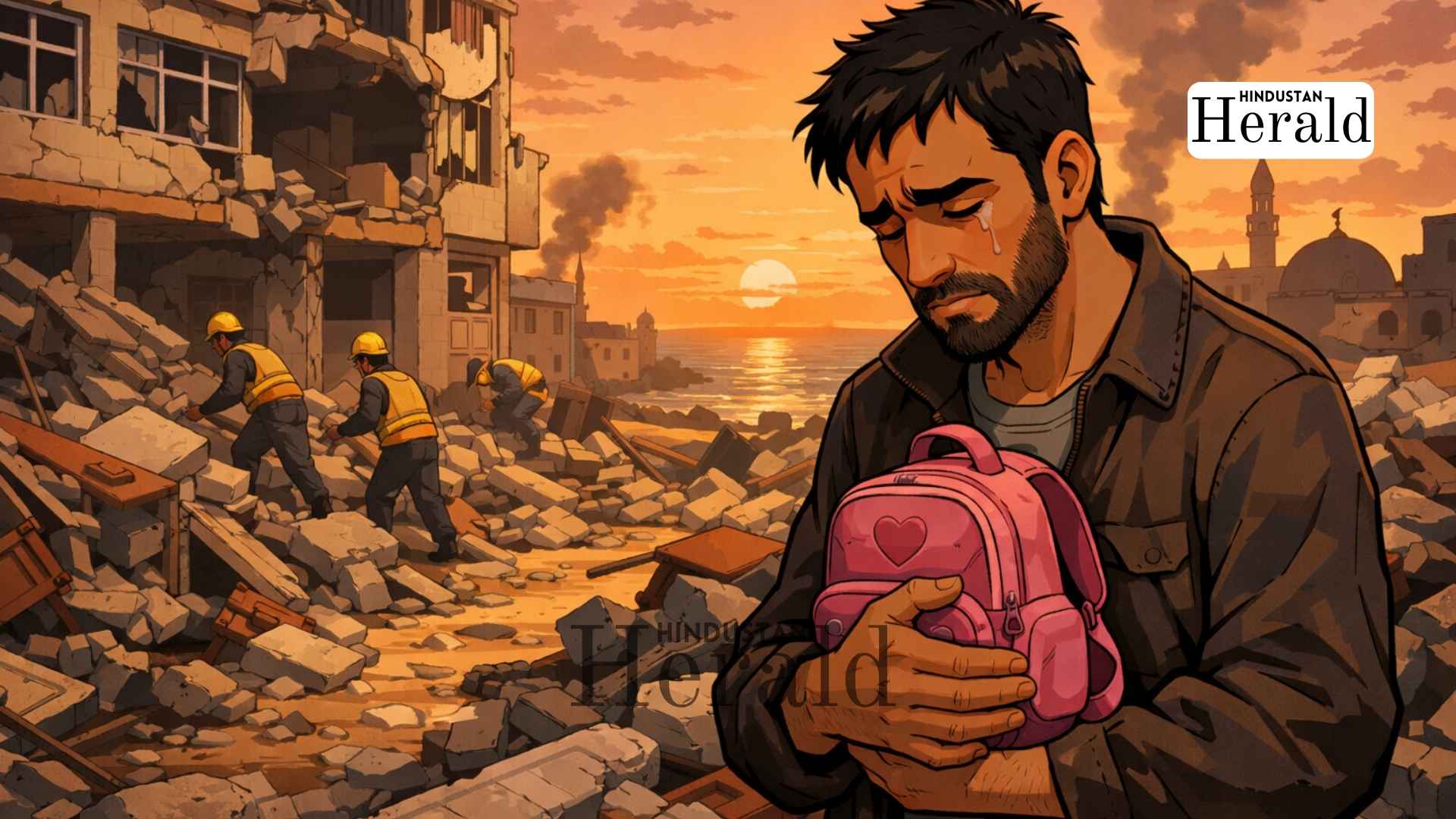
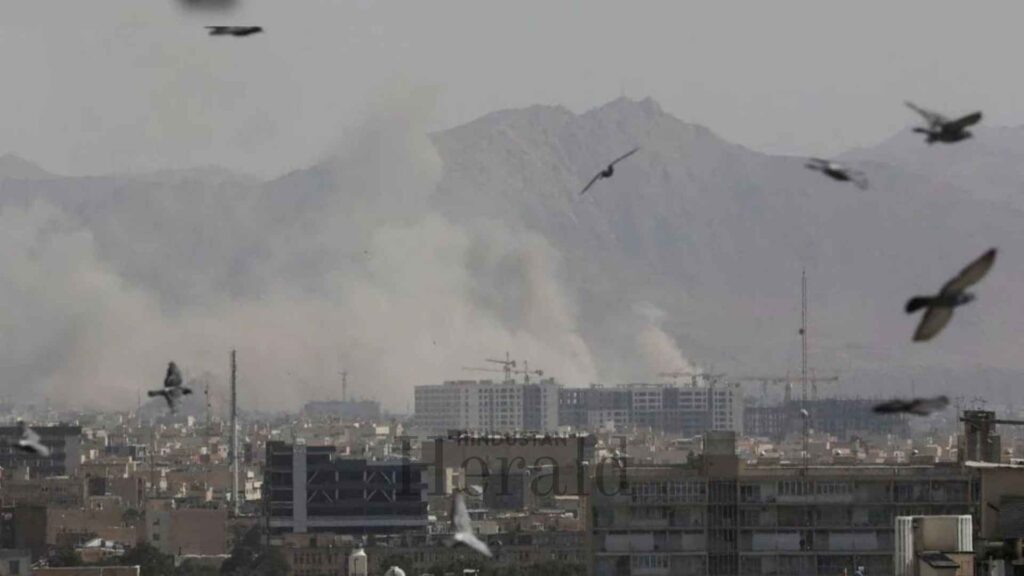
New Delhi, February 28: By dusk in Minab, the air still smelled of dust and burning concrete. It is the kind of town where the school bell marks the day more reliably than politics does. Parents walk their daughters to class. Shopkeepers lift shutters. Fishing boats move out toward the Gulf. Saturday began like that.
It did not end that way.
The building struck was the Shajareye Tayabeh girls’ primary school. Officials say it was hit during school hours, when classrooms were full. The first reports were confused, almost cautious. Two dozen dead. Then forty. By late afternoon, Governor Mohammad Radmehr acknowledged what rescuers were already seeing in the rubble. At least 51 to 57 students had been killed. Around 60 others were injured, many critically.
He warned the toll could rise.
In The Rubble
State television showed the kind of images that stay with you. Twisted desk frames. Pink backpacks are half-buried in dust. Rescue workers passed broken slabs of concrete hand to hand because heavy equipment could not reach every corner.
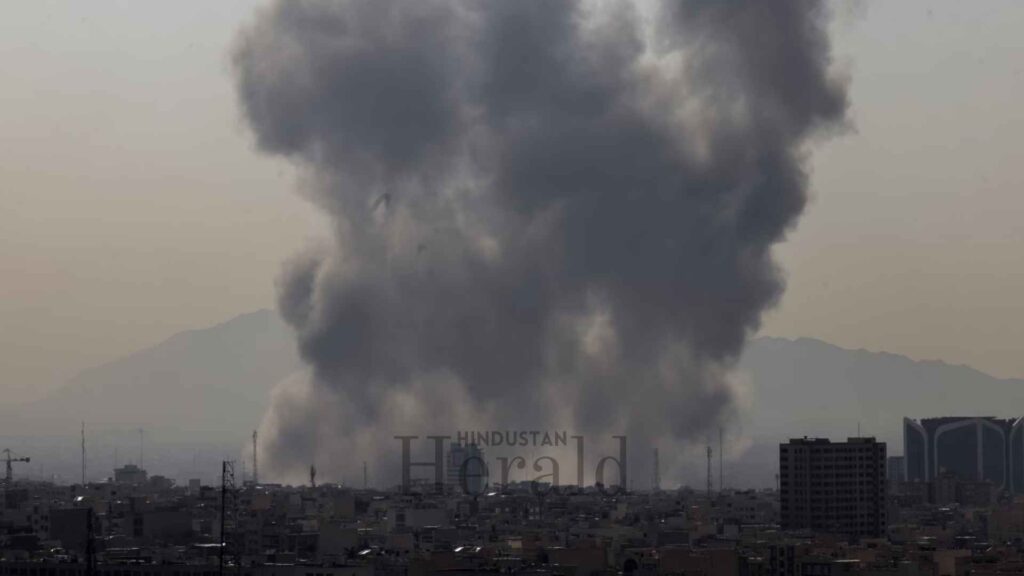
Minab is not a capital city. It is not a military headquarters. It sits in Hormozgan Province, near the Strait of Hormuz, better known for trade routes than for headlines. That geography now matters for a different reason.
Governor Radmehr described the strike as a direct hit on a civilian educational facility. At the foreign ministry in Tehran, spokesperson Esmaeil Baqaei called it an unwarranted act of aggression and accused Israel and the United States of targeting Iranian cities indiscriminately.
There is also word of a second blow. Local sources say a nearby clinic that began treating wounded children was damaged shortly after the first strike. Officials have not yet released full details. If confirmed, it will deepen already sharp accusations.
But those arguments feel distant from hospital corridors where families wait for names to be read out.
A War Expands
The strike did not occur in isolation. It unfolded as part of a sweeping military campaign launched earlier in the day by Israel and the United States.
Israeli officials have referred to their operation as Operation Lion’s Roar. The United States has used the name Operation Epic Fury. Both governments say their objective is to degrade Iranian military capabilities and confront what they describe as existential threats tied to missile and nuclear programs.
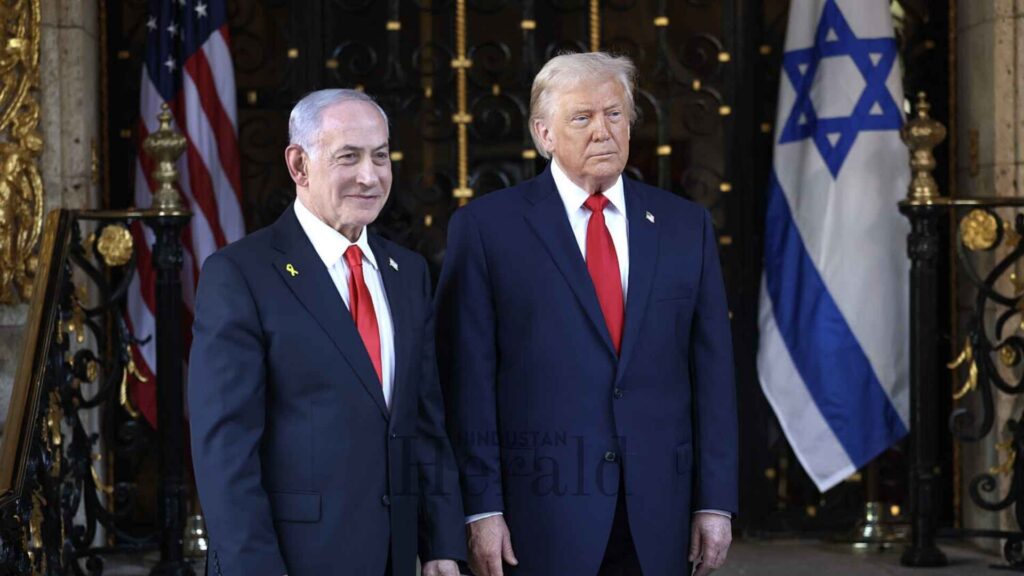
In public remarks, Prime Minister Benjamin Netanyahu reiterated Israel’s long-held view that Iran’s strategic posture presents a direct danger to Israeli security. President Donald Trump defended the joint action as necessary to neutralize threats and, in his words, support change in Tehran.
Neither government has addressed the Minab school strike directly.
That silence is being noticed.
Civilian casualties are not new to this region’s conflicts. But a girl’s primary school carries a particular weight. Even when militaries insist their intended targets were strategic, the image of collapsed classrooms reshapes the conversation instantly.
Iranian officials insist this was no accident.
Retaliation And Shockwaves
Tehran responded within hours.
State media announced what it called a first wave of missile and drone strikes targeting Israel and U.S. military facilities across the region. Among the reported targets was the Fifth Fleet service center in Bahrain. Independent assessments are still emerging.
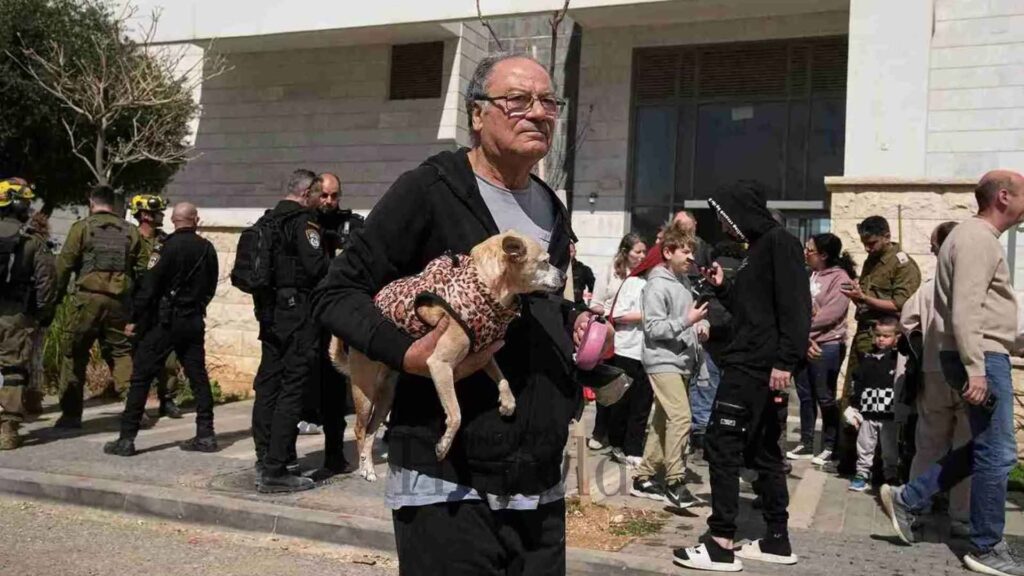
Airspace across parts of the Gulf began closing almost immediately. Flights were suspended in Dubai and Tel Aviv. Aircraft were rerouted mid-journey. Several Gulf nations announced indefinite airspace closures, citing security risks.
The markets reacted with nerves. Any instability near the Strait of Hormuz tends to ripple outward quickly. Energy traders understand that geography all too well.
What began as a military operation now carries the unmistakable signs of regional escalation.
The Legal And Moral Questions
International humanitarian law is unambiguous about civilian infrastructure. Schools and medical facilities are protected spaces. Allegations of direct strikes on such sites often lead to demands for an independent investigation.
Whether that happens here remains uncertain.
The political terrain is complicated. The United States and Israel are close allies. Iran’s role in regional security dynamics is deeply contested. Any inquiry would unfold in a charged international climate.
Inside Iran, civilian deaths are likely to harden public sentiment. External attacks have historically rallied nationalist feelings, even among citizens critical of their own leadership. The human cost becomes a unifying force.
In Israel and the United States, leaders argue that failing to confront perceived threats early invites greater danger later. Supporters of the operation frame it as preventive, even necessary.
Those arguments now exist alongside the image of small desks crushed under concrete.
What Happens Now
Rescue teams are still working in Minab. Hospitals in Hormozgan Province remain under pressure. Officials caution that casualty figures may change as debris is cleared.
Several questions linger in the absence of direct comment from Washington or Jerusalem. Was the school misidentified? Was it near a suspected military site? Was intelligence flawed? At this stage, there are no public answers.
For families in Minab, those explanations may come too late.
The long shadow conflict between Iran and its adversaries has simmered for years through sanctions, proxy battles, and covert strikes. Today it burst into the open, with consequences measured not in strategy papers but in lives lost.
It is difficult to predict where this leads. Escalations can burn out quickly. They can also spiral.
Tonight, in a coastal city that rarely makes international headlines, parents are preparing funerals. The politics will continue. The rhetoric will intensify. Military briefings will frame objectives and outcomes.
But in Minab, the day is remembered for something far simpler and far heavier. A school morning that did not end with children walking home.
Stay ahead with Hindustan Herald — bringing you trusted news, sharp analysis, and stories that matter across Politics, Business, Technology, Sports, Entertainment, Lifestyle, and more.
Connect with us on Facebook, Instagram, X (Twitter), LinkedIn, YouTube, and join our Telegram community @hindustanherald for real-time updates.

Specializes in South Asian geopolitics and global diplomacy, bringing in-depth analysis on international relations.
- Rajiv Menon

- Rajiv Menon
- Rajiv Menon
- Rajiv Menon



 Shelesh Joshi and Rajiv Menon