
 By Rajiv Menon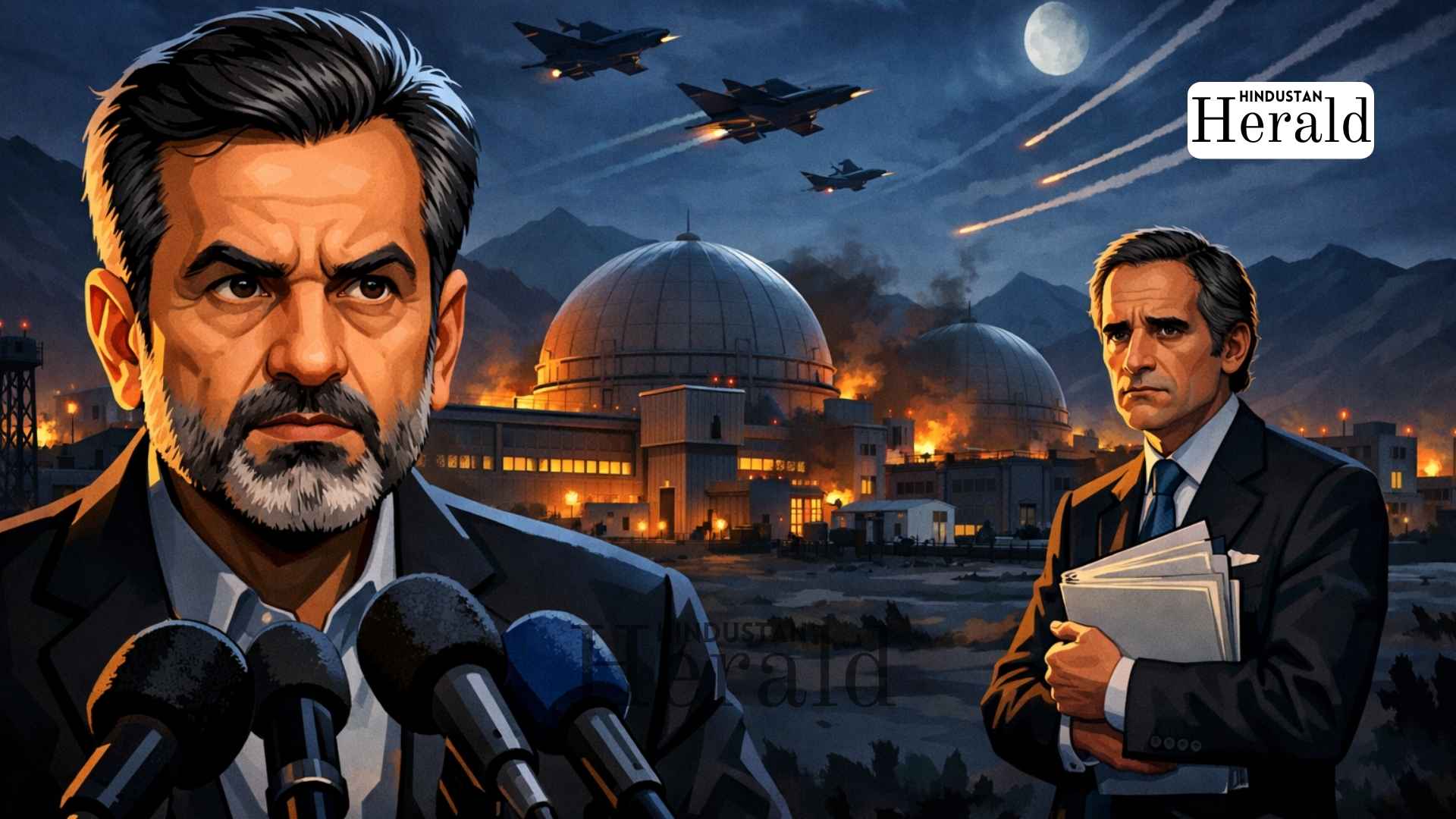
Vienna, March 2: Sometimes diplomacy feels like theatre. Monday did not.
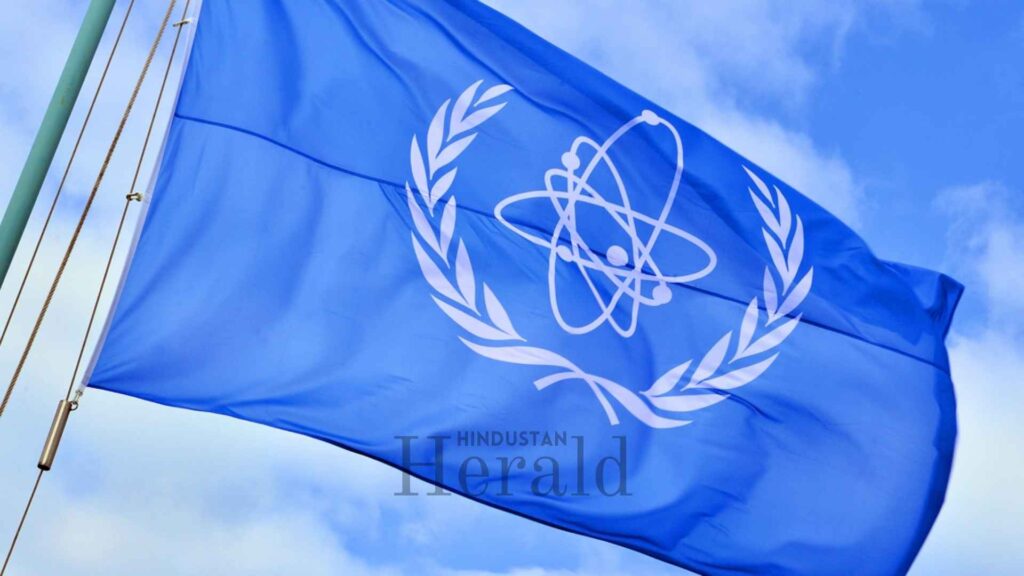
The building that houses the International Atomic Energy Agency is usually all routine. Security badges, polite nods, technical briefings that drift into procedural language. But this morning, people were speaking in lower voices. Delegates kept checking their phones. Something serious had landed.
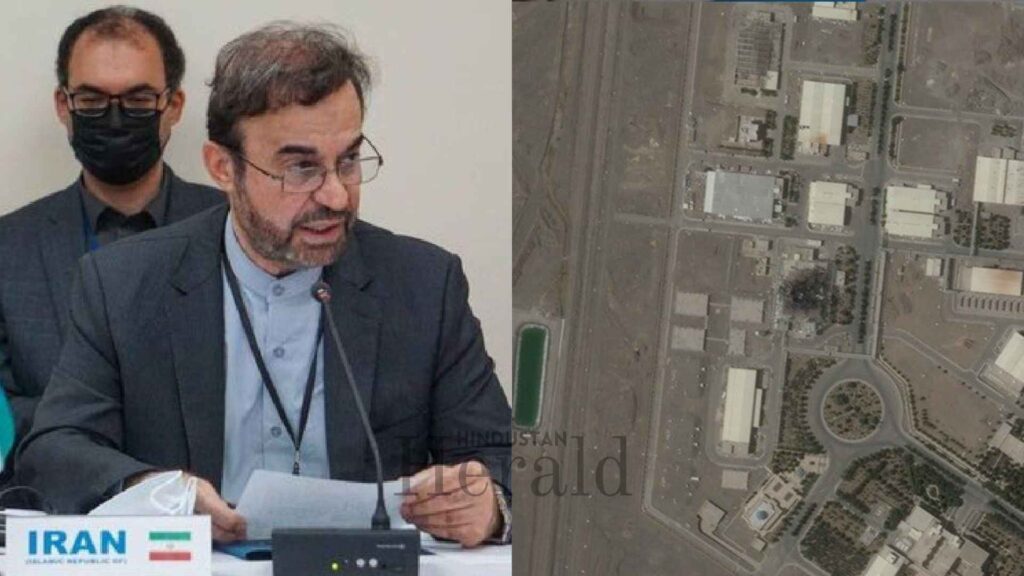
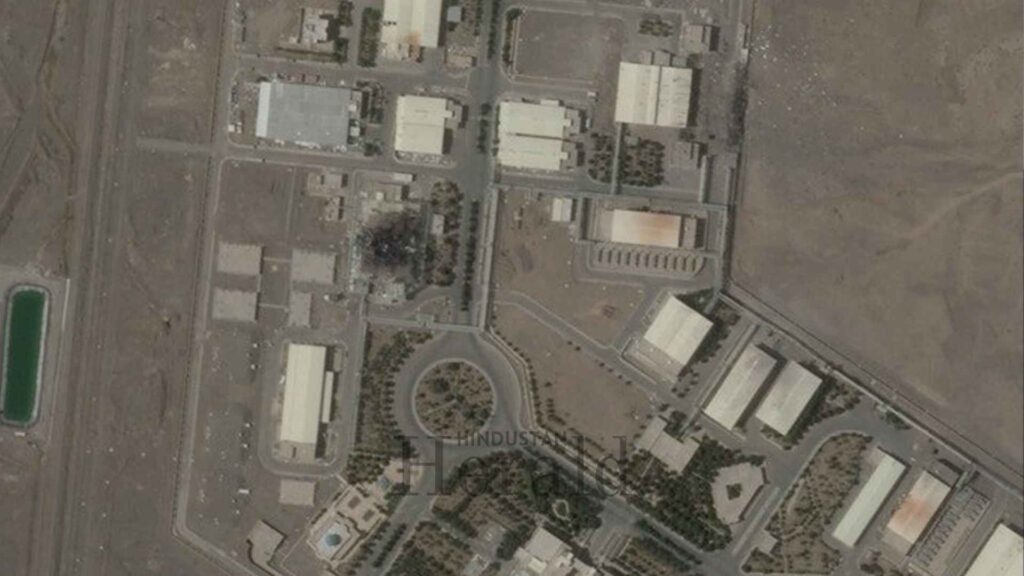
Then Iran’s envoy, Reza Najafi, stepped up and said it clearly. The Natanz nuclear facility had been attacked. He blamed the United States and Israel. He did not soften it. He called it unlawful. Criminal. A direct strike on what he described as a peaceful nuclear site under international monitoring.
When reporters asked him which facility, he answered with one word. Natanz.
If you follow nuclear diplomacy even casually, that name hits hard.
Why Natanz Matters
Natanz is not some obscure warehouse. It is the centre of Iran’s uranium enrichment programme. In simple terms, it is where uranium is processed. At lower levels, that material can power nuclear reactors for electricity. At higher levels, it can be used to make weapons. That difference in enrichment level is the heart of the global dispute.
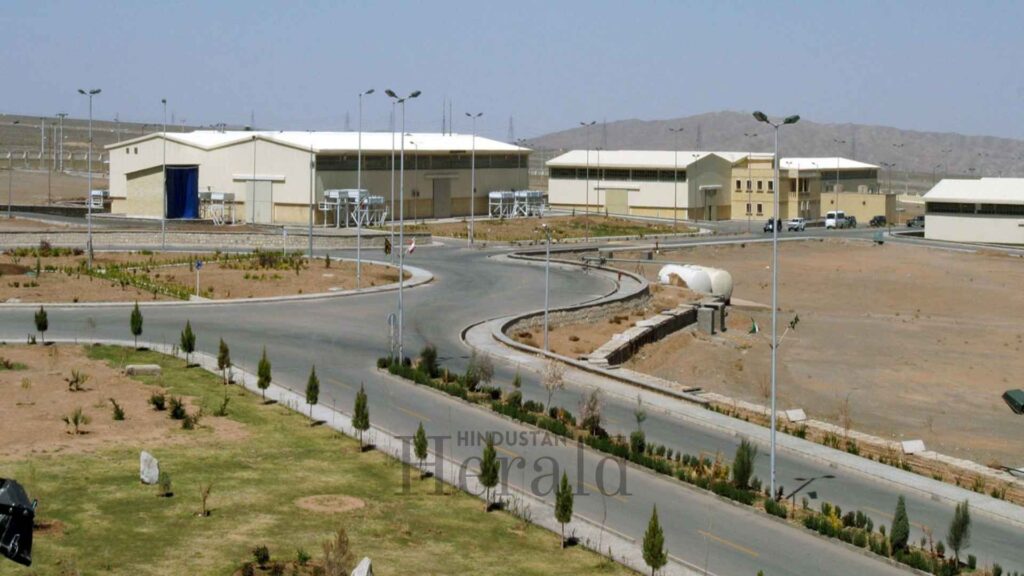
For years, Western governments have argued that Iran is inching too close to weapons-grade enrichment. Tehran says it is not building a bomb. Inspectors from the IAEA have been in and out of Natanz for years, checking equipment, verifying materials, filing reports.
There have been mysterious incidents at the site before. Power outages. Explosions. Suspected cyberattacks. Those were never openly acknowledged by the countries accused of carrying them out. They lived in the world of deniability.
This is different. Iran is saying openly that airstrikes hit the facility.
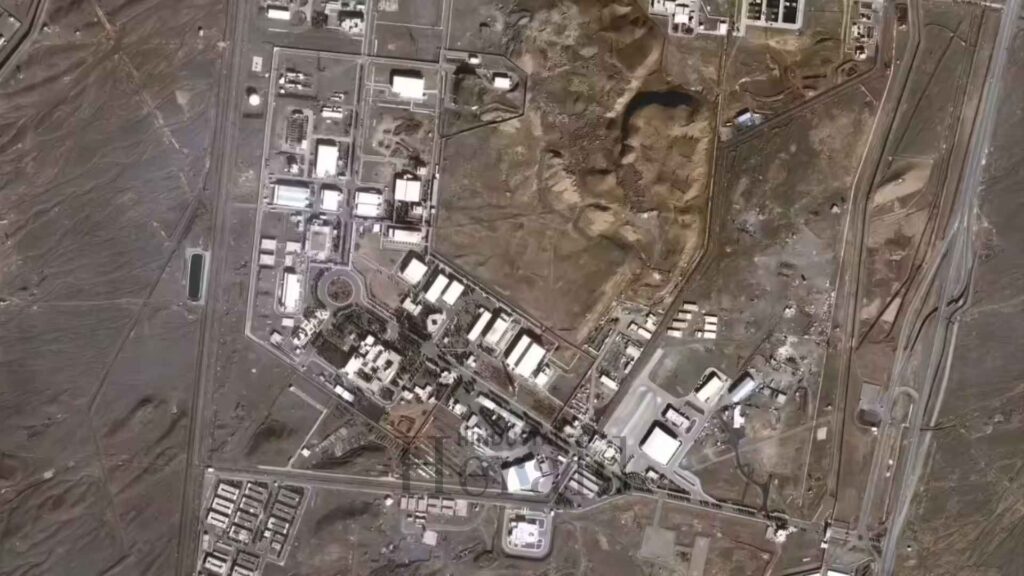
The United States has described its wider campaign as Operation Epic Fury. The stated goal is to weaken Iran’s nuclear and missile capabilities. Israel is said to be conducting related operations under the name Operation Roaring Lion. Neither government has publicly laid out the exact details of what happened at Natanz.
For now, the physical damage is still being assessed. But even the accusation alone has shifted the mood.
The Fear No One Wants To Test
IAEA Director General Rafael Mariano Grossi addressed member states with visible concern. He spoke about safety. About responsibility. About what happens when military operations move dangerously close to nuclear material.
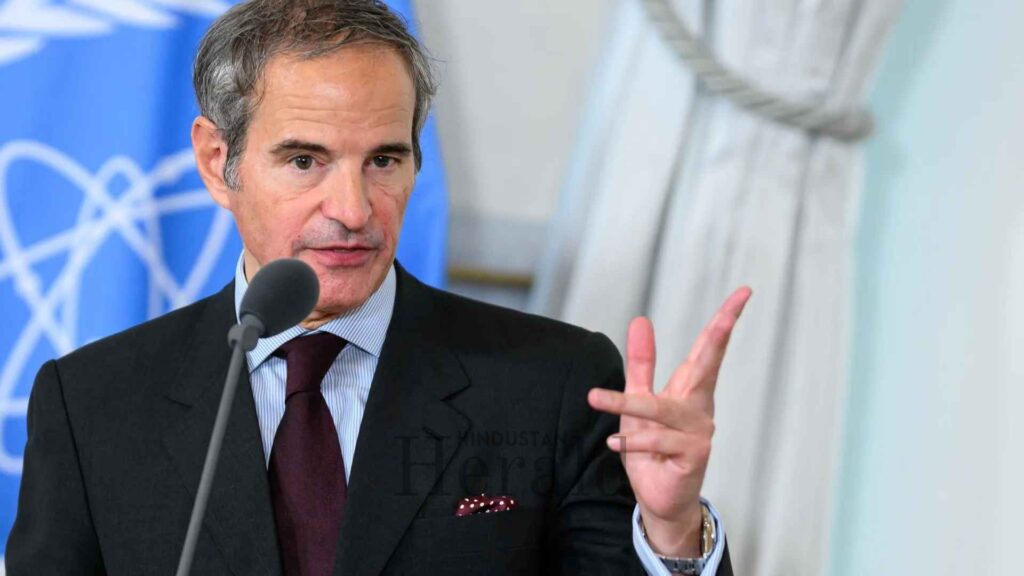
He warned that the possibility of a radiological release cannot be ruled out.
In plain language, that means radiation. Not a nuclear explosion. Not a mushroom cloud. But the kind of contamination that can spread quietly if protective systems are damaged.
There is no confirmation of such a release. Inspectors are still evaluating the situation. But when the head of the global nuclear watchdog raises that possibility, it is not a casual remark.
Attacking a nuclear facility is not like striking an empty airfield. The consequences, even from a limited strike, can be unpredictable.
A Weekend Of Escalation
The alleged strike on Natanz did not happen in isolation. Over the weekend, Iran says more than 130 cities were hit in waves of military operations. The Iranian Red Crescent Society has reported at least 555 deaths. Independent confirmation is still difficult, but the scale suggests this was not a small exchange.
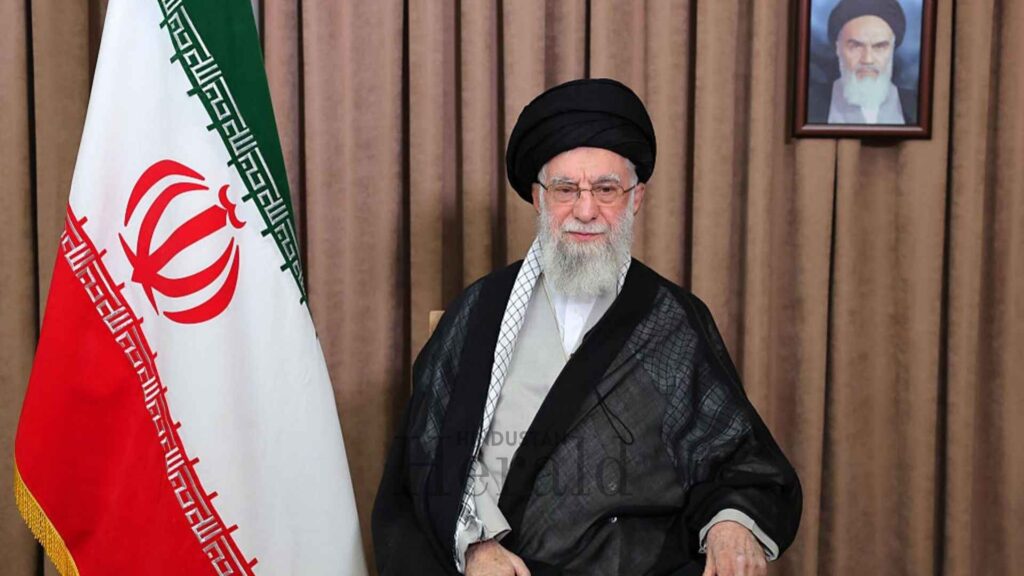
One of the most explosive claims involves Supreme Leader Ayatollah Ali Khamenei. Reports have circulated about his possible death in the strikes. Iranian authorities have not confirmed that. The uncertainty alone has added fuel to an already volatile situation.
If senior leadership was directly targeted, the stakes change dramatically. It stops being about sending warnings. It becomes personal. Existential.
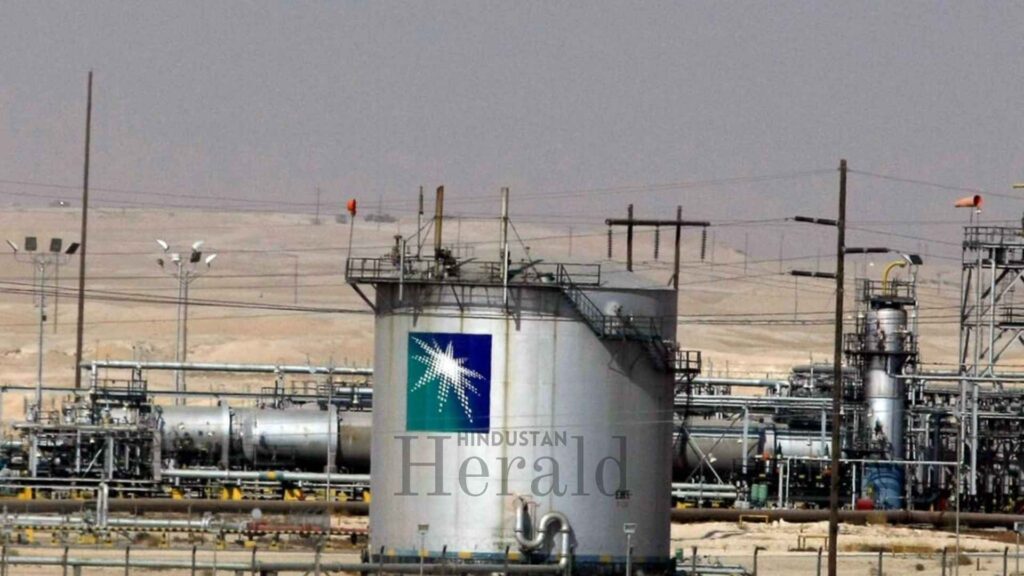
Iran has already responded. Drones struck infrastructure linked to Saudi Aramco, including facilities at Ras Tanura, one of the world’s most important oil export terminals. Saudi officials confirmed a temporary shutdown after the attack.
That matters far beyond the region.
Why The World Is Nervous
Oil markets reacted almost immediately. Prices jumped. Investors do not wait for full clarity. Risk itself moves markets.
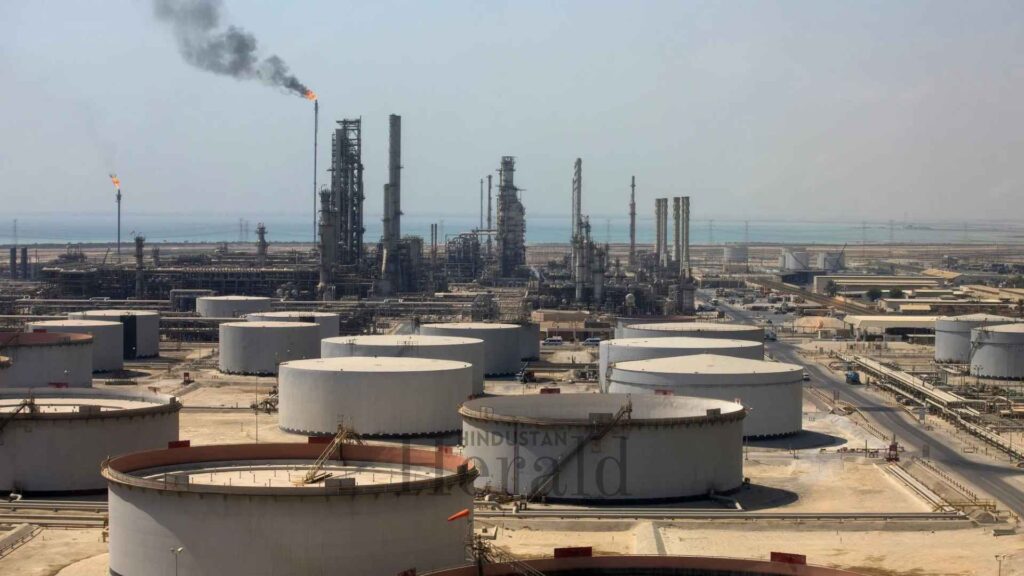
When facilities like Ras Tanura are hit, traders start thinking about supply disruptions. The Strait of Hormuz becomes a headline again. Roughly one-fifth of global oil passes through that narrow waterway. If tensions rise further, even the threat of disruption can push prices higher.
Stock markets dipped. Futures fell. The reaction was cautious, but unmistakable.
For countries like India, this is not an abstract issue. India imports most of its crude oil. Higher oil prices mean higher transport costs, pressure on inflation, and strain on the economy. Add to that the safety of Indian citizens working across the Gulf, and the concern becomes immediate.
This is how a strike in one country becomes everyone’s problem.
The Legal Question
There is also the matter of international law. Nuclear facilities that operate under international safeguards are supposed to be protected by global norms. The United Nations Charter limits the use of force except in self-defence or with Security Council approval.
The United States argues it is acting to prevent a larger threat. Iran insists the attack violates international law and undermines decades of nuclear non-proliferation efforts.
European governments have called for restraint. Russia and China have criticised the strikes. Emergency consultations are expected. But diplomacy often moves more slowly than missiles.
What Happens Next
It is tempting to draw clean lines. This will escalate. Or it will cool down. In reality, conflicts rarely follow neat scripts.
One possibility is controlled retaliation. Limited strikes. Tough rhetoric. Both sides are testing boundaries but stopping short of full-scale war.
Another possibility is expansion. Proxy groups are getting involved. More infrastructure targeted. Shipping lanes threatened.
The most worrying scenario involves repeated attacks on nuclear sites. Even if the first strike avoids a radiological disaster, repeated pressure increases the risk. Nuclear facilities are designed for stability, not for operating under bombardment.
Inside the IAEA building on Monday evening, conversations stretched late. Diplomats spoke in careful tones. There was no sense of drama. Just unease.
Outside, Vienna carried on as usual. Cafes open. Trams running. Life normal.
But the reality is this: when nuclear facilities become targets in an active conflict, the margin for error shrinks dramatically. What used to be a shadow contest has stepped into the open.
And once that line is crossed, it is hard to redraw.
Stay ahead with Hindustan Herald — bringing you trusted news, sharp analysis, and stories that matter across Politics, Business, Technology, Sports, Entertainment, Lifestyle, and more.
Connect with us on Facebook, Instagram, X (Twitter), LinkedIn, YouTube, and join our Telegram community @hindustanherald for real-time updates.

Specializes in South Asian geopolitics and global diplomacy, bringing in-depth analysis on international relations.
- Rajiv Menon

- Rajiv Menon
- Rajiv Menon
- Rajiv Menon



 Shelesh Joshi and Rajiv Menon