
 By Rajiv Menon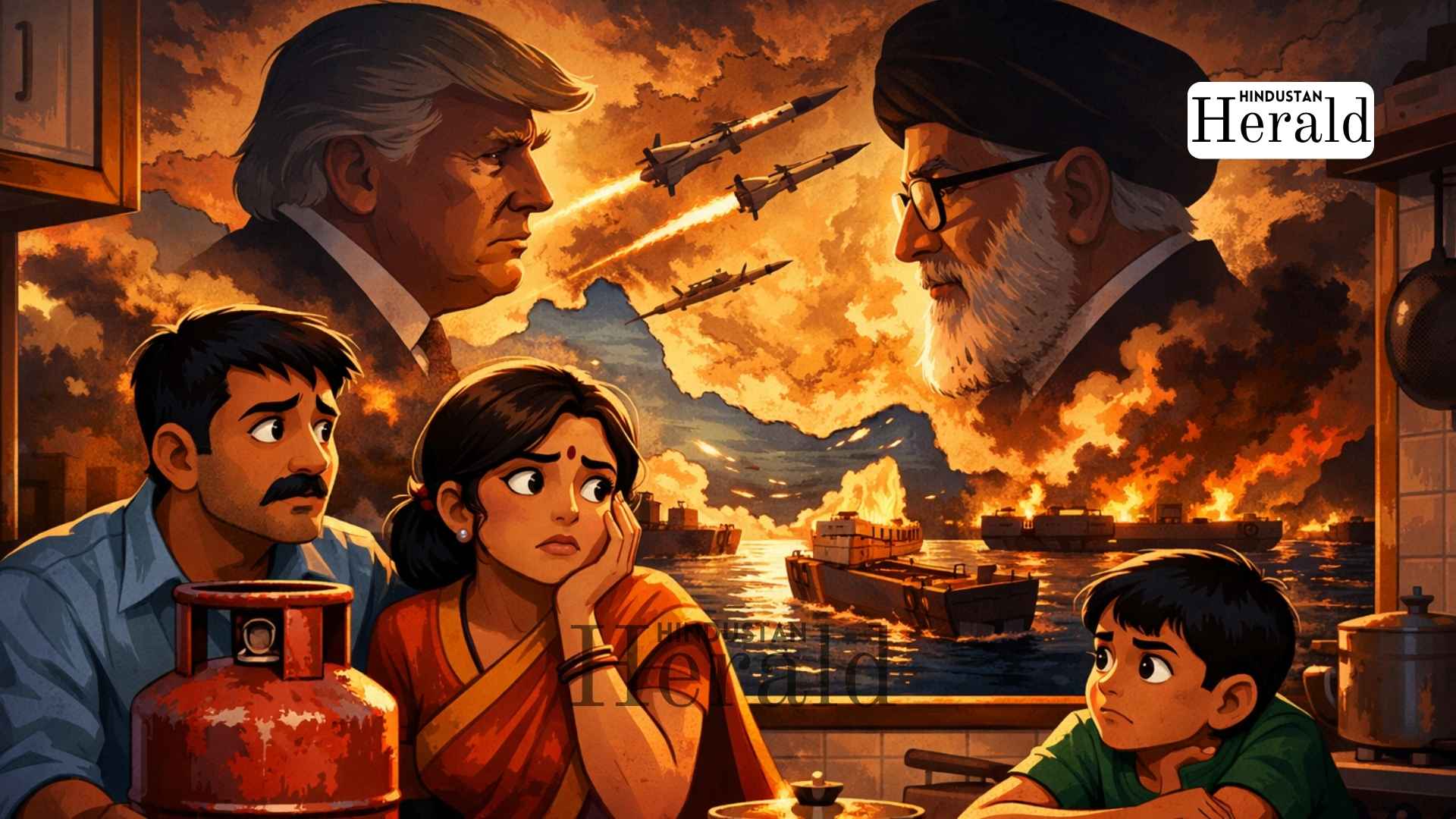
New Delhi, March 21: A war that started three weeks ago in a corner of the world that most Indians might have glanced at and moved on from has quietly walked into every Indian home. It is sitting in the kitchen, where the gas cylinder is running low. It is sitting at the petrol pump, where prices have climbed higher than most people have seen in their lifetimes. It is sitting in the pockets of the 10 million Indians working in Gulf countries, wondering when the next missile will fall near where they live and work.
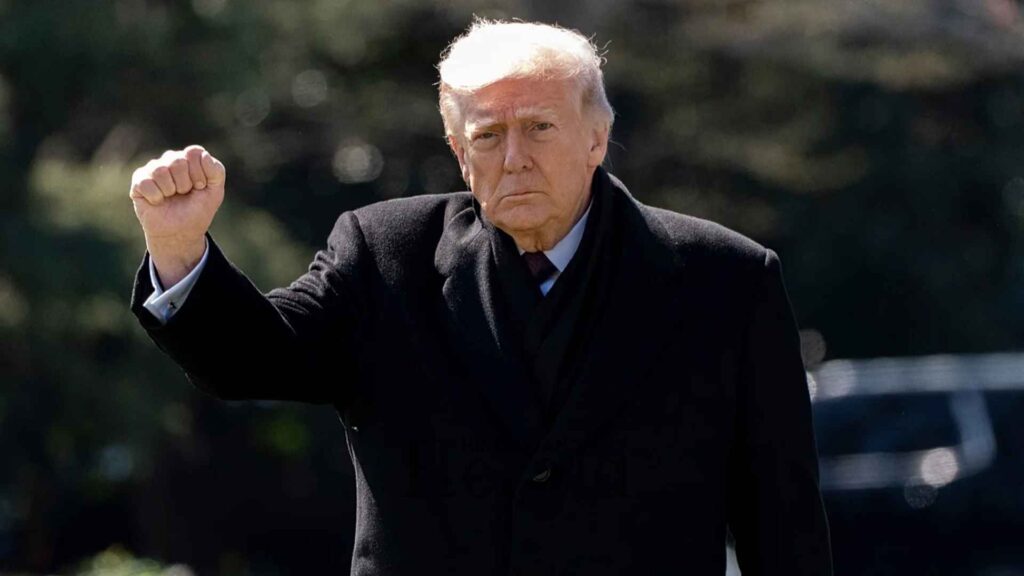
On Day 21 of the US-Israel war against Iran, President Donald Trump stood on the South Lawn of the White House on Friday and told the world exactly what he thinks of a ceasefire. He does not want one. He is not interested in one. And in his mind, there is nothing to negotiate about because, as he sees it, America has already won.
The people still being buried in Tehran and Lebanon might disagree.
How This War Actually Started
To understand where we are today, it helps to go back to where things stood just before the bombs started falling.
As recently as February 27 of this year, there were genuine signs that a deal was possible. Oman’s Foreign Minister Badr Al-Busaidi announced publicly that Iran had agreed to never stockpile enriched uranium and to allow full verification by international inspectors. He said peace was “within reach” and that further talks were expected to resume on March 2.
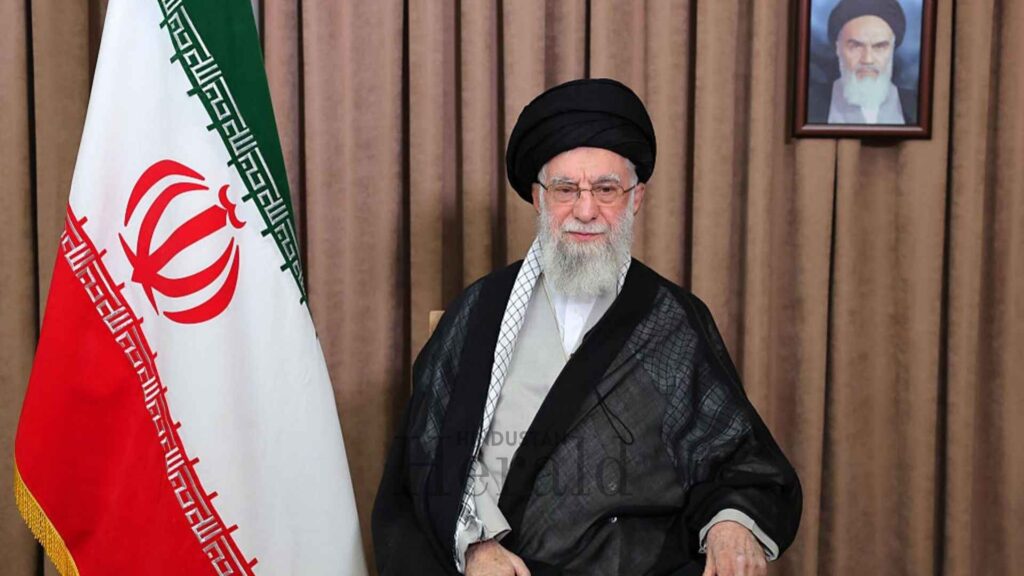
Those talks never happened. One day later, on February 28, the United States and Israel launched coordinated military strikes on Iranian territory. Supreme Leader Ayatollah Ali Khamenei was killed in the opening strikes, along with hundreds of others. Al-Busaidi said afterwards that “active and serious negotiations” had been destroyed by the attack.
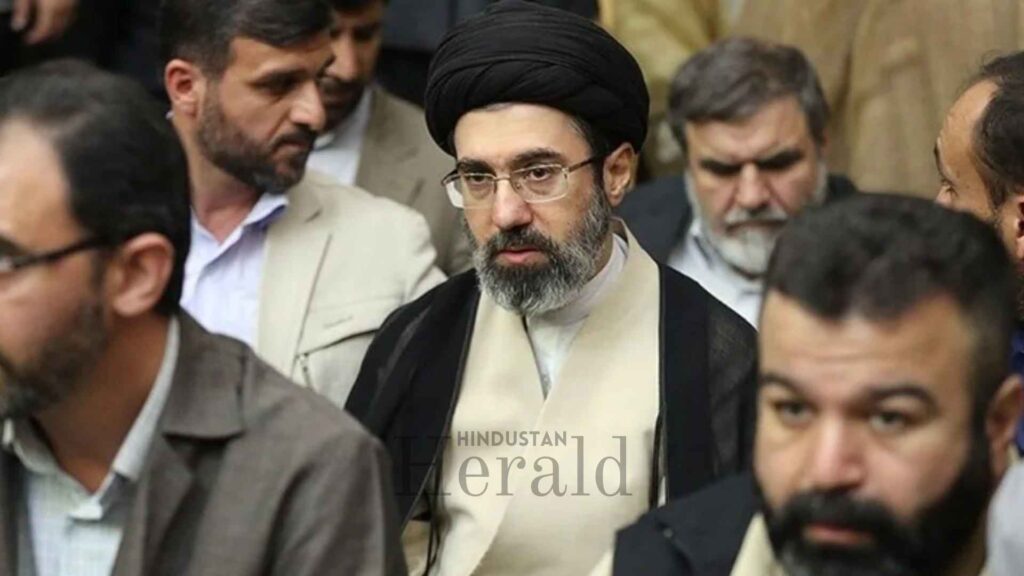
Iran responded the only way a country that has just been attacked and lost its head of state can respond. It closed the Strait of Hormuz, the narrow waterway through which roughly one-fifth of the world’s daily oil supply passes. It began launching missiles at Israel. It began hitting US military bases across the Gulf region. And it chose a new Supreme Leader, Mojtaba Khamenei, the son of the man who had just been killed, in what was widely read as a direct message to Washington: we are not going anywhere.
That was three weeks ago. The war has not stopped since.
Trump Says He Has Won. Iran Says It Has Not Lost.
Standing outside the White House before flying to Mar-a-Lago for the weekend, Trump told reporters: “We could have dialogue, but I don’t want to do a ceasefire. You know you don’t do a ceasefire when you’re literally obliterating the other side. They don’t have a navy. They don’t have an air force. They don’t have any equipment.”
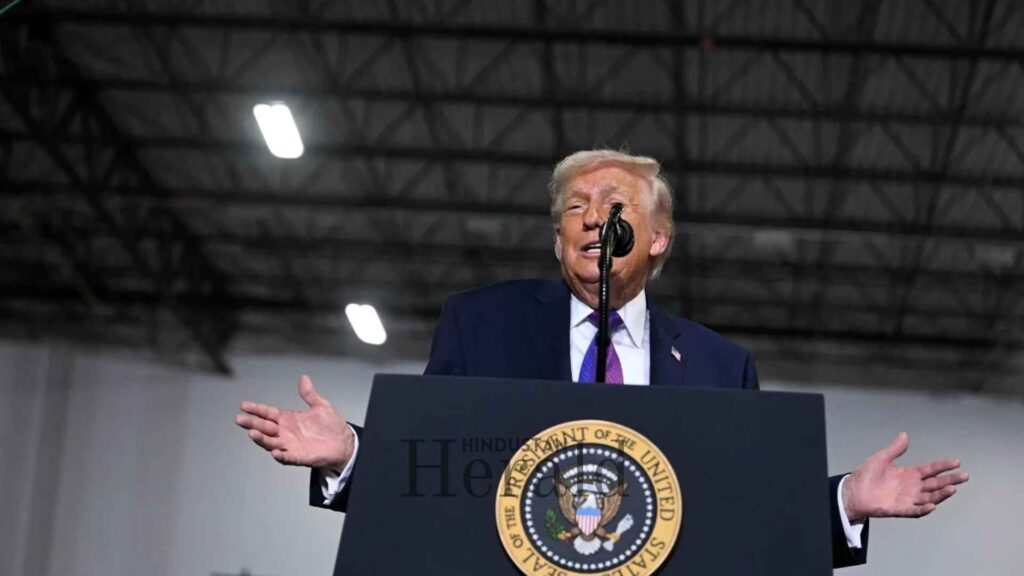
On the same day, he posted on Truth Social that the US was thinking about pulling back. “We are getting very close to meeting our objectives as we consider winding down our great Military efforts in the Middle East,” he wrote, describing those objectives as degrading Iran’s missile programme, destroying its defense industries, eliminating its navy and air force, and ensuring Iran never gets close to a nuclear weapon.
So in the space of a few hours, Trump said the US was obliterating the other side and also winding down. Both statements cannot be entirely true at the same time, and the Pentagon’s actual actions suggest the war is far from over. Even as Trump spoke of winding down, the Pentagon was sending up to 2,500 additional Marines to the region, the second such deployment within a single week.
Iran, for its part, is not acting like a side that has lost.
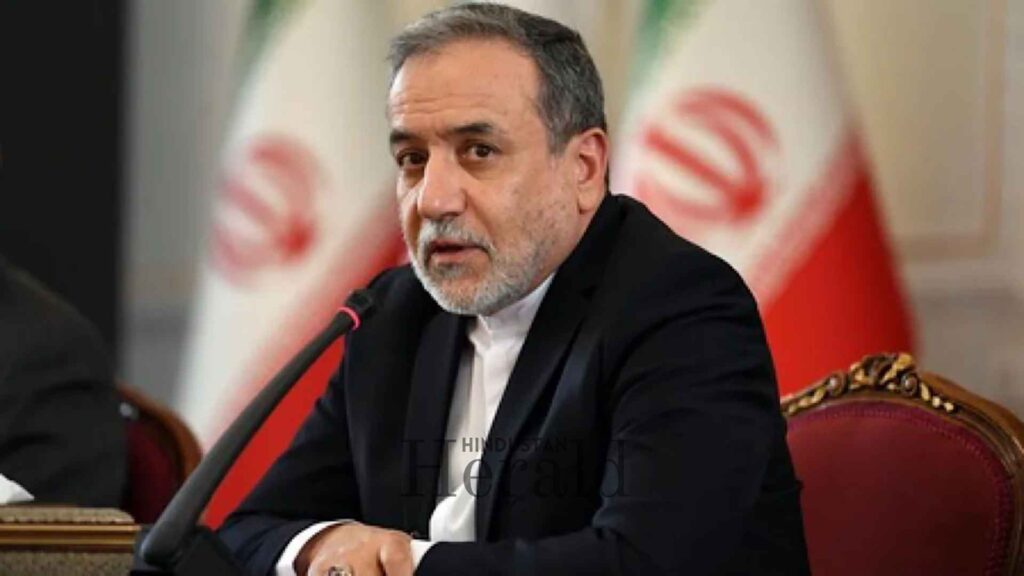
Foreign Minister Abbas Araghchi told CBS News plainly that Tehran sees “no reason” to talk to Washington. “We never asked for a ceasefire, and we have never asked even for negotiation,” he said. “We are ready to defend ourselves as long as it takes, until President Trump comes to the point that this is an illegal war with no victory.”
These are not the words of a country preparing to surrender. Both sides are currently telling their domestic audiences they are winning. That is usually the moment when wars get more dangerous, not less.
The Dead, the Displaced, and the Deliberately Uncounted
Behind the press conferences and the Truth Social posts are human beings.
Iran’s own Health Ministry confirmed at least 1,444 people killed and 18,551 injured since February 28. The dead range in age from eight months old to 88 years old. At least 11 healthcare workers were among the fatalities, including four doctors.
Independent monitors put the number far higher. The Hengaw Organization for Human Rights documented at least 5,300 killed in the first 18 days alone, including 511 civilians and 4,789 military personnel, with strikes hitting facilities across 178 cities in 25 provinces. The organisation noted pointedly that Iranian authorities are withholding accurate data, meaning the real figure is likely higher still.
By mid-March, roughly 3.2 million people had been internally displaced inside Iran, forced from their homes by the sustained bombing campaign. These are people who had nothing to do with nuclear negotiations or missile programmes. They are families who woke up one morning and found their city at war.
In Lebanon, which has faced intensifying Israeli strikes since March 2, the death toll crossed 1,000 people, with at least 2,584 more wounded.
On the Israeli side, at least 18 people have been killed and over 3,730 wounded from Iranian missile and drone attacks. The US military has confirmed 13 service members killed.
On the morning of March 21, ballistic missiles continued to fly toward Israeli cities. Air raid sirens rang out in Jerusalem and Tel Aviv. The Israel Defense Forces reported interceptions. Somewhere in Tehran, another family was attending another funeral.
The Strait of Hormuz: Why a Waterway 3,000 Kilometres Away Is Your Problem
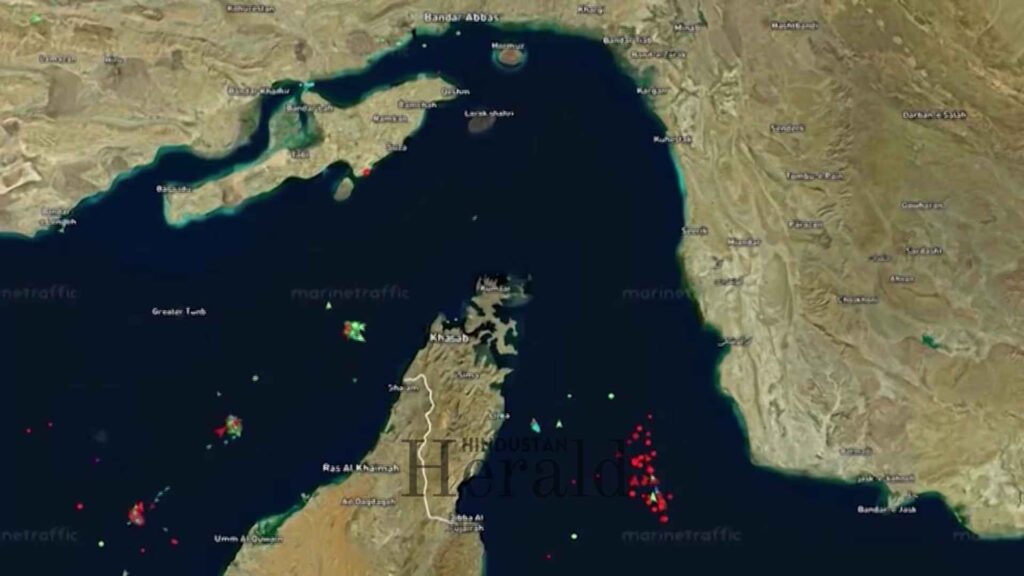
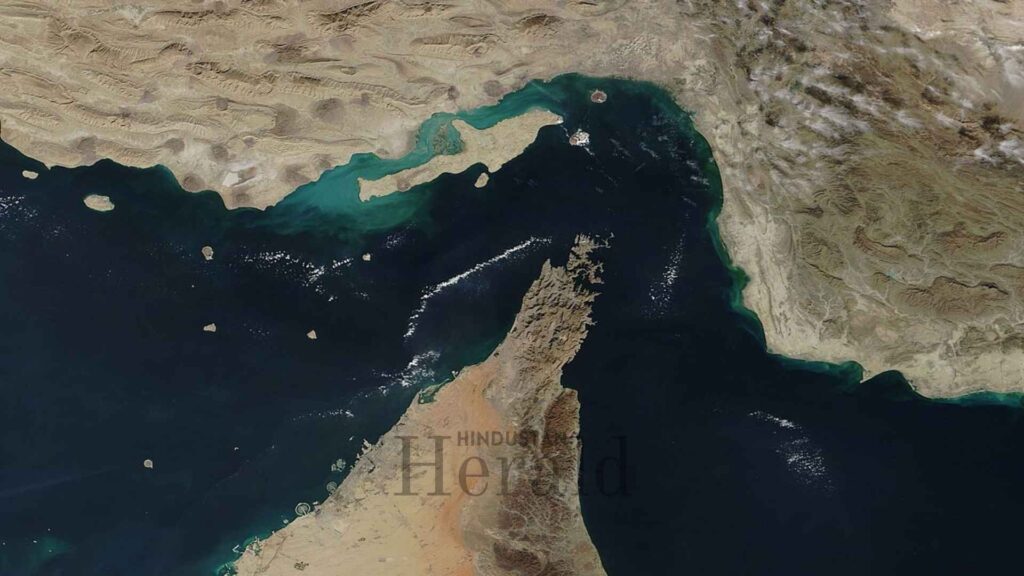
Most Indians have never seen the Strait of Hormuz. It is a narrow passage of water, about 33 kilometres wide at its narrowest point, sitting between Iran on one side and Oman on the other. Under normal circumstances, you would have no reason to think about it.
These are not normal circumstances.
That small stretch of water normally carries about 20.9 million barrels of oil every single day, roughly 20 percent of all the petroleum products consumed globally, and about one-quarter of the entire world’s seaborne oil trade. When it functions, the global economy hums along. When it does not, things get very expensive very quickly.
Since Iran declared it closed on March 2, tanker traffic has collapsed from over 150 ships a day to as few as two or thirteen on some days. Hundreds of tankers are sitting anchored just outside the strait, their crews waiting, their cargo going nowhere. Insurance companies have stopped covering ships that try to pass. Most international shipping companies have simply halted operations.
Iran is selectively letting through ships from China and Russia and from countries that have expelled American or Israeli diplomats. Everyone else waits.
Strikes on the Ras Tanura refinery in Saudi Arabia, the Ras Laffan gas complex in Qatar, and the Ruwais refinery in the UAE have resulted in a combined drop of about 10 million barrels per day in Gulf oil production compared with a year ago.
Trump’s solution is to tell other countries to sort it out. He has called NATO allies “cowards” for not sending warships and stated that the Strait “will have to be guarded and policed, as necessary, by other Nations who use it.” Which nations, with which ships, under which command, is a question that remains entirely unanswered.
Why Every Indian Should Be Paying Close Attention
Here is the part that directly concerns the 1.4 billion people living in this country.
India imports roughly 90 percent of its crude oil and nearly half of its liquefied petroleum gas. About half of that crude and more than three-quarters of that LPG come through the Strait of Hormuz. That closed waterway is not an abstraction for India. It is where our cooking gas comes from.
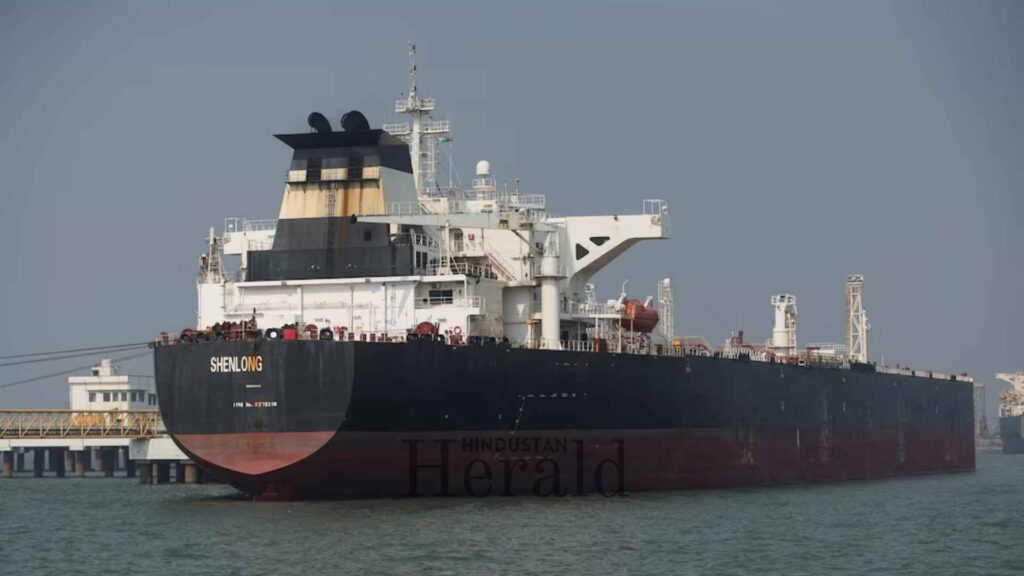
Before the war began, Brent crude was trading at around 73 dollars a barrel. As of Friday, it was at 105 to 107 dollars, a 44 percent rise in three weeks. The Indian crude oil basket, which factors in the extra freight and war-risk insurance now being charged on every cargo from the region, had crossed 156 dollars per barrel.
Saudi Arabia’s oil planners are reportedly preparing for a scenario in which prices hit 180 dollars per barrel if the war drags on through April. For a country like India, which already runs a substantial current account deficit, that number should be chilling.
The rupee has already responded. It was touching historic lows near the 94 mark against the US dollar on Friday, driven in large part by the rising import bill.
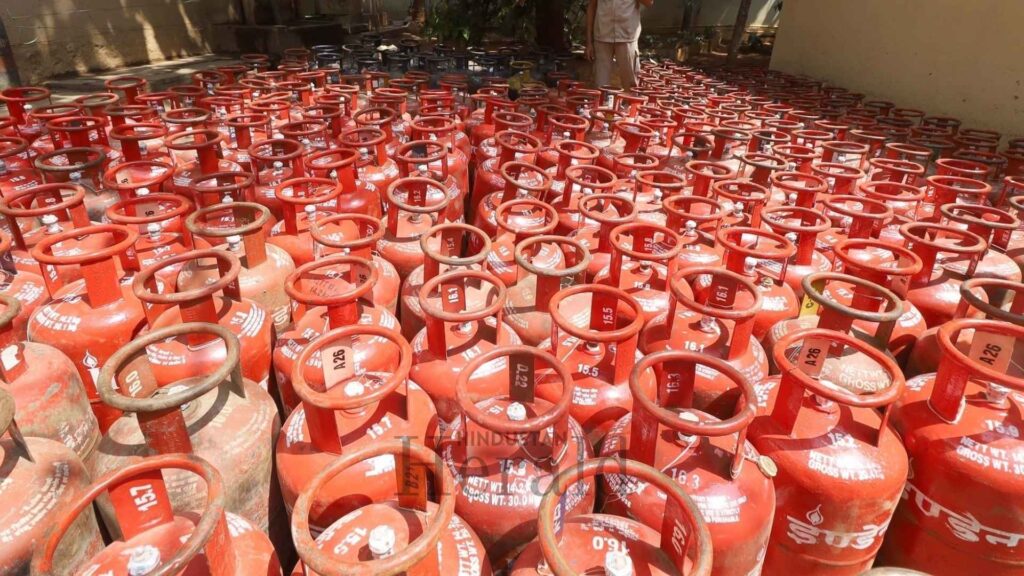
For people on the ground, the most immediate feeling of the war is at the LPG cylinder. In multiple Indian cities, residents have been lining up outside gas distribution centres from 3 in the morning to secure a single cylinder for household cooking. The government has had to divert LPG away from hotels, restaurants, and industrial users to keep domestic kitchens supplied.
Restaurants across Mumbai and Delhi have been pulling items off their menus. A dosa chain in Mumbai ran down to its last cylinder. In Jaipur, a well-known chai and snack shop removed samosas and bun butter from the menu because the gas simply is not there to cook them.
This is what a faraway war looks like when it arrives at your doorstep. It does not arrive with missiles. It arrives with an empty gas cylinder and a price board at the petrol pump that you do not recognise.
The Council on Foreign Relations noted as recently as March 18 that fuel shortages and long queues are fuelling protests in India, a country with a long and sometimes turbulent history of public unrest over energy costs.
How India Got Into This Corner: The Diplomatic Story
The energy crisis is painful. The diplomatic position India now finds itself in is arguably more complicated.
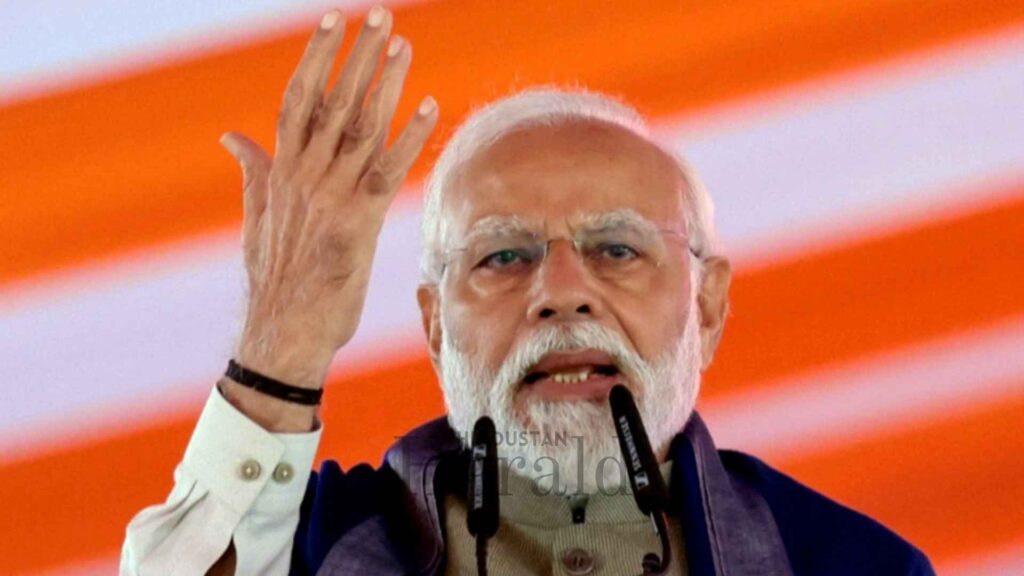
On February 25 and 26, just 48 hours before the bombing of Iran began, Prime Minister Narendra Modi was in Israel, upgrading the bilateral relationship to a special strategic partnership and being described by Netanyahu as a “brother.” Modi addressed the Israeli parliament and declared that “India stands with Israel.” The timing of that visit has since been the subject of considerable scrutiny.
After the war began, Modi reached out to eight Gulf leaders within 48 hours, expressing concern about Iranian attacks on those countries and about the safety of Indian workers in the region, who send home nearly 120 billion dollars in remittances each year. A call to Tehran came considerably later.
India co-sponsored a United Nations Security Council resolution condemning Iran for its attacks on Gulf states. Neither Modi nor Jaishankar signed the condolence book at the Iranian embassy for the killed Supreme Leader.
Then came the IRIS Dena episode, which cut closest to home. An Iranian naval vessel by that name had been an invited participant at India’s MILAN naval exercise at Visakhapatnam. It had attended a ceremony presided over by President Droupadi Murmu. On March 4, as it was sailing home, a US submarine torpedoed and sank it near Sri Lanka’s coast, killing at least 87 people.
India said nothing publicly.
Writing in Foreign Policy, Stanford University senior fellow Sumit Ganguly noted that the Trump administration’s apparent indifference to India’s concerns suggests that decades of effort to build a strong bilateral partnership could now be at needless risk.
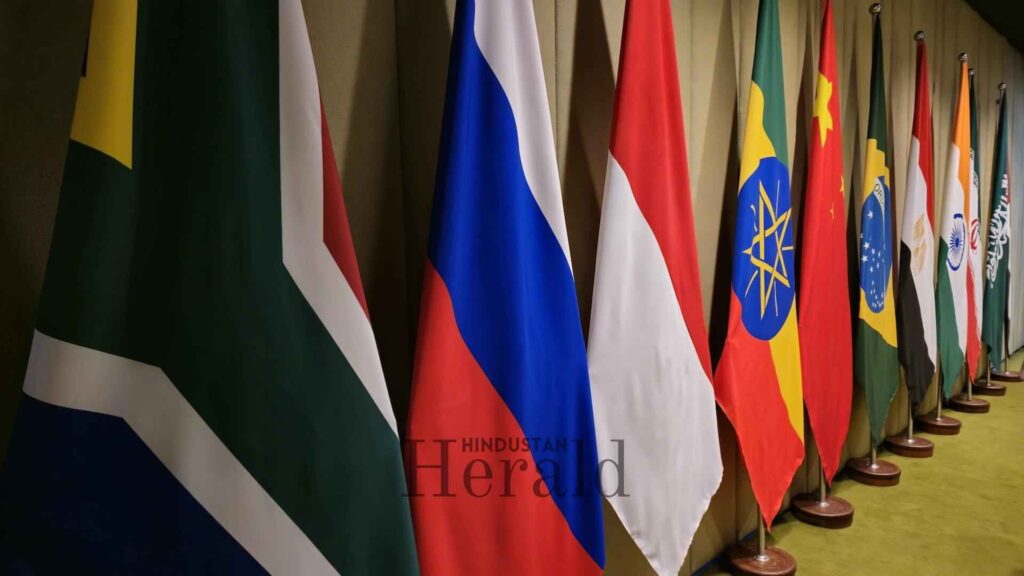
During a call between the Indian and Iranian foreign ministers, Tehran asked India, in its current capacity as BRICS president, to lead a condemnation of the US-Israeli strikes. New Delhi found itself unable to oblige, given how visibly it had tilted toward Washington and Tel Aviv in the opening days of the conflict.
On the energy supply side, India has been scrambling. Washington granted India a 30-day waiver allowing it to continue purchasing Russian oil currently stranded at sea. That waiver expires in early April, and the Trump administration has warned New Delhi that further Russian oil purchases beyond the waiver period could trigger punitive tariffs.
The Urals crude arriving at Indian ports has itself risen to nearly 99 dollars per barrel, up roughly 70 percent since the war began, as global competition for those same barrels intensifies. The discounted Russian oil that cushioned India’s energy bills through 2022 to 2025 is no longer a bargain.
As reported by The Diplomat, External Affairs Minister Jaishankar called his Iranian counterpart four times in less than two weeks, most likely pressing Tehran to allow India-bound ships through the Strait without incident. Two Indian LPG carriers did manage to cross in mid-March after India flew approximately 100 Iranian naval officers home on a special flight, though Jaishankar denied this was part of any formal arrangement.
India’s position, in short, is that of a country that placed a large diplomatic bet on one side, is now suffering the energy consequences, and is quietly trying to re-establish communication with the other side without publicly admitting it made a miscalculation.
Where Things Stand This Morning
On the 21st day of the war, here is what is true.
Iran is still launching missiles. After Israel struck the South Pars gasfield this week, Tehran retaliated by hitting Haifa and Ras Laffan in Qatar, warning of “zero restraint” if energy infrastructure is targeted again. The Strait of Hormuz remains closed. Global oil prices are above 112 dollars a barrel
Trump says the war is going well and may wind down soon. He has been saying some version of this for two weeks. His Energy Secretary predicted the conflict would end in “weeks,” but added there were “no guarantees in wars at all.”
Iran’s new Supreme Leader has pledged defiance. Its foreign minister says there is nothing to talk about. Its missiles are still flying.
The Council on Foreign Relations has warned that if this continues through the summer, the consequences for Asian economies, India included, could be “calamitous,” with several countries potentially running out of oil reserves within a month under the current disruption.
The honest assessment is that nobody with actual knowledge of how this ends has shared that knowledge publicly. What is visible is a US president who defines victory loosely, an Iranian government that has chosen defiance over negotiation, a Strait that is closed, and an Indian government trying to manage the fallout of choices made in the final days of February.
The gas cylinders are still running short. The petrol prices are still high. And somewhere over the Gulf, another wave of missiles is in the air.
Stay ahead with Hindustan Herald — bringing you trusted news, sharp analysis, and stories that matter across Politics, Business, Technology, Sports, Entertainment, Lifestyle, and more.
Connect with us on Facebook, Instagram, X (Twitter), LinkedIn, YouTube, and join our Telegram community @hindustanherald for real-time updates.

Specializes in South Asian geopolitics and global diplomacy, bringing in-depth analysis on international relations.
- Rajiv Menon

- Rajiv Menon
- Rajiv Menon
- Rajiv Menon




 Neeraj Kapoor