
 By Sandeep Verma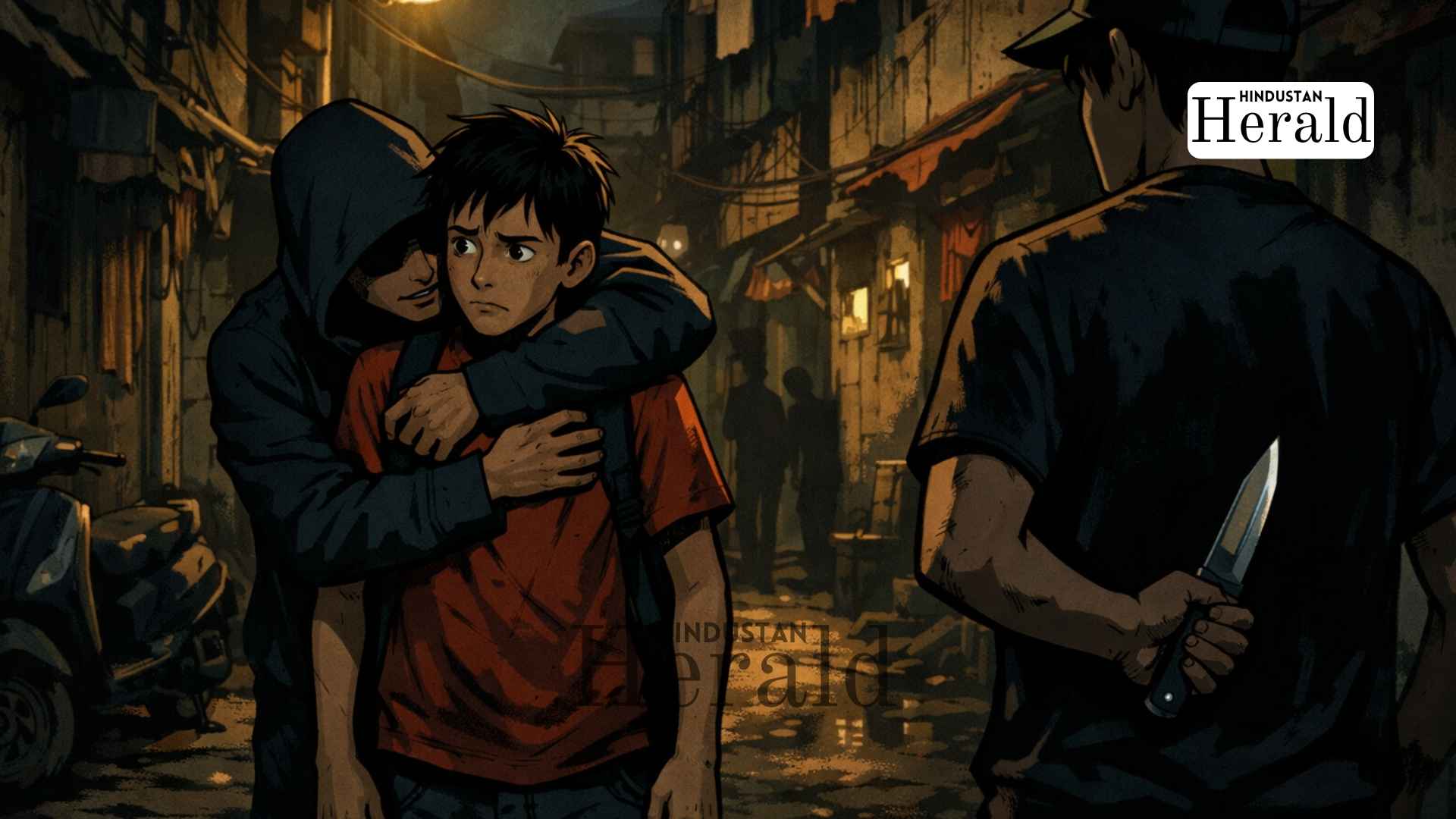
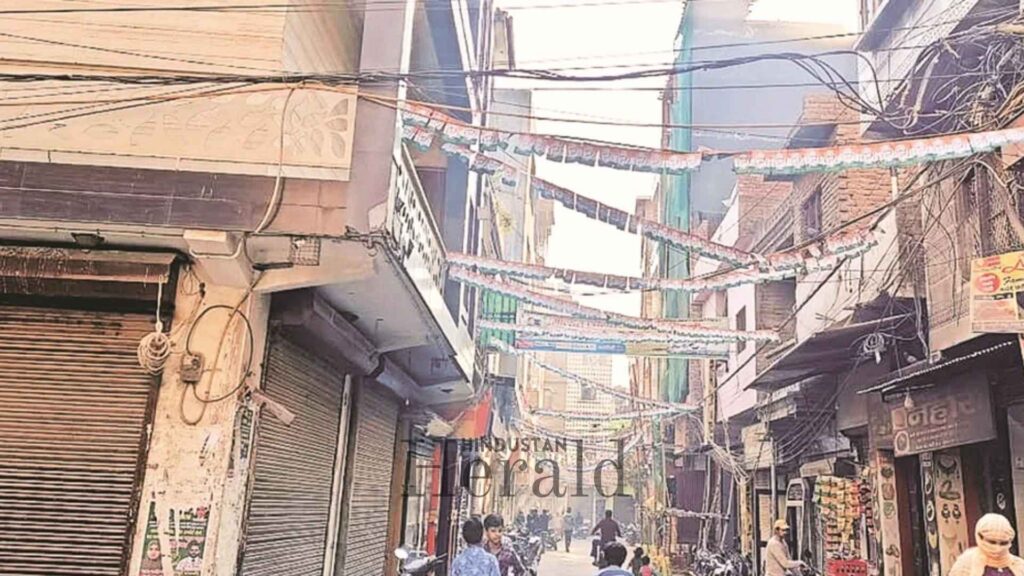
New Delhi, March 26: Sometime on Thursday morning, in a narrow gully of Dayalpur Extension in northeast Delhi, a sixteen-year-old boy was hugged by someone he apparently knew. Seconds later, he was bleeding on the ground.
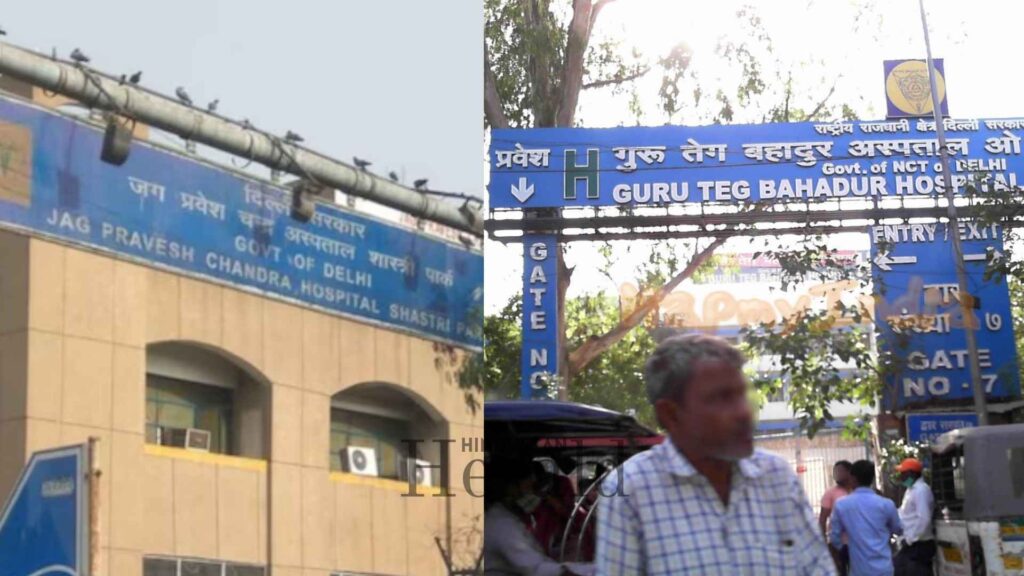
Subhan Malik did not make it. He was rushed to Jag Pravesh Chandra Hospital in Shastri Park, where doctors declared him dead before anyone could do much of anything. His body was later shifted to GTB Hospital for post-mortem. His family, by all accounts, had no warning this was coming. He had been home on a break from his religious studies, preparing to go back and continue memorising the Quran. He was weeks, maybe days, from returning.
Three minors have since been picked up by the Dayalpur Police. The youngest is thirteen. The oldest, seventeen.
What Happened In Gali No. 13
According to local residents, two to three assailants attacked the boy, inflicting multiple stab injuries before fleeing the scene. What has emerged from initial questioning is harder to stomach in some ways than the act itself. The accused minors told police that Subhan had been bullying one of them. That the stabbing was retaliation. That they had planned it, or at least decided on it, and acted together.
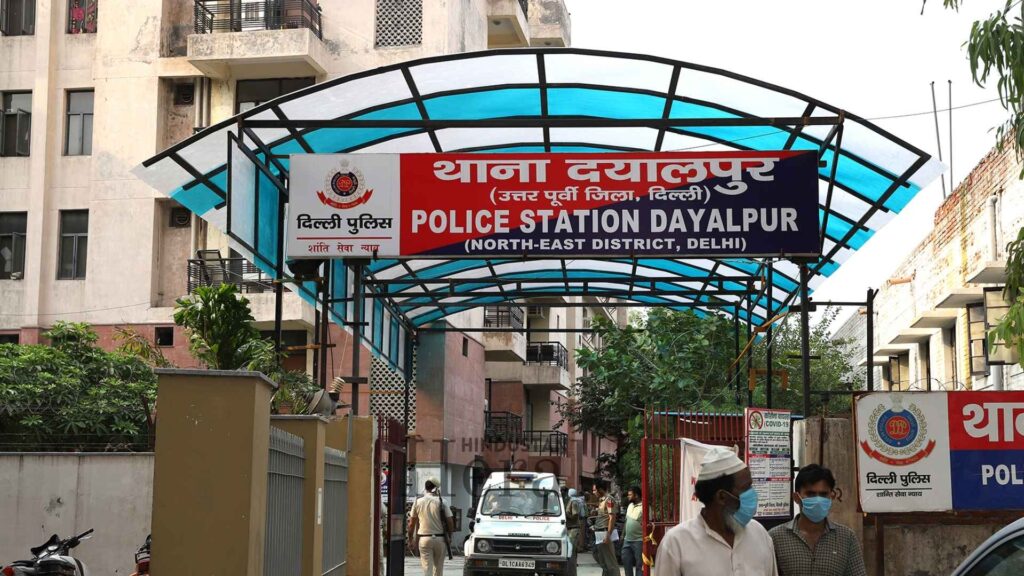
The knife was recovered at the instance of the accused. A forensic team visited the scene. CCTV footage from the surrounding lanes is being reviewed. A case has been formally registered at Dayalpur Police Station.
What the police have not yet established is whether anyone, any teacher, any parent, any neighbour, knew there was bad blood between these children before Thursday. Whether someone could have stepped in. Whether this was the kind of thing that had been building for weeks and simply never reached an adult who might have done something about it.
A Sixteen-Year-Old Who Was Going Back To School
Some details about Subhan are worth sitting with for a moment, because they tend to get buried under the forensic facts and procedural language of police statements.
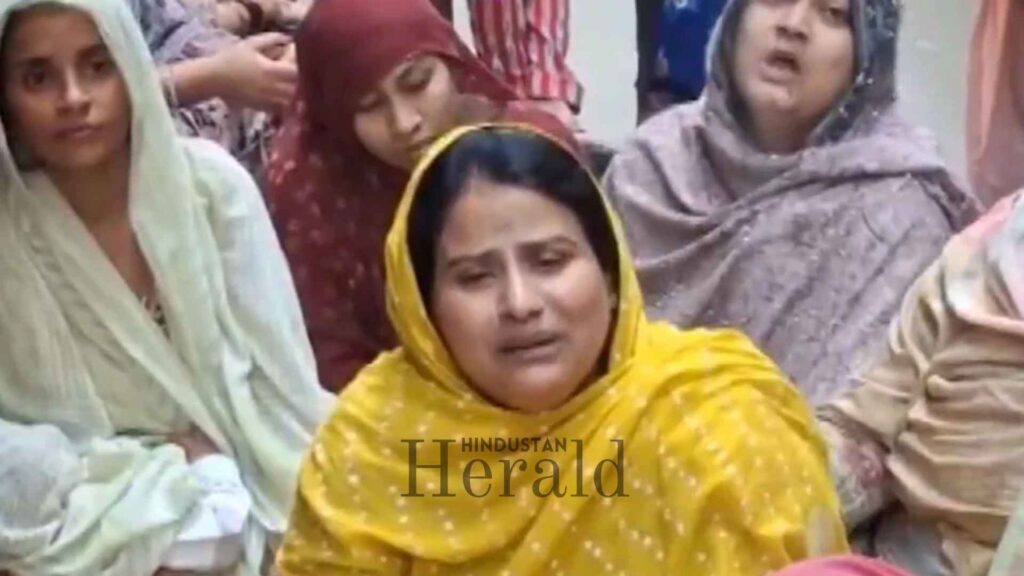
He was a student of Hifz, which is the practise of committing the entire Quran to memory. It is a serious undertaking, one that takes years of discipline and consistency, and it is not something families take lightly. His family had enrolled him at an institution outside Delhi. He had come home for a break. By accounts from the neighbourhood, he was due to return soon.
Whether the bullying allegation the accused have raised is accurate or not, and that is something investigators will have to establish, the picture that emerges of Subhan is not of a child at the edges of street life. It is of a teenage boy at home in his own gully, who was approached by people who had already decided what they were going to do to him.
Northeast Delhi, Again
In January 2025, a minor was stabbed to death by another minor in the same Dayalpur area. Preliminary investigations then had also pointed to a personal dispute that escalated into fatal violence. Different victim, different accused, same address. Same outcome.
Just six days before Thursday, Mustafabad next door was in the news for a separate incident. Two Muslim minors returning home from their Class 12 Hindi examination were allegedly assaulted by a group of boys on Karawal Nagar Road, with one of the victims telling police that he had been targeted because of his religious identity. That case is still under investigation. No convictions, no real answers yet.
Northeast Delhi has carried this reputation for a long time now, and it would be too easy to simply call it a law and order problem and move on. The deeper reality is structural. Dense resettlement colonies where migrant families from Bihar, UP, Jharkhand arrived a generation ago and never quite got the infrastructure that was supposed to follow. Schools that are overcrowded. Recreational spaces that largely do not exist. Young men who grow up measuring respect in terms of who backs down first.
That does not excuse what happened to Subhan Malik. But it does explain something about the soil in which it grew.
Children Killing Children
Police officials have noted in recent years that teenagers in Delhi, once largely involved in theft and snatching, are now increasingly turning up in cases of brutal stabbing and violent assault. The shift has been visible enough that criminologists and reporters have been writing about it for some time now. Still, every new incident seems to arrive as a surprise to the system, as though the pattern has not quite registered as a pattern yet.
One researcher, Virek Aggarwal, has argued that prolonged exposure to violent content online desensitises juveniles to the real-world consequences of aggression. That is part of it. But only part. Many of the juveniles involved in Delhi’s stabbings come from environments where disputes are settled through physical force because no other mechanism has ever reliably worked for them. By the time a school or a community might intervene, the anger has already been sitting for too long.
The data behind all of this is not abstract. NCRB figures, as reported by The Indian Express, show that over 92 murders and 154 serious attacks in Delhi were carried out by minors in one reported year alone. More than 33 teenagers were booked under the Arms Act for carrying weapons. These are not outliers. They are a pattern that has been documented, discussed in seminars, flagged in police reports, and then largely left unaddressed while the incidents keep coming.
What The Law Can And Cannot Do
The three minors apprehended in Thursday’s case will be processed under the Juvenile Justice (Care and Protection of Children) Act, 2015. They will appear before a Juvenile Justice Board, not a regular criminal court. A social investigation report will be prepared on each of them. The emphasis, at least in theory, will be on reform rather than punishment.
Under the current law, the maximum sentence for a juvenile is three years, regardless of the severity of the offence, unless the Board determines the accused is fit to be tried as an adult in a heinous case. Given that at least one of the three accused is reportedly thirteen years old, the question of how the system balances accountability with the reality of who these children are will be tested here.
None of that, of course, brings Subhan back.
The Question Nobody Wants To Answer
There is a version of this story that ends with the arrests, the post-mortem, the CCTV analysis, and a charge sheet. That version is already being written at Dayalpur Police Station right now. It is the version that the system knows how to produce.
The harder version is the one that asks what a thirteen-year-old is doing with a knife in his hand in a residential gully at that hour of the morning. What conditions produced that. Which adult in that child’s life saw nothing, or saw something and did not act. Whether the school these children attended, if they attended one, had any mechanism for identifying and defusing exactly this kind of escalating grievance before it turned fatal.
That version does not get written as often. And so, next year or the year after, there will be another gully, another sixteen-year-old, another set of minors in custody, and another round of the same conversation.
For now, a family in Nehru Vihar is preparing for a burial. A boy who was going back to his studies will not be going back. And the neighbourhood he lived in is once again under police vigil, the kind that typically lasts a few days before things go quiet again.
Until the next time.
Stay ahead with Hindustan Herald — bringing you trusted news, sharp analysis, and stories that matter across Politics, Business, Technology, Sports, Entertainment, Lifestyle, and more.
Connect with us on Facebook, Instagram, X (Twitter), LinkedIn, YouTube, and join our Telegram community @hindustanherald for real-time updates.

Regional journalist bringing grassroots perspectives and stories from towns and cities across India.
- Sandeep Verma

- Sandeep Verma
- Sandeep Verma
- Sandeep Verma