
 By Ananya Sharma
Thiruvananthapuram, April 12: K.C. Venugopal as Kerala’s Next Chief Minister? Sunny Joseph Left the Door Wide Open
Nobody was expecting a direct answer from Sunny Joseph on Sunday. That’s not how Congress works, and everyone in Kerala’s political circles knows it. But when the KPCC president was asked about K.C. Venugopal’s prospects as Chief Minister, he did something more significant than giving one. He refused to say no.
Joseph hinted openly at the possibility of AICC General Secretary Venugopal becoming Kerala’s Chief Minister if the UDF wins the assembly polls. He said the decision would come only after consultations with the high command and senior leaders, but critically, he did not rule Venugopal out. In the world of Congress politics, where everything is said through calibrated indirection, that non-denial is practically a declaration.
The state voted three days ago. Results are still three weeks away. Counting is scheduled for May 4, 2026. But in that gap between polling and the result, the jockeying has already begun. And Venugopal’s name, dropped casually but deliberately by the KPCC chief, is now sitting right at the centre of a conversation that will only get louder.
So Who Exactly is Venugopal?
Ask most people outside Kerala, and they’ll know him as the Congress’s organisational man in Delhi, the one who manages the party’s inner machinery. That picture is accurate but incomplete.
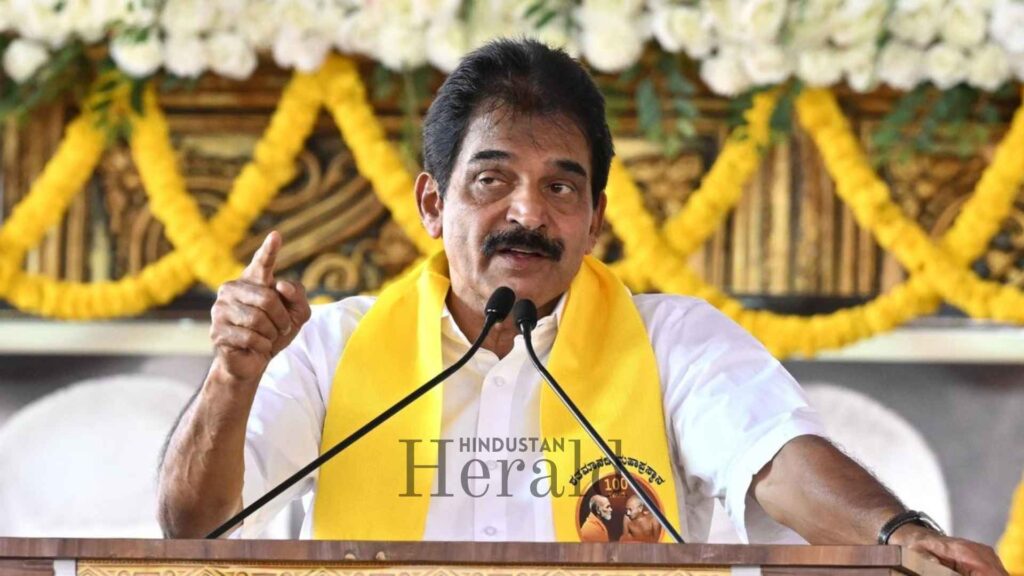
Born in Payyanur in Kannur district on February 4, 1963, Venugopal is a Lok Sabha MP from Alappuzha and has served as AICC General Secretary (Organisation) for years. He was a Rajya Sabha MP from Rajasthan, has won from Alappuzha three times as MLA in 1996, 2001 and 2006, and served as Cabinet Minister for Tourism and Devaswoms in the Kerala government in 2004.
So the man has roots. Deep ones. He is not parachuting into Kerala politics from some distant national orbit. Alappuzha knows him, and he knows Alappuzha. That matters, especially because he contested this very election from that seat.
Still, the optics are complicated. A move from AICC General Secretary to the state Chief Minister is not a routine career step. It would mean stepping back from the national command structure, where Venugopal holds real influence, to take on the grinding day-to-day demands of running a state government. That kind of shift does not happen unless the party, and more specifically, the high command, decides it is worth it.
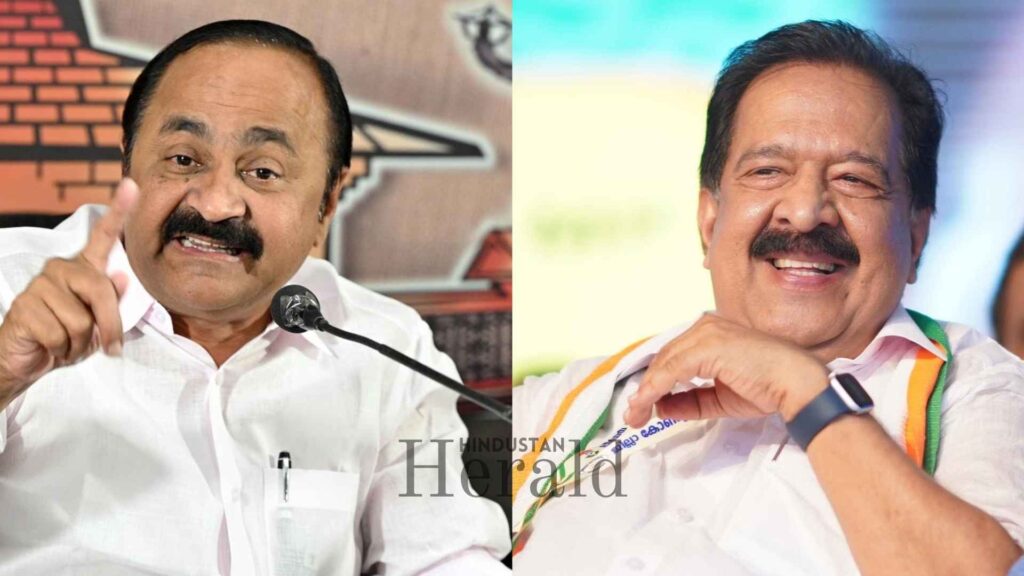
Satheesan and Ramesh Chennithala are also in the CM conversation, and both carry significant standing within the front. But neither of them prompted the KPCC president to publicly refuse to dismiss them. Venugopal did.
The Mood Going Into April 9
The UDF entered polling day with a kind of confidence that its workers had not felt in a long time. Five years of being in the wilderness will do that to a party when the tide finally appears to be turning.
Venugopal himself had said UDF would win more than 100 seats. “People of Kerala are completely, totally ready for a change,” he declared, adding that people were saying ‘No’ to a third LDF term even before the question was finished. It was campaign rhetoric, sure. But it was not baseless.
The Manorama News-C Voter survey, one of the largest pre-poll surveys conducted in Kerala, projected UDF winning between 69 and 81 seats, with the LDF dropping to somewhere between 57 and 69, a dramatic fall from its 99-seat dominance in 2021.
Voter turnout gave both sides reason to spin. The final figure came in at 78.27 per cent. Kozhikode led at 81.35 per cent, Pathanamthitta was lowest at 70.76 per cent. High turnout in the north, where the UDF has been gaining ground since the 2024 Lok Sabha elections, is something Congress strategists were paying close attention to.
Vijayan Wasn’t Conceding Anything
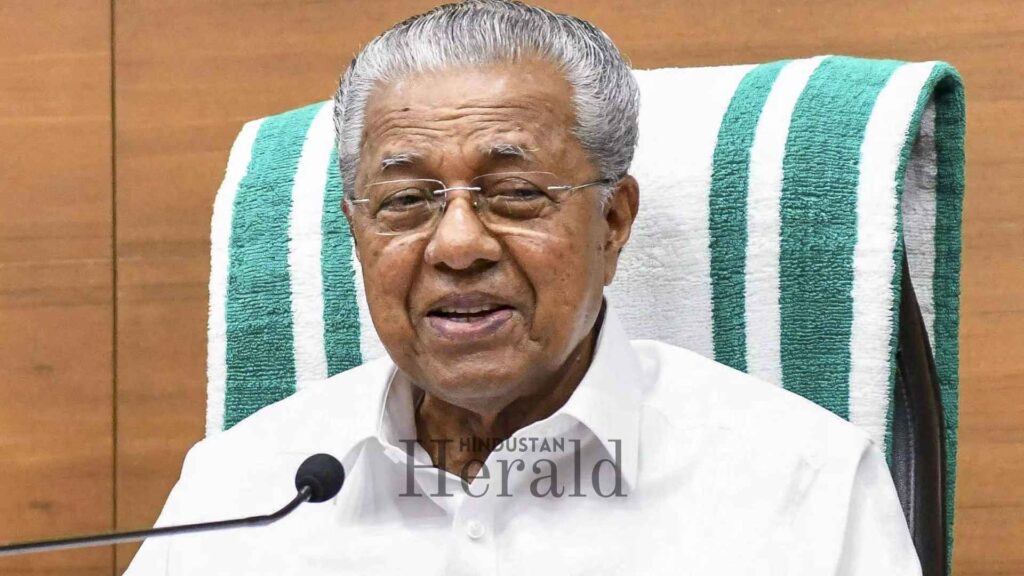
For all the opposition’s confidence, Pinarayi Vijayan did not look like a man preparing to pack up. After casting his vote, the Chief Minister said the LDF would return to power with a larger mandate and cited continued public support for the government’s development record. CPM state secretary M.V. Govindan went further, suggesting the higher turnout was actually an advantage for the Left.
This is the LDF’s consistent argument, and it is not without logic. The party has governed Kerala since 2016. It achieved something genuinely unusual in 2021 winning a second straight term in a state that has rarely allowed it. The LDF’s 99-seat haul in 2021 against UDF’s 41 was a rout, and the party’s organisational presence across the state remains formidable. An organisation that entrenched does not crumble overnight, regardless of what surveys suggest.
That said, the arithmetic is different this time. Anti-incumbency after ten years in power is a real force in any democracy. The UDF has spent five years rebuilding, and the local body elections and 2024 Lok Sabha results showed the tide shifting. As one analysis put it, Kerala has long followed a simple electoral rhythm cross the low 40s in vote share, and power usually follows. The UDF appeared close to that threshold.
Venugopal’s Campaign Was Anything But Quiet
Whatever happens on May 4, Venugopal earned his prominence in this election through sheer aggression on the campaign trail. He was not a passive face on a poster.
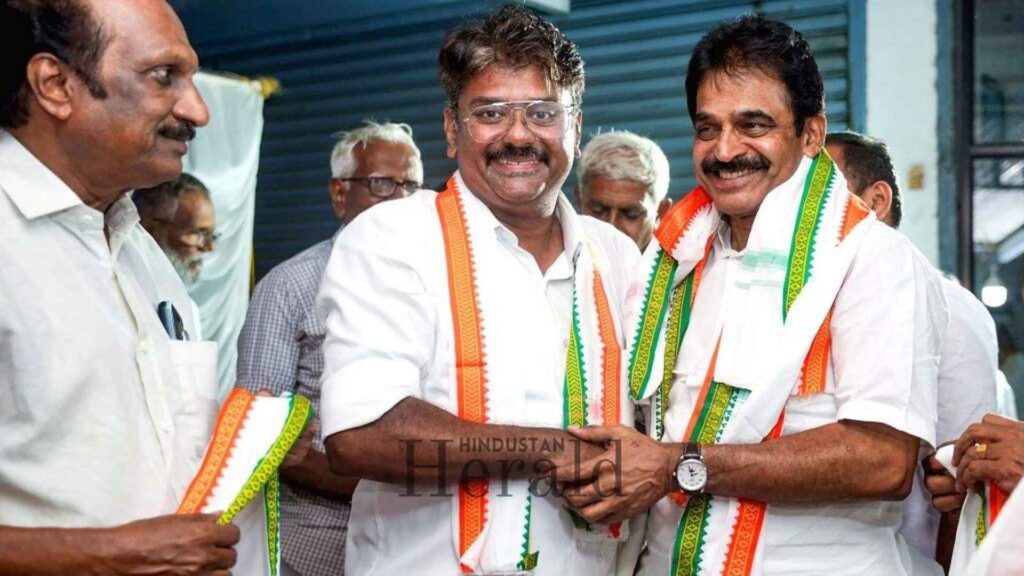
On the final day of public campaigning, he wrote an open letter directly to Chief Minister Vijayan, raising ten pointed questions about the LDF government’s functioning, including allegations of secret deals with BJP leaders and meetings between Vijayan and Union Home Minister Amit Shah at his residence in New Delhi, without any officials present.
He also questioned repeated delays in the SNC-Lavalin case at the Supreme Court, and flagged stalled investigations into gold and dollar smuggling cases that seemed to have stopped progressing once they got close to the Chief Minister’s office.
The CPI(M) did not respond publicly. Which, depending on how you read it, is either confidence or discomfort. Venugopal clearly calculated it was the latter.
Three Names, Three Very Different Cases
If the UDF does form a government, the CM decision will not be simple. The three names most often mentioned, Satheesan, Chennithala, and now Venugopal, each represent a fundamentally different argument about what a Congress-led government in Kerala should look like in 2026.
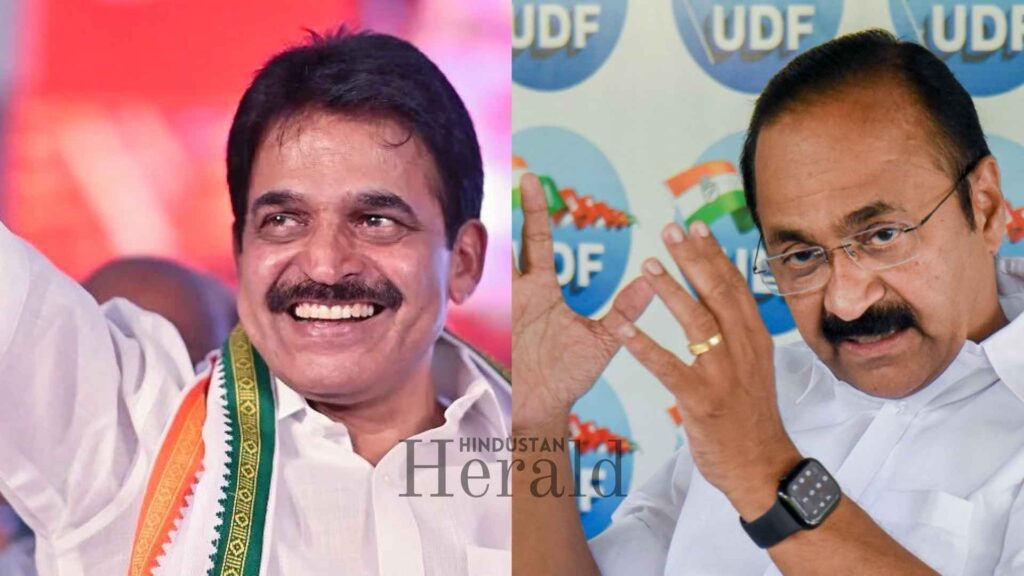
Satheesan is the in-state man who held the opposition together through five difficult years. Organised, sharp, knows every constituency. His supporters will argue he earned this.
Chennithala is an experienced institutionalist. Former Home Minister, former KPCC president, wide network, deep relationships with the front’s coalition partners.
Venugopal brings something neither of them has direct access to the Congress high command and a national stature that carries weight at the Centre. In a state that depends significantly on central funds and clearances, that is not a small thing.
The high command will weigh all of this. And the numbers will matter enormously. A landslide for the UDF gives Delhi the confidence to make a bold choice. A narrow majority, if it comes, will likely favour a safer, more locally rooted option.
The Alappuzha Factor
One thing people are not saying loudly but are certainly thinking: Venugopal’s own result from Alappuzha will quietly shape whatever case his supporters make. A comfortable personal margin suggests mandate and momentum. A squeaky win, even if it counts, is harder to present as a springboard to the CM’s chair.
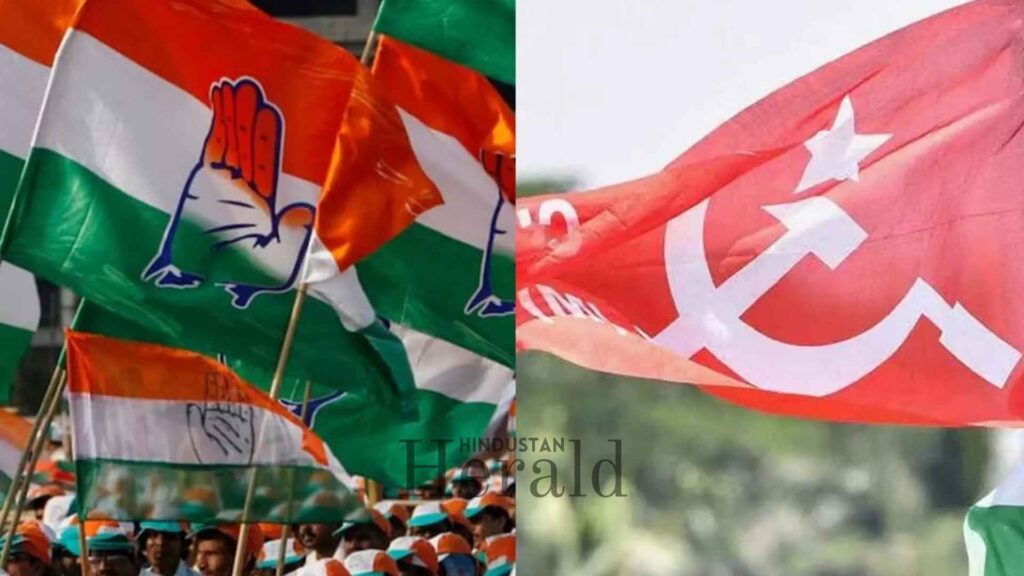
Alappuzha has historically been competitive between the LDF and UDF, and the constituency’s result will be watched as closely as any other on May 4.
For Now, the Waiting Game
Sunny Joseph said what he said. He did not walk it back. The high command has not commented. Venugopal himself has not spoken on the subject. And that silence, from all three directions, is itself a signal that nobody is closing this door in a hurry.
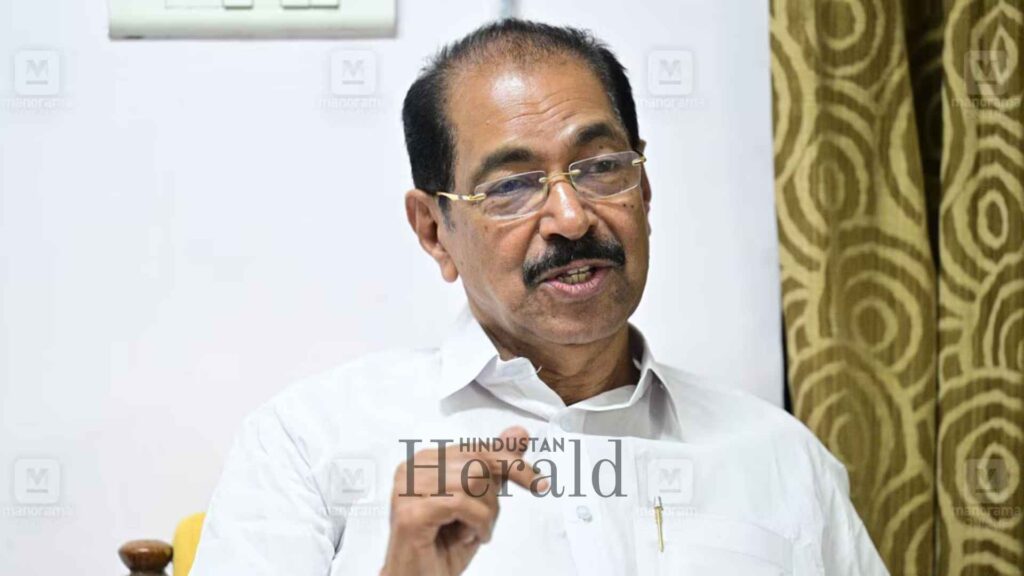
Kerala voted. Three weeks remain. And the Chief Minister’s question for the Congress has never been more genuinely open.
Stay ahead with Hindustan Herald — bringing you trusted news, sharp analysis, and stories that matter across Politics, Business, Technology, Sports, Entertainment, Lifestyle, and more.
Connect with us on Facebook, Instagram, X (Twitter), LinkedIn, YouTube, and join our Telegram community @hindustanherald for real-time updates.

Covers Indian politics, governance, and policy developments with over a decade of experience in political reporting.
- Ananya Sharma

- Ananya Sharma
- Ananya Sharma
- Ananya Sharma


 Arun Upadhayay