
 By Sandeep Verma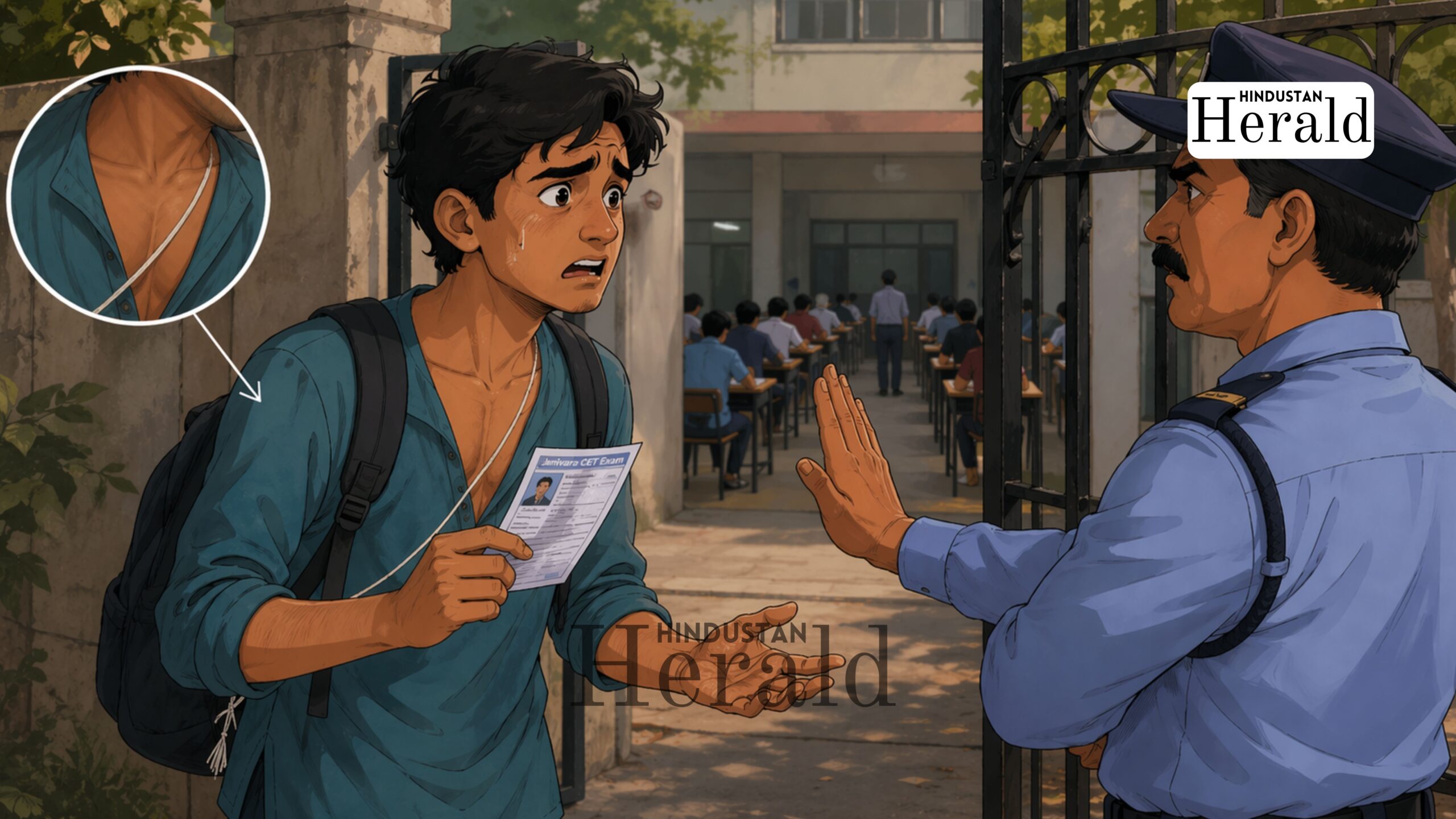
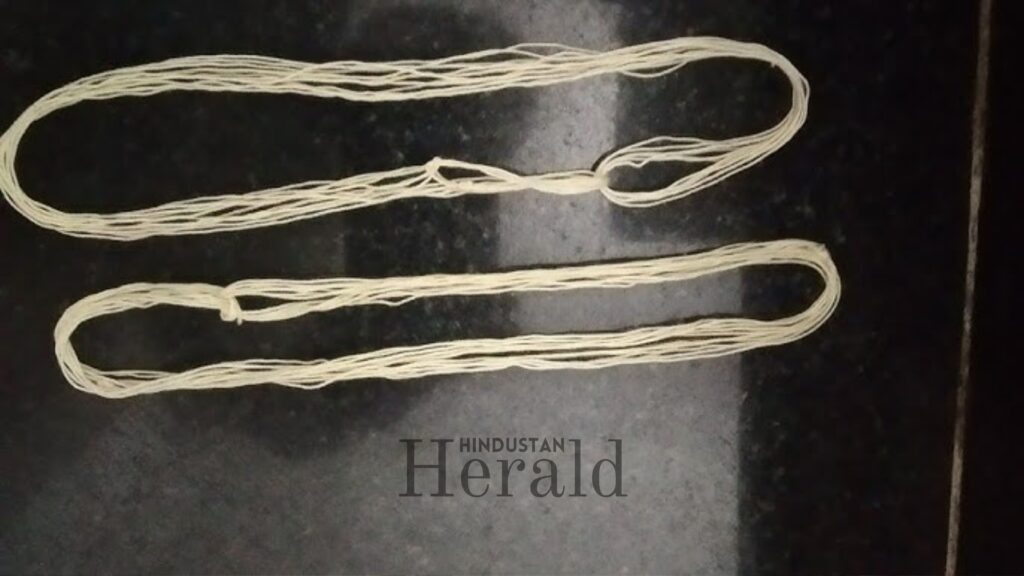
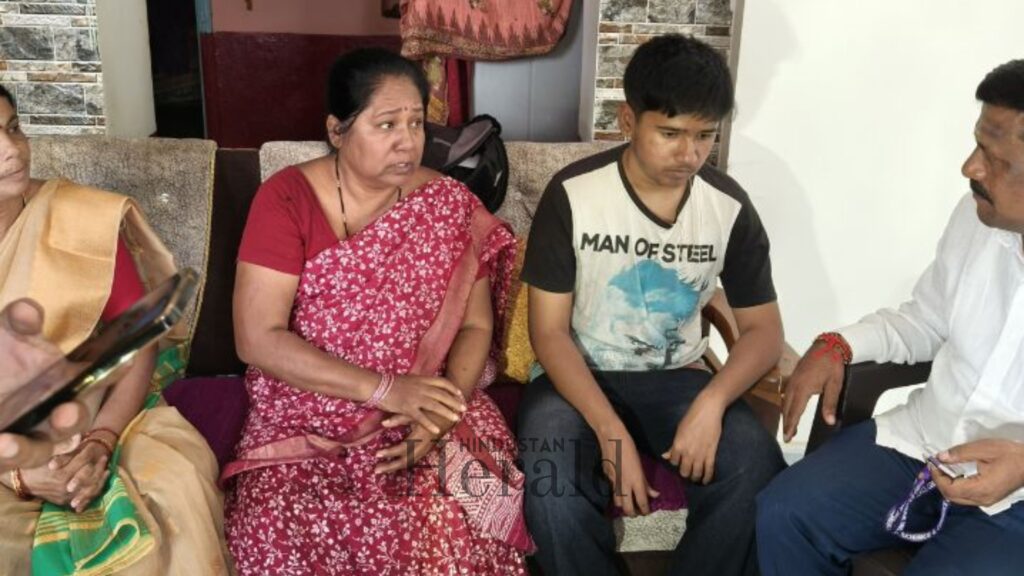
Bengaluru, April 24: There is something deeply uncomfortable about the image that has come out of Madiwala this week. A young man, dressed and ready for one of the most important examinations of his academic life, turned away at the gate because of a thread. A thin, woven thread he has worn since childhood, placed on him during a ritual his family considers sacred, told to take it off or go home.
He went home. His parents removed the Janivara. And then they sent him back.
That is how Anand Sudhir Rao’s Thursday began.
The Morning It All Fell Apart
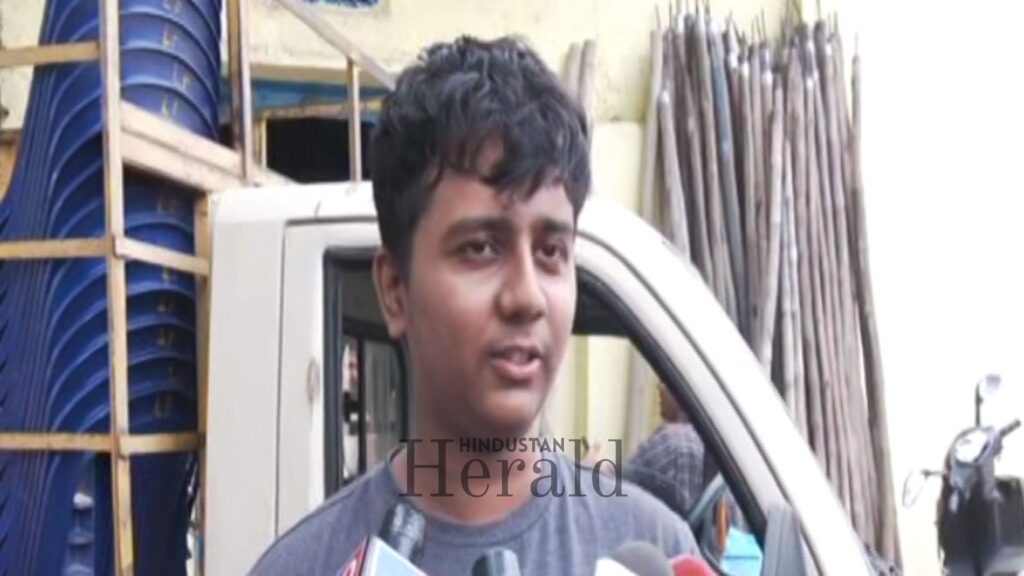
The Common Entrance Test was underway across Karnataka on April 23, and at the Kripanidhi College centre in Madiwala, Bengaluru, more than five students were reportedly stopped at the entrance or questioned over wearing the Janivara, the sacred thread that Brahmin men wear as part of a lifelong religious commitment that begins with the Upanayana ceremony. For most families, asking a son to remove it before a public examination is not a small ask. It is an instruction that cuts against something they consider non-negotiable.
And yet, that appears to be exactly what happened.
By the time the situation began escalating, parents had gathered, voices had been raised, and the story was already moving past the exam centre walls and into the phones and WhatsApp groups of community members across the city. The local Tahsildar arrived. Education officers followed. Police came too. The centre’s administration, caught in the middle of something that had clearly gone sideways, backtracked. An apology was offered to the affected families. Students wearing the Janivara were allowed inside. The exam was written.
But the damage, as far as many in the community were concerned, had already been done.
“It Has Not Come To Our Notice”
Higher Education Minister M.C. Sudhakar turned up at the Kripanidhi centre on April 24. He spoke to the media. He said the dress code information was available on the website, that awareness had been spread, that the Karnataka Examinations Authority had not been officially informed of the Kripanidhi incident. He called it, more or less, a contained matter.
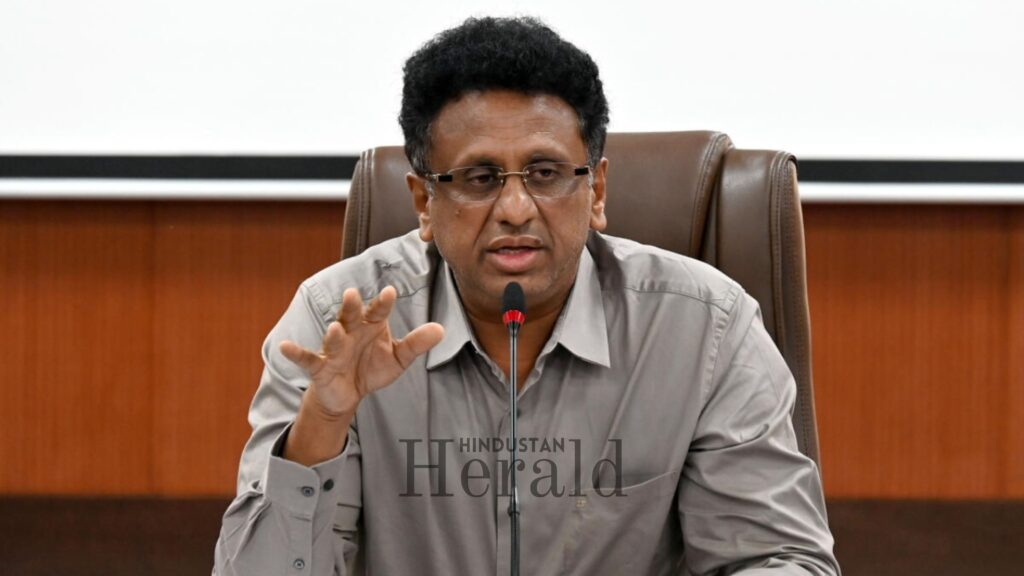
“If that is the case, if the centre staff does that, we will get a report and take action,” he said.
He also said something that many parents found harder to swallow. He suggested that some people do this deliberately, to create controversy, to bring a bad name to society. Maybe that is true in some cases. But it did not explain why students were stopped in the first place, why the centre had to be visited by the Tahsildar before anyone thought to let them in, or why the family of Anand Sudhir Rao had to make the call that they did on a Thursday morning outside an examination hall.
The Minister’s framing, for many people listening, felt like it was addressing a different incident than the one that had just taken place.
Bidar. Again.
Here is the part that makes this whole episode harder to explain away. Last year, during the 2025 CET cycle, a student named Suchivrat Kulkarni from Bidar district was refused entry to his mathematics paper for the exact same reason. Same thread. Same examination. Same confusion, same distress, same family having to make a call nobody should have to make outside an exam centre.
After that incident, the examination authority acknowledged what had happened and reportedly assured that steps would be taken so it would not happen again.
It happened again.
Not at one centre this time. Reportedly at multiple centres, on the same day. Which raises a question that is harder to brush off than the Minister’s press statement: what exactly did the authority do after the Bidar incident, and why did none of it reach the invigilators and staff at Kripanidhi College on April 23?
Somewhere between the assurance that was given and the morning that unfolded this week, something failed. Whether it was a training gap, a communication breakdown, or just the kind of institutional inertia where promises made after a controversy quietly dissolve once the news cycle moves on, the result was the same. A student at a gate. A thread in question. A family told to choose.
What The Dress Code Is Actually For
The CET dress code exists for a legitimate reason. Competitive examinations in India have a long and well-documented history of malpractice, and the restrictions on clothing and accessories are genuinely aimed at reducing the risk of students carrying concealed notes or devices into the hall. Full-sleeved shirts, bulky footwear, certain kinds of jewellery, anything that could plausibly hide something, these restrictions make sense.
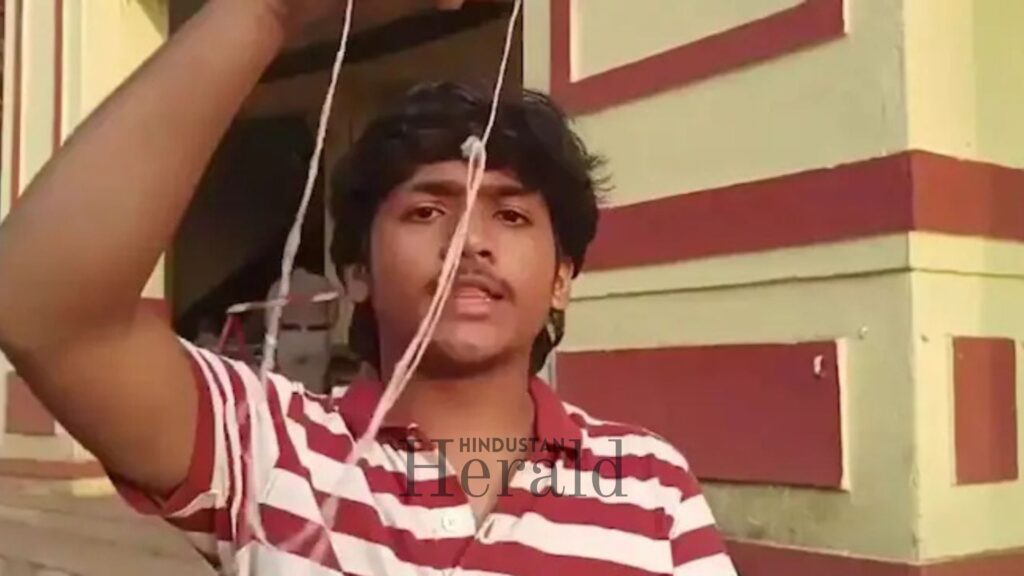
A Janivara is a thread. It is worn against the skin, under clothing, across the chest and shoulder. It conceals nothing. It carries nothing. It is not, by any stretch of the dress code’s stated purpose, a malpractice risk.
The repeated confusion over this suggests that whoever briefs examination centre staff before CET either is not addressing this explicitly or is not reaching the people who need to hear it. Either way, it keeps producing the same outcome, and the students and families bearing the consequences are not the ones who created the gap.
A Community That Is Watching
By the evening of April 24, the response from community groups representing Karnataka’s Brahmin families was pointed. The sense being expressed was not simply about this one incident, but about a pattern of treatment that gets acknowledged after the fact, generates a brief round of apologies and assurances, and then quietly recurs the following year.
For these families, the Janivara is not a fashion choice or a tradition they picked up casually. It is something worn since childhood, tied to a ritual that marks a boy’s formal entry into religious life. Being told to remove it at a government examination centre, in public, while other students watch, is experienced as something more than an administrative inconvenience.
The apology at Kripanidhi was welcomed. The ministerial visit was noted. But neither of those things changes what Anand Sudhir Rao’s family went through on Thursday morning, and neither of them, on their own, prevents the same thing from happening next April.
What Needs To Happen Now
There is a straightforward fix available here, and it does not require a policy overhaul or a new committee. The KEA could publish a clear, unambiguous addendum to the CET dress code that explicitly names religious markers, Janivara, rudraksha, kada, and others, as items that are not restricted under the dress code, and circulate that guidance to every examination centre before the next cycle begins.

Whether that happens, or whether the next CET season arrives with the same ambiguity baked in, is a choice the authority will make in the months ahead. For the students and families who go through this every year, the waiting gets harder to justify.
Stay ahead with Hindustan Herald — bringing you trusted news, sharp analysis, and stories that matter across Politics, Business, Technology, Sports, Entertainment, Lifestyle, and more.
Connect with us on Facebook, Instagram, X (Twitter), LinkedIn, YouTube, and join our Telegram community @hindustanherald for real-time updates.

Regional journalist bringing grassroots perspectives and stories from towns and cities across India.
- Sandeep Verma

- Sandeep Verma
- Sandeep Verma
- Sandeep Verma