 By Sandeep Verma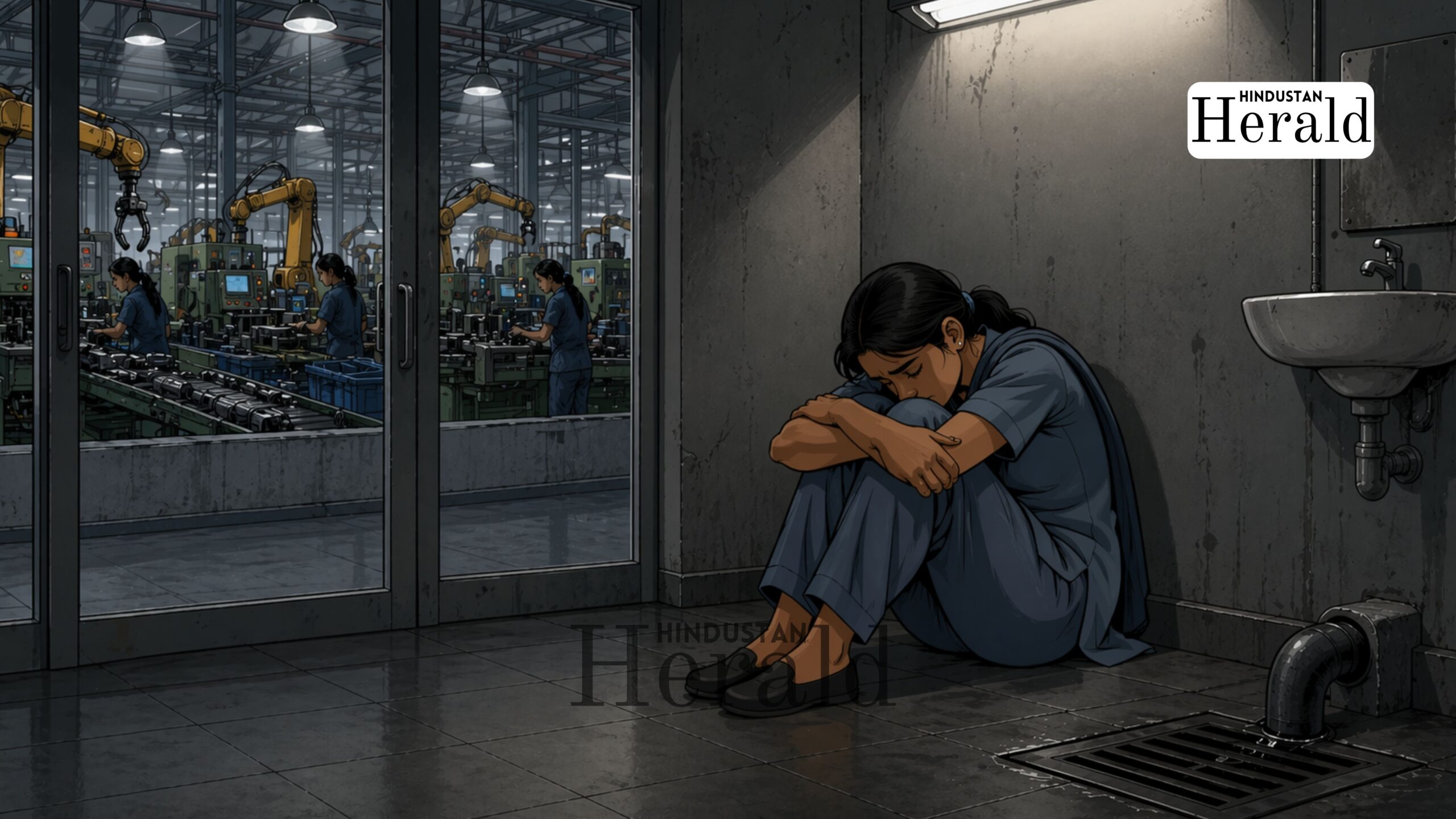
Bengaluru, April 24: A blocked pipe. That is what cracked this case open. Nobody raised an alarm. Nobody noticed anything unusual. It was only when the cleaning staff at a Foxconn factory on Hosur Road went to check why a toilet drain had stopped working that they found what they found. A newborn. Inside the pipe. Dead.
What followed was the kind of investigation that moves fast once it starts. Bengaluru Rural Police pulled up CCTV footage, started asking questions, and worked through the list of employees who had used that restroom around the time it happened. And within a short while, a 19-year-old woman who worked on the factory floor was sitting in front of them, answering questions she clearly had not expected to answer.
She has now been arrested. The baby’s body has been sent for a post-mortem. And Bengaluru is trying to make sense of something that, honestly, defies easy sense-making.
She Was 19 Years Old
Let that sit for a moment.
Nineteen. Working a factory job in a city far from wherever she called home. Living, most likely, in shared accommodation with other workers. Eating in a common canteen. Clocking in, clocking out, doing what was expected of her.

And carrying a pregnancy that, apparently, nobody around her knew about. Or if someone did know, they said nothing, saw nothing, reported nothing.
At some point, she went into a factory toilet and had that baby alone. According to what police have established so far, she then cut the infant’s throat and tried to push the body down the drain. When the pipe blocked, everything unravelled.
The police version of events is still preliminary. The post-mortem results are awaited. But the broad shape of what happened is not really in dispute anymore.
This Factory, This City, This Ambition
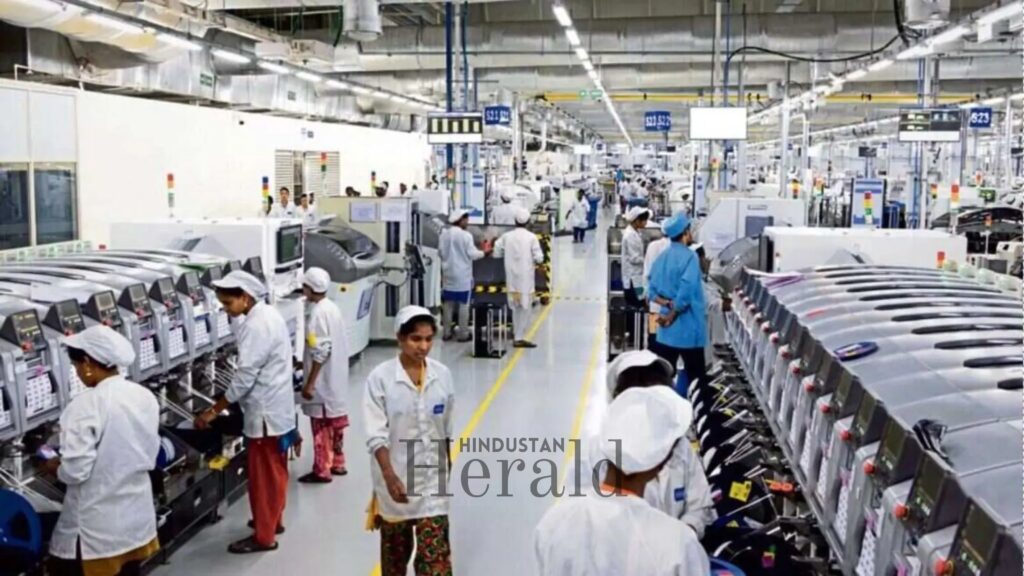
The Foxconn plant on Hosur Road is not some obscure workshop. It is part of India’s big bet on becoming a serious player in global electronics manufacturing. The factory assembles Apple iPhones. It is the kind of facility that gets mentioned in government press releases about foreign investment and job creation and India’s rise as a manufacturing destination.

Foxconn itself is a Taiwanese company, one of the biggest contract manufacturers on the planet. It makes products for some of the most valuable brands in the world. In India, it has set up facilities in Tamil Nadu and Karnataka, employing thousands of workers, a large share of them young women from smaller towns who come to the city looking for a steady income.
The company made news in 2024 when workers at its Chennai-area plant fell sick after eating contaminated food, triggering protests and a temporary shutdown. That episode raised questions about how these workers are housed, fed, and cared for. Those questions were asked for a few weeks, and then the news cycle moved on.
The Bengaluru plant had stayed out of the headlines until now.
Foxconn has not said anything publicly about this incident. No statement, no response.
Why Would Someone Do This
This is the question everyone is asking. And it deserves a real answer, not a comfortable one.
In India, for a young unmarried woman, an unexpected pregnancy is not just a personal crisis. It can be the kind of thing that ends her relationship with her family. Gets her thrown out of her home. Costs her the job she came to the city for. Marks her in ways that follow her for years. In some communities, in some families, the consequences go beyond humiliation. They get dangerous.

She was 19. She was alone in a city. She had no obvious support system. And she was pregnant in a situation where being pregnant was, from where she was standing, a disaster.
None of that is a justification for what happened to that infant. A child died. That is a crime, and it will be treated as one. But calling this pure cruelty and leaving it there is the easy answer. The honest answer is messier.
The honest answer is that this young woman probably spent months in a state of quiet, grinding panic. She probably had no one she felt she could tell. She probably looked at her options, or what felt like her options, and saw nothing but walls. And so she did what desperate people sometimes do. She waited. She hoped it would somehow resolve itself. And then one day in a factory toilet in Bengaluru, it did not.
The System That Was Not There For Her
Bengaluru is a city with hospitals, clinics, helplines, and government schemes. On paper, a pregnant woman in this city has places she can go.
But a young migrant factory worker earning a basic wage, without health insurance, without paid leave she can actually use, without family nearby, and terrified that any disclosure means losing everything she has, does not experience the city the way someone reading this article does. For her, those resources might as well be in another country.

India has something called the Cradle Baby Scheme in some states. It is a programme that allows a mother to leave a newborn anonymously at a designated government facility without being prosecuted. No questions asked. The baby gets care, and the mother is not jailed.
Whether this woman knew that existed is not known. Whether she could have realistically accessed it even if she did know, given her circumstances, is another question entirely.
These are not questions that will be asked loudly in the days ahead. The story will focus on the crime. On the arrest. On the horror of what was found in that pipe. And those things deserve attention. But the silence around the support structures that were absent here, that silence is part of the story too.
What the Police Are Doing Now
The Bengaluru Rural Police have registered a formal case. The accused is in custody. The post-mortem on the infant is underway, and investigators are waiting on the forensic report to nail down the exact cause of death and to fill in some of the gaps that still exist in the timeline.
If the post-mortem confirms the infant was born alive, the charges are going to be serious. Indian law is unambiguous about the killing of a newborn. At the same time, courts in India have, in past cases like this, looked at the circumstances of the mother, her mental state, and her social situation before deciding on sentencing. That does not always result in leniency, but it does mean the full picture matters legally as well as morally.
The investigation is continuing. More should become clear in the coming days.
The Thing Nobody Wants to Say
Here is what this case is really about, underneath all the crime reporting and the factory name and the famous brand whose phones get made there.

A teenage girl fell through every crack there was to fall through. Her family, if they knew, were not a safe place. Her workplace, where she spent most of her waking hours, had nothing in place to catch her. The city around her was full of resources she could not access. And so she ended up alone in a toilet, making the worst decision of her life.
That does not mean she should not be held accountable. She should, and she will be.
But if this story ends with just an arrest and a court date, and nothing changes about how young women workers in industrial facilities are supported, screened, and given safe ways to ask for help, then the next version of this story is already being written somewhere. In some other factory. By some other terrified 19-year-old who has nowhere to turn.
Bengaluru likes to call itself the Silicon City. A city of the future. A city that builds the phones the whole world uses.
It would do well to ask what kind of city it actually is for the people who build them.
Stay ahead with Hindustan Herald — bringing you trusted news, sharp analysis, and stories that matter across Politics, Business, Technology, Sports, Entertainment, Lifestyle, and more.
Connect with us on Facebook, Instagram, X (Twitter), LinkedIn, YouTube, and join our Telegram community @hindustanherald for real-time updates.

Regional journalist bringing grassroots perspectives and stories from towns and cities across India.
- Sandeep Verma

- Sandeep Verma
- Sandeep Verma
- Sandeep Verma