
 By Sandeep Verma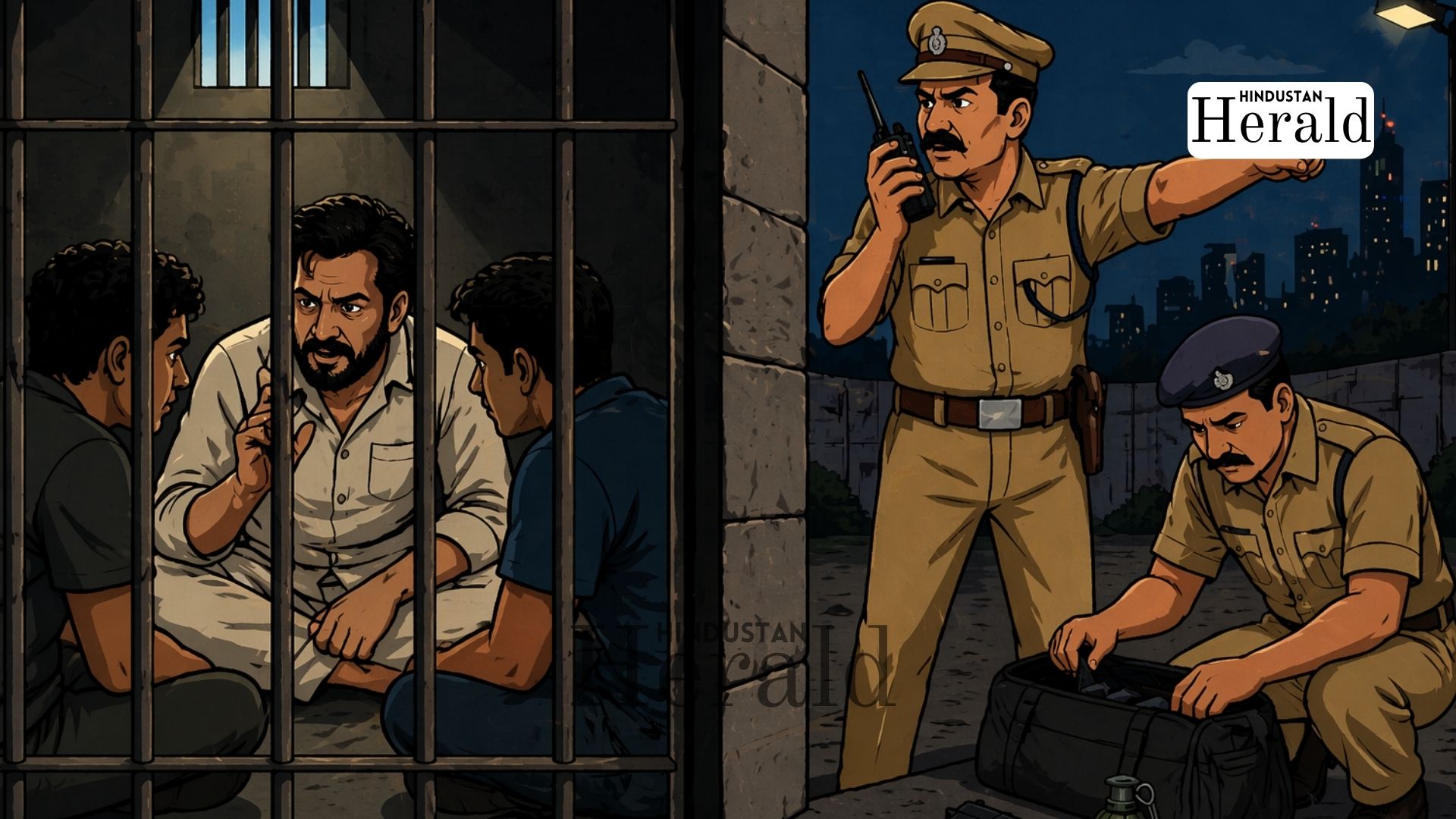
Bengaluru, April 22: A man already locked up for life decided that prison was not going to stop him. And for a while, it did not.
That is the short version of what a special NIA court in Bengaluru ruled on this week, sentencing seven men to seven years of rigorous imprisonment in a terror conspiracy case that, when you actually read through the details, is the kind of story that makes you pause.

T. Nasir is not a new name in Karnataka’s crime and security circles. He was convicted for the 2008 Bengaluru serial bomb blasts, handed a life sentence, and sent to Parappana Agrahara Central Jail. Most people assumed that was the end of it. It was not.
From His Cell, He Was Still Working
According to the National Investigation Agency, Nasir spent his years inside prison doing something far more dangerous than serving time quietly. He was identifying young men around him, inmates who had landed in jail for ordinary criminal cases, and pulling them into his world. Talking to them. Teaching them. Recruiting them into the Lashkar-e-Taiba network that put him behind bars in the first place.

Think about that for a moment. A man convicted of bombing a city, sitting in a high-security prison, somehow finding enough room to run what is essentially a recruitment drive. The NIA’s own findings describe him as actively pushing Islamic fundamentalist ideology on vulnerable inmates who had no prior connection to terrorism. Some of them became the six men sentenced alongside him this week: Syed Suhail, Mohammad Umar, Zahid Tabrez, Syed Mudassir Pasha, Mohammad Faisal Rabbani, and Sanman Khan.
Each of them has now been sentenced to seven years rigorous imprisonment and fined Rs 48,000.
The Raid That Started Everything
None of this might have come to light when it did if not for a routine-ish police operation in RT Nagar, a busy residential area in north Bengaluru, back in 2023.
The Central Crime Branch went to search the home of a man named Junaid Ahmed. What they found there was not what you find in a normal house. Live grenades. Pistols. Bullets. In a north Bengaluru apartment.
That discovery triggered a wider search. Police went to other addresses connected to the accused and kept finding things they were not supposed to find. Walkie-talkies. More ammunition. Digital devices. When those devices were examined, investigators found something worse than weapons. They found active communication channels running straight to terrorist organisations.

The NIA took over at that point, and what had started as a local police case became a full national security investigation.
There Was a Plan to Break Him Out
Here is where it gets even more serious. The NIA investigation did not just uncover radicalisation inside prison. It uncovered a specific operational plan to free Nasir.
The idea, as investigators pieced it together, was to attack the vehicle carrying Nasir from jail to court. That route, that brief window when a prisoner moves between two secured locations, was identified as the moment to strike. It is not an amateur idea. It requires planning, people, and resources positioned on the outside.
Junaid Ahmed was apparently the man coordinating that side of things. He is now abroad, has been since the arrests began, and despite the NIA filing a chargesheet against him, he has not been found. The agency says it is still working to track him down.
Going Back to 2008
The 2008 Bengaluru blasts hit the city at a time when similar attacks were going off across India. Jaipur. Ahmedabad. Delhi. All within the same year. The attacks were linked to the Indian Mujahideen, with Lashkar-e-Taiba fingerprints all over the operational planning. People died. Many more were wounded. The investigations that followed took years.
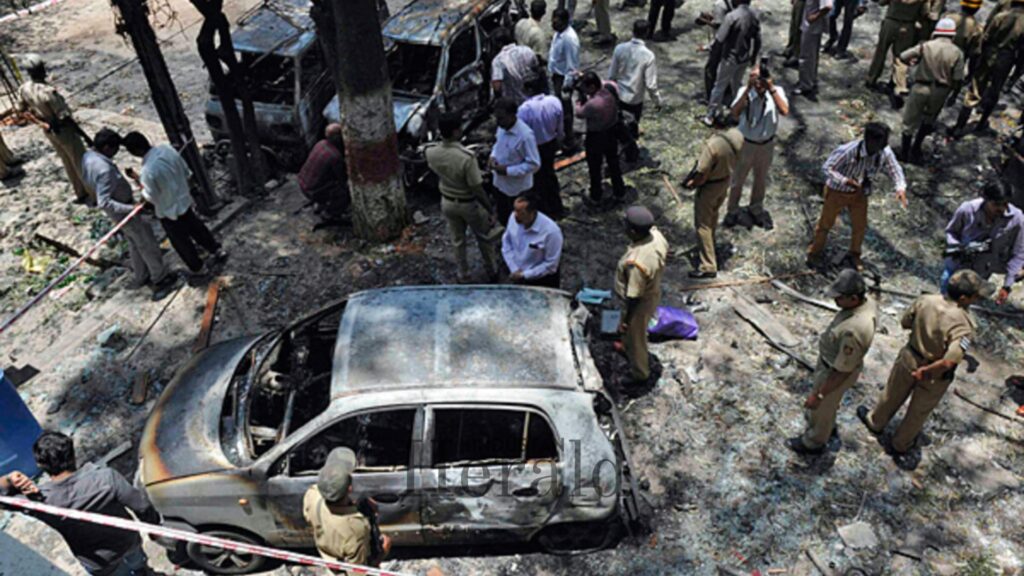
Nasir’s conviction in that case was a hard-won outcome for investigators. Watching him then build a fresh network from inside prison, targeting people who had nothing to do with terrorism before they met him, is the kind of thing that makes those years of earlier work feel incomplete.
What the Courts Said, and What It Does Not Fix
Seven men have been convicted. That is the outcome. Sentences handed down, fines imposed, case closed on this particular chapter.
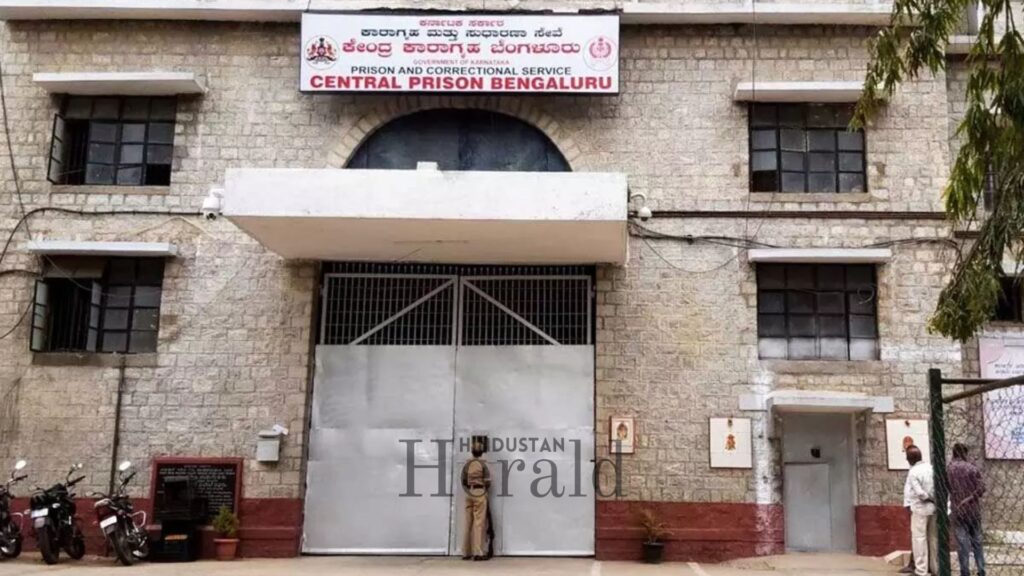
But the bigger question sitting underneath all of this does not go away with a verdict. How does a man serving life for a bombing conviction manage to recruit, plan, and coordinate from inside a jail cell? What was the monitoring setup at Parappana Agrahara that allowed this to go on long enough to become a full conspiracy? These are not questions the NIA court was asked to answer. They are questions somebody ought to be asking.
India has had conversations about radicalisation inside prisons for a long time. Security officials mention it. Reports flag it. And then cases like this one come along and make it concrete. Not a theoretical risk. An actual network, actual weapons, an actual plan to break a convicted terrorist out of custody.
The grenades found in that RT Nagar house were not there for show. The pistols were not ornamental. Somebody was preparing for something. The fact that investigators got there first is the part that should be reported as a success. The fact that it got that far is the part that should make policymakers uncomfortable.
Where Things Stand Now
Nasir is back in Parappana Agrahara, this time with additional years added to his sentence. The six men convicted with him will serve seven years. Junaid Ahmed is somewhere outside India, and the NIA is looking for him without, as of now, any confirmed progress.
Eleven men were named in the original chargesheet. Seven have been sentenced. The remaining count includes Ahmed and others whose cases are presumably still moving through the legal process.
For the families living in RT Nagar who had no idea what was sitting inside that apartment nearby, this verdict probably means something. For the broader question of how India manages its most dangerous prisoners and monitors what happens inside its jails, this case is one more data point in a conversation that keeps getting postponed.
Seven years for conspiracy. A life sentence already in place. And one man still out there somewhere, uncharged in a courtroom, unaccounted for on a map.
Stay ahead with Hindustan Herald — bringing you trusted news, sharp analysis, and stories that matter across Politics, Business, Technology, Sports, Entertainment, Lifestyle, and more.
Connect with us on Facebook, Instagram, X (Twitter), LinkedIn, YouTube, and join our Telegram community @hindustanherald for real-time updates.

Regional journalist bringing grassroots perspectives and stories from towns and cities across India.
- Sandeep Verma

- Sandeep Verma
- Sandeep Verma
- Sandeep Verma




 Ananya Sharma