
 By Sandeep Verma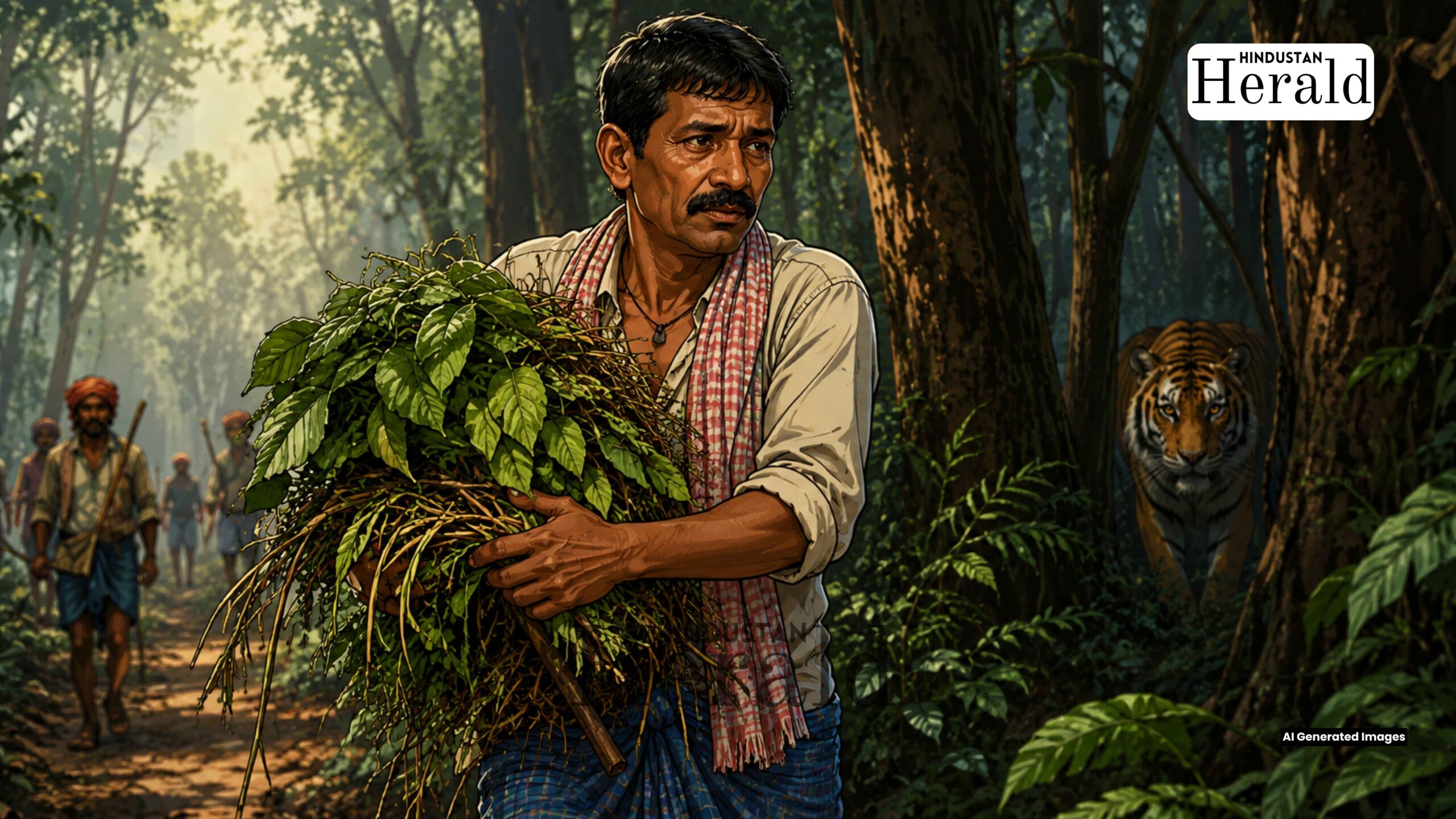
Mayurbhanj, June 1: Sadhu Naik had done this a hundred times before. Walked into the trees, picked what he needed, come back before the afternoon heat set in. Sunday was no different, at least not in his mind. He left Basantpur village with nothing special on him. Just a man going to the jungle to collect tender leaves and fodder for his goats. Nobody warned him that morning. Nobody knew a tiger was already somewhere in those trees.
He did not come back.
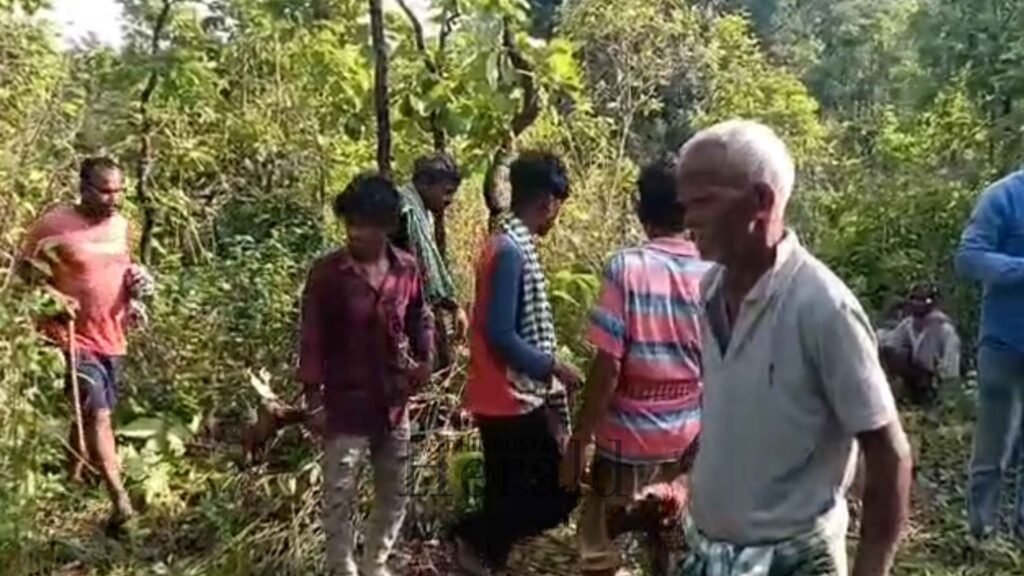
By evening his family was standing at the door, looking at the tree line. By morning a search party was walking into those same trees, calling his name into the silence. What they found instead was not him. It was two legs. Severed, bloodied, lying in the undergrowth near Kumudabadi village’s Rajam Sahi area. His lungi was on the ground beside them. The rest of Sadhu Naik had been dragged deeper into the forest by the tiger, which, as forest officials would later confirm, had fed on the body before slipping back into the dark.
The Discovery
There is no gentle way to write this. A postmortem has been ordered on whatever remains could be recovered. ACF Karanjia Pravat Kuanr confirmed the bare facts at the site: “A tiger attacked and partially devoured a man. Only the two legs of the victim were recovered from the spot. The investigation is underway in the presence of the Karanjia Tahsildar and the IIC of Karanjia Police Station.”
That is the official version. The family’s version is harder to sit with. A man left home. The jungle took him.
Jashipur police and forest department teams reached the spot quickly once word got out. A formal case has been registered. The area is being combed. Camera traps will go up in the coming days, and patrols in the surrounding zones have been increased. All of it necessary. None of it undoing what happened.
Similipal’s Shadow
Kumudabadi sits in Mayurbhanj district, in the part of Odisha where the Similipal Tiger Reserve casts a long shadow over everything. Similipal is one of India’s major tiger habitats and a genuine conservation success story, the kind that gets written up in reports and praised at wildlife conferences. Tiger numbers have stabilised here. Some estimates suggest they have grown. That is a good thing, taken by itself.

But Similipal does not end at a fence. Its edges bleed into communities, into farmland, into the daily routines of people who have been living alongside this forest for generations. Families in these fringe villages rely on the jungle the way city people rely on a market. Firewood. Fodder. Minor forest produce. The trees are not just scenery. They are a supply chain, and for many households, an essential one.
Sadhu Naik was doing what people in his community do every day. That is the part that settles in the stomach and stays there.
Fear on the Ground
After word spread Monday morning, the mood in the area shifted in the way it only does when something real and irreversible has happened. Villagers gathered. People who had walked into that forest themselves, maybe yesterday, maybe last week, were standing around trying to process what it means that a man died there. Several came forward to demand action from the authorities. Better safety. Faster intervention. Something.
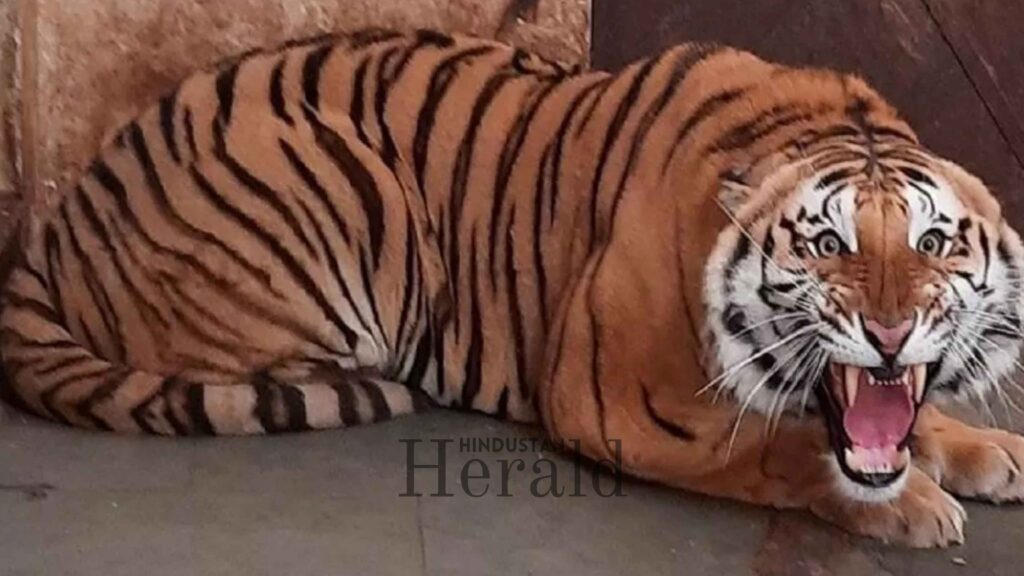
What action looks like in practice is the harder question. Forest officials have urged residents to avoid the jungle during early mornings and evenings when tigers move most freely. That is sound advice and also almost completely impractical for communities whose livelihoods depend on entering that same jungle at exactly those hours.
Compensation for the family, as required under state norms, is expected to be processed. It will come. It will not be enough, because it never is, but it will come.
The Larger Problem Nobody Has Solved
Human-wildlife conflict around Similipal is not news. It has been happening for years, surfacing in incident reports and quickly fading from broader attention. A goat killed here. A farmer injured there. Occasionally something worse. The pattern is familiar enough that a template almost exists for how these stories get covered and responded to. Officials arrive. Statements are made. Camera traps go up. Patrols are promised.
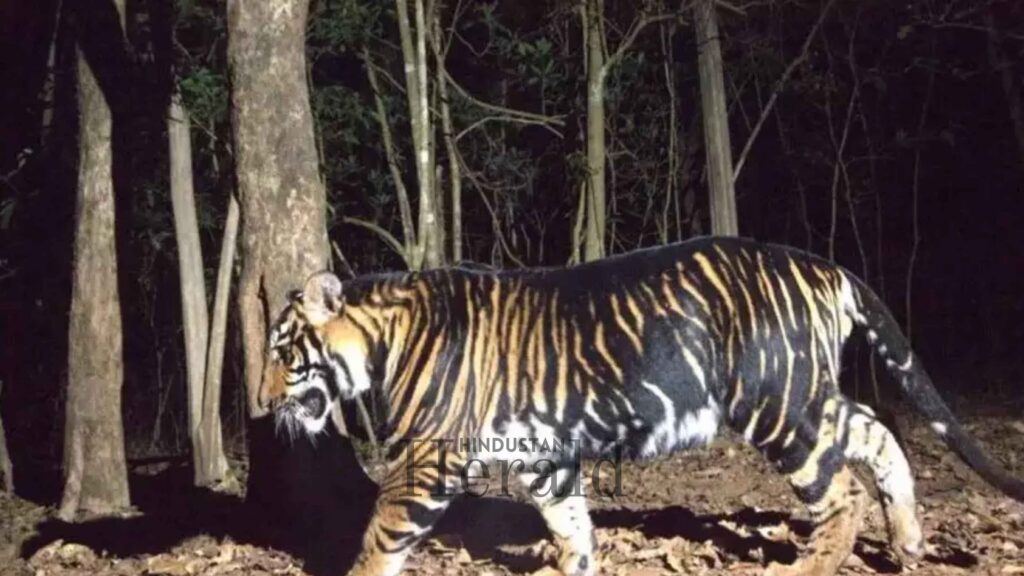
What does not change is the underlying reality. As tiger populations in Similipal have recovered, the animals have expanded their range. They are pushing into buffer zones, into agricultural fringes, into the spaces where human life and wildlife overlap most completely. That overlap is where Sadhu Naik was on Sunday morning. That overlap is where thousands of people in this region are every single day.
Conservation and community livelihood are not naturally opposed, but managing them together requires sustained investment, honest acknowledgment of the risks people face, and solutions that go beyond camera traps and advisories. That work is ongoing. Whether it is happening fast enough is a different conversation.
The Search Continues
As of Monday, forest teams are still tracking the tiger’s movement through the area. The goal is to understand the animal’s behaviour following the attack, assess whether it poses a continued threat, and determine what interventions are appropriate. This is standard procedure after a confirmed human fatality caused by a big cat.
For the family in Basantpur village, none of that procedural language carries much weight right now. They sent a man out on a Sunday morning with an ordinary errand. He never finished it. The jungle gave back only part of him.
The rest is still out there somewhere, in the dark between the trees, in a forest that was doing exactly what forests do.
Stay ahead with Hindustan Herald — bringing you trusted news, sharp analysis, and stories that matter across Politics, Business, Technology, Sports, Entertainment, Lifestyle, and more.
Connect with us on Facebook, Instagram, X (Twitter), LinkedIn, YouTube, and join our Telegram community @hindustanherald for real-time updates.

Regional journalist bringing grassroots perspectives and stories from towns and cities across India.
- Sandeep Verma

- Sandeep Verma
- Sandeep Verma
- Sandeep Verma




 Ananya Sharma