
 By Sandeep Verma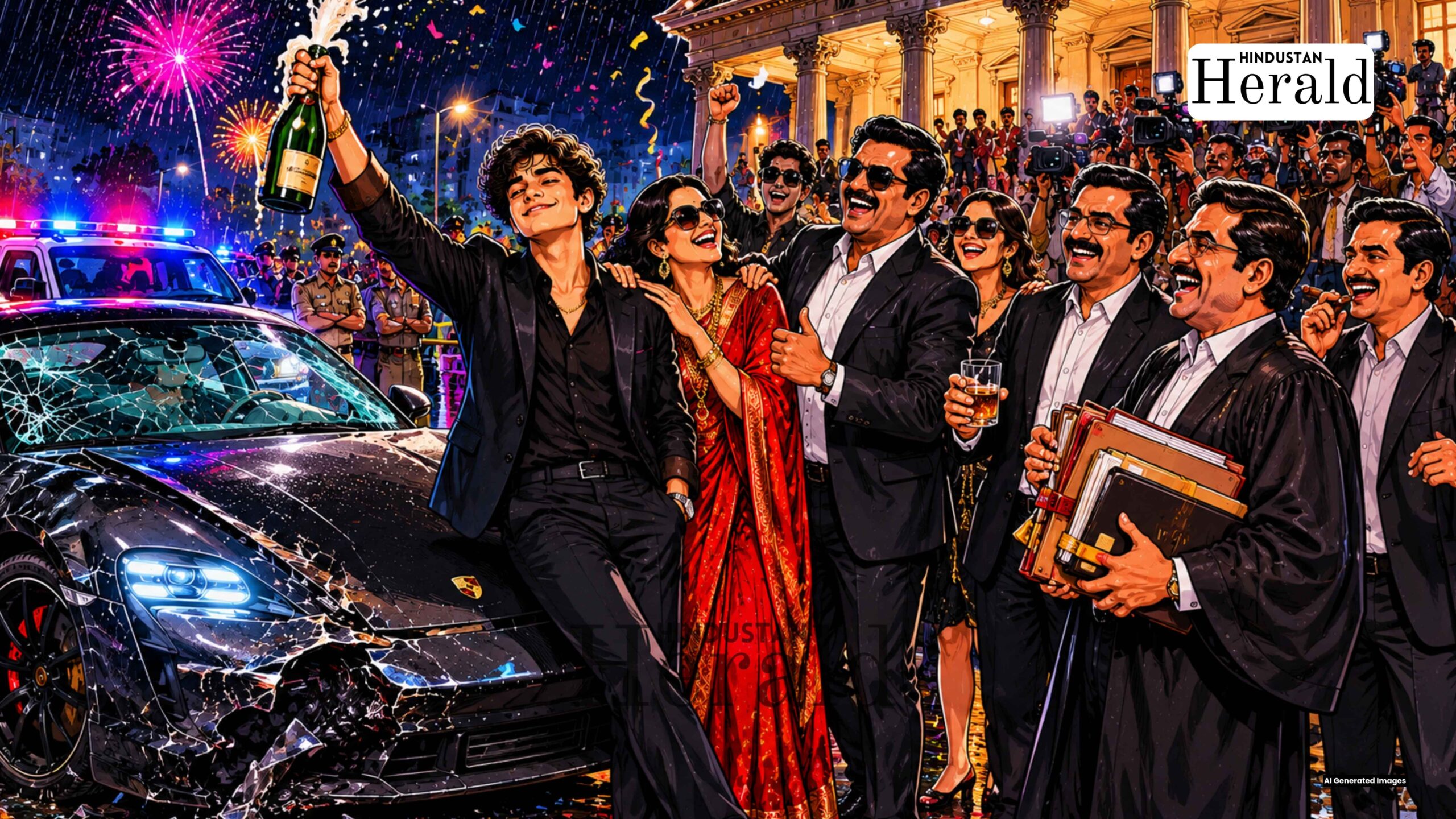
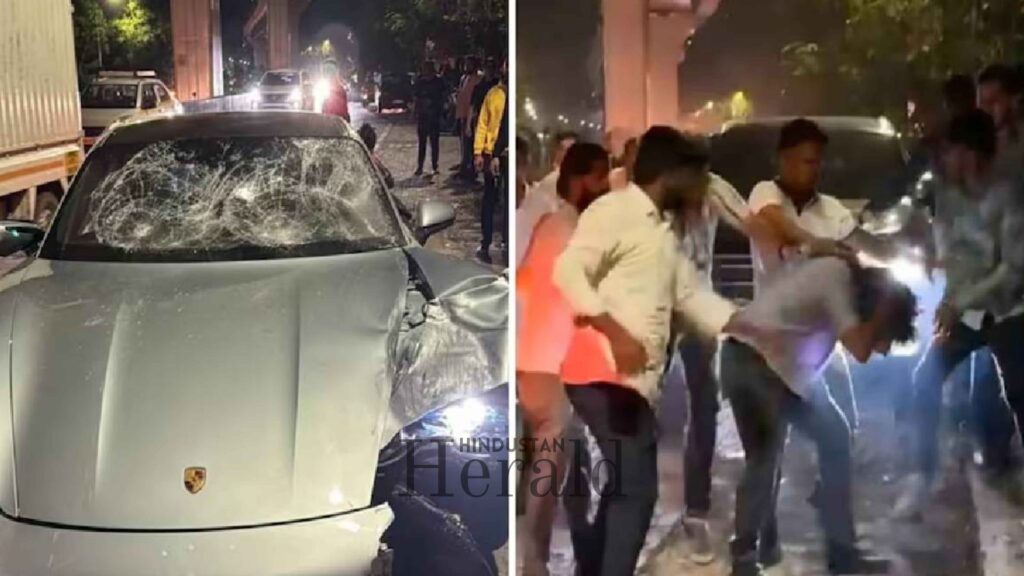
Pune, May 27: Two years. That is how long it has been since Aneesh Awadhiya and Ashwini Koshta were killed on a dark stretch of road in Kalyani Nagar. They were 24. They worked at Johnson Controls as data analysts. They had come to Pune from Madhya Pradesh, the way a lot of young people do, chasing something better. On the night of May 19, 2024, they were riding home. A Porsche Taycan doing over 200 kilometres per hour hit their motorcycle. They did not survive.
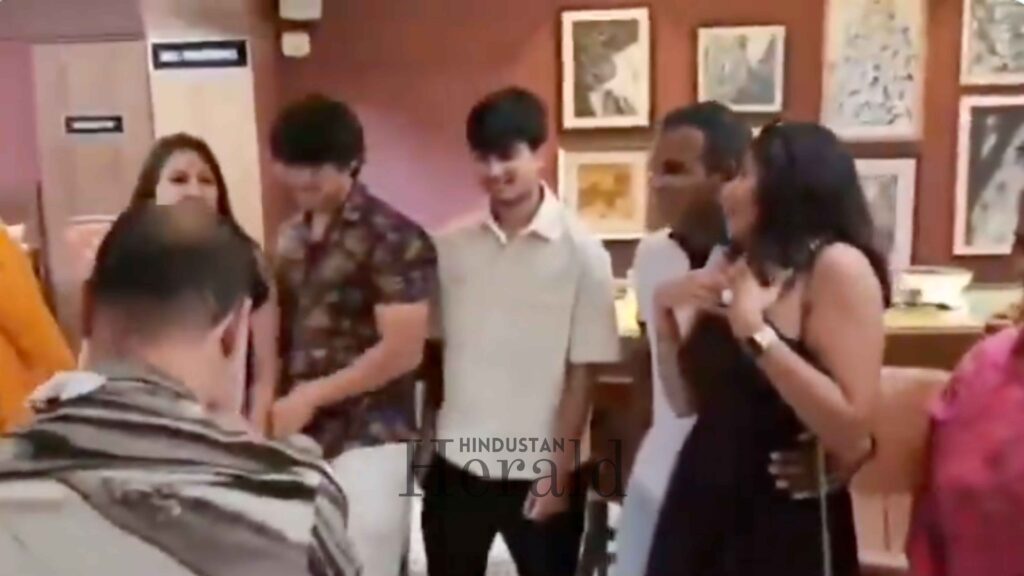
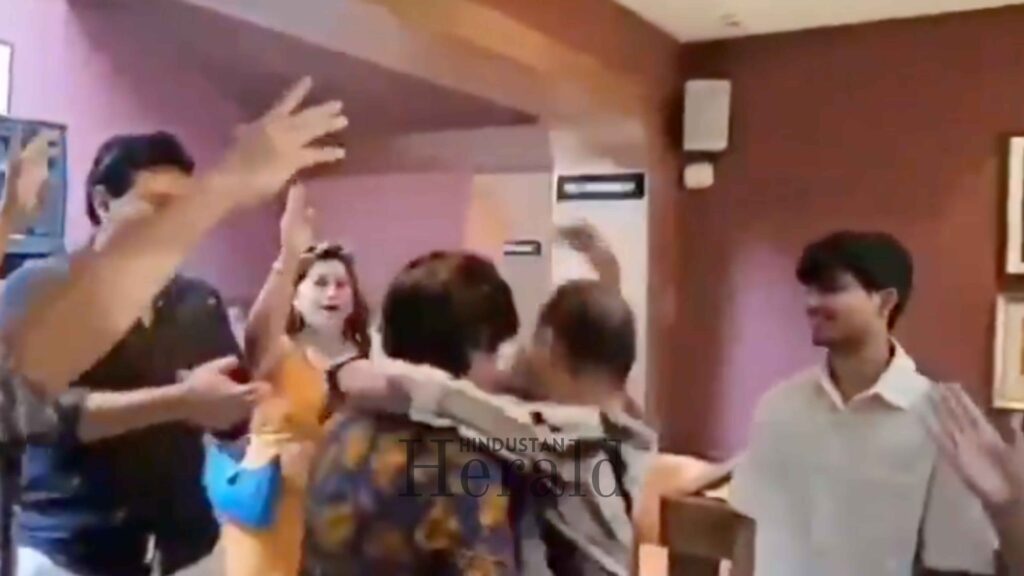
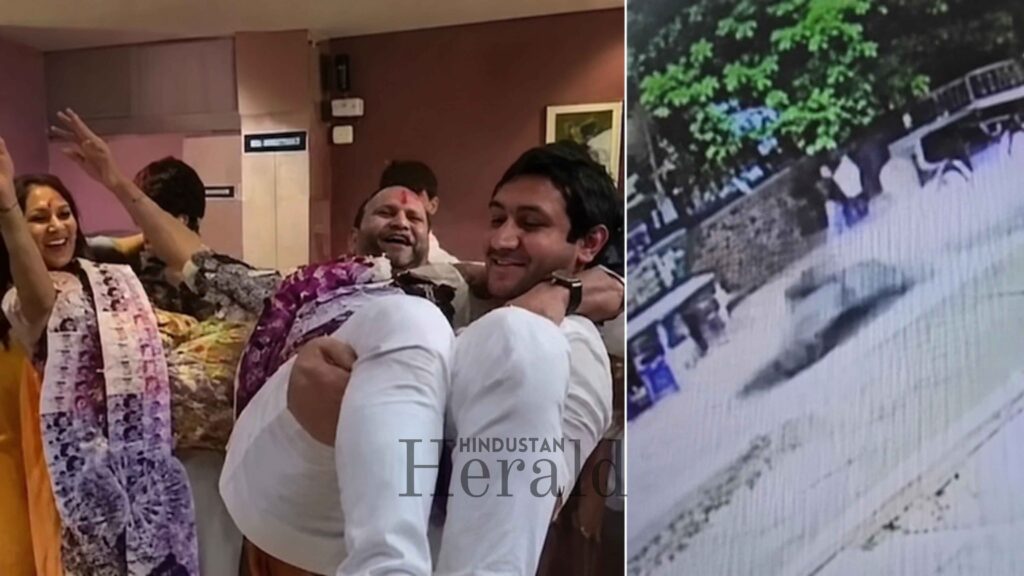
Today, Pune Porsche Case Accuse on the second anniversary of that night, a video is making the rounds. It reportedly shows members of the Agarwal family celebrating. The reason, as far as anyone can tell, is that they have run the legal gauntlet and come out the other side. Every significant accused in this case, the boy who was driving, his father, his grandfather, his mother, the doctors, the others, every single one of them is currently out on bail. Not one conviction. Not one sentence. Everyone home.
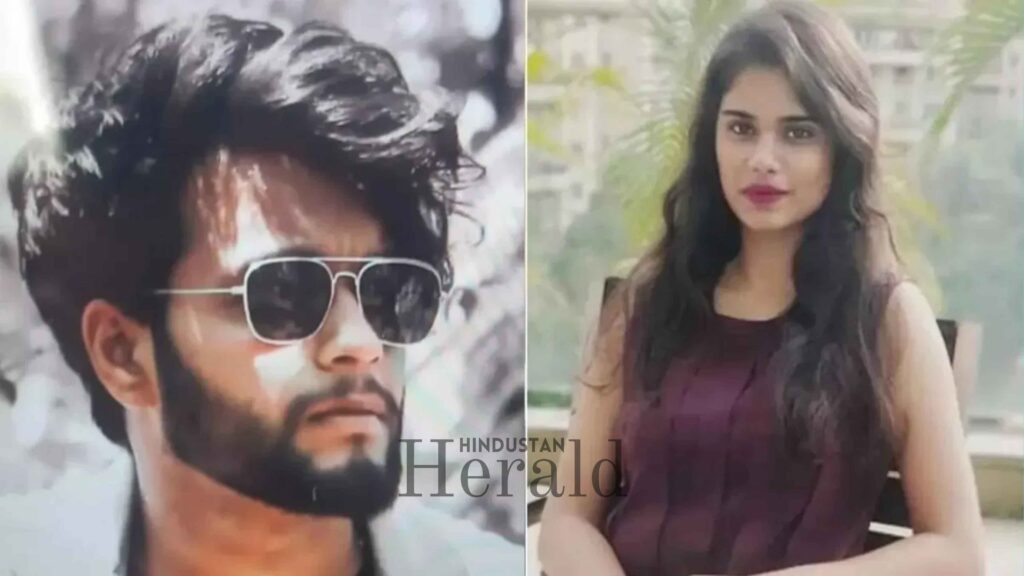
The internet has reacted the way it tends to when something confirms what it already feared. Furious. Grief-stricken. Unsurprised.
The Night Itself
Vedant Agarwal was 17 years old when he got behind the wheel of his father’s Porsche Taycan that night. He had spent the earlier part of the evening at Cosie Restaurant and Bar in Koregaon Park, celebrating his CBSE Class XII results with friends. The group drank until midnight, when the restaurant cut them off. Vedant paid Rs 48,000 for the drinks using his grandfather’s credit card. Then they moved on to another venue. Then, sometime after 2 in the morning, he drove.
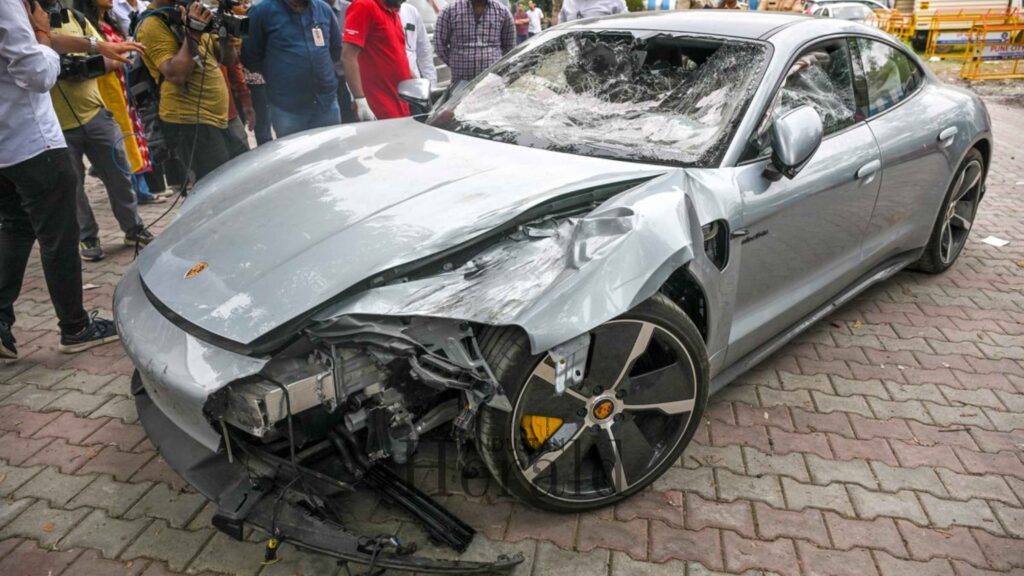
The car was unregistered. He was a minor. He was drunk. Two people died. None of that has ever seriously been disputed. What got disputed, very aggressively and with considerable resources, was everything that came after.
How a Family Responds to Catastrophe
Within hours of the crash, Vishal Agarwal, Vedant’s father and a prominent Pune real estate developer, had already brought Maharashtra MLA Sunil Tingre to the police station. Police subsequently delayed the blood alcohol content test, giving the accused preferential treatment. The Juvenile Justice Board granted bail the same day. The condition attached to that bail has become, in retrospect, a kind of bitter national joke. Write a 300-word essay on road safety. That was the ask. For killing two people while drunk driving at 17.
The public outrage forced a reversal. The bail was cancelled. Vedant was sent to an observation home. But the family was not done.
Pune’s Commissioner of Police later confirmed that the Agarwals had allegedly approached their family driver, Gangaram Pujari, and offered him cash to take the blame for the crash. When he said no, they confined him at their home for two days. This man was a witness. They held him in their house for two days to try and break him.
That was not the worst of it. The investigation also uncovered an attempt to swap blood samples. Vishal Agarwal was accused of orchestrating a conspiracy to replace the blood samples of the car’s occupants so that they would test negative for alcohol. A doctor’s assistant was bribed and helped manipulate the forensic records to make it happen.
Two doctors were arrested. Three sets of parents connected to minor co-passengers were arrested. The grandfather was arrested. The mother was arrested. The father was arrested. At one point, eleven people were facing charges across multiple laws covering criminal conspiracy, evidence tampering, witness intimidation, and violations of the Juvenile Justice Act.
Eleven people. Today, all of them are free.
The Long Walk to Bail
The courts resisted for a while. In December 2025, the Bombay High Court rejected bail pleas for the Agarwal family members and the medical staff involved in the blood sample tampering. It felt, briefly, like a line was being held.
Then the Supreme Court began moving. In February 2026, three of the accused tied to the blood sample swap were granted bail. Days later, one of the arrested doctors followed.
Then, on March 10, 2026, the Supreme Court granted bail to Vishal Agarwal himself. A bench of Justice B.V. Nagarathna and Justice Ujjal Bhuyan noted that he had already spent nearly 22 months in custody, and that several other accused in related cases had also been released. The court directed that he must not contact or influence witnesses.
With that, the last major figure in the case walked out.
Worth noting: the same bench that released Vishal Agarwal also said something rather pointed. Justice Nagarathna observed that it was deeply saddening how irresponsible parents hand luxury high-speed vehicles to minors and give them unrestricted access to money. Strong words, delivered on the same day the court sent that very parent home.
The Video, the Celebration, and What It Means
To be fair about what we know and what we do not: the specific video circulating on social media has not been independently verified by this publication at the time of writing. What it shows, what it claims, and who exactly is in it remains unconfirmed from primary sources.
What is verified, and has been documented by multiple outlets, is that the Agarwal family has never appeared particularly troubled by public scrutiny. Back in May 2024, a person identifying himself as a relative confronted journalists outside the Commissioner of Police office in Pune. He allegedly told reporters “You can’t do anything, we have a lot of money,” before physically pushing a camera out of the way.
That moment stuck with people. It still does. Because it captured something that the legal proceedings have since seemed to confirm, not in any single dramatic ruling, but in the slow, grinding accumulation of bail orders and delayed hearings that has defined the last two years. The video going viral today, verified or not, lands on soil that has been prepared by everything that came before it.
What Has Happened to the Families of the Dead
Here is what the national conversation tends to skip over when the Agarwal family makes headlines again. The families of Aneesh Awadhiya and Ashwini Koshta are still waiting. Aneesh and Ashwini hailed from Umaria and Jabalpur in Madhya Pradesh, respectively. They were not from wealthy families. They were not well-connected. They came to Pune to work, not to party in Koregaon Park and settle bills of Rs 48,000 in a single night.
Their parents gave statements. They attended candlelight vigils. They said they trusted the system. That was two years ago. The system has since released everyone charged in connection with their children’s deaths, on various legal grounds, at various points, with various conditions attached that the public has no real way to monitor.
No verdict has come. No one has been punished. The trial continues.
The Bigger Question This Case Never Stopped Asking
The Pune Porsche case was not, from very early on, just about a drunk teenager and a fast car. It became a test case for a question that India asks itself periodically and never quite answers satisfactorily: does money buy justice here, or does it simply rent it?
The blood sample swap, the MLA arriving at a police station at 2 AM, the driver held captive in a family bungalow, the rapid bail in exchange for an essay: each of these details, on its own, might be explained away. Together, they drew a picture that millions of people read very clearly.
Two years on, the charges are still pending. The accused are free. The victims are gone. And somewhere in Pune, if the video is to be believed, someone is celebrating that sequence of events.
The families in Umaria and Jabalpur are not celebrating. They are waiting. They have been waiting for two years and they will likely keep waiting, because that is what the system asks of people who do not have Rs 48,000 to spend on drinks on a Tuesday night.
That is the story. It has not changed. It has only gotten older.
xStay ahead with Hindustan Herald — bringing you trusted news, sharp analysis, and stories that matter across Politics, Business, Technology, Sports, Entertainment, Lifestyle, and more.
Connect with us on Facebook, Instagram, X (Twitter), LinkedIn, YouTube, and join our Telegram community @hindustanherald for real-time updates.
Regional journalist bringing grassroots perspectives and stories from towns and cities across India.
- Sandeep Verma

- Sandeep Verma
- Sandeep Verma
- Sandeep Verma




 Ananya Sharma