
 By Ananya Sharma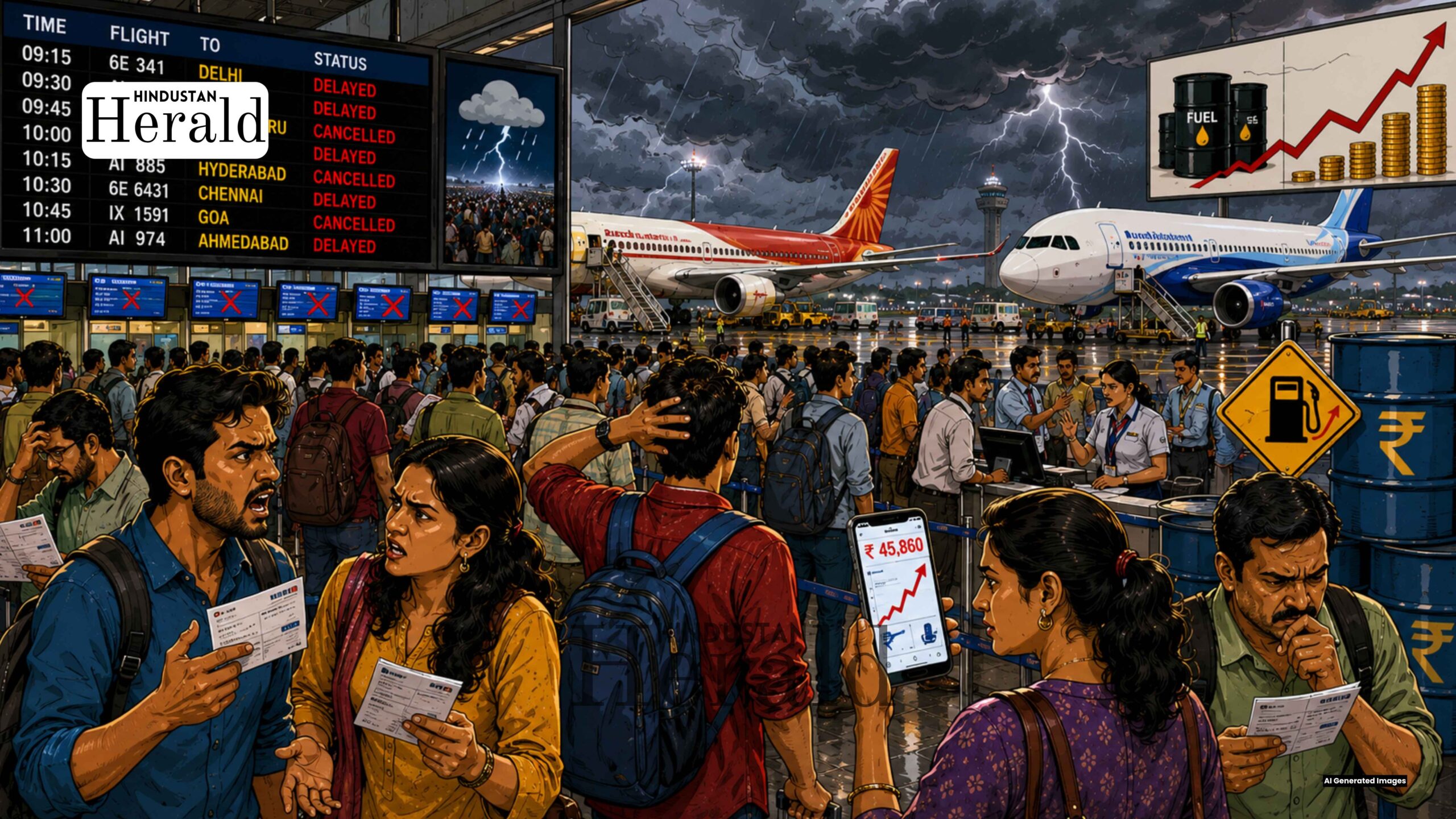
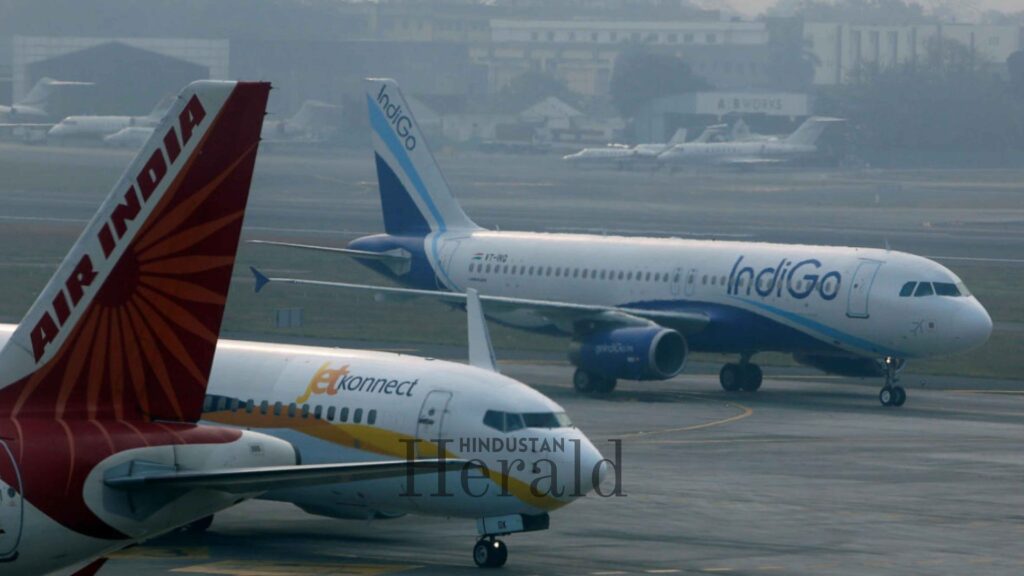
New Delhi, May 27: If you were planning to fly somewhere in India this summer and hadn’t booked yet, here is your warning. Air India and IndiGo are cutting domestic flights from June 1, and the reductions will stay in place through August 31. Three full months. That is not a minor timetable tweak. For a country where these two carriers between them run more than nine out of every ten domestic flights, it is essentially the whole market pulling back at once.
Air India is reducing domestic capacity by as much as 15 per cent. IndiGo, which flies more passengers than any other Indian airline, is trimming its domestic operations by 5 to 7 per cent. The flights are already disappearing from booking platforms. If you go looking for a seat on certain routes next month, you will simply not find what was there last week.
Domestic Flight Cuts: The Routes That Are Getting Hit First
The cuts are not random. They are concentrated on specific sectors that the airlines have apparently decided are not worth running at full frequency when fuel costs are this high and the summer holiday crowd has gone home.
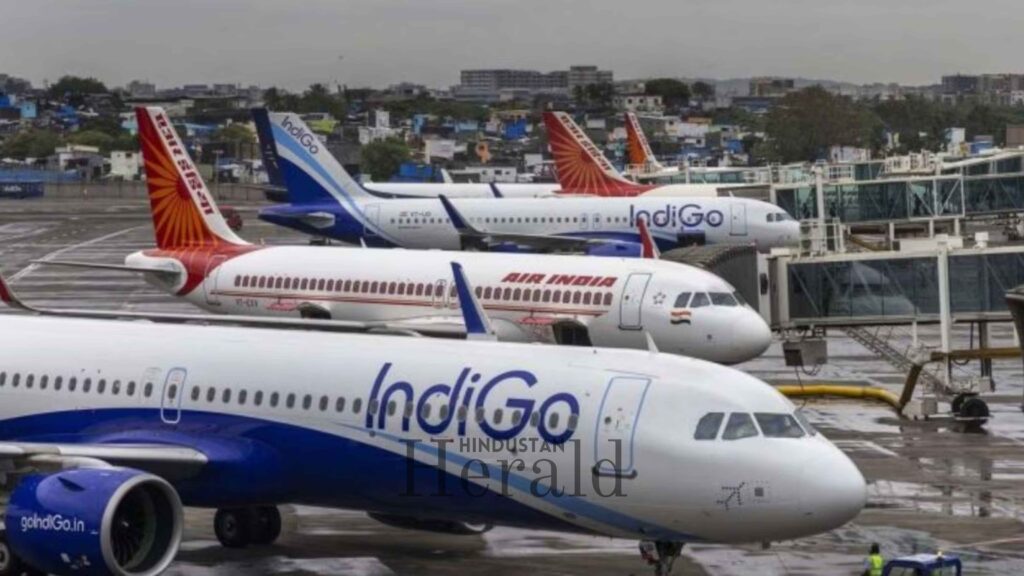
Out of Mumbai, flights to Ahmedabad, Nagpur, Patna, and Bhopal are being reduced. Out of Delhi, it is services to Hyderabad, Bengaluru, and Kolkata that are losing frequency. Return legs on several southern routes are being axed too. As reported by Business Today citing sources familiar with the schedules, no route is being dropped entirely. The airlines are reducing how often they fly, not whether they fly. Cold comfort if the frequency that remains does not align with when you need to travel.
Why This Is Happening Right Now
The short answer is ATF, which stands for Aviation Turbine Fuel, or jet fuel in plain language. It is chronically expensive in India relative to what airlines pay at comparable airports elsewhere in the world, largely because of how it is taxed at the state level. That baseline problem has been around for years. What has sharpened it recently is the direction of crude oil prices globally and a rupee that has been losing ground against the dollar.
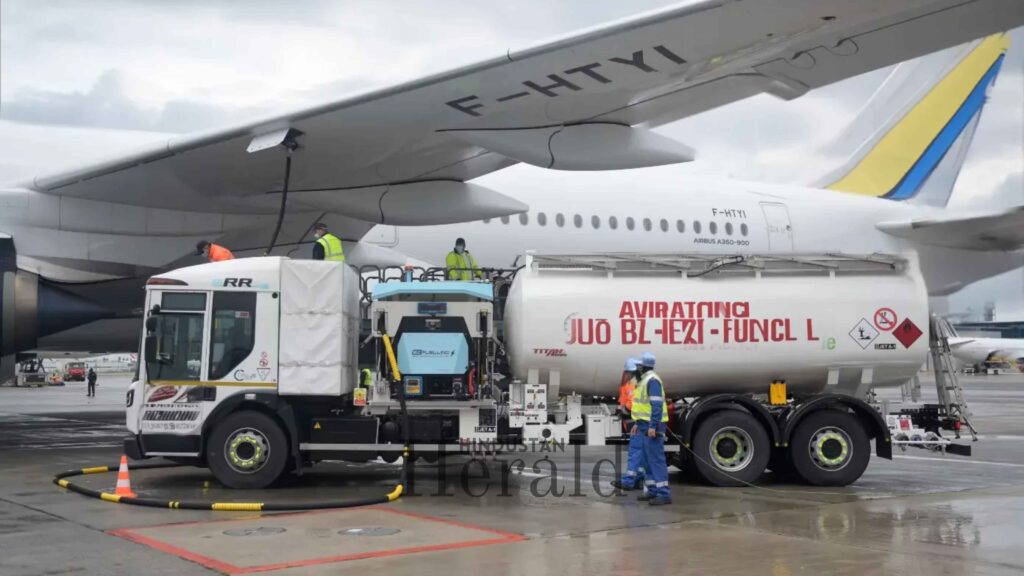
That second part matters more than it might seem. Aircraft leases, insurance, spare parts, and a large share of maintenance contracts are all priced in dollars. When the rupee weakens, those costs go up in rupee terms without anything changing in the actual operations. You are paying more for the same aircraft doing the same flights. As per sources cited by Patrika, the combination of these two pressures, fuel costs and currency depreciation, is what pushed both airlines to decide that running full schedules through the lean post-summer months simply does not make financial sense this year.
Domestic Flight Cuts Hurt More When the Market Has No Cushion
To be fair, airlines trim capacity every year once the May vacation rush ends. June, July, and August have always been softer months for domestic flying. Corporate travel slows. The leisure window after school holidays closes. Monsoon rains make short-haul trips less appealing. It is entirely normal for carriers to park a few aircraft or reduce departure times on thinner routes during this period.
What is not entirely normal is the scale of the Air India cut specifically. A 15 per cent reduction in domestic capacity is not a routine seasonal shave. It suggests that the airline’s operating economics on these routes at current fuel prices are genuinely stressed, not merely suboptimal. IndiGo’s 5 to 7 per cent reduction is more in line with seasonal norms, but even that adds up across the sheer number of flights the airline operates daily.
Fares Are Going Up. There Is No Real Way Around That.
When you take seats out of a market, the seats that remain cost more. That is just how pricing works. According to Business Today, domestic airfares are already expected to climb further as a direct result of this capacity pullback. The airlines are not doing this to gouge passengers, at least not primarily. They are doing it because flying half-empty planes at current fuel costs destroys margins. But the effect on travellers is the same regardless of the motivation.
The people who will feel this most are those without flexibility. If you have a fixed travel date, a specific destination, and no option to drive or take a train, you are now negotiating with a thinner market. Early bookers will get better fares. Anyone counting on a last-minute deal on these routes between June and August is likely to be disappointed.
The Real Problem Is Who Is Left Standing
India’s domestic aviation landscape has narrowed considerably over the past few years. Go First collapsed in 2023 and never came back. SpiceJet has spent the better part of two years fighting for financial survival, operating a fraction of its former fleet. Vistara was absorbed into Air India. What that leaves, for practical purposes, is two large carriers and one small but growing one in Akasa Air.
In a market with five or six reasonably sized competitors, a capacity cut by two airlines creates an opening for the others to expand and keep fares competitive. That mechanism barely functions in the current structure. When Air India and IndiGo both pull back simultaneously, there is no third force large enough to fill the gap. Akasa is expanding, but it is nowhere near the scale needed to absorb what the top two are withdrawing.
This is not an accusation of coordination. Both airlines are independently responding to the same economic pressures. The effect, though, is the same as if they had coordinated. Travellers on affected routes will have fewer choices and higher prices for three months, and there is no competitive counterweight to change that.
Neither Airline Has Said Much Publicly
As of Tuesday, neither Air India nor IndiGo had issued a formal public statement on the capacity reductions. The information has come through industry sources, as reported by The New Indian Express, Business Today, and Patrika. The Directorate General of Civil Aviation has also not commented publicly.
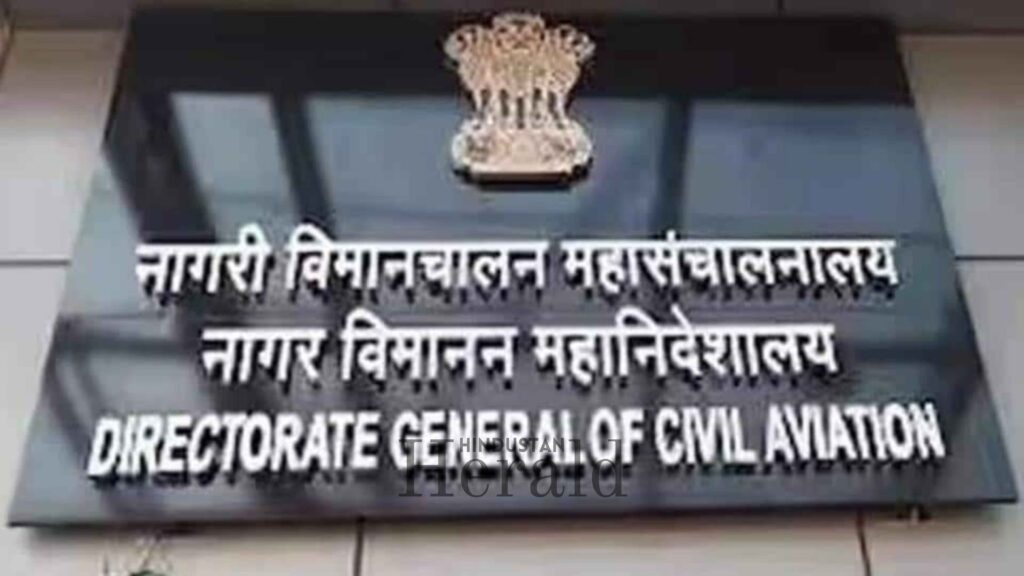
Airlines are not required to announce seasonal schedule changes with press releases. They are required to inform passengers whose existing bookings are cancelled, and to offer rebooking or refunds when they do. The quiet approach being taken here, where flights simply vanish from booking systems rather than being announced as cancelled, is legally defensible but not exactly transparent. Passengers who do not check their bookings proactively may get a notification close to departure when options are already limited.
What You Should Actually Do
If you have a confirmed domestic booking on Air India or IndiGo for anywhere between June 1 and August 31, check it today. Log into the airline’s app or website, confirm your flight still shows as active, and if it does not, contact the airline’s customer support immediately. Do not wait for them to come to you.
If you have not booked yet and need to travel in this window, book now rather than waiting. The usual logic of holding off for cheaper fares does not apply when capacity has just been deliberately reduced. Prices are more likely to go up from here than down. And if your route has a viable train connection, it is worth running the numbers, because Indian Railways will look considerably more attractive on several of these corridors over the next three months.
What Happens After August
The airlines have indicated this is a temporary adjustment tied to the lean demand season and current fuel economics. Schedules are expected to normalise from September onwards, when corporate travel picks up again and carriers begin preparing for the Diwali and year-end travel surge that historically drives strong domestic demand.
Still, that is three months away. And if fuel prices remain elevated or the rupee continues to slide, there is no guarantee the September recovery happens on schedule. Aviation is an industry that plans in pencil. For now, the summer of 2026 is shaping up to be an expensive and constrained one for domestic air travellers in India, and the passengers catching the shorter end of this are the ones who could least afford to see their options shrink.
Stay ahead with Hindustan Herald — bringing you trusted news, sharp analysis, and stories that matter across Politics, Business, Technology, Sports, Entertainment, Lifestyle, and more.
Connect with us on Facebook, Instagram, X (Twitter), LinkedIn, YouTube, and join our Telegram community @hindustanherald for real-time updates.

Covers Indian politics, governance, and policy developments with over a decade of experience in political reporting.
- Ananya Sharma

- Ananya Sharma
- Ananya Sharma
- Ananya Sharma