
 By Ananya Sharma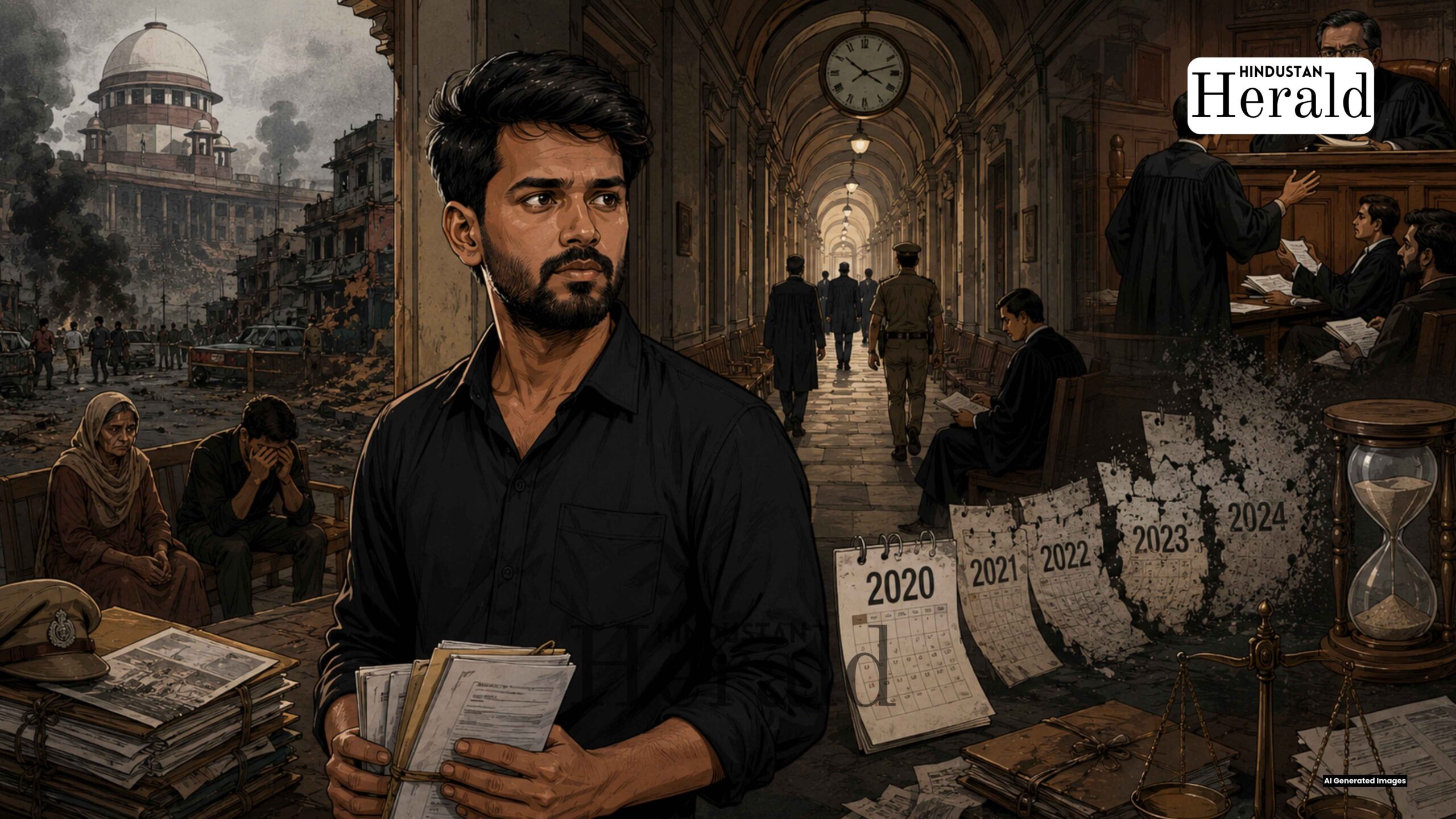
New Delhi, May 26: There is a particular kind of exhaustion that comes with covering a case like this. You write the same courtroom, the same arguments, the same reserved order. And somewhere behind all of it, a man has been in custody for six years.
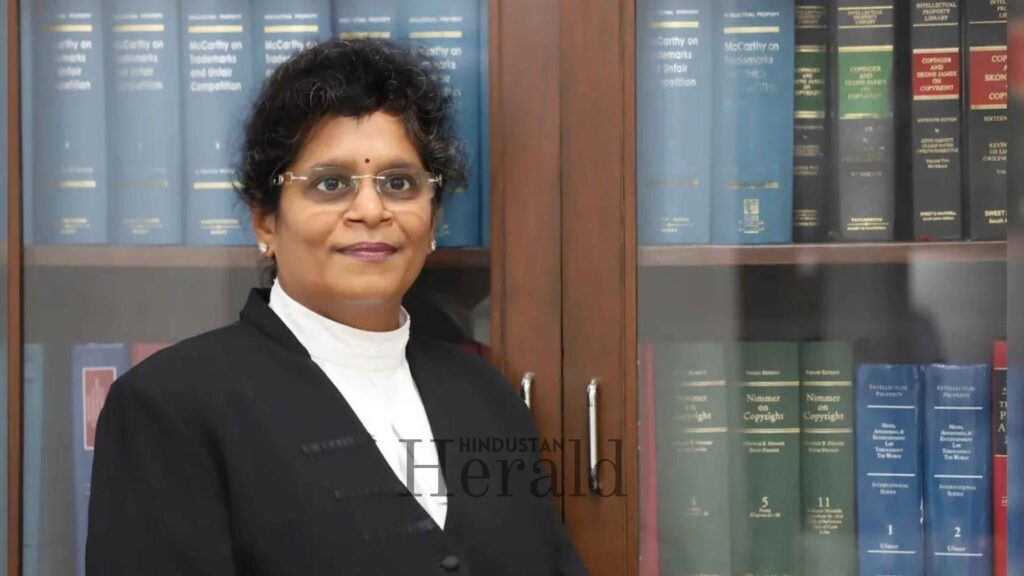
Athar Khan was back before the Delhi High Court on Tuesday. Fresh bail plea, same UAPA charges, same 2020 Delhi riots conspiracy case that has been grinding through the courts since the smoke cleared over northeast Delhi more than six years ago. The bench of Justice Prathiba M Singh and Justice Madhu Jain heard both sides and reserved their order. Date for pronouncement? Not yet announced.
So he waits some more.
Before the Legal Arguments, the Human Cost
Let’s not bury this; 53 people died in the February 2020 riots. Whole streets in northeast Delhi were destroyed. People lost family members, homes, businesses, everything. That violence happened and it was catastrophic, and nothing in this article should be read as minimising what those families went through or what they are still going through.
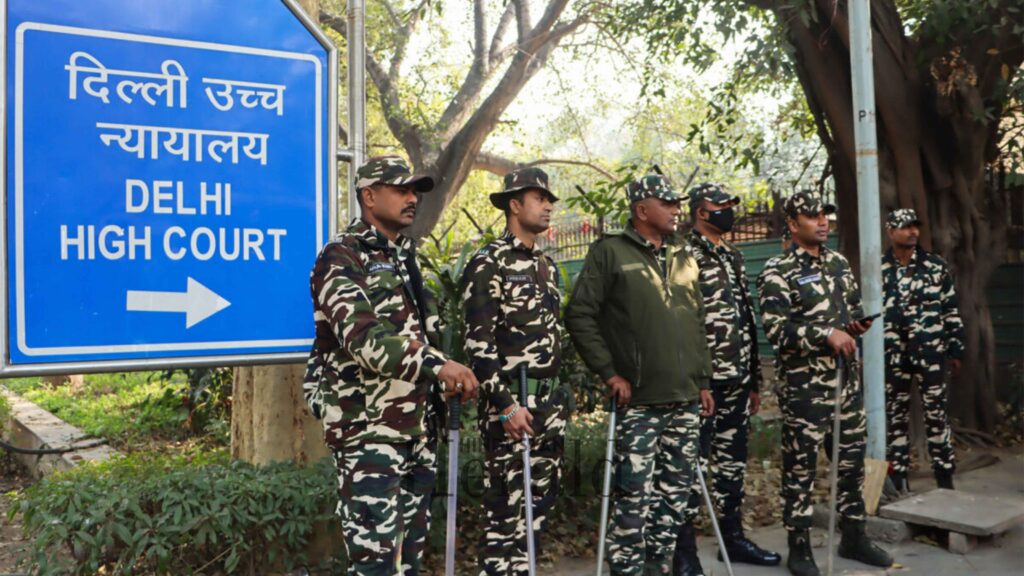
The Delhi Police built its conspiracy case on the argument that the riots were not spontaneous. Someone planned them. Someone coordinated the timing, the locations, the scale, to coincide with then-US President Donald Trump’s visit to India and cause maximum embarrassment on the world stage. The police named activists, students, politicians, and community organisers. Athar Khan is one of them.
That is the case. That has always been the case.
What gets harder to ignore, six years in, is the question of what the evidence actually shows.
The Biryani, the Basement, the Witness Who Wobbled
The centrepiece of the prosecution’s case against Khan is testimony from a protected witness the court calls Pluto. He delivered biryani to the basement of a venue called Yaaz in Chandbagh. While there, he says, he heard people talking about plans for riots and killings. Athar Khan, according to the police, was in that room.
That is what the state is asking the court to believe.
Khan’s lawyer Arjun Diwan started there and did not let go. Pluto, he told the bench, changed his statement within three days. Not three months. Not after some dramatic new development emerged. Three days. The same witness, the same events, the same basement, and somehow the account shifted before the ink was even dry.
Diwan’s argument was not complicated. If the man whose story puts your client at the scene of a conspiracy cannot hold that story together for 72 hours, what exactly are we building a case on?
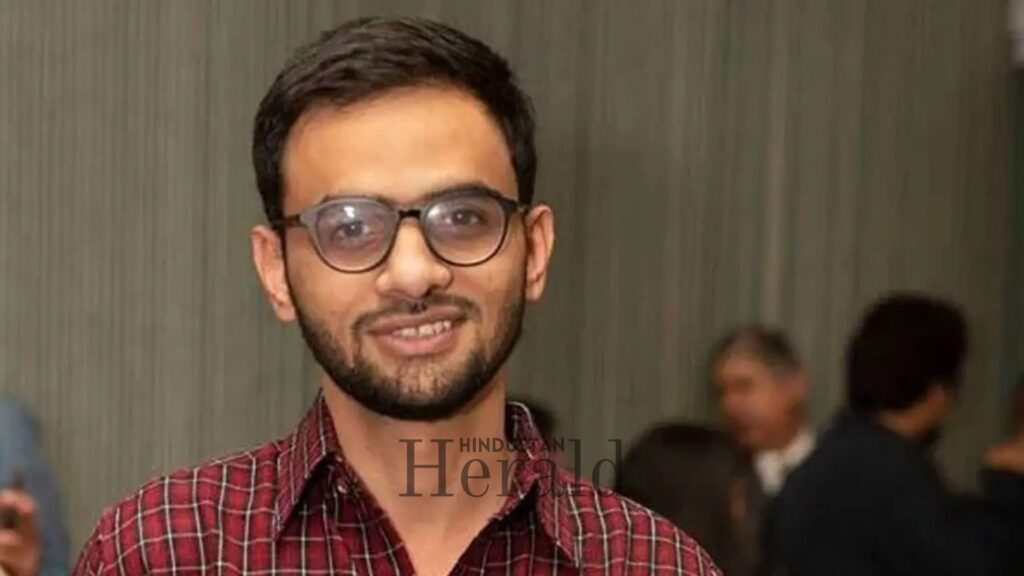
He went further. No weapons recovered from Khan. Nothing seized from him. No direct meeting between him and Umar Khalid, the person the prosecution has positioned as the architect of the conspiracy. The WhatsApp chats the police keep pointing to as evidence of violent intent, the defence said, actually show something much simpler when read in full; a man talking about organising a peaceful protest. Context was stripped. Meaning was inverted. That is the defence’s position and it has not changed.
The Gulfisha Argument
Diwan also brought up Gulfisha Fatima. She is a co-accused in the same case and the Supreme Court recently granted her bail. The argument Diwan made was not complicated but it carries weight; if the prosecution’s own framing puts Fatima’s role as more serious than Khan’s, and the Supreme Court still let her go, what legal basis remains for keeping Athar Khan inside?
It is the kind of comparison that is hard to just argue around. You either have an answer or you do not.
What the Prosecution Said
Special Public Prosecutor Madhukar Pandey had answers, or at least responses.
First, he went straight to September 2025. That is when Khan’s previous bail plea was rejected, with a court recording that a prima facie case existed against him. That order was never challenged before a higher court. It was not appealed. It stands. Pandey’s point was blunt you cannot keep filing bail pleas and expecting courts to ignore that history.
On the Gulfisha comparison, his position was equally firm. Supreme Court bail orders in co-accused cases are not transferable. Each accused stands on their own evidence. The facts against Athar Khan are specific to Athar Khan. Whatever the court decided in Fatima’s case has no automatic bearing here.
He defended Pluto’s testimony. He defended the WhatsApp chats. And then, in the way that prosecutors in this case always eventually do, he returned to the number that anchors everything.
53 people killed. These facts cannot be lost sight of.
He is right. They cannot be. And yet the question this case keeps returning to, stubbornly, is what Athar Khan specifically did to make him responsible for any of those deaths.
A Trial That Has Not Really Started
Here is the part that is genuinely difficult to process if you step back from the legal language for a moment.
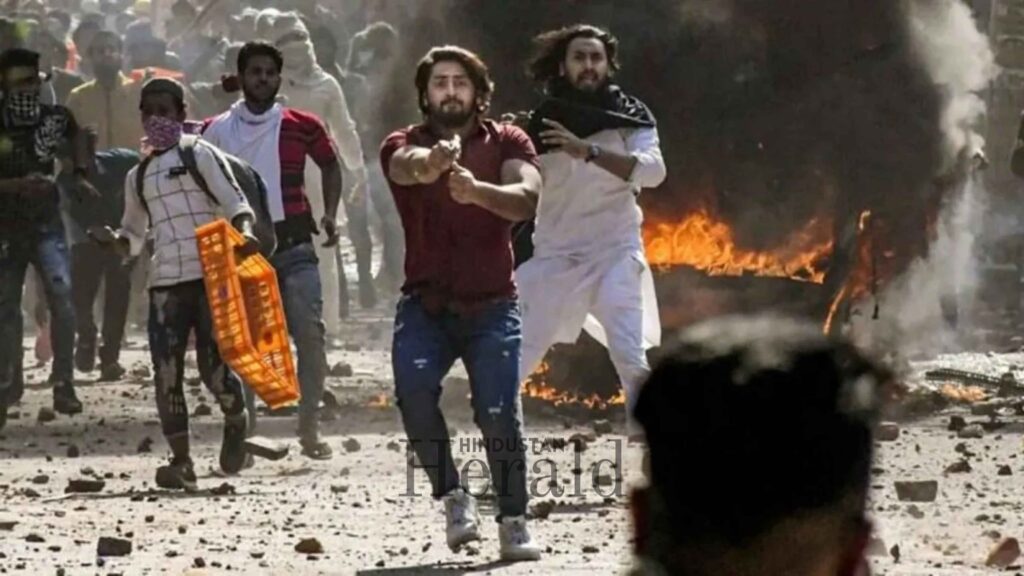
The riots were in February 2020. It is May 2026. The trial court is still arguing over the framing of charges. Delhi Police has not even completed its rebuttal arguments at that preliminary stage. The actual trial, the part where evidence is examined, witnesses are cross-examined, and facts are tested in open court, has not begun.
People arrested in their twenties are now approaching their thirties. Some have been released. Devangana Kalita, Natasha Narwal, and Asif Iqbal Tanha got bail from the Supreme Court in 2021. The order that released them was unusually candid. The court said, in effect, that the state had stretched UAPA so far that ordinary protest activity was being dressed up as terrorism. That caused a real stir. It changed very little about how the case proceeded.
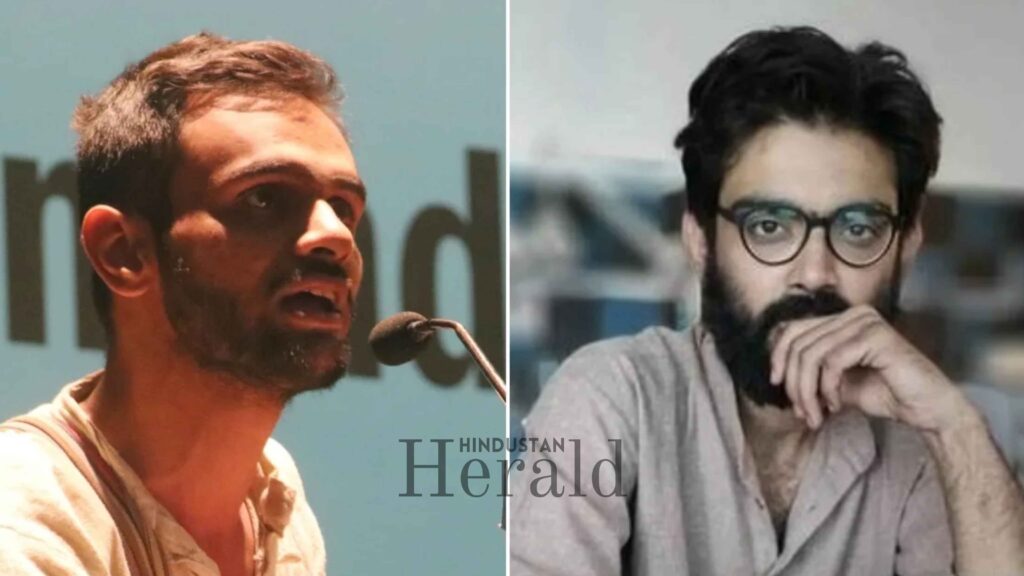
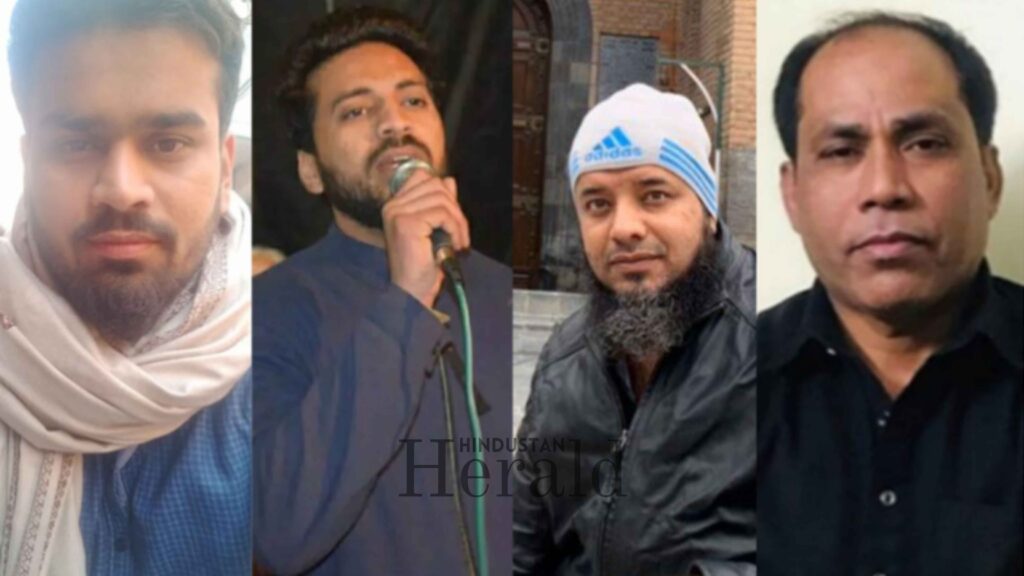
Umar Khalid remains in custody. Sharjeel Imam remains in custody. Khan remains in custody. The list of co-accused is long; Tahir Hussain, Abdul Khalid Saifi, Safi Ur Rehman, Meeran Haider, Faizan Khan, Safoora Zargar, Ishrat Jahan, Saleem Khan, among others. Each name represents a life that has been on hold inside a case that keeps moving its own goalposts.
Civil liberties organisations have made their views on this clear, repeatedly. The state has made its views equally clear. The courts sit in the middle, hearing arguments, reserving orders, pronouncing verdicts that send the matter back into another holding pattern.
The Order Will Come. Eventually.
The High Court will announce a date for its order on Khan’s bail plea. It might come quickly. It might not. Either way it lands, it will not end the case. It will either send him home to wait for a trial that is still years away, or keep him inside to do the same.
That is the honest shape of where this stands.
There is something quietly devastating about a legal process that has outlasted multiple governments, survived Supreme Court rebukes, consumed years of young lives, and still cannot tell the people involved when it will be over. The riots of 2020 deserve justice. Every single one of the 53 victims deserves that. So does the principle that you do not hold someone for six years, under the country’s harshest anti-terror law, on evidence that a protected witness nearly contradicted before the paperwork was filed.
Holding both of those things at once is uncomfortable. This case has always been uncomfortable.
Athar Khan waits for an order. The order will come. The case will continue.
Stay ahead with Hindustan Herald — bringing you trusted news, sharp analysis, and stories that matter across Politics, Business, Technology, Sports, Entertainment, Lifestyle, and more.
Connect with us on Facebook, Instagram, X (Twitter), LinkedIn, YouTube, and join our Telegram community @hindustanherald for real-time updates.

Covers Indian politics, governance, and policy developments with over a decade of experience in political reporting.
- Ananya Sharma

- Ananya Sharma
- Ananya Sharma
- Ananya Sharma




 Sandeep Verma