 By Shelesh Joshi and Rajiv Menon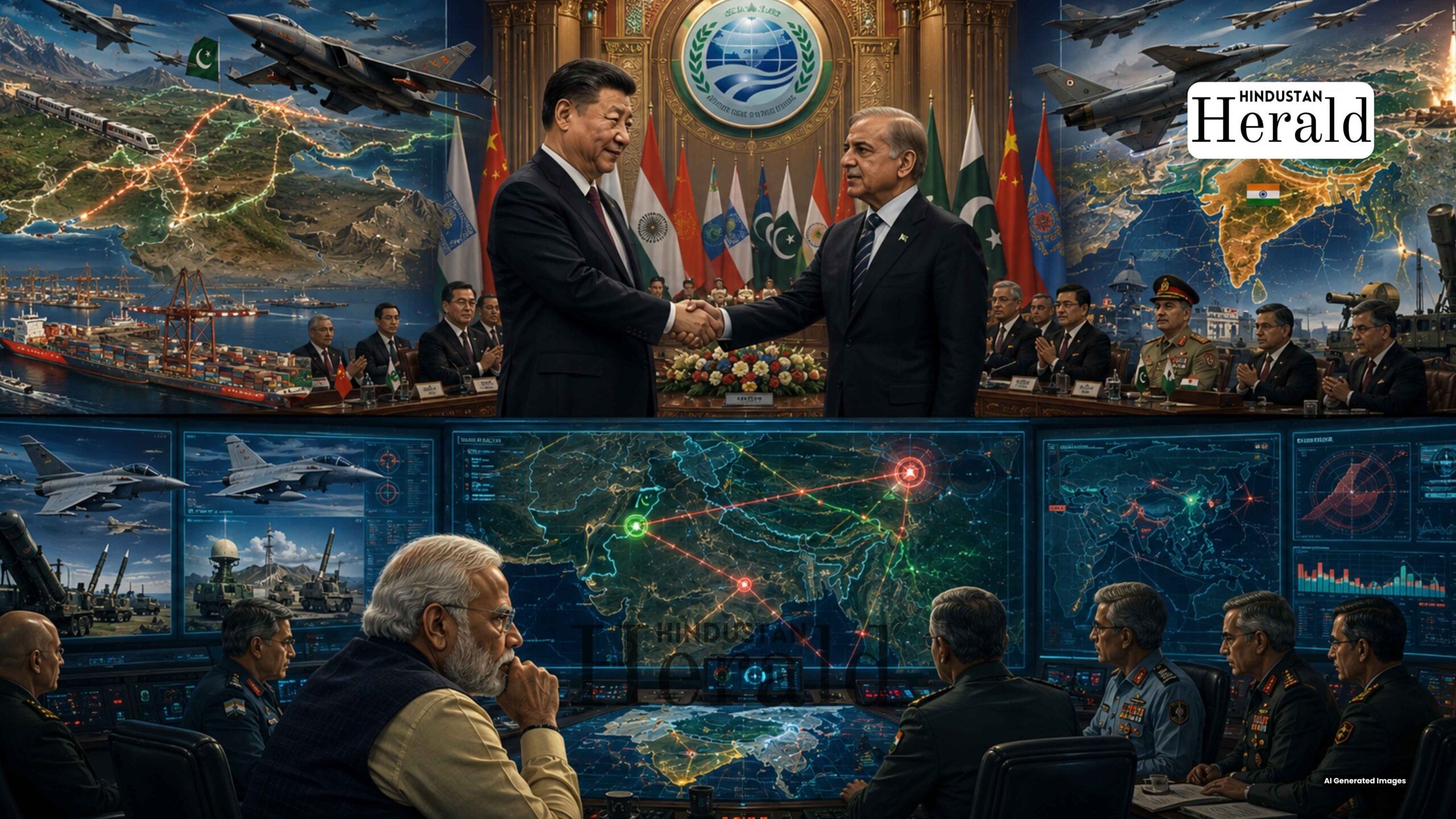
New Delhi, May 26: Shehbaz Sharif flew into the SCO summit carrying more baggage than most leaders at that table. His country had just come out of the worst military confrontation with India in years. The economy was, as it has been for a while now, somewhere between fragile and broken. And his government, never the most stable of arrangements, was operating under the kind of pressure that tends to make politicians reach for allies and cameras in equal measure.
So when he sat down with Xi Jinping on Monday and the two of them went through the familiar ritual of reaffirming their “all weather strategic cooperative partnership,” it was not really about the words. It was about the fact that it happened at all. That it happened now. Two weeks after a ceasefire that the world is still trying to fully understand. Beijing noticed the timing. New Delhi certainly did.
This Was Never Just a Courtesy Call
People who cover this relationship will tell you that the Sino Pakistani summit is one of those events that almost writes itself. The language barely changes year to year. “Rock solid.” “Unwavering.” “Iron brothers.” You could probably build a working template from the last fifteen joint statements and nobody would notice. But strip away the diplomatic wallpaper and what you are left with, especially this week, is something with real edges to it.
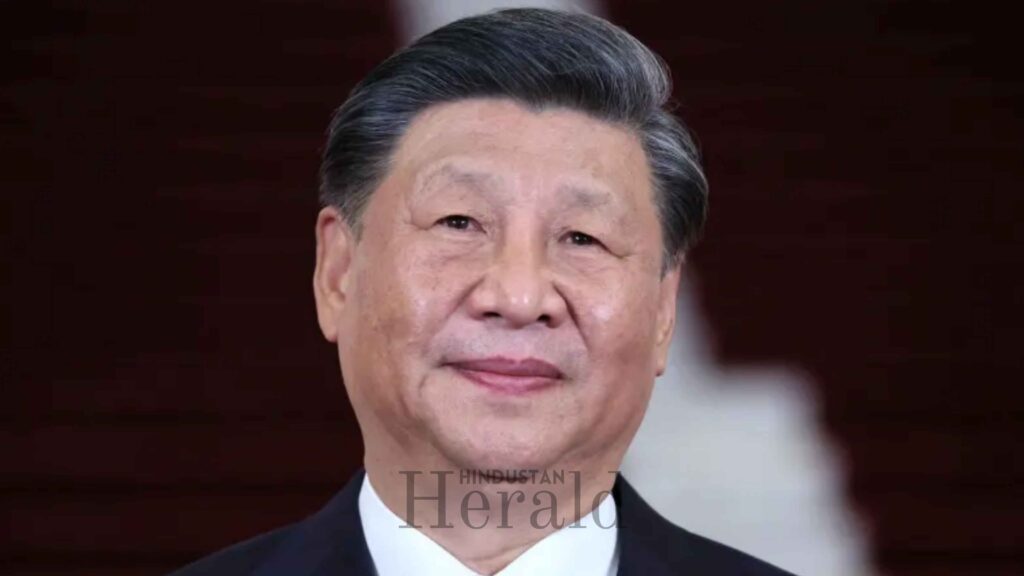
Xi Jinping told Sharif that China’s support for Pakistan’s sovereignty was unshakeable. Sharif thanked him for standing by Pakistan during its “difficult hours.” Neither man elaborated on which difficult hours specifically. They did not have to. The Pahalgam attack, the Indian strikes of May 7, the retaliatory Pakistani response, the frantic US brokered ceasefire of May 10 all of that was sitting right there in the room with them, unspoken and completely understood. This is how a lot of the important communication in diplomacy actually works. Not in the statements but around them.
CPEC Is Alive, Technically
The China Pakistan Economic Corridor came up, as it always does. Phase II goals were discussed agriculture, industrial zones, technology transfer, the usual vocabulary of a project that keeps promising more than it delivers on the ground.
To be fair to both governments, CPEC has always been more complicated than either side’s press releases suggest. The infrastructure phase produced real things roads, power plants, a deepened port at Gwadar. But the industrial investment that was supposed to follow, the Chinese factories and the Pakistani jobs and the export earnings, that part has moved slowly. Security is a genuine problem. Baloch separatists have attacked Chinese workers and project sites enough times that Beijing has had to have frank conversations with Islamabad about protection that Islamabad has not always been able to provide.
And then there is the money. According to reporting by Business Standard, Chinese lending to Pakistan has crossed 27 billion dollars. A meaningful chunk of Monday’s conversation, as per sources familiar with the talks, touched on debt repayment timelines. Nothing was announced publicly. These conversations never are. But the fact that they keep happening tells you something about the financial reality underneath all the “iron brothers” language. Pakistan owes China a lot of money. China keeps rolling it over. That is its own kind of leverage, dressed up as generosity.
The Weapons Question Nobody Is Saying Out Loud
Here is the part of this story that deserves more attention than it is getting. When Indian jets crossed into Pakistani airspace and Pakistani air defences responded, the hardware on the Pakistani side was overwhelmingly Chinese in origin. The J 10C fighters. The PL 15 air to air missiles. The HQ 9 surface to air systems. These are not legacy platforms. These are some of the most current systems China has exported to any partner anywhere.
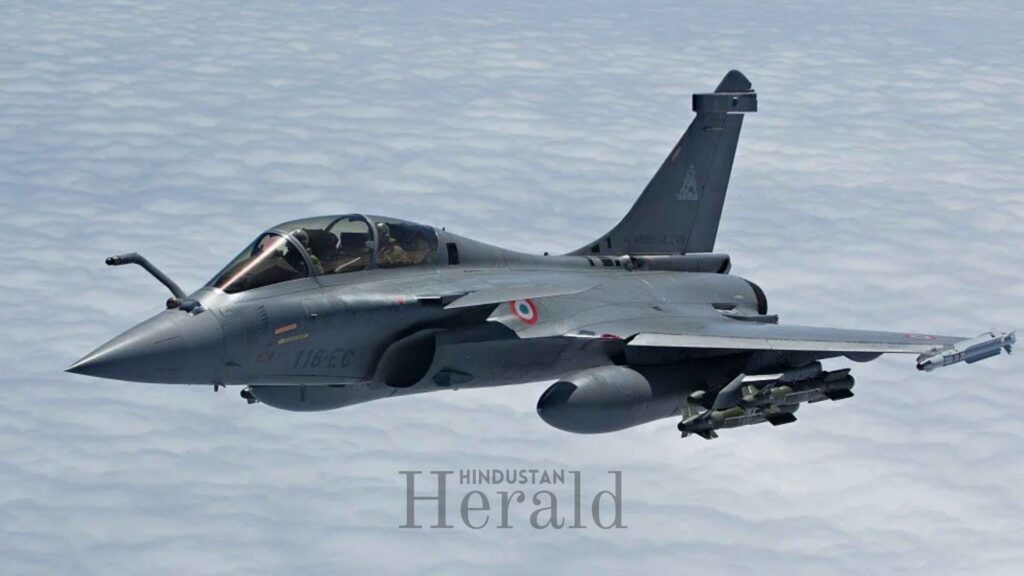
India flew Rafales. Operated S 400 batteries. Engaged with platforms that trace their lineage to Russia and France and years of careful diversification. What happened over those few days in early May was, among other things, a live operational test of Chinese defence technology against Western and Russian equivalents, in a real conflict, with real stakes. Analysts in Washington, Moscow, Paris, and Beijing will be studying the data from that confrontation for years. The results whatever they were, and both sides tell different stories matter enormously to the global arms market and to China’s ambitions as a defence exporter. When Xi sat down with Sharif on Monday, this was somewhere in the room too. Unacknowledged, but present.
What Sharif Actually Needed From This Meeting
It is worth being honest about the domestic context Sharif is operating in. Pakistan just went through a military confrontation that frightened its own population. Whatever the official narrative about resilience and deterrence, ordinary Pakistanis watched anxiously as strikes landed on their territory and wondered where it was all heading. The ceasefire brought relief, but also questions. Why did it happen? What was achieved? What comes next?
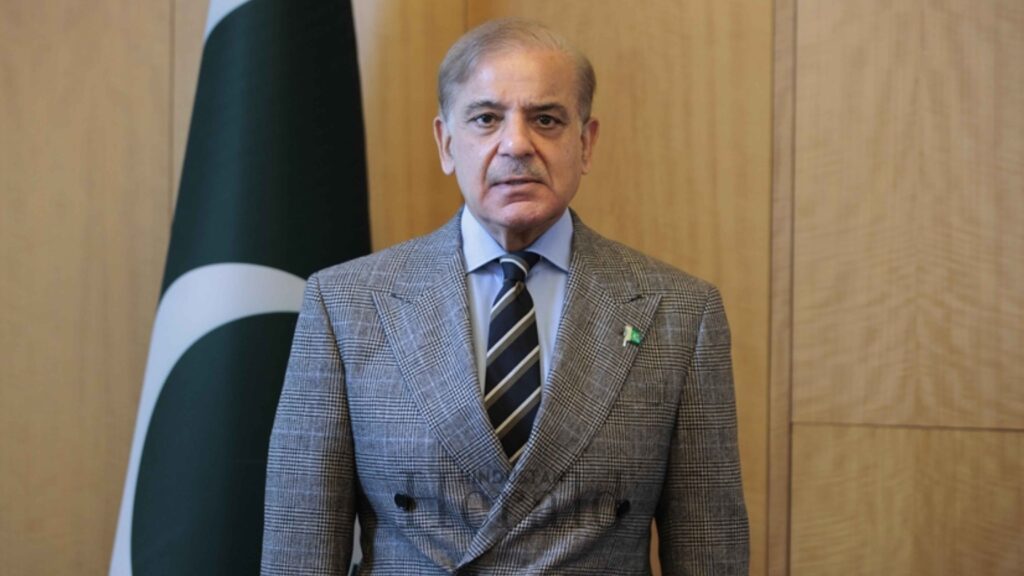
Sharif needed to come home from this summit with something to show. A handshake with Xi Jinping. Photographs. A joint statement with warm language about sovereignty and partnership. The message he needed to deliver to his domestic audience was simple: Pakistan is not alone. Its most powerful partner stood by it when things got hard.
Whether that translates into anything materially useful faster CPEC construction, debt relief, new defence supplies remains to be seen. Political reassurance and economic reality tend to diverge in Pakistan with frustrating regularity. But the optics served a purpose. They usually do.
India Is Quiet, Which Is Not the Same as Indifferent
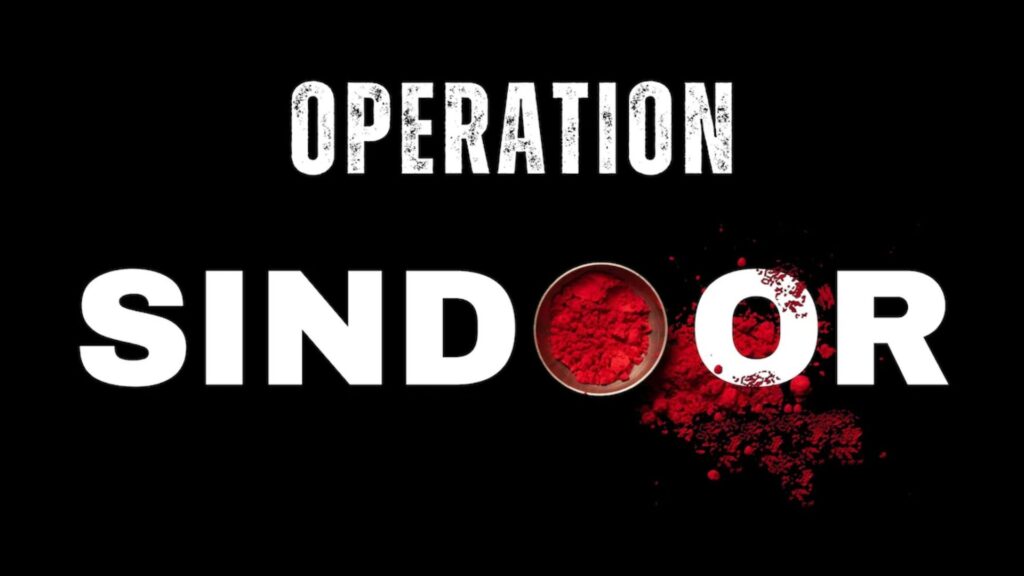
New Delhi has not said much publicly about Monday’s meeting. This is deliberate. India is in a careful phase right now, working the international community to consolidate the framing around Operation Sindoor as a proportionate counter terrorism response, not an act of aggression. Saying something sharp about the Sino Pakistani summit would muddy that effort and give Pakistan and China a narrative gift. So the silence is strategic. But it does not mean no one is watching or drawing conclusions.
The Indian strategic community has a fairly settled view of what China is doing in this relationship. The goal, from Beijing’s perspective, is not necessarily to see Pakistan flourish. It is to keep India occupied. A Pakistan that is armed, functional, diplomatically backed, and locked in an active rivalry with India is useful to China in ways that a Pakistan at peace with its neighbour would not be. It ties down Indian attention, complicates Indian planning, and gives Beijing a persistent source of strategic pressure it can turn up or down as circumstances require. That logic has been visible for decades. The events of the last three weeks have made it somewhat more visible than usual.
The Honest Takeaway
Nothing that happened on Monday resolves anything. The conditions that produced the Pahalgam attack are still there. The infrastructure of cross border terrorism that India says it was targeting has not been dismantled by a ceasefire and a summit photo. The Sino Pakistani relationship that New Delhi watches with such wariness is not going anywhere. If anything it deepened slightly, or was seen to, which for signalling purposes amounts to the same thing.
The region is quieter than it was on May 8. That is genuinely welcome. But quiet is a weather condition, not a settlement. And the people who have been watching this part of the world for a long time will tell you, with a certain tired honesty, that this kind of quiet tends not to last.
The summit happened. The photographs exist. The statement was issued. And somewhere back in Islamabad, and somewhere in South Block in New Delhi, the actual work of figuring out what comes next continues, well away from the cameras.
Stay ahead with Hindustan Herald — bringing you trusted news, sharp analysis, and stories that matter across Politics, Business, Technology, Sports, Entertainment, Lifestyle, and more.
Connect with us on Facebook, Instagram, X (Twitter), LinkedIn, YouTube, and join our Telegram community @hindustanherald for real-time updates.

Tracking world politics, global markets, trade movements, policy decisions, and the changing balance of economic power.
- Shelesh Joshi

- Shelesh Joshi
- Shelesh Joshi
- Shelesh Joshi

Specializes in South Asian geopolitics and global diplomacy, bringing in-depth analysis on international relations.
- Rajiv Menon
- Rajiv Menon
- Rajiv Menon
- Rajiv Menon