
 By Herald Desk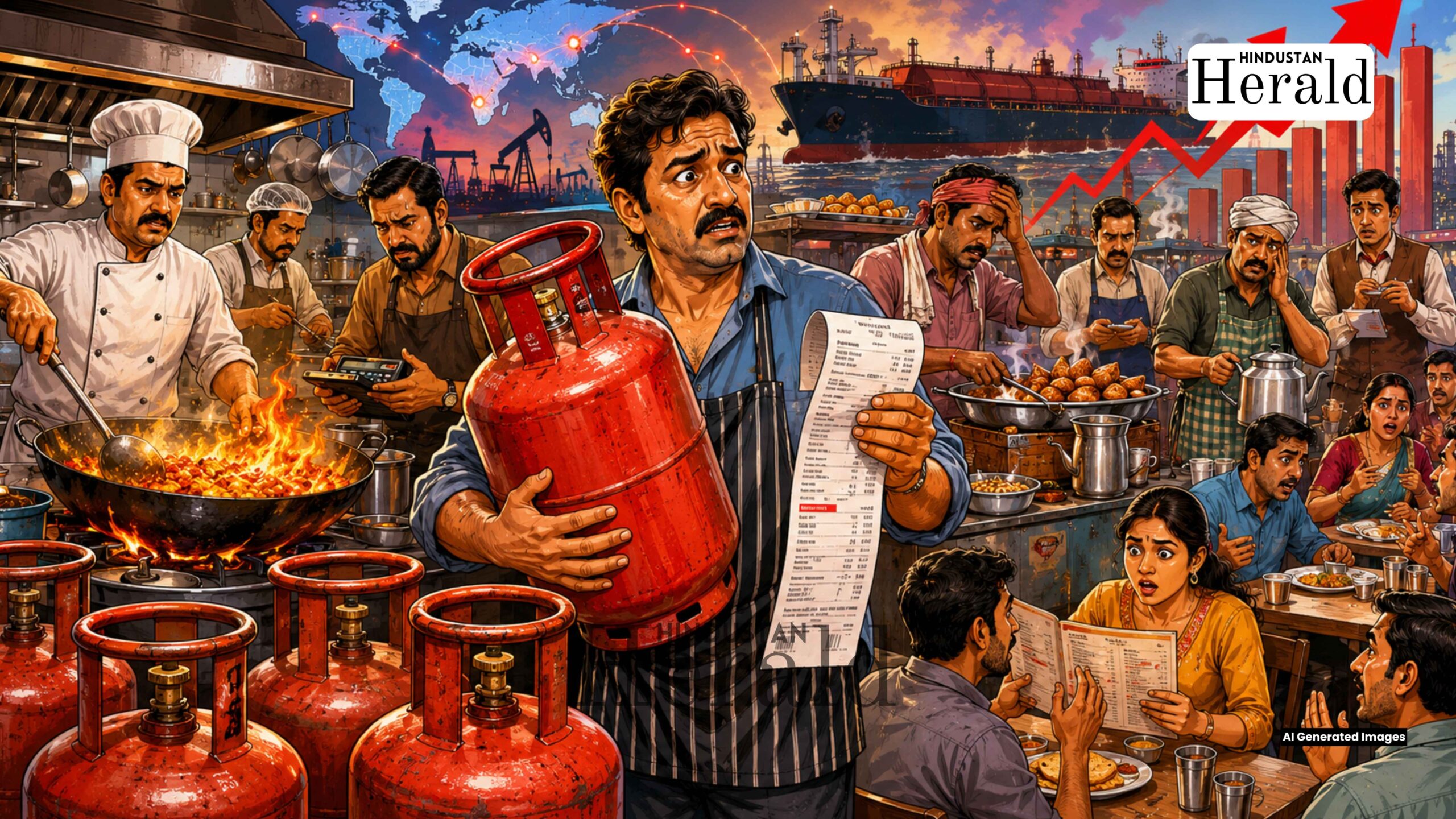
New Delhi, June 1: The man who runs a small restaurant in Lajpat Nagar did not get a letter. There was no official notice, no advance warning, no courtesy call from anyone at the oil company. He just woke up Monday morning, called his gas supplier, and found out the cylinder he orders every few days now costs Rs 42 more than it did on Friday.
That is how price hikes work in this country. They arrive quietly, and someone else figures out how to manage.
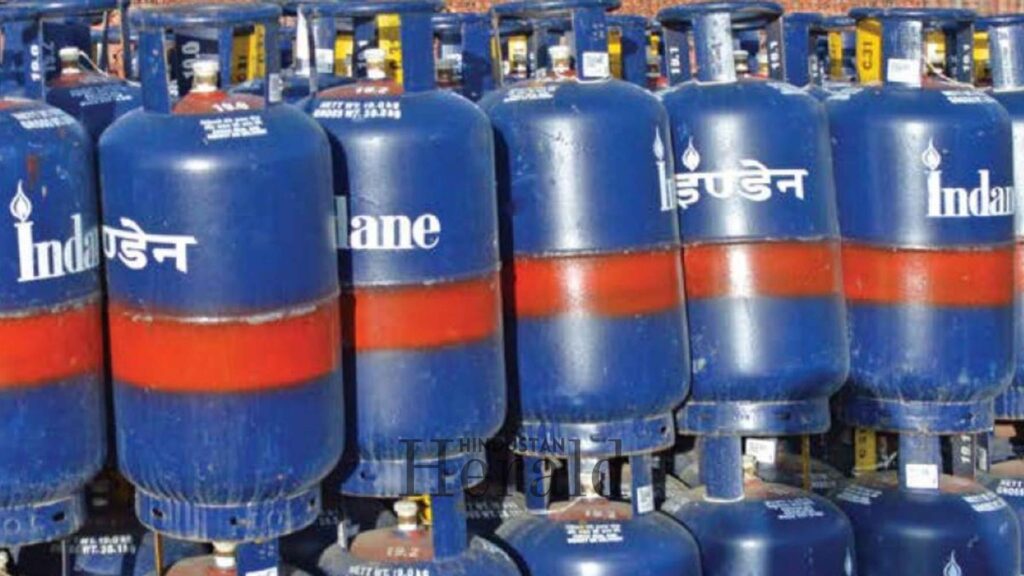
From today, the price of a 19-kg commercial LPG cylinder in Delhi has gone up to Rs 3,113.50, revised upward by Rs 42 per cylinder. Oil marketing companies made the change effective June 1, no fanfare, no explanation beyond the number itself.
It Has Been One Hit After Another
To understand why this particular hike is landing so hard, you have to go back a few months.
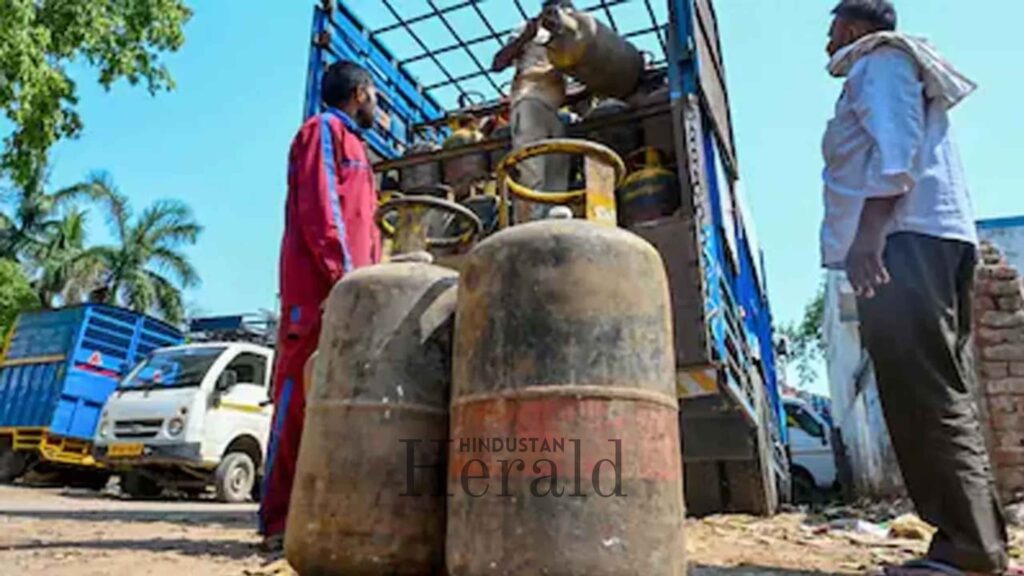
In January 2026, a 19-kg commercial cylinder in Delhi cost roughly Rs 1,691.50. That already felt steep to most restaurant and hotel operators. Then March came with a hike of Rs 114.50. April brought Rs 195.50 more. And then May 1 happened, which is when things stopped feeling manageable for a lot of people in the food and hospitality business.
On the first of May, oil companies pushed commercial LPG prices up by nearly Rs 1,000 in a single day. Not gradually. Not in instalments. One morning, the cylinder cost what it used to. By afternoon, it cost nearly a thousand rupees more. The rate in Delhi jumped to Rs 3,071.50 almost overnight.
Operators adjusted, or tried to. Some revised their menus. Some cut back on staff hours. Some simply absorbed the cost and hoped it would stabilise.
It has not stabilised. Monday’s Rs 42 addition is the second hike in just over thirty days. The cylinder that cost Rs 1,691.50 in January now costs Rs 3,113.50. Do that arithmetic slowly. That is nearly double, in under six months.
Kolkata and the Smaller Cylinders Too
Delhi is not alone in this. In Kolkata, the increase is actually steeper, Rs 53.50 per cylinder, taking the rate there to Rs 3,255.50. The smaller packs have also been revised. The 5-kg Free Trade LPG cylinder, the one used by tea stall owners, small caterers, and roadside food vendors, has gone up by Rs 11, now costing Rs 821.50 in Delhi.
Nobody is being spared in the commercial segment. The big restaurant and the small chai wala are both staring at higher fuel costs this week.
The Part About Household Cylinders
Domestic LPG, the 14.2-kg cylinder that goes into home kitchens, has not changed. In Delhi, it is still Rs 913, where it has been since March 2026. Jaipur is at Rs 916.50, Ahmedabad at Rs 920. Households, for now, are not being asked to absorb this latest round.
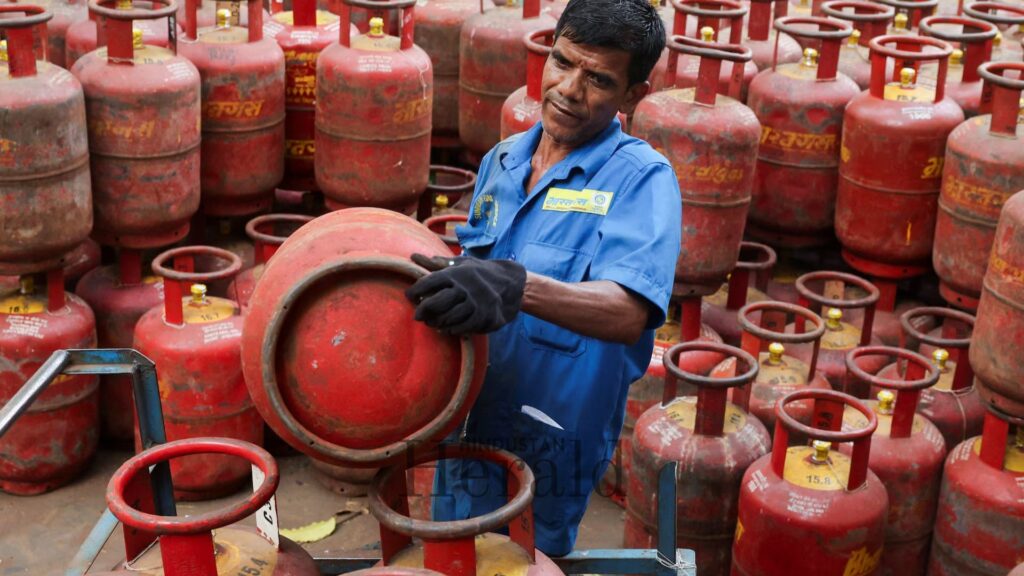
That distinction matters and it is deliberate. Commercial cylinder prices in India are more directly tied to international energy markets and get revised with relatively little political friction. Domestic cylinder pricing is a different calculation altogether, one where the government tends to move slowly and carefully, aware of how directly it touches ordinary household budgets. The two have always been treated differently, and right now that gap is wide enough to be jarring.
Still, it would be naive to assume domestic prices are permanently protected. The Rs 60 hike in March, which was the first domestic revision since the Middle East conflict escalated, proved that households are not outside the blast radius entirely. Just further from it, for now.
Why Is This Happening
The honest answer is a war, and its effects on an energy market India has very little control over.
The ongoing conflict between the United States and Iran has disrupted the global energy supply picture in significant ways. Much of the world’s crude oil and LPG passes through the Strait of Hormuz, the narrow channel that connects the Persian Gulf to the open ocean. Any credible threat to that route sends prices moving. And prices have been moving for months.
India imports more than 85 percent of its crude oil, most of it from the Gulf region. That dependence is not a secret and it is not new, but it becomes very visible at moments like this one. A conflict that India has no part in, and no influence over, is directly determining what a caterer in Pune or a hotel kitchen in Bhopal pays for cooking gas.
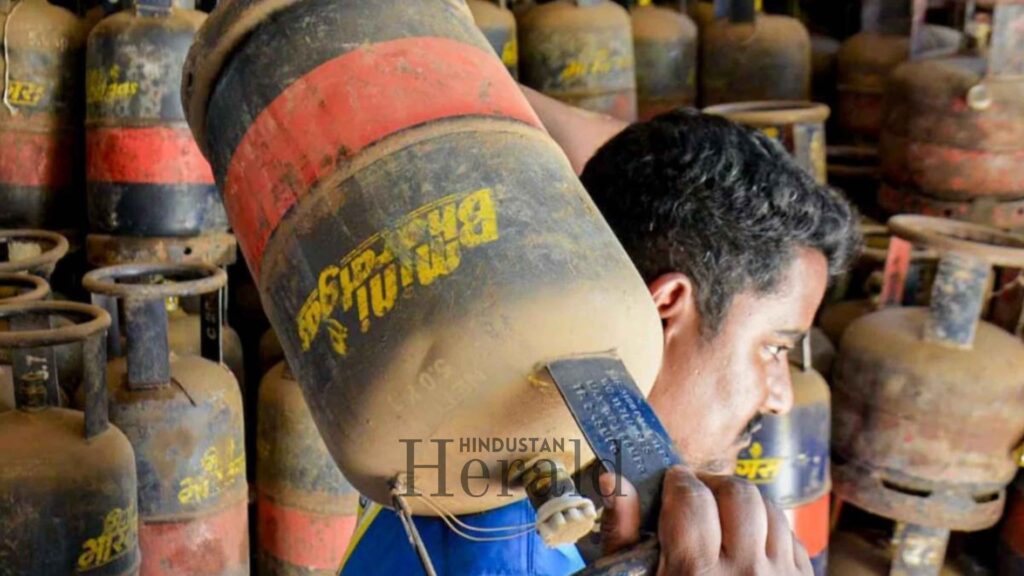
International crude prices surged following the escalation of US-Iran tensions, and that pressure has worked its way through the supply chain with uncomfortable speed. Commercial LPG, being more market-linked, absorbs the shock first and most visibly.
What the Numbers Mean for Real Businesses
Step back from the policy language for a moment and think about what these numbers actually mean in a working kitchen.
A mid-sized restaurant using ten commercial cylinders a week is now spending roughly Rs 31,135 on cooking gas every seven days. That is over Rs 1.24 lakh a month, just on LPG. In January, the same consumption would have cost around Rs 67,000 a month. The difference, roughly Rs 57,000 a month extra, is not coming from anywhere obvious. It either eats into whatever margin exists, or it gets pushed onto the customer through higher prices.
Most operators will do some combination of both, because neither option fully works on its own.
For smaller vendors, the math is even grimmer. The tea stall owner using two or three 5-kg cylinders a day does not have the kind of cash reserves that allow for quiet absorption of repeated cost increases. At some point, the cutting chai that cost Rs 10 becomes Rs 12, and then Rs 15, and the customer grumbles but pays because the vendor genuinely cannot afford not to raise the price.
This is how fuel costs translate into everyday inflation. Not through one dramatic moment, but through hundreds of small adjustments made by people who have no other choice.
Petrol, Diesel, and the Enforcement Push
Commercial LPG is not the only fuel story right now. Petrol and diesel prices have also been revised upward multiple times through May, with cumulative increases in major cities reportedly reaching close to Rs 5 per litre. The same underlying pressure, crude oil prices responding to West Asia tensions, is driving both.
Higher diesel prices compound everything. The cost of moving goods, whether it is vegetables from a farm or packaged supplies to a distributor, goes up. That cost does not disappear. It passes through.
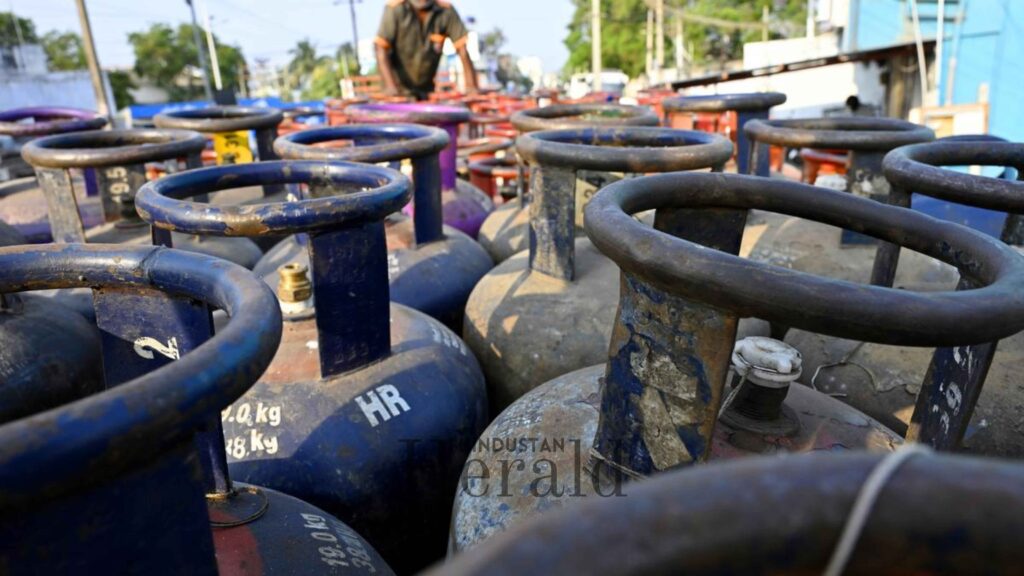
The government, meanwhile, has been running aggressive enforcement operations on the fuel supply chain. Authorities reportedly conducted more than 6,500 raids related to LPG distribution across just four days, leading to multiple FIRs and arrests. A parallel inspection drive covering around 900 fuel retail outlets resulted in the seizure of over 75,000 litres of diesel and several hundred litres of petrol, with more arrests made on suspicion of hoarding and diversion.
That scale of enforcement suggests genuine concern at the official level about supply integrity. When global availability is uncertain, the last thing the system can afford is fuel being diverted or hoarded domestically.
Where This Leaves Things
There is no tidy resolution to offer here. The conflict driving these prices is not over. International crude markets have not stabilised. India’s import dependence is not going away. And oil marketing companies are not charitable institutions absorbing losses in the public interest.
For businesses in the commercial segment, this is the operating environment now. Cylinder prices that were under Rs 1,700 at the start of the year are now above Rs 3,100, and the direction of travel has not reversed. Some businesses will adapt. Some will pass costs on. Some, especially the smallest and most vulnerable, may quietly stop being viable.
The domestic cylinder is still at Rs 913. That is a genuine relief for millions of households. But the commercial side of this story is already reshaping the economics of eating out, ordering in, and buying food from the stall on the corner.
The gas that keeps Indian kitchens running has never been more expensive. And for the people who depend on it to make a living, right now, there is no good news on the horizon.
Stay ahead with Hindustan Herald — bringing you trusted news, sharp analysis, and stories that matter across Politics, Business, Technology, Sports, Entertainment, Lifestyle, and more.
Connect with us on Facebook, Instagram, X (Twitter), LinkedIn, YouTube, and join our Telegram community @hindustanherald for real-time updates.

- Herald Desk

- Herald Desk
- Herald Desk



 Sandeep Verma
  Ananya Sharma
  Ayesha Khan