
 By Ananya Sharma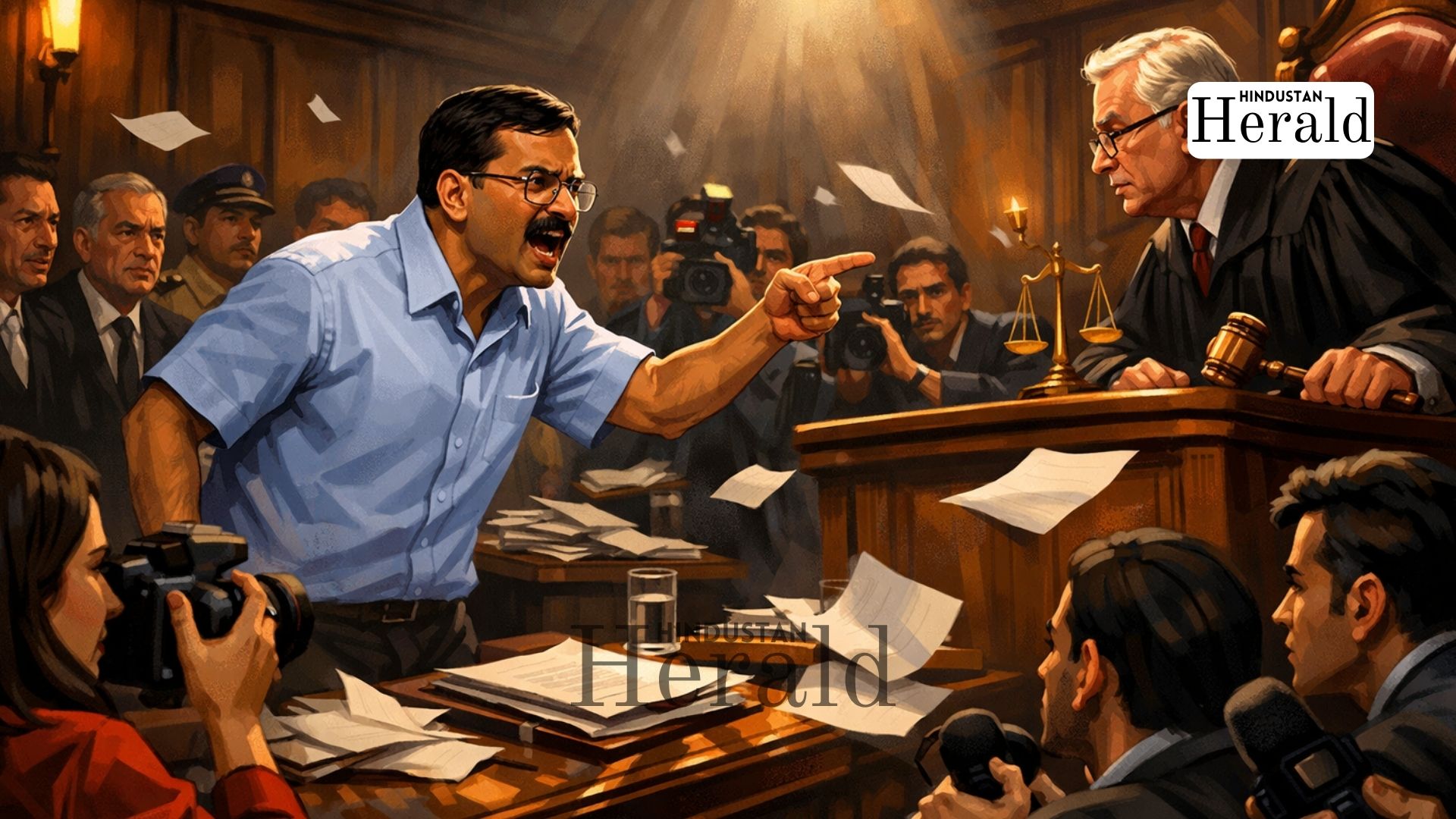
New Delhi, April 14: The courtroom outside Justice Swarana Kanta Sharma’s chamber at the Delhi High Court looked nothing like a Monday afternoon. Lawyers jostled for space, journalists balanced laptops above their heads, and files were passed hand-to-hand like relay batons. Three chairs had been placed inside, reportedly to accommodate more people. By the time proceedings began at 2:50 pm, the room was packed to its limit.
The man at the centre of it all was not a lawyer. He was a former Chief Minister.
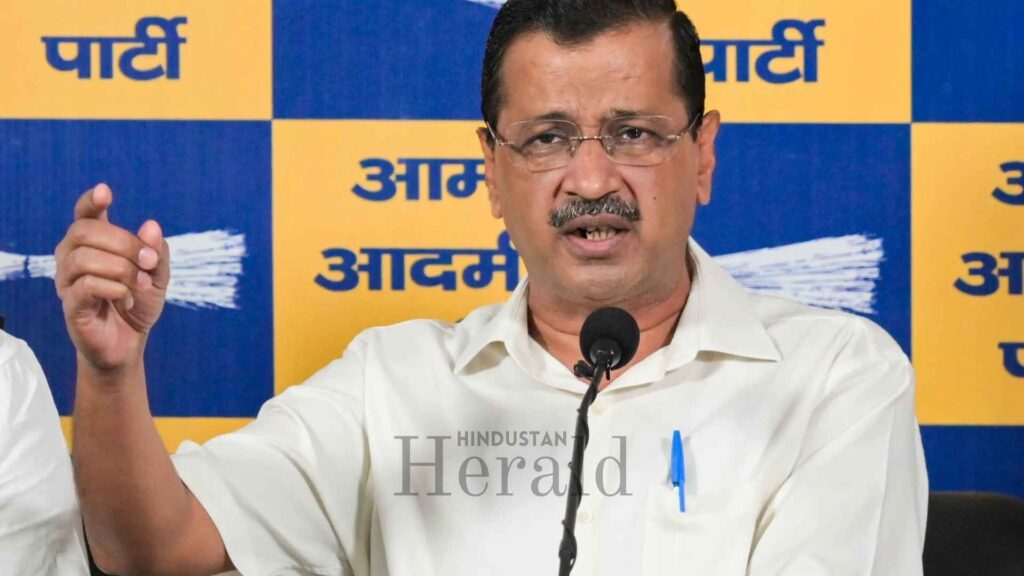
Arvind Kejriwal, national convenor of the Aam Aadmi Party and former head of the Delhi government, stood before Justice Sharma on April 13 to personally argue why she should step aside from the Delhi excise policy case. His plea: that she cannot be trusted to hear the matter impartially, and that he fears he will not receive a fair trial.
What followed was a four-hour hearing that cut to the heart of a question Indian courts have long wrestled with: when does a litigant’s fear of bias become a legal basis to change who sits in judgment?
How It Reached This Point
The backdrop to Monday’s proceedings is critical to understand.
On February 27, a trial court in Delhi discharged Kejriwal, former Deputy Chief Minister Manish Sisodia, and 21 others in the excise policy case, concluding that the CBI’s material did not disclose even a prima facie case against them. The trial court did not merely clear the accused. It lambasted the CBI probe as “premeditated,” “wholly unable to survive judicial scrutiny,” and recommended departmental action against the investigating officer. In short, the court that spent the most time with the evidence came away unconvinced that a crime had even been committed.
The CBI swiftly filed a revision petition against the discharge, and the matter landed before Justice Sharma. On March 9, Justice Sharma issued notice to all 23 accused, saying certain observations and findings of the trial court at the stage of framing of charges prima facie appeared erroneous and needed consideration. She also adhered to the trial court’s recommendation regarding departmental action against the CBI’s investigating officer.
That March 9 order shook Kejriwal. He opened his arguments on Monday with a Hindi phrase that set the tone: “Jab March 9 ka order aaya, mera dil baith gaya” — “When the March 9 order came, my heart sank.”
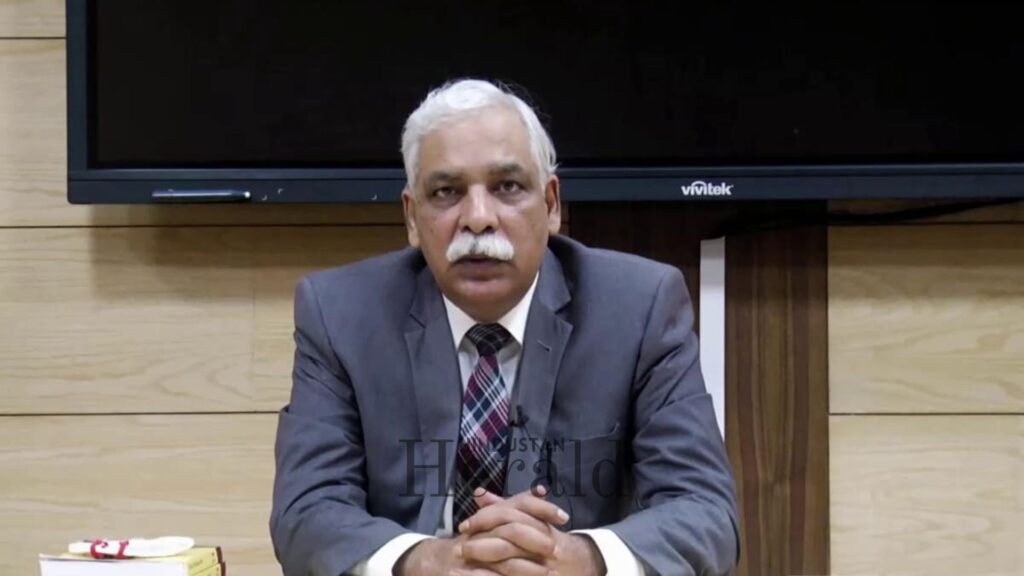
He had already tried to get the matter reassigned before reaching this point. Earlier, Chief Justice of the Delhi High Court D.K. Upadhyaya declined Kejriwal’s request to transfer the CBI’s plea from Justice Sharma to another judge, stating that the recusal decision must be taken by the judge concerned. With that door closed, Kejriwal filed a formal recusal application, which was taken on record on April 6 and listed for April 13.
Ten Reasons, One Fear
By the end of Monday’s hearing, Kejriwal had submitted close to 11 reasons why he sought the judge’s recusal. His arguments ranged from the procedural to the political, though he carefully stopped short of directly alleging political bias.
His central legal argument rested on the precedent of Ranjit Thakur v Union of India. He argued that the key issue is not actual bias but whether a litigant reasonably apprehends bias, and that even the perception of partiality is sufficient grounds for recusal.
On the question of prior orders, Kejriwal was blunt. He contended that the court had effectively “neutralized” the trial court’s discharge order, passed after over three months of day-to-day hearings, through a brief March 9 ruling. He cited the speed and the manner of that order as deeply troubling. In a pointed submission, he said: “5-10 minute ki hearing mein itna bada order ‘erroneous’ declare kar diya gaya” — “In a 5-10 minute hearing, such a detailed order was declared erroneous.” He also called it a violation of natural justice, as it was passed ex parte: “Bina hume sune, bina reply liye” — “Without hearing us, without taking our reply.”
He went further on the question of guilt-like findings. He argued that in previous orders, including bail pleas for Sisodia and others, Justice Sharma had made “strong and conclusive” findings that left the accused virtually declared guilty before any trial had concluded. “I was almost declared guilty. I was almost declared corrupt. Kewal saza sunani baaki reh gayi thi,” he said — “Only the sentence was left to be pronounced.”
Then came the argument that drew the most reaction in court. Kejriwal argued that Justice Sharma’s participation in events linked to the Rashtriya Swayamsevak Sangh-affiliated Akhil Bharatiya Adhivakta Parishad created a perception of bias. “Your attending such events multiple times raises an apprehension in my mind about whether I will receive justice,” he submitted.
In his own words: “Unki ideology ke hum sakht khilaaf hain. Aur ye case political case hai. If your honour is attending a programme of a particular ideology, toh reasonable bias create hota hain, impression that kyuki mai opposite ideology ka hu, toh whether I will get justice or not.” He was careful to frame it as an impression, not a fact. Still, the political undercurrent of the argument was unmistakable.
He also alleged that, barring the present case and another involving a political opponent of the BJP, no other matters before the judge were being heard with similar urgency, and claimed there was a visible pattern of the court endorsing the arguments of investigating agencies.
The CBI Pushes Back
The CBI came to court prepared. In an affidavit filed ahead of the hearing, the agency rejected Kejriwal’s allegation of ideological bias, calling his recusal plea “wholly vexatious.” On the RSS-affiliated events argument, it said: “If attending a function of Akhil Bhartiya Adhivakta Parishad shows ideological bias of any judge, then a large number of sitting High Court and Supreme Court judges would have to recuse from hearing any case where politically exposed persons are accused.”
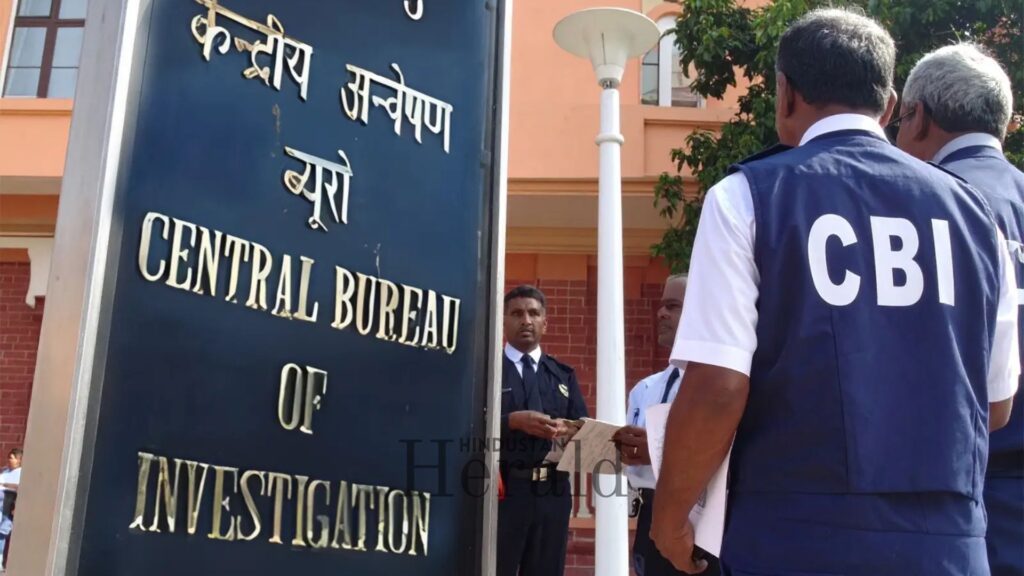
The CBI also aimed what it called selective presentation. It pointed out that on three separate occasions in January 2024, the same judge had granted interim bail or relief to the accused, arguing that passing both favourable and unfavourable orders itself rules out any apprehension of bias. It accused Kejriwal of suppressing these favourable orders, calling that alone sufficient reason to reject the application.
In court, Solicitor General Tushar Mehta made the institutional argument. He cautioned against setting a precedent where judges are routinely asked to step aside. “If judges begin recusing on such grounds, it raises the question of whether any judge would be able to hear sensitive matters,” he argued.
Justice Sharma’s Response in the Courtroom
Throughout the session, Justice Sharma was anything but passive. At the outset, she said she was going to hear the entire matter that day, no matter how long it took. She also issued instructions preventing anyone from helping Kejriwal during his submissions.
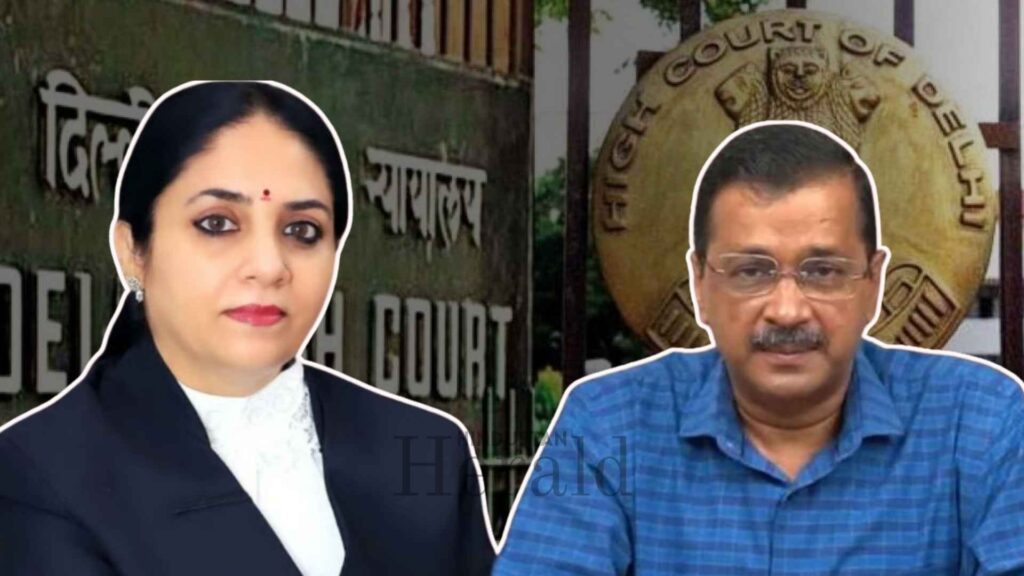
She repeatedly reminded him that the court was only considering the recusal plea, not the merits of the underlying case. At one point, she asked him directly if he was alleging political bias. Kejriwal did not take the bait, returning instead to the legal standard of reasonable apprehension. After the marathon session, Justice Sharma said she had learnt a great deal from all parties and hoped she would “give a good judgment.”
A Broader Question About Judicial Impartiality
This case has surfaced a tension that Indian courts have not cleanly resolved: how much weight should a litigant’s subjective fear carry when asking for a judge’s removal?
The legal standard Kejriwal invoked, drawn from the Ranjit Thakur precedent, is well-established: it is not necessary to prove actual bias, only that a reasonable person in the litigant’s position would apprehend it. But the question of what constitutes “reasonable” is inherently contestable, and courts have traditionally been reluctant to allow recusal demands to become a routine litigation tool.
The CBI’s response captures this concern: if attending professional legal events, even ones with ideological associations, becomes grounds for disqualification, the pool of judges eligible to hear politically sensitive matters shrinks dramatically. That would create its own set of problems for the functioning of the judiciary.
At the same time, Kejriwal’s argument about prior orders is harder to dismiss. The contrast between a trial court that spent three months examining 40,000 pages of material and reached a firm discharge order, and a High Court bench that, within days of receiving the CBI’s appeal, labelled parts of that order “erroneous” without fully hearing the other side, is a procedural concern that goes beyond politics. It touches on the basic right of an accused to be heard before findings are made against them.
The High Court has also indicated that proceedings in the related money laundering case may be deferred pending the outcome of the CBI’s appeal in the excise policy case, which means the stakes of this recusal question extend well beyond Monday’s courtroom.
What Comes Next
The matter is expected to return to Justice Sharma’s court for her ruling on the recusal application. If she declines to step aside, Kejriwal’s options include approaching the Supreme Court, though that path carries its own risks and timelines. If she recuses herself, the CBI’s appeal will be reassigned to another bench, effectively restarting the process at the High Court level.
Kejriwal, for his part, was direct about where he stood: “Mera doubt sach hai ya nahi, wo alag baat hai, par doubt hai” — “Whether my doubt is right or wrong is a separate issue. But the doubt exists.”
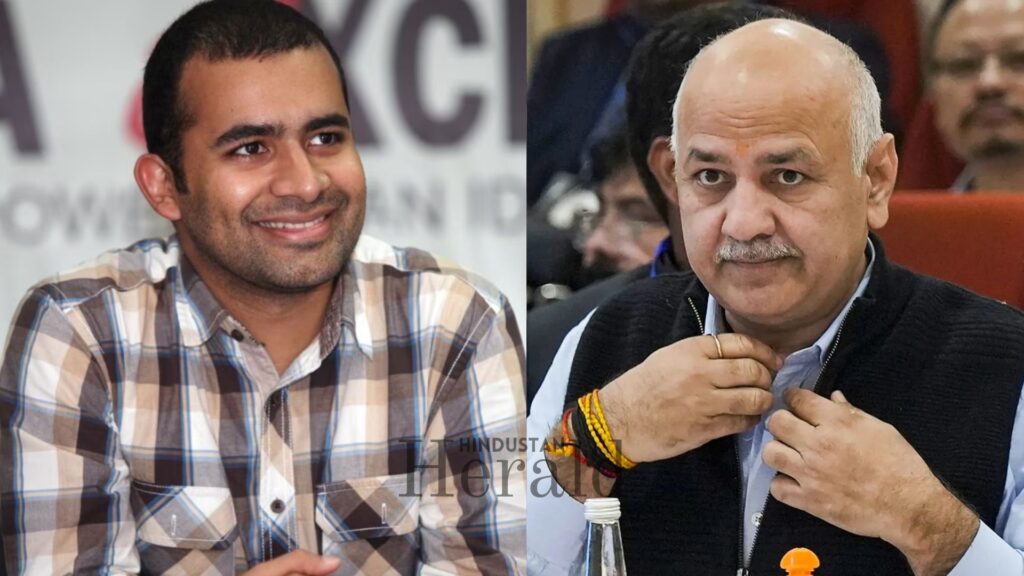
For a man who was discharged by a trial court after one of the more emphatic judicial rejections of a CBI case in recent memory, that doubt speaks to something larger than a single courtroom dispute. It reflects a wider anxiety, shared by others in the excise policy case, including Sisodia and Vijay Nair, about whether the machinery of law is operating on its own logic or being driven by something else entirely.
That is a question Justice Sharma’s eventual ruling will not fully answer. But how she chooses to handle the recusal application will say something about how the Delhi High Court understands its own obligations in politically charged cases.
For now, the hearing is over. The judgment call rests with the very judge whose impartiality is in question.
Stay ahead with Hindustan Herald — bringing you trusted news, sharp analysis, and stories that matter across Politics, Business, Technology, Sports, Entertainment, Lifestyle, and more.
Connect with us on Facebook, Instagram, X (Twitter), LinkedIn, YouTube, and join our Telegram community @hindustanherald for real-time updates.

Covers Indian politics, governance, and policy developments with over a decade of experience in political reporting.
- Ananya Sharma

- Ananya Sharma
- Ananya Sharma
- Ananya Sharma




 Ayesha Khan
  Sandeep Verma