
 By Kavita Iyer and Arun Upadhayay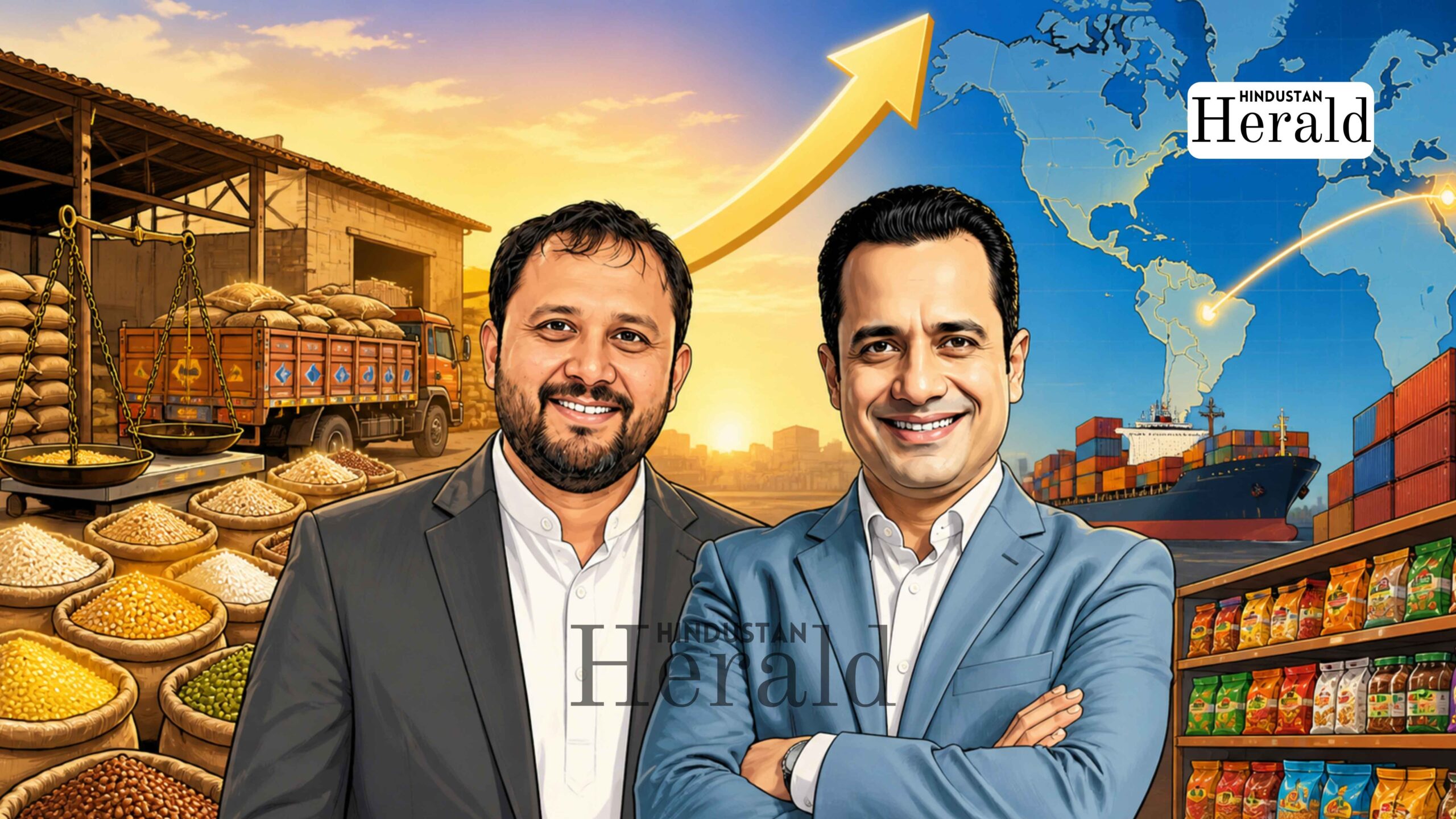
New Delhi, 30 April: Sewakram Group didn’t start with grand ambitions of going global. Like most trading businesses rooted in Karnataka’s interior, it grew the way these things usually do, slowly, quietly, and through relationships built over years of showing up. Based out of Hubballi, the group made its name in wholesale grains and pulses, working through a network of distributors who knew the local markets better than any algorithm ever could.
Diversification into Real Estate
But grains weren’t the whole story. While the trading side kept the engine running, Sewakram also put money and effort into real estate through its infrastructure arm, Sewakram Realty. In just six years, the company completed over 25 residential, commercial, and industrial projects across the Hubli-Dharwad belt. That’s not a small number. It tells you something about how the group thinks: don’t put everything in one basket, and don’t stop building.
Collaboration with Bada Business and Dr. Vivek Bindra
Still, by the time they decided to reach out to Bada Business Private Limited and work under Dr. Vivek Bindra’s mentorship, there were real cracks in the foundation. Growth had plateaued. The distributor network was large on paper but patchy in practice. Cash was taking too long to come back. And beyond domestic borders? Nothing. The export opportunity was right there, and yet the company had never seriously chased it.

Challenges Before the Collaboration
To be fair, these aren’t unusual problems for businesses of this type and size. Around 250 distributors sounds like a healthy number until you realize there’s no reliable way to know which ones are actually performing and which ones are just sitting on the list. Credit periods stretching to 59 days didn’t help either. Money tied up for nearly two months means less room to move, less ability to reinvest, and a business that’s always playing catch-up with itself.
Transformation Through the Cash Growth Program (CGP)
The Cash Growth Program changed how the company looked at its own operations. Not dramatically, not overnight but methodically. Distributor data was pulled apart and examined properly, probably for the first time. Who was buying regularly? Who had gone quiet? Who was worth doubling down on, and who needed a conversation? The answers led to action: reactivation drives, smarter onboarding, and a distributor base that grew to over 400 active collaborators. More importantly, it was a base that actually functioned.
Optimizing the Credit Cycle
The credit cycle shift from 59 days down to 35 sounds like a small accounting tweak, but anyone who’s run a trading business knows it’s anything but. That’s nearly a month of cash freed up. Distributors were segmented by how reliably they paid, and credit terms were adjusted accordingly. The result was better liquidity, less financial friction, and a business that could finally breathe a little easier.
Entry into International Markets
Then came the part no one inside the company had done before exports. Getting into international trade isn’t just about finding a buyer abroad. There’s compliance, documentation, logistics, payment structuring, currency risk, a whole world of complexity that most domestic traders never touch. Sewakram Group worked through all of it and landed its first significant export deal in the UAE. 1,250 metric tons. It’s a real number, a real shipment, and it represents something more than just revenue it’s proof that the business had genuinely crossed a threshold.
Launch of the FMCG Brand

Around the same time, the group made another move that signals where they want to go long-term. They launched their own FMCG brand. For a company built on commodity trading, that’s a meaningful shift in identity. Commodities are volatile, prices swing, margins compress, and there’s only so much you can do about it. Branded products are different. Done right, they build loyalty, command better margins, and give the business something that price fluctuations can’t easily take away.
Growth Projections and Business Impact
Put it all together more distributors, tighter cash cycles, an export vertical, a consumer brand and the company is now projecting over 250 percent growth in the next three years. That’s an ambitious number, but it doesn’t come out of nowhere. It’s backed by structural changes that are already showing results.
Role of Consultant Support
Part of what made the collaboration work was the diagnostic approach. The consulting team didn’t just offer a generic strategy; they went in, identified where the bottlenecks actually were, and built solutions around those specific pressure points. That kind of targeted intervention tends to stick in a way that broad advice rarely does.
Founder’s Perspective
Founder Arjun Agarwal put it simply: “The collaboration helped us think beyond our existing boundaries. Entering international markets and launching our own brand were significant steps that became possible with the right guidance and structured execution.”
There’s nothing especially glamorous about a grains and pulses business from Hubballi deciding to export to the UAE or put its name on a packaged product. But that’s exactly what makes the story worth telling. Sewakram Group didn’t reinvent itself, it evolved, carefully and deliberately, from a traditional trading house into something with a lot more room to grow.
Stay ahead with Hindustan Herald — bringing you trusted news, sharp analysis, and stories that matter across Politics, Business, Technology, Sports, Entertainment, Lifestyle, and more.
Connect with us on Facebook, Instagram, X (Twitter), LinkedIn, YouTube, and join our Telegram community @hindustanherald for real-time updates.

Former financial consultant turned journalist, reporting on markets, industry trends, and economic policy.
- Kavita Iyer

- Kavita Iyer
- Kavita Iyer
- Kavita Iyer





- Arun Upadhayay
- Arun Upadhayay
- Arun Upadhayay
- Arun Upadhayay




 Neeraj Kapoor and Kavita Iyer
  Sandeep Verma and Kavita Iyer