
 By Ananya Sharma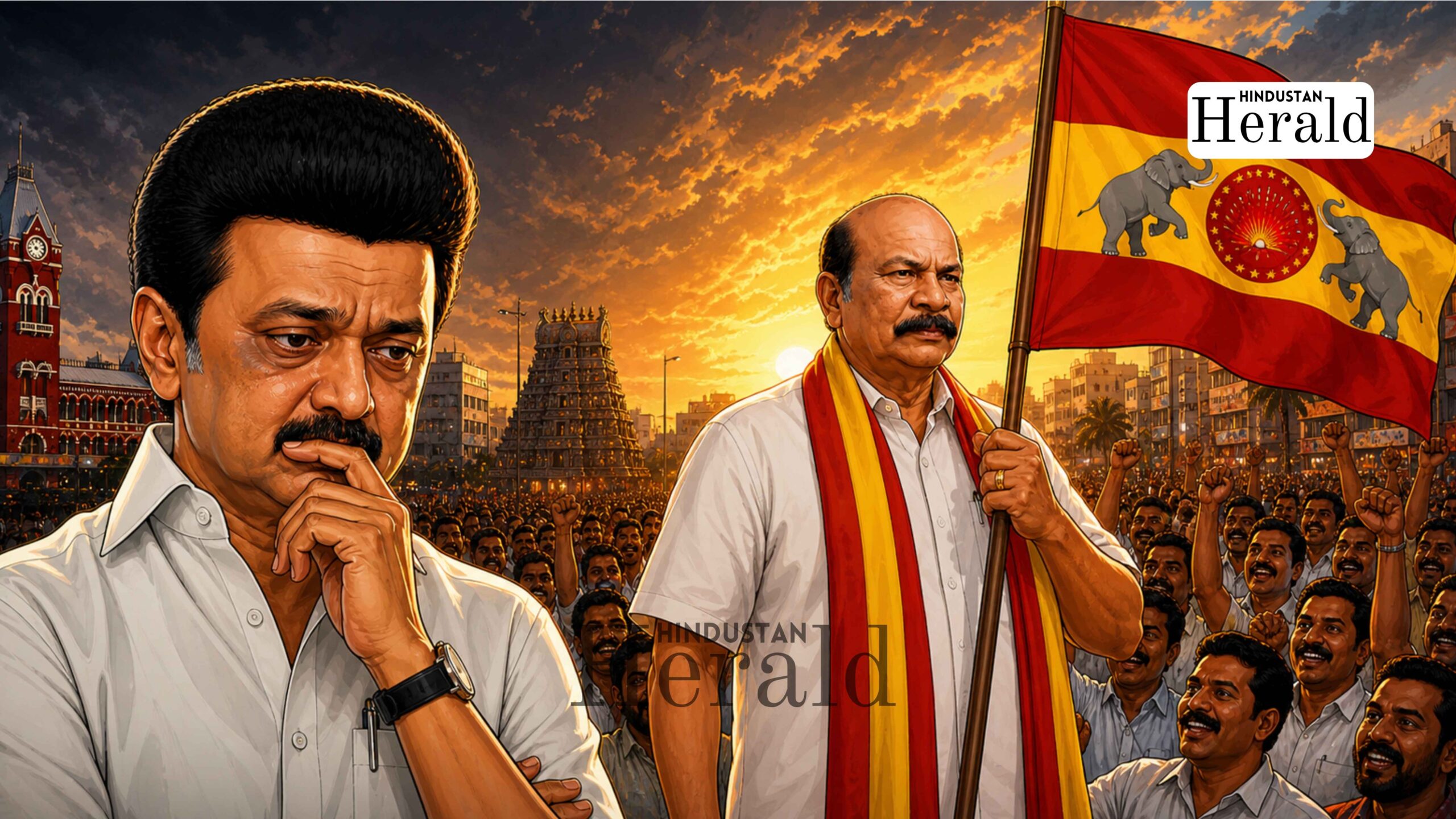
Chennai, May 5: Let’s start with a number. 8,795. That is how many votes separated M.K. Stalin from the biggest shock of his political life on Monday. Not a landslide defeat, not a humiliation on paper, just 8,795 votes. In a constituency of over a lakh voters, that is a thin, thin margin. But in politics, a loss by one vote counts the same as a loss by a million. And this one counted in a way that went far beyond numbers.
Kolathur is gone. The seat Stalin had called his own for fifteen years, the seat where he once won by nearly 70,000 votes just five years ago, the seat that had started to feel less like a contest and more like a coronation every election cycle that seat now belongs to someone else.
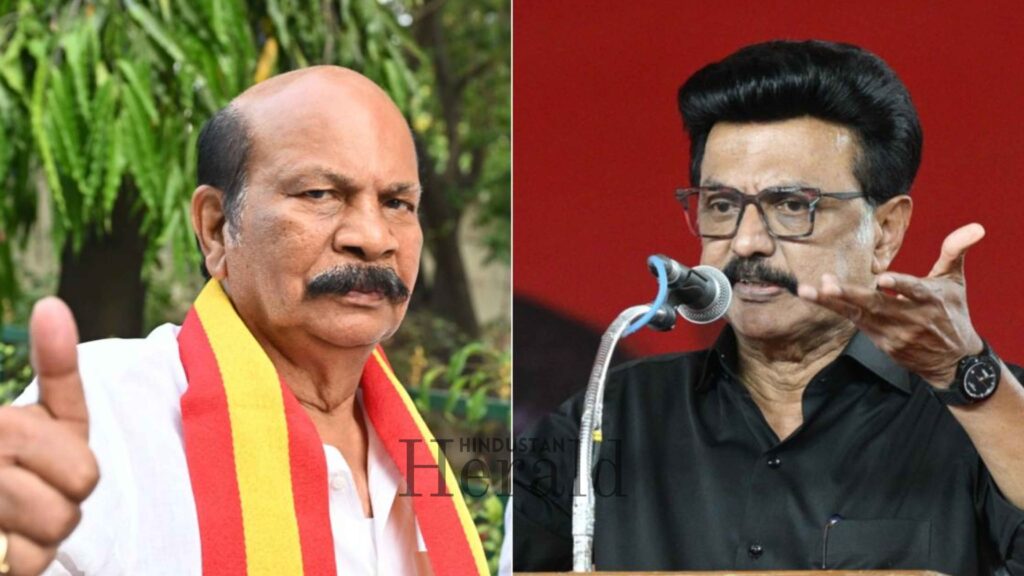
The man who took it is V.S. Babu, a 75-year-old politician running under the banner of a party that did not exist two years ago. And the story of how he did it is, frankly, one of the more fascinating political stories this state has produced in a long time.
This Was Not Some Random Seat
Before anything else, let us be clear about what Kolathur actually meant to Stalin.
He first won it in 2011. That year was tight. Uncomfortable, even. He scraped through by fewer than 3,000 votes, which at the time caused some quiet concern inside the DMK. Fast forward to 2016, and he won by over 37,000. By 2021, he had turned it into something that looked almost untouchable, winning by close to 70,000 votes with over 60% of the vote going his way.
Think about that trajectory for a moment. Every single election, the margin got bigger. Every single time, Kolathur seemed to be saying yes to him more loudly than before. For party workers, for supporters, for Stalin himself, this seat had stopped being a source of anxiety a long time ago. It had become something to be proud of. A symbol. His symbol.
So when Babu started showing early leads on counting day, the first reaction in DMK circles was probably confusion. Then disbelief. And then, as round after round confirmed the trend, something closer to quiet dread.
The Man Nobody Saw Coming
Here is where this story takes a turn that no screenwriter would have dared put into a script, because it would have seemed too convenient.
V.S. Babu is not new to Kolathur. He is not new to the DMK either. He won as a DMK MLA from nearby Purasawalkam back in 2006. He served as the party’s district secretary for north Chennai. And during the 2011 election, the same election where Stalin first won Kolathur by that narrow margin, Babu was the man in charge of managing the constituency for the party.
Let that sink in. The man who beat Stalin in Kolathur was once responsible for delivering Kolathur to Stalin.
What happened after 2011 tells you something important about how the DMK operates. When the party leadership was unhappy with the thin margin that year, Babu was the one who faced the music. He was removed from his position as district secretary. Quietly sidelined. He spent years outside the party’s inner circle, carrying the weight of a demotion he likely felt was unfair.
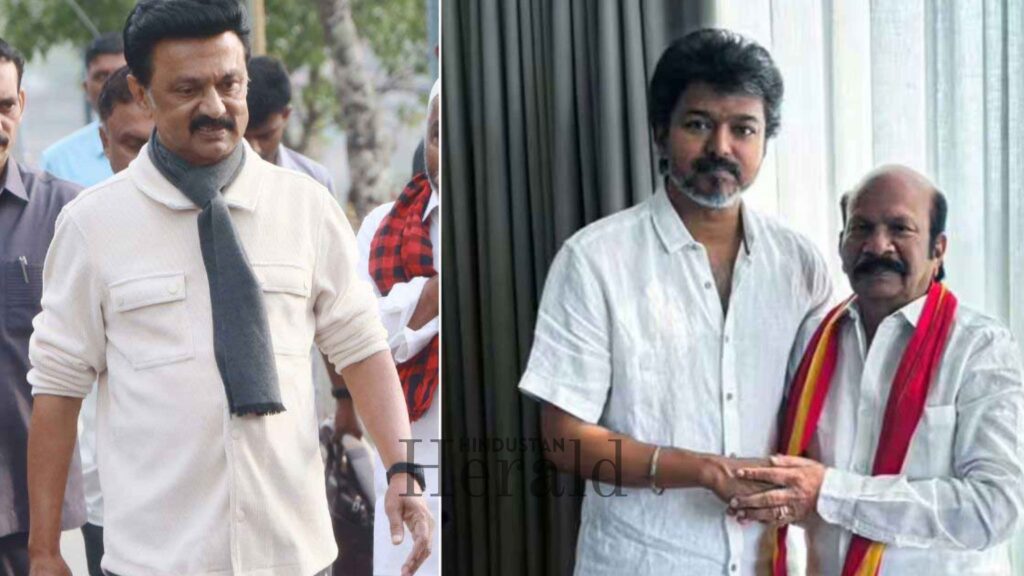
In February this year, three months before polling day, he walked into Vijay’s TVK and signed up. The party gave him the Kolathur ticket almost immediately. There is a certain poetic quality to that decision that Tamil Nadu voters clearly appreciated.
Babu ran a very specific kind of campaign. He did not float above the constituency on vague promises of change. He got into the lanes, spoke to people about the things that had actually bothered them for years. Roads that were dug up and never properly fixed. Water supply issues that had been raised with local representatives time and again. Small things. Real things. The kind of things that do not make headlines but sit in people’s minds when they go to vote.
He took all that ground-level frustration and gave it a face. That face, deliberately or not, ended up being Stalin’s.
What Five Years of Power Actually Cost the DMK
Governing a state for five years sounds like an advantage going into an election. In many ways it is. You have schemes to point to. You have cheques you have written and projects you can show off. The DMK did all of that.
Free bus passes for women. Educational support programmes. Monthly assistance payments. These were real benefits that reached real people, and the party banked on voters remembering them when the time came.
What the party perhaps did not fully account for was the other ledger. The one where people write down the things that did not happen.
Law and order had become a genuine concern. Incidents involving violence against women kept coming up in public conversation, and the perception, fair or not, was that the government was not responding with enough urgency. Local infrastructure complaints in various constituencies had been raised through the proper channels and had gone nowhere. There was a general feeling, hard to pin down but very real, that the government had grown comfortable. That it had stopped listening as carefully as it once did.
Voter fatigue does not always look like anger. Sometimes it just looks like indifference. Like people quietly deciding that they want to try something different, not because they hate what they have, but because they are not sure it is working for them anymore.
In a seat like Kolathur, where Stalin’s own name was on the ballot, every one of those local frustrations became personal. You were not just voting against the DMK. You were voting against the man himself, the chief minister, the person whose job it was to make sure things worked.
That is a different kind of pressure than facing a generic incumbent candidate. Babu understood it and built his entire campaign around it.
Vijay Changed the City Overnight
Now here is the other thing you cannot ignore. What happened in Kolathur did not happen in a bubble. It happened inside a city that had, quite dramatically, turned its back on the DMK in almost every single constituency.
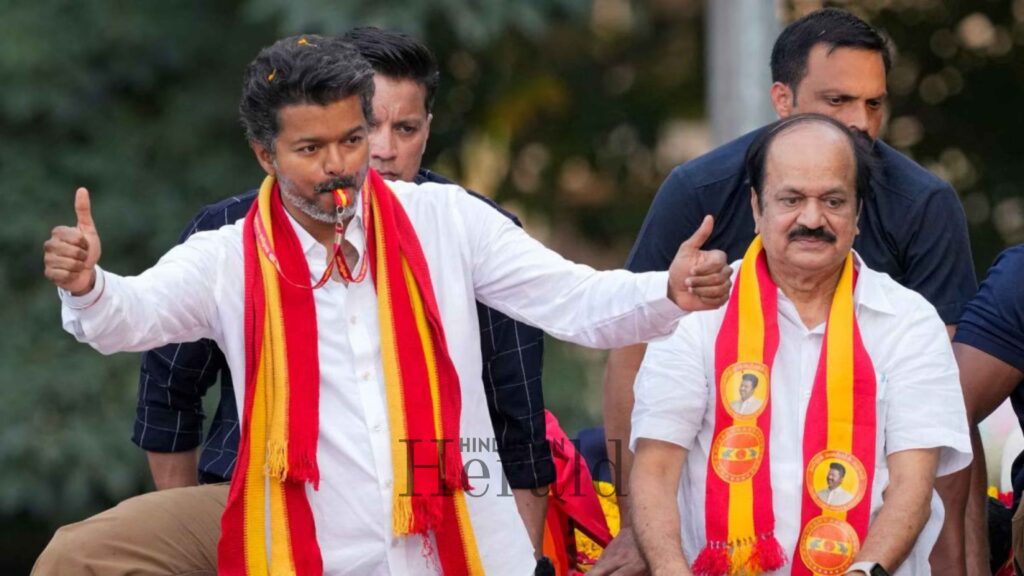
All sixteen Chennai seats. TVK was leading in all of them as the counting progressed. Anna Nagar, T. Nagar, Velachery, Mylapore, Royapuram, Thousand Lights, Harbour, Sholinganallur, Chepauk. Places where the DMK had strong organisational networks, strong local leaders, strong presence on the ground. None of it was enough.
Vijay’s appeal is genuinely difficult to explain to someone outside the Tamil cultural universe. He is not just a movie star who decided to try politics. He is, for a generation of Tamil Nadu voters, something that sits between entertainment and aspiration. Young people grew up watching his films. His screen image, always the underdog fighting a corrupt system and winning, translated with an almost frightening directness into a political message.
His campaign stayed simple on purpose. He did not get into ideological debates about Dravidian identity or which party had better socialist credentials. He talked about corruption. He talked about change. He talked about young people deserving better. He showed up in constituencies himself and spoke to crowds in a way that felt, to those crowds, like he was actually talking to them rather than performing for them.
The DMK watched all of this and made what may turn out to be their most costly error. They did not take him seriously early enough. Party veterans seemed to believe that Vijay’s novelty would wear off, that first-time voters would ultimately come back to the familiar, that the organisational machinery of the DMK would outlast the excitement of a film star with a new flag.
It did not work out that way.
By the time the DMK recalibrated, it was too late to change the direction of the campaign. Kolathur was caught in the same tide as the rest of the city. Stalin could not build a wall around his seat while everything around him was shifting.
Tamil Nadu Has Seen This Before
The older political hands in this state, the ones who have been watching Tamil Nadu elections since the 1970s, would have had a strange sense of recognition sitting in front of their television sets on Monday.
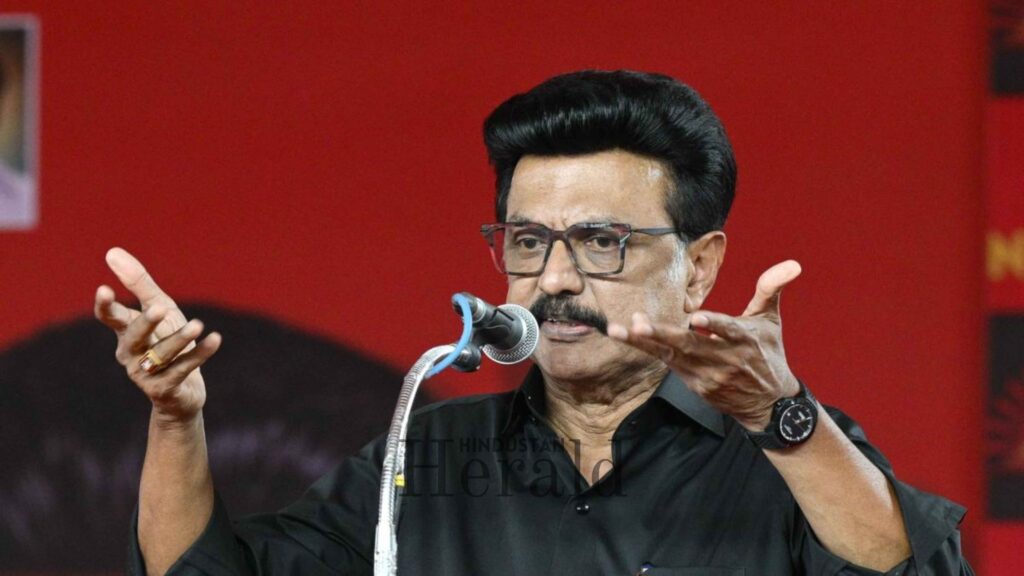
In 1977, a wildly popular film actor walked into Tamil Nadu politics and dismantled the DMK’s hold on power. His name was MGR. The man he defeated was Karunanidhi, Stalin’s father and the architect of the DMK as we know it. That election also felt, to DMK supporters of that generation, like something that should not have been possible.
History in Tamil Nadu tends to speak through cinema. It did so again on Monday.
Stalin’s defeat makes him only the second sitting chief minister in the state’s history to lose his own constituency seat while in power. That is not a statistic. That is a legacy. And not the kind anyone wants.
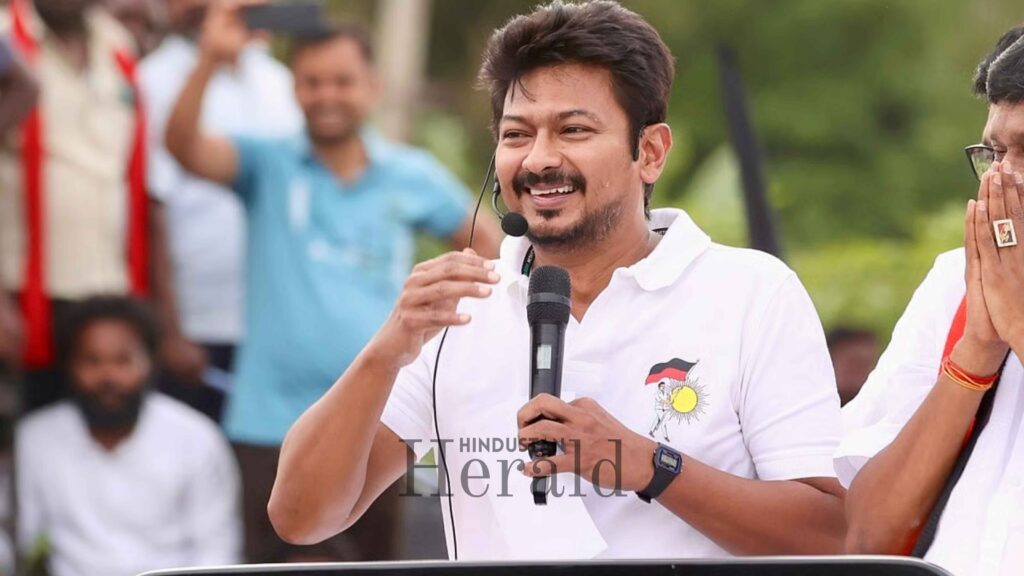
Four ministers from his cabinet also lost their seats on the same day, spread across different parts of Tamil Nadu. His son Udhayanidhi Stalin, who serves as Deputy Chief Minister, held on from Chepauk-Thiruvallikeni, which the family will take as a small mercy in an otherwise brutal day.
The Questions That Come Next
The DMK is not a party that falls apart easily. It has been through hard times before and it has come back. Karunanidhi was beaten by MGR and spent years in opposition before returning stronger. The party’s organisational depth is real and it does not disappear overnight.
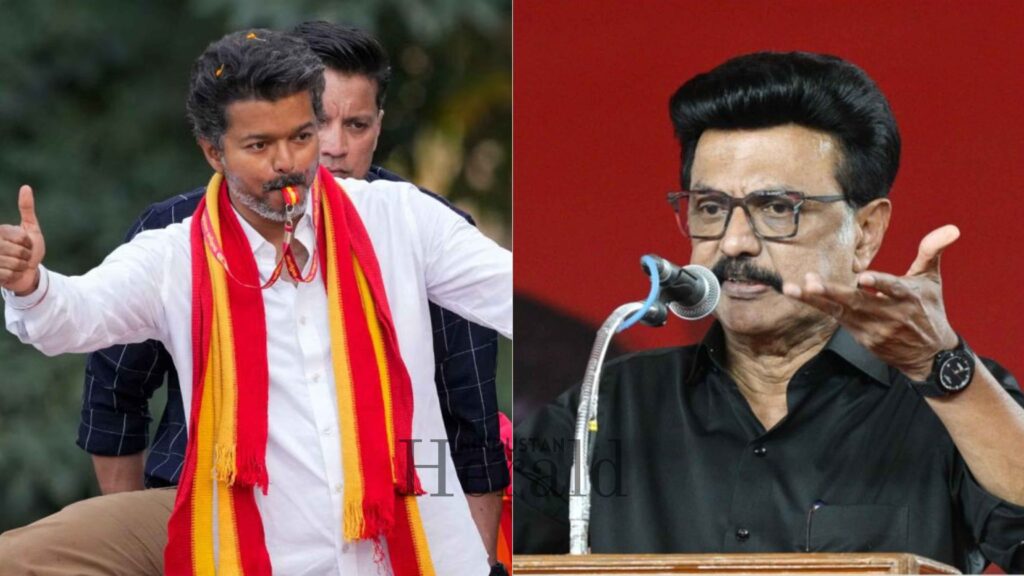
But the questions that will be asked inside the party over the coming weeks are serious ones.
How did Kolathur, of all places, slip away? Who was reading the ground and what were they saying? Why did the campaign fail to connect with urban voters, specifically the younger ones who seem to have shifted almost entirely toward TVK? Was the alliance strategy flawed? Was the messaging too stuck in the past?
These are not just tactical questions. They go to the heart of what the DMK thinks it stands for and who it thinks is listening.
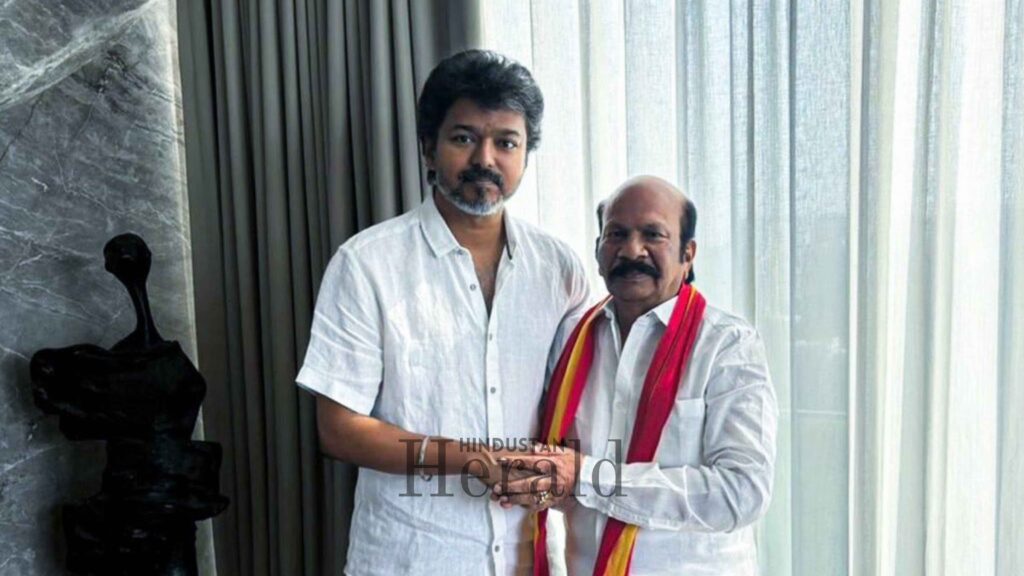
For V.S. Babu and for Vijay’s party, the harder work starts now. Winning an election on a wave of anti-incumbency and popular enthusiasm is one thing. Fixing roads and water supply and law and order is quite another. The voters of Kolathur will be watching to see whether the man they just sent to the assembly actually delivers the things he promised them in those lane-by-lane conversations.
Tamil Nadu does not give second chances easily. The DMK knows that better than anyone.
For now though, Monday belonged to the upset. It belonged to a 75-year-old man with a grudge, a new party flag, and fifteen years of local knowledge. It belonged to the voters of Kolathur, who decided that 70,000 votes worth of loyalty had run its course.
M.K. Stalin lost in Kolathur.
After everything, that sentence is still taking some people a moment to fully believe.
Stay ahead with Hindustan Herald — bringing you trusted news, sharp analysis, and stories that matter across Politics, Business, Technology, Sports, Entertainment, Lifestyle, and more.
Connect with us on Facebook, Instagram, X (Twitter), LinkedIn, YouTube, and join our Telegram community @hindustanherald for real-time updates.

Covers Indian politics, governance, and policy developments with over a decade of experience in political reporting.
- Ananya Sharma

- Ananya Sharma
- Ananya Sharma
- Ananya Sharma