
 By Ananya Sharma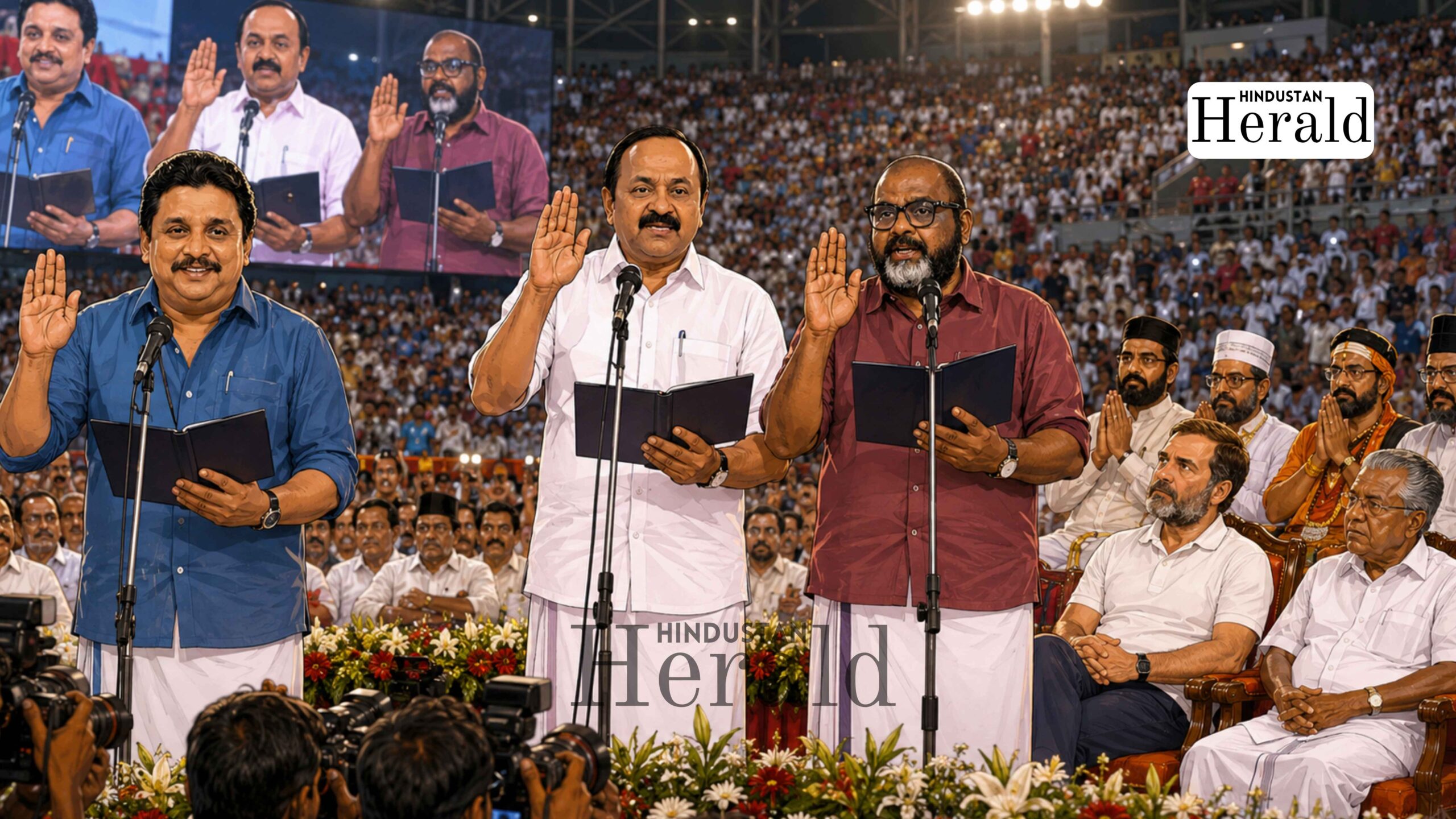
Thiruvananthapuram, May 18: The cameras were chasing Rahul Gandhi. The crowd was watching Pinarayi Vijayan, the decade-long strongman, sit on the dais and watch his era formally close. Everyone was tracking the handshakes, the hugs, the spectacle of the United Democratic Front finally back in power after ten years in the cold. And then, in the middle of all of it, two ministers walked up to the podium and quietly did something that every other minister in that hall did not.
They left God out of it.
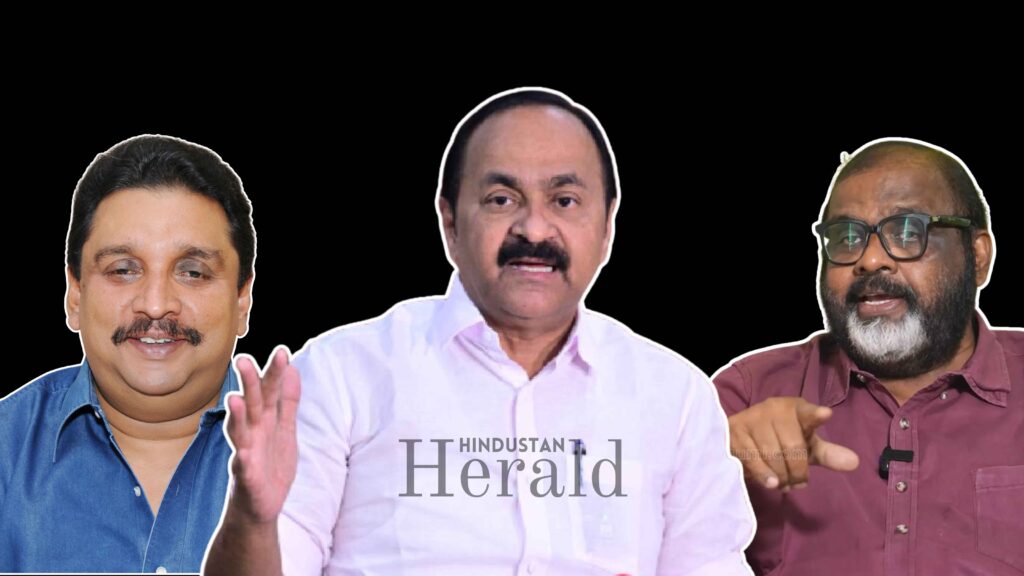
Shibu Baby John and CP John, two of the twenty ministers sworn into the new VD Satheesan cabinet at Thiruvananthapuram’s Central Stadium this morning, chose to affirm their constitutional oath without invoking any divine name. According to Onmanorama, which carried live updates from the ceremony, every other minister swore in the name of God. These two did not. In a state where religion shapes electoral outcomes, community loyalties decide coalition arithmetic, and even the choice of which church you belong to can determine your political fate, that is not a small thing.
It is, in fact, exactly the kind of thing Kerala is built to notice.
Two Men Who Knew Exactly What They Were Doing
Shibu Baby John is the leader of the Revolutionary Socialist Party.
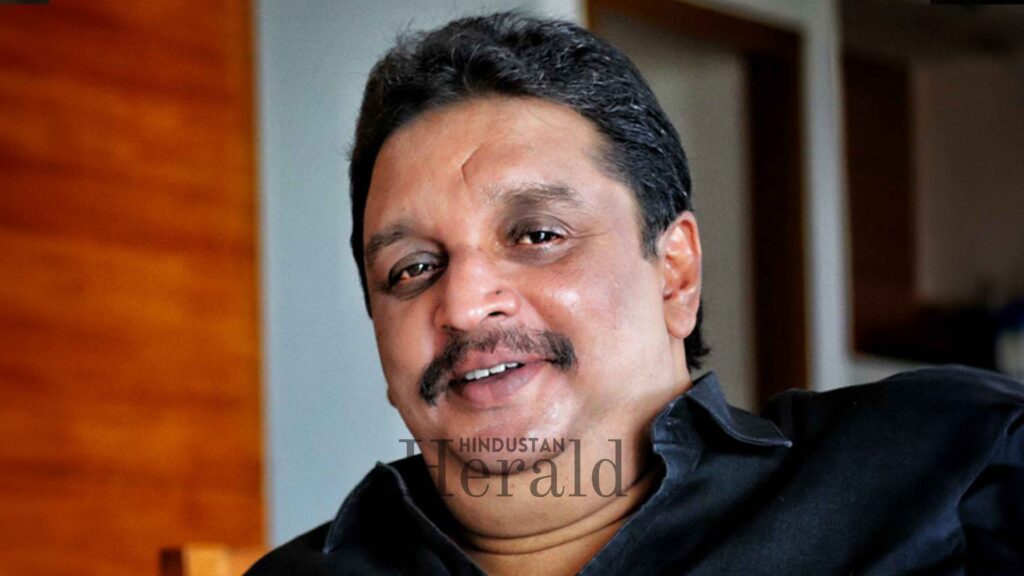
The RSP carries real ideological history, a labour-movement past, a secular backbone that was forged well before secularism became a talking point for parties that do not actually practice it. Baby John has served as a minister before. He has been through enough Kerala coalition cycles to know that every gesture at a swearing-in is read, filed, and remembered.
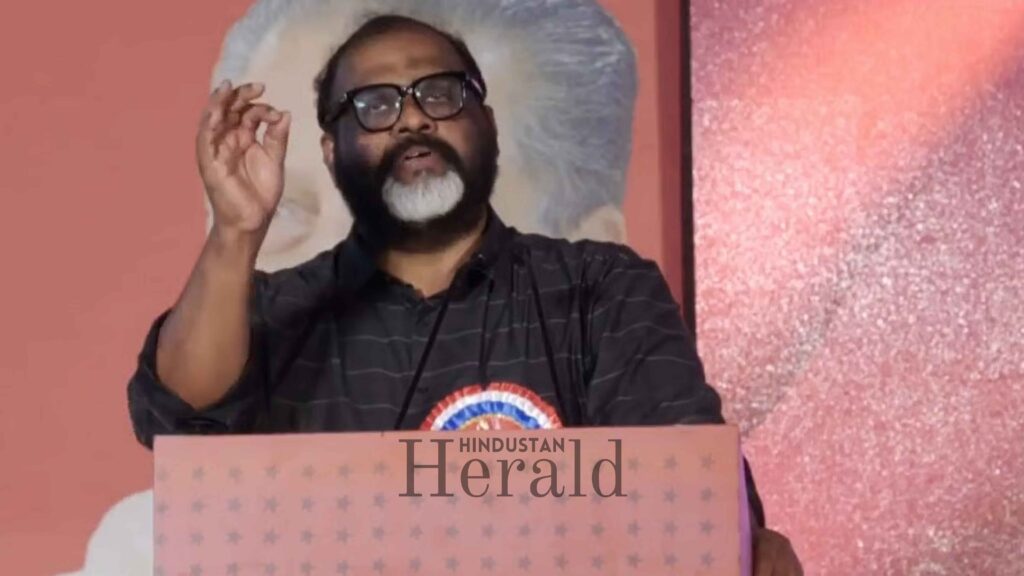
CP John comes from the Communist Marxist Party, a formation that occupies one of Kerala politics’ more fascinating contradictions. The party holds a Marxist identity on paper while drawing its support base largely from Christian communities in central Kerala. It left the Left Democratic Front years ago and found a longer-term home inside the UDF, which tells you everything you need to know about how fluid ideological boundaries can be when community interests are involved.
Both men, from different parties, different trajectories, different voter bases, made the identical choice this morning. The Constitution, and nothing else. In a cabinet that includes five ministers from the Indian Union Muslim League, a party that organises explicitly on religious community lines, that contrast lands with a certain weight.
The Coalition That Should Not Work, But Always Does
Pull back and look at what the Satheesan cabinet actually contains, and it is a genuinely strange collection of political identities sharing twenty seats around one table.
The IUML’s five ministers, PK Kunhalikutty, PK Basheer, N Samsudheen, KM Shaji, and VE Abdul Gafoor, represent a party that has never pretended to be anything other than what it is: a political organisation built on Muslim community mobilisation. Alongside them sit RSP and CMP ministers whose parties were founded on explicitly secular, class-based politics. In the middle, the Congress holds the largest share, with veterans like Ramesh Chennithala, K Muraleedharan, and KPCC chief Sunny Joseph anchoring the centrist majority. Two Kerala Congress factions, Mons Joseph’s wing and Anoop Jacob’s wing, fill out the rest.
What holds all of this together is not a shared worldview. It never has been. The UDF’s glue is opposition to the CPM-led Left, a calculation that has survived decades because the alternative, a fragmented front handing power back to the LDF, has always looked worse than the internal tensions of staying together. That logic has delivered before. Whether it survives the test of actually governing, where decisions create winners and losers and ideology cannot be indefinitely deferred, remains to be seen.
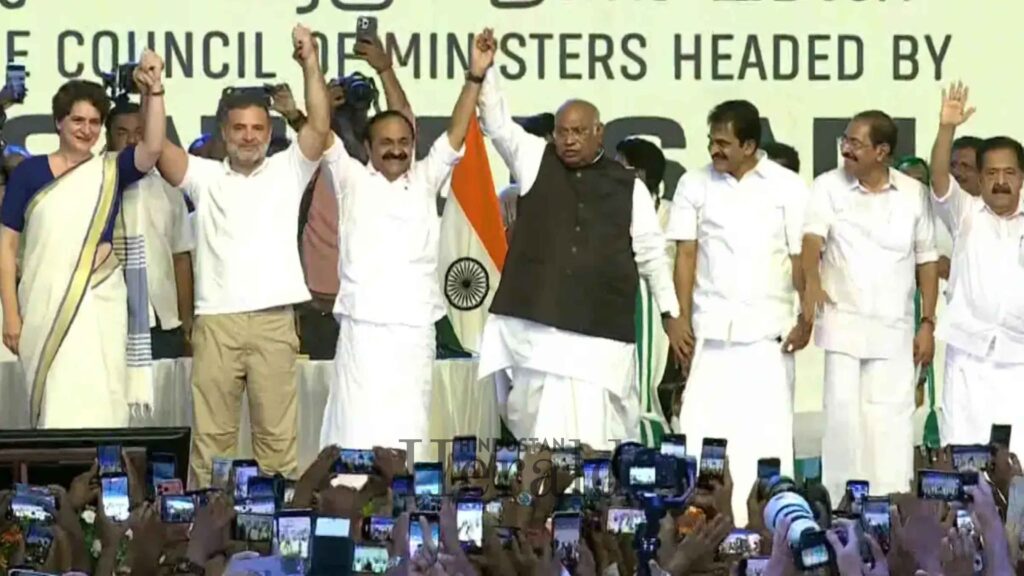
That said, the ceremony itself was not the image of a fragile coalition nervously assembling. As reported by Republic World and Gulf News, Mallikarjun Kharge, Priyanka Gandhi Vadra, Karnataka CM Siddaramaiah, Telangana CM Revanth Reddy, and Himachal Pradesh CM Sukhvinder Singh Sukhu all flew in. Pinarayi Vijayan, MV Govindan, AN Shamseer, and CPI’s Binoy Viswam sat on the dais alongside BJP state president Rajeev Chandrasekhar. It was a display of national attention that most state government swearing-ins simply do not attract.
The Mandate That Made This Morning Possible
The 2026 Kerala Assembly elections handed the UDF a margin that removed all ambiguity. The coalition won 102 seats in a 140-member house, per reporting by Republic World and Business Today. The Congress took 63 seats on its own. The IUML added 22. The LDF, which had governed Kerala for ten uninterrupted years through two consecutive Pinarayi governments, was reduced to 35. The BJP held on to three constituencies.
That is not a squeaker. That is a verdict.
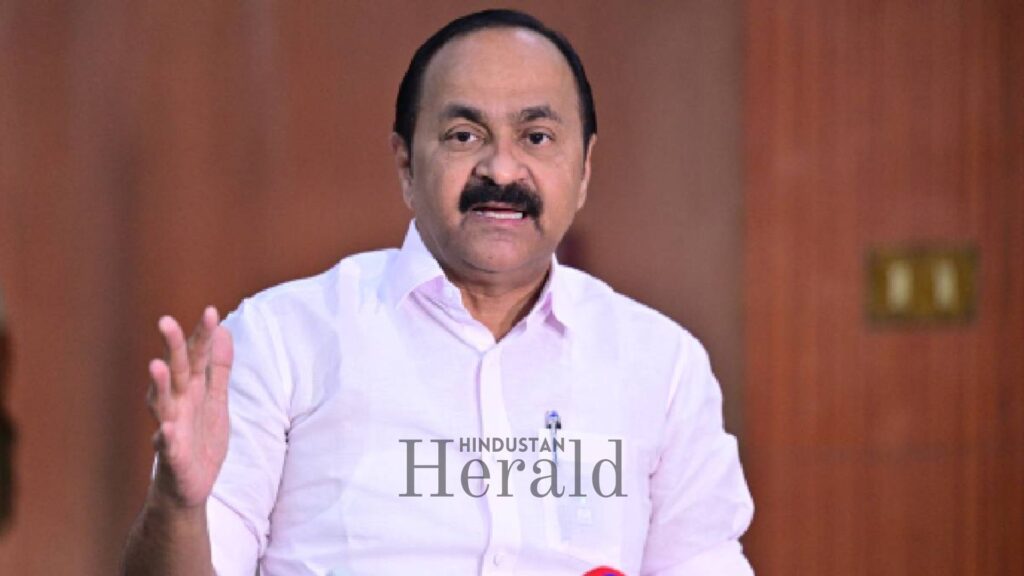
VD Satheesan spent five years building toward this. After the UDF’s 2021 defeat, he took over as Leader of the Opposition and ran that role the way it is supposed to be run but rarely is in Indian politics, with genuine scrutiny, a rebuilt party organisation, younger faces brought into positions of responsibility, and a campaign message disciplined enough to cut through. The voters in 2026 gave him a majority that most Kerala chief ministers would not dare ask for.
Winning, though, was the uncomplicated part.
A First in Six Decades
Before Sunday’s cabinet announcement, Satheesan had made one specific promise about the swearing-in: all ministers would take oath together with him, on the same day, in the same ceremony. According to multiple reports, he kept it. The full council of 21, Satheesan and his twenty ministers, was sworn in at the Central Stadium in a single sitting administered by Governor Rajendra Vishwanath Arlekar. Satheesan reportedly noted that this kind of unified swearing-in had not happened in Kerala in nearly sixty years.
The order of ministers, as carried by Onmanorama, ran from PK Kunhalikutty through to OJ Janeesh, with no gaps, no absentees, no last-minute reshuffles. For Kerala cabinet formation, which has historically involved weeks of negotiation, faction management, and the occasional public sulking, that kind of clean execution is worth noting.
The Oath That Will Echo Longer Than the Ceremony
The image of Rahul Gandhi hugging the new Chief Minister after the oath will circulate for days. The guest list, the crowd, the spectacle of the Left watching from the dais as the UDF reclaimed the state, that will dominate the political commentary for the week. But somewhere in the archive of this morning’s events, there is a quieter moment that serious observers of Kerala politics will keep returning to.
Two ministers, both from Christian-heritage backgrounds, both representing parties with genuine left-secular identities, stood at that podium and chose the Constitution over convention. They did not make a speech about it. They did not hold a press conference. They simply did what their parties, their histories, and their cadres have always stood for, and let it speak for itself.
The question that follows them into government is whether that identity survives contact with coalition reality. The IUML will protect its community’s interests aggressively. The Kerala Congress factions will work their own angles. The Congress will try to manage everyone while satisfying its own internal pressures. In that environment, parties like the RSP and CMP historically tend to get absorbed into the larger political culture of whatever coalition they join, their distinctiveness fading quietly into the background of daily governance.
Baby John and CP John have been around long enough to know that. The secular oath this morning was, among other things, a public declaration that they intend to resist that absorption. Whether a government with 102 seats, a national party watching closely, and five years of promises to keep gives them the room to hold that line is the real story waiting to unfold.
For now, Kerala has a new government. It came together faster than expected, cleaner than usual, and with enough political weight behind it to actually govern. What it does with that weight, and whether the ideological plurality visible in this morning’s ceremony survives into policy and practice, is what the next five years will answer.
The ceremony is over. The harder work has just begun.
Stay ahead with Hindustan Herald — bringing you trusted news, sharp analysis, and stories that matter across Politics, Business, Technology, Sports, Entertainment, Lifestyle, and more.
Connect with us on Facebook, Instagram, X (Twitter), LinkedIn, YouTube, and join our Telegram community @hindustanherald for real-time updates.

Covers Indian politics, governance, and policy developments with over a decade of experience in political reporting.
- Ananya Sharma

- Ananya Sharma
- Ananya Sharma
- Ananya Sharma



 Arun Upadhayay