
 By Arun Upadhayay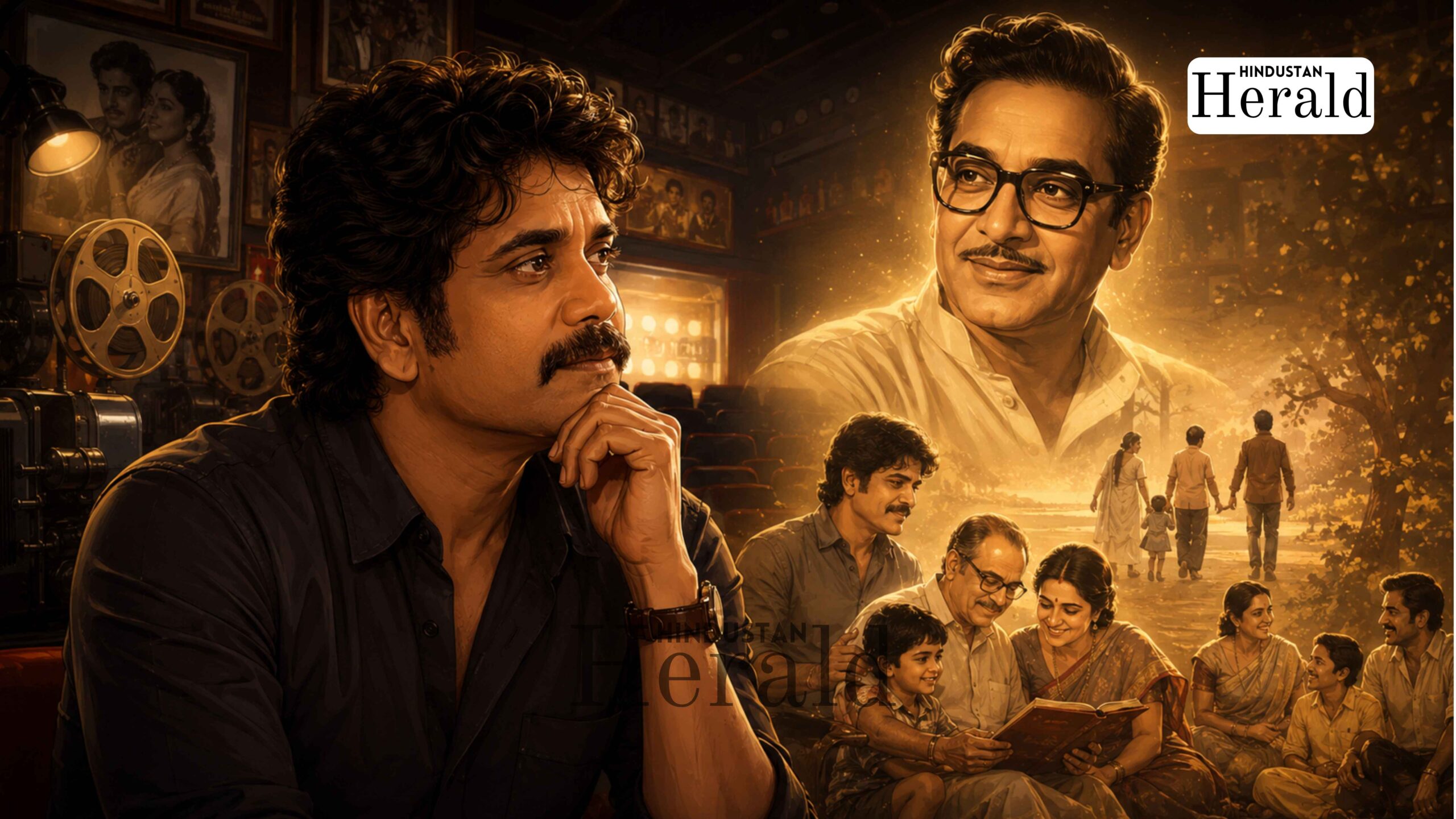
Hyderabad, May 23: Some dates just follow you. Not because of anything you chose. Not because you planned for them to mean something. They just accumulate weight over the years until you can’t look at them plainly anymore. For Nagarjuna, May 23 is that date. Has been for a long time now. This morning, he said so again.
The post was short. It usually is. “May 23.. I can’t forget this day in my life.” A line of gratitude to fans. A quiet acknowledgment that the day had arrived again. Nothing performative about it. That’s actually what makes it land.
Within minutes, the replies started piling up. People who watched Manam in packed theatres in Hyderabad in the summer of 2014. Telugu families scattered across the Gulf, the US, Australia, who had streamed it later and still felt it. Younger fans who had only discovered ANR through their parents’ stories and found him, finally, in those Manam scenes. All of them showing up today, on cue, the way they do every May 23.
There’s a reason for that. Several, actually.
The Date That Holds Two Endings and One Beginning
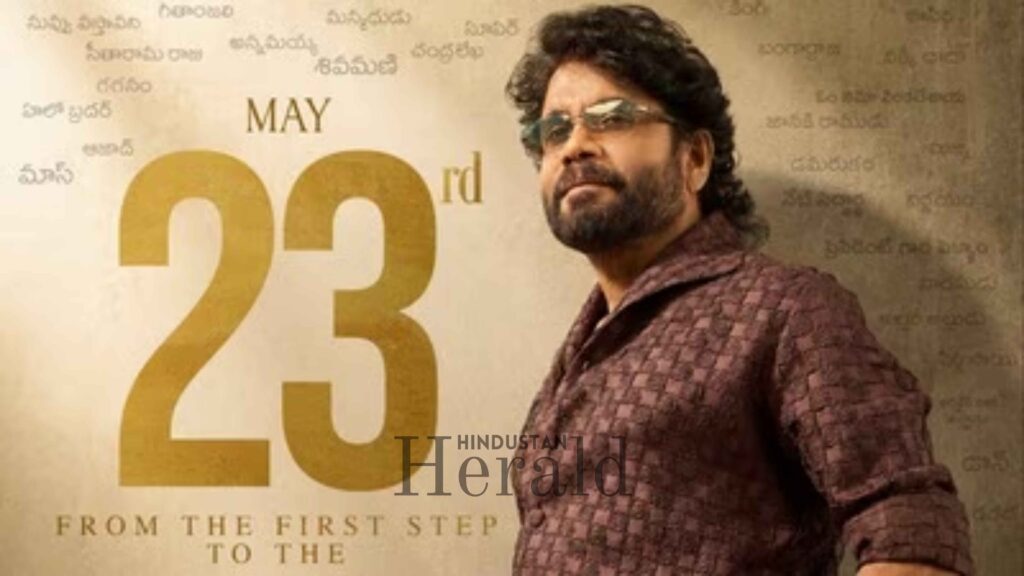
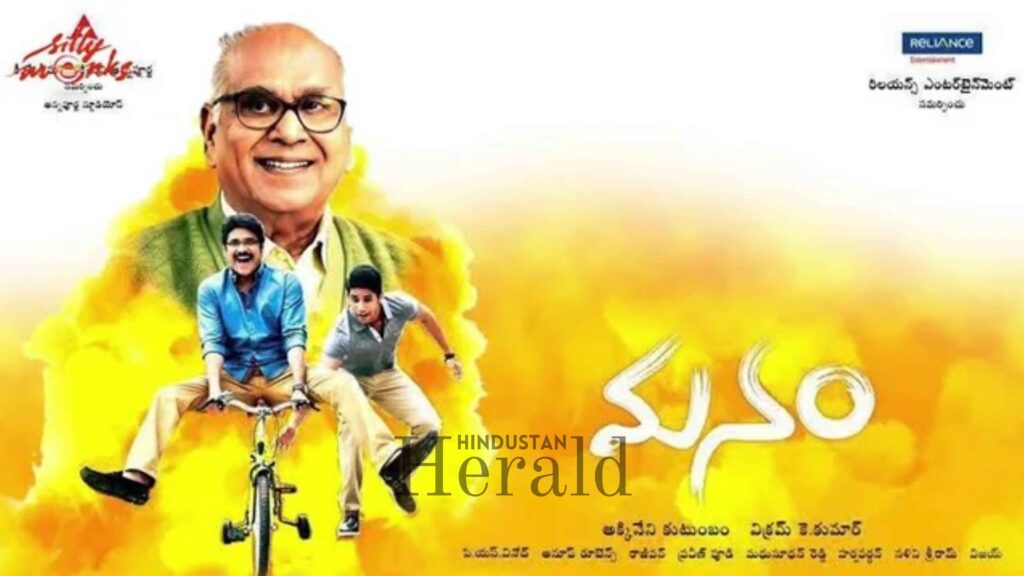
In 1986, on May 23, Nagarjuna walked into Telugu cinema for the first time. His debut film was Vikram. Then, twenty-eight years later, on the exact same date, Manam released. The film brought together three generations of the Akkineni family: Akkineni Nageswara Rao, Nagarjuna, and Naga Chaitanya. Akhil was there too, making four generations in a single production. First and last. Beginning and farewell. Same calendar square.
Nagarjuna once described it as cinema’s way of telling their story. “For my debut and my father’s final film to release on the same day, decades apart,” he said, calling it “a story of legacy, love, and a lifelong commitment to the craft.”
Sure, you could put it down to coincidence. Most people in Tollywood have long since stopped trying.
Before You Can Talk About Nagarjuna, You Have to Talk About ANR
There’s no way around it.
Akkineni Nageswara Rao wasn’t just a successful actor. He was the kind of figure a film industry gets once, maybe twice, if it’s lucky. He debuted in 1941 with Dharmapatni and kept acting for over seventy years, appearing in 255 films. He earned the Padma Shri, the Padma Bhushan, the Dadasaheb Phalke Award, and finally the Padma Vibhushan. Every significant cultural honour this country offers, he collected across the decades.
But the awards are almost beside the point. What ANR represented to Telugu-speaking audiences was something harder to quantify. He made them feel seen. His romantic leads, his mythological roles, the ordinary men he played with extraordinary conviction. People didn’t just watch him. They trusted him. That kind of relationship between an actor and an audience takes generations to build and never really dissolves, even after the actor is gone.
He died in the early hours of January 22, 2014. His family moved the body to Annapurna Studios so fans could come. And they did. Thousands of them. Standing in lines, in the Hyderabad heat, to pay respects to a man most of them had never met personally but felt they had known their whole lives.
He’d told people he wanted to live to a hundred. Cancer had other ideas.
Manam Was a Film First. Then It Became Something Else.
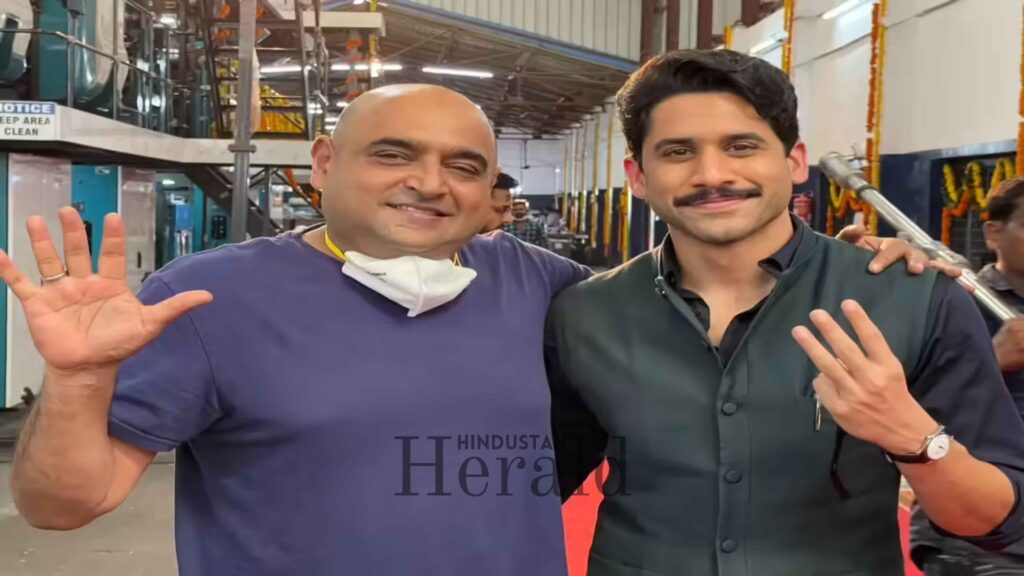
Director Vikram K. Kumar built Manam as a multigenerational love story with a fantastical core. Ambitious, layered, the kind of film that required the Akkineni family’s full participation to work at all. ANR shot his portions in June 2013, playing a warm, affectionate grandfather, sharing the frame with his son and grandson for the first time. He was unwell during the shoot. People on set knew. He knew. He finished his work anyway.
He never saw the finished film with an audience. He died four months before Manam opened.
So when May 23, 2014 came around, and the film finally released, it wasn’t a normal opening day. The themes running through Manam, love and rebirth and things that persist across time, hit differently with ANR in the frame. Audiences sat watching a man who was no longer alive, playing a grandfather surrounded by his real family, and the line between the story and the reality of it simply dissolved. People cried at scenes that weren’t written to be sad. Because the sadness wasn’t in the screenplay. It was in the context.
Twelve years on, that context hasn’t faded. If anything, it’s settled deeper.
Forty Years of Carrying the Name
Here’s the thing about being ANR’s son that’s easy to miss from the outside. The name is a gift, obviously. Doors open. People take your calls. The industry pays attention from day one. But it also arrives with a weight that never fully lifts. You’re always being measured against something that most actors will never come close to. Every film you make, every role you take, some part of the audience is running the comparison in the back of their heads.
Nagarjuna has been dealing with that for forty years.
What he built in that time is its own thing. Action films, romantic entertainers, the odd prestige project. He took Annapurna Studios, the institution his father established, and kept it relevant through decades of change in the industry. He had the sense not to try to become ANR, and the confidence to figure out who he actually was on screen instead. That’s harder than it sounds.
Still. May 23 strips all of that away. Every year, on this date, he’s not the superstar or the producer or the businessman. He’s just a son who misses his father and can’t pretend otherwise.
What Keeps Bringing People Back to This Day
The Telugu film world doesn’t have an official day of remembrance for ANR. No state ceremony, no organised event. What it has instead is this: thousands of ordinary people who, every May 23, independently decide to pull up old clips, rewatch Manam scenes, and find Nagarjuna’s account to tell him his father still matters to them.
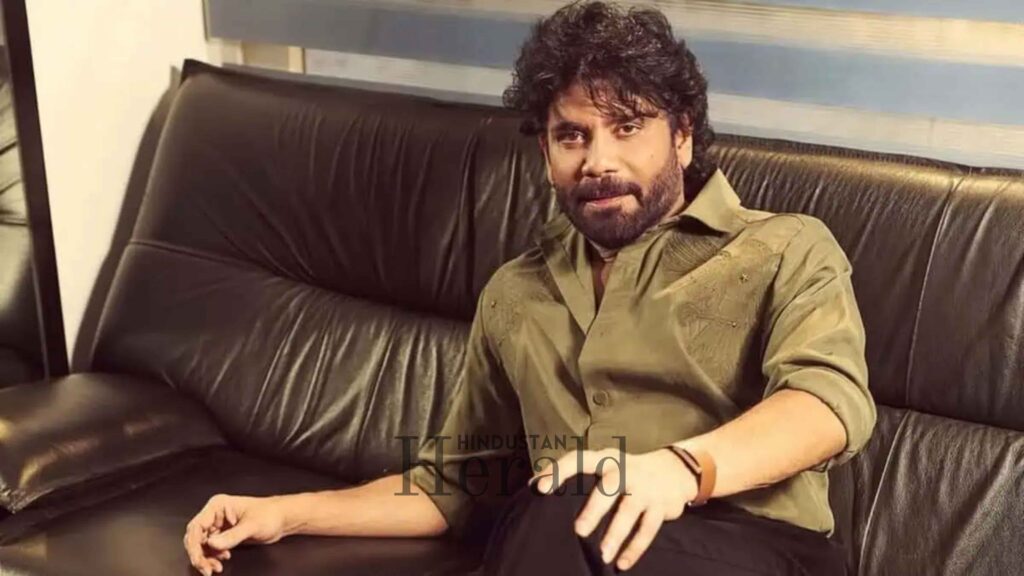
Today played out exactly the same way. Fans sharing memories of Manam, tributes to ANR, messages for Nagarjuna about what the Akkineni legacy continues to mean.
Think about what that legacy actually spans. ANR started his career in 1941. Naga Chaitanya is working today, in 2026. That’s eighty-five years of one family’s uninterrupted presence in Telugu cinema. No other acting family in India has anything quite like it. It didn’t happen by accident. Each generation had to earn their place, had to be good enough for audiences to accept them, had to care about the craft enough to keep showing up. Nagarjuna is the middle of that story. The link between where it started and where it currently stands.
That’s not a small thing to be.
A Line on a Screen, Carrying Everything
He didn’t write an essay. Didn’t sit for an interview. Didn’t produce a tribute reel or a long caption about grief and memory and what fathers leave behind. He posted a line. Said he can’t forget the day. Thanked the fans.
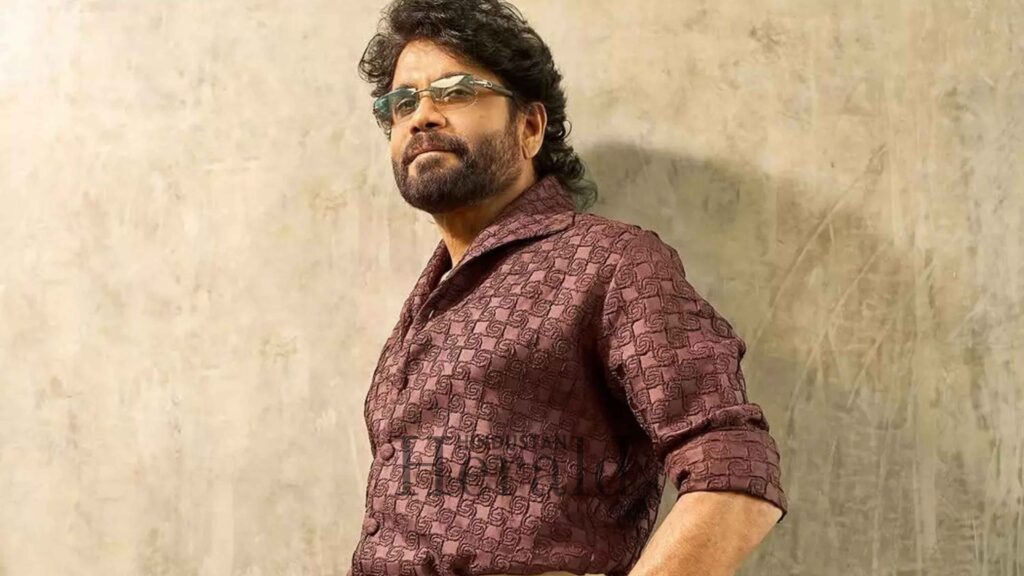
It was enough. More than enough, actually.
Because the date itself does the heavy lifting. May 23 holds his first day in the industry and his father’s last. Holds Vikram and Manam. Holds forty years of a career built under the weight of an extraordinary name, and twelve years of a film that became something more than a film the moment ANR didn’t live to see it open.
Nagarjuna posts something every May 23. Every year, the fans show up. And in that small, recurring ritual, without anyone really saying it out loud, an entire industry’s relationship with memory and legacy and the passage of time somehow gets expressed.
Some dates just follow you. This one follows an entire film culture.
Stay ahead with Hindustan Herald — bringing you trusted news, sharp analysis, and stories that matter across Politics, Business, Technology, Sports, Entertainment, Lifestyle, and more.
Connect with us on Facebook, Instagram, X (Twitter), LinkedIn, YouTube, and join our Telegram community @hindustanherald for real-time updates.

- Arun Upadhayay

- Arun Upadhayay
- Arun Upadhayay
- Arun Upadhayay




 Ayesha Khan
  Ananya Sharma and Ayesha Khan