
 By Ayesha Khan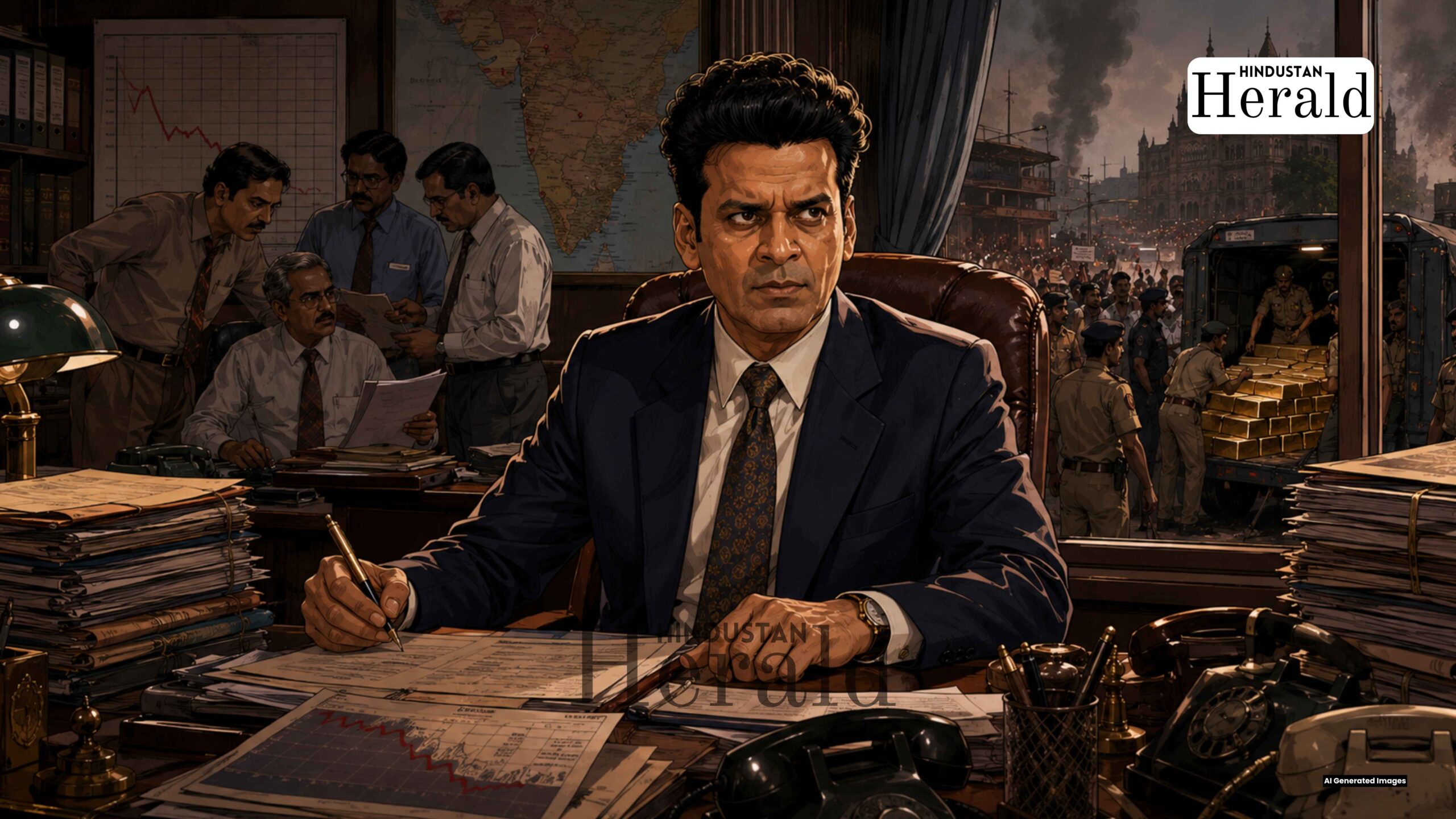
Mumbai, May 27: There is a scene in the trailer of Governor where Manoj Bajpayee just stands there. No dialogue. No dramatic score swelling underneath. Just a man staring at something the camera does not show you, and somehow, in that silence, you understand that whatever he is looking at is very, very bad.
That is the film in a nutshell, really. And that is also the story it is trying to tell.
India Was Broke. And Nobody Was Supposed to Know.
Most Indians alive today have heard the phrase “1991 economic reforms” at some point. It comes up in economics textbooks, in debates about liberalisation, occasionally in political speeches when someone wants to sound historically aware. What gets mentioned far less often is what came before those reforms. The part where India was not reforming. The part where India was just trying to survive.
By 1990, the country’s foreign exchange reserves had dropped to a level that, in plain terms, meant India could not pay its bills for much longer. The Gulf War had sent oil prices climbing, and India, then as now, imported most of its oil. Hundreds of thousands of Indian workers in West Asia had fled the conflict. The money they sent home every month, a lifeline for families across Kerala, Uttar Pradesh, Rajasthan, stopped coming. The government was borrowing to service previous borrowings. International credit agencies were watching closely, and not with optimism.
At one point, gold. Actual physical gold from India’s reserves, was pledged with overseas banks to secure emergency loans. The kind of move that, if it had leaked to the public in real time, could have set off a panic that no government statement would have been able to contain.
The people managing this were doing it quietly. Necessarily so. A financial crisis and a confidence crisis are two different problems, but the second one can arrive faster and hit harder than the first. So the men in suits in Mumbai and New Delhi kept their voices steady and their faces neutral, and they worked.
Governor is a film about those people. Specifically, about one of them.
What The Trailer Gives You
The trailer does not ease in. Streets full of anger. Crowds that have decided they have nothing left to lose. Protests that have tipped into something uglier. The economic stress that started in government offices has, by this point, reached ordinary people in the most visible way possible.
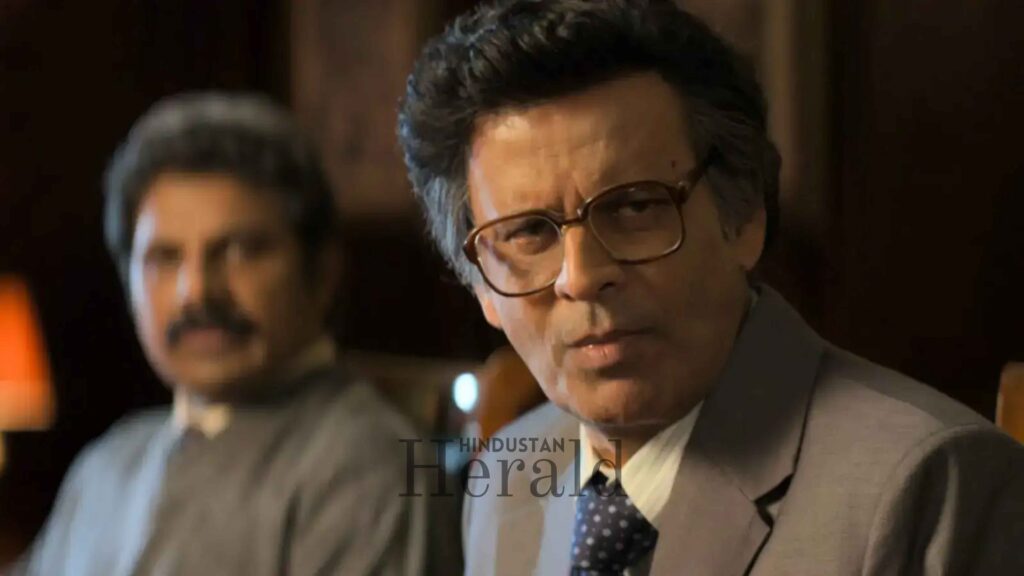
And somewhere inside all of that, Bajpayee, playing the Governor of the Reserve Bank of India, is trying to hold a line.
He does not do it with speeches. There are no scenes in the trailer of him rallying people or delivering the kind of dialogue that ends up in trailers for different reasons. What you see instead is a man doing the unglamorous, invisible, absolutely critical work of institutional crisis management. Meetings. Decisions. The weight of knowing things that most people in the country do not, and cannot, know.
It is the right casting. It is almost unfairly right.

Adah Sharma appears in the trailer, as does Noushad Mohamed Kunju, both in what seem to be significant roles, though the trailer keeps its focus narrow. Music is by Amit Trivedi, lyrics by Javed Akhtar. Both of those names carry a certain assurance that the film is not treating its subject carelessly.
Director Chinmay Mandlekar is best known for his work in Marathi cinema, which is worth noting. Marathi filmmaking has a tradition of taking difficult, serious, historically grounded stories and refusing to sand down their rough edges. If he has brought that sensibility to this project, Governor could be something genuinely unusual in mainstream Hindi cinema.
The Producer’s Argument, And Why It Holds Up
Vipul Amrutlal Shah, who is producing through Sunshine Pictures, has been drawing a parallel between 1990 and right now. His argument is not complicated. In 1990, a war involving Iraq and America disrupted global oil markets and nearly destroyed India’s economy. Today, there is a different conflict in West Asia, different countries, but the same basic geography of risk. Oil prices under pressure. India watching nervously.
He is right that the parallel exists. Whether the film earns the right to make that parallel is a different question, one that only the full film can answer. But the instinct to tell this story now, rather than wait for a rounder anniversary or a more settled news cycle, makes a certain kind of sense.
There is also a generation of Indian viewers for whom 1991 is simply the year their parents talk about sometimes. They grew up in the economy that the reforms built. They use UPI and shop on Amazon and work at companies that exist because foreign investment was allowed in. They have benefited enormously from decisions made during a crisis they never lived through and mostly do not know the details of.
Governor seems to be made, at least partly, for them.
Why Bajpayee Was Always Going To Be In This Film
You could imagine other actors in this role. You could imagine a version of this film with a bigger name and a louder approach, with the RBI Governor delivering more conventional heroics. That film would probably have been easier to market.
It would also probably have been wrong.
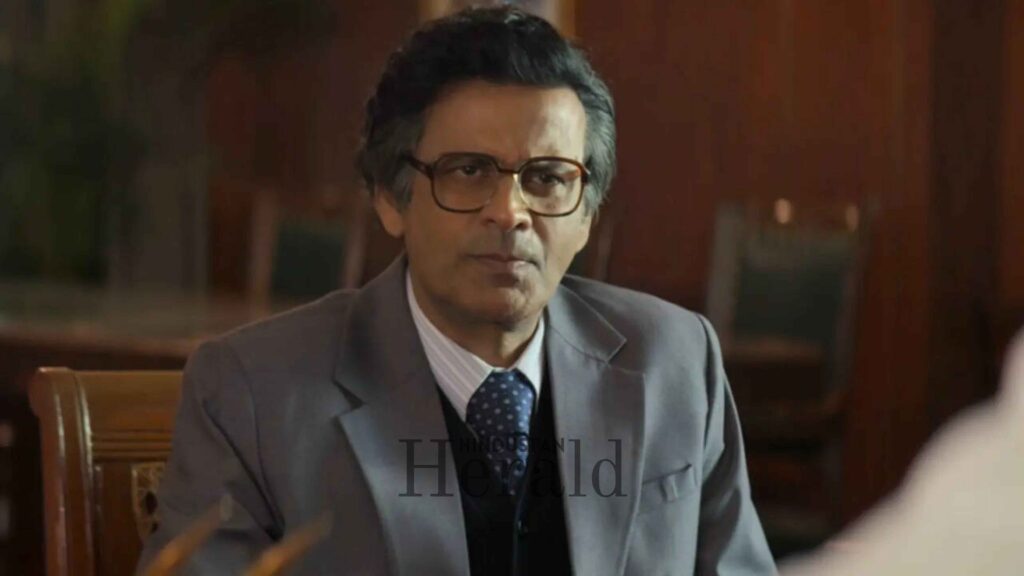
Manoj Bajpayee has spent the better part of three decades building something rare in Indian cinema, which is a screen presence that reads as weight rather than performance. When he plays a man carrying institutional responsibility, you do not watch him act burdened. You just feel it. There is something in the way he occupies a frame, the economy of his movement, the precision of what he chooses not to do, that communicates pressure more effectively than almost anything a director could script.
The RBI Governor is not supposed to be the most visible man in the room. He is supposed to be the most competent one. Those are different things, and they require different tools. Bajpayee has those tools.
He shared the trailer himself on social media, which is a small detail but a telling one. Actors of his standing share things when they believe in them. He believes in this one.
June 12, Then
Governor, full title Governor: The Silent Saviour, releases on June 12, 2026. That title tells you the stance the film has taken on its subject. The RBI Governor did not get a parade. He did not become a household name. He made decisions under extreme pressure, kept the machinery running, and the country moved on without fully understanding what had almost happened.
That is, genuinely, a story worth telling. The question the trailer cannot answer, the question that every honest film trailer leaves unanswered, is whether the film has the discipline to tell it without flattening it.
The history is complicated enough to resist easy heroism. The crisis was not caused by one villain or solved by one person. It was a combination of structural failures, external shocks, political hesitation, and finally, difficult decisions made by people who understood that the alternative was worse. Capturing that without either oversimplifying or disappearing into tedium is the challenge.
Still, what the trailer communicates, pretty unmistakably, is that nobody making this film thinks it is just a movie. The seriousness is visible. The commitment to the material is visible. Whether that translates into something audiences will actually sit with for two hours, that is the test.
June 12 is not far away.
Stay ahead with Hindustan Herald — bringing you trusted news, sharp analysis, and stories that matter across Politics, Business, Technology, Sports, Entertainment, Lifestyle, and more.
Connect with us on Facebook, Instagram, X (Twitter), LinkedIn, YouTube, and join our Telegram community @hindustanherald for real-time updates.

Covers films, television, streaming, and celebrity culture with a focus on storytelling trends.
- Ayesha Khan

- Ayesha Khan
- Ayesha Khan
- Ayesha Khan




 Arun Upadhayay