
 By Ayesha Khan
Mumbai, June 3: There was a moment, somewhere between the legal notice and the press conference, when it looked like this whole thing might actually get ugly.
It did not. And that, in many ways, is the most Bollywood ending possible to a very Bollywood dispute.
FWICE, the Federation of Western India Cine Employees, announced Wednesday that it was withdrawing its non-cooperation directive against Ranveer Singh. The decision came after CINTAA and IMPAA, two of the industry’s more influential bodies, stepped in and asked them to stand down. FWICE President B. N. Tiwari made it official at a press conference in Mumbai, saying the directive was being taken back “from this moment itself.”
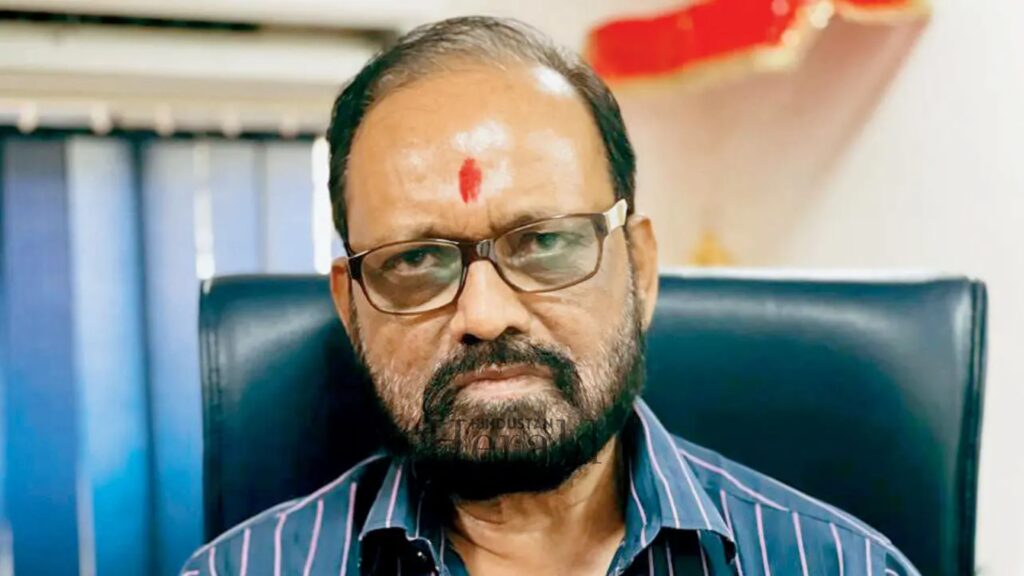
Clean. Final. And just a little anticlimactic.
It Started With a Directive Nobody Expected to Stick
A non-cooperation directive sounds technical. It is not. What it means, practically speaking, is that every technician, every crew member, every light man and spot boy affiliated with FWICE is told not to work on any project featuring the named individual. It is a shutdown mechanism. And when the individual in question is Ranveer Singh, one of the biggest commercial draws in Hindi cinema right now, that mechanism carries consequences that go far beyond the actor himself.

Producers lose. Co-stars lose. Entire production pipelines stall. This was never going to be a quiet administrative matter.
Still, the federation went ahead and issued it. The reasons behind the original dispute have not been spelled out in detail publicly, but the escalation that followed tells you that neither side was in a mood to blink first. At least, not initially.
Then Came the Legal Notice
Ranveer Singh’s response was not a public statement. Not an apology. Not a quiet conversation through intermediaries. It was a legal notice, and that changed the temperature of the room almost immediately.
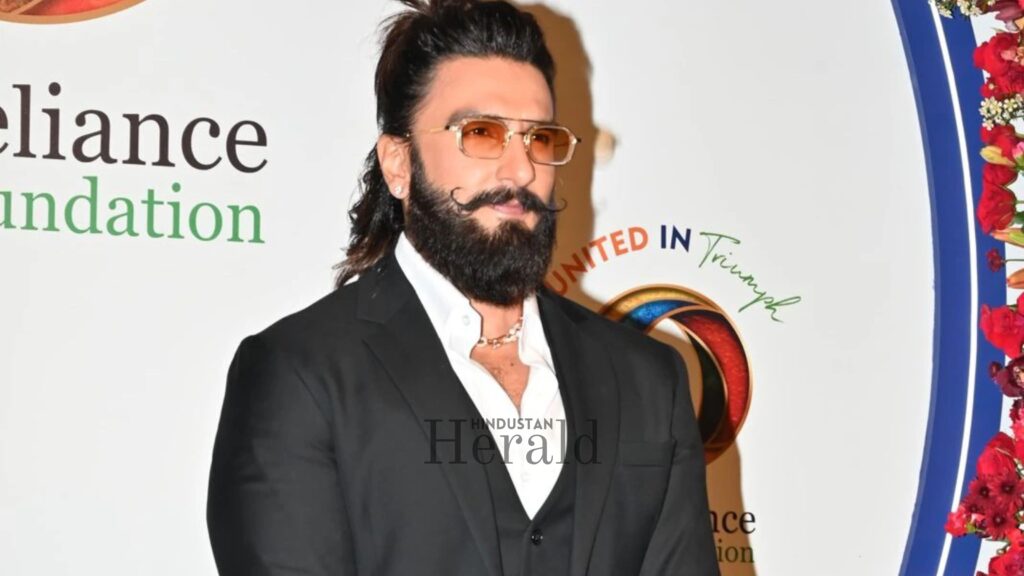
When an actor at his level sends legal notice to a federation, it signals something beyond personal frustration. It says: I am willing to let a court decide this. That is a line most disputes in this industry never cross. Relationships, phone calls, informal meetings through senior producers, these are usually how things get sorted in Mumbai’s film ecosystem. The moment paperwork enters the picture, everyone pays attention differently.
Tiwari confirmed that FWICE’s legal team will now formally respond to that notice. So the legal thread is still live, even if the industrial one has been cut. That is a distinction worth keeping in mind. Wednesday’s press conference resolved the immediate problem. It did not necessarily bury the whole thing.
CINTAA and IMPAA Walked In at the Right Moment
The two bodies that reportedly requested the rollback are not neutral parties, exactly. CINTAA represents actors. Of course they would want a directive against a prominent actor lifted. IMPAA represents producers. Of course they would want their most bankable talent freely available for shoots.
But their intervention mattered not because it was surprising, but because it gave FWICE a way out that did not look like surrender. This is how the industry works. You do not back down because someone sent you a legal notice. That looks weak. You back down because senior, respected institutions came to you and made a request. That looks like consensus.
B. N. Tiwari played his part in this correctly. He stood at that podium, announced the withdrawal, and framed it as a collegial decision. No drama. No visible grudge. Whether that calm reflects what is actually being said behind closed doors is a different matter entirely.
Why This Matters Beyond the Headlines
Ranveer Singh is not just famous. He is commercially essential to a significant number of projects currently in various stages of production and release. A sustained directive against him would not have simply inconvenienced one actor. It would have created a financial mess for producers, a scheduling nightmare for co-stars, and an uncomfortable test case for how much authority FWICE can actually exercise over the upper tier of the talent pool.
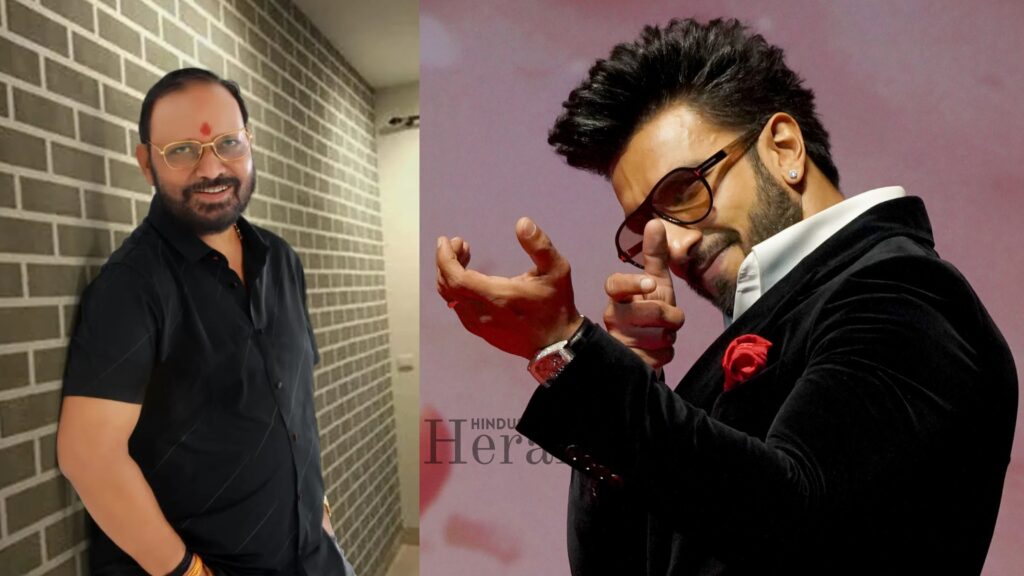
That last part is the one the industry quietly worries about.
Because here is the thing about non-cooperation directives: they work most cleanly when applied to situations where the power imbalance is clear, where a worker or smaller player has been wronged by someone with greater leverage. When you apply the same mechanism to a dispute involving a top-tier star with legal resources and institutional support of his own, the calculus shifts. Singh was not going to simply absorb the directive and wait it out. He hit back quickly, legally, and loudly enough that two major bodies felt they needed to step in within days.
That speed tells you something.
The Bit That Is Still Open
Even with the directive lifted, the legal notice exchange between Ranveer and FWICE remains unresolved. What that becomes depends largely on whether both sides decide the fight is worth continuing. Private settlement is the most likely outcome, because neither party benefits from a prolonged court battle that keeps this story alive in the press. A drawn-out case would distract from Singh’s upcoming projects. It would raise uncomfortable questions about FWICE’s internal processes. Nobody wins in that scenario.
More probable is a quiet resolution over the next few weeks, where legal teams exchange a few more letters, terms get discussed somewhere off the record, and the matter effectively disappears from the public domain without a formal announcement.
That said, if something more contentious emerges from those legal exchanges, or if the original grounds for the directive turn out to be more substantive than currently known, there is always a chance this resurfaces. Film industry disputes have a way of doing that.
For Now, the Cameras Can Roll
Ranveer Singh walks out of this episode with his professional mobility restored. He can sign projects, step onto sets, and work with any crew in Mumbai without a federation-backed ban making that complicated.

Whether he walks out of it feeling entirely vindicated, or whether there is still friction to be managed behind the scenes, is something only those rooms will know. The press conference gave the public resolution it needed. What comes after that is between the lawyers.
Bollywood moved on by Wednesday afternoon. It usually does.
Stay ahead with Hindustan Herald — bringing you trusted news, sharp analysis, and stories that matter across Politics, Business, Technology, Sports, Entertainment, Lifestyle, and more.
Connect with us on Facebook, Instagram, X (Twitter), LinkedIn, YouTube, and join our Telegram community @hindustanherald for real-time updates.

Covers films, television, streaming, and celebrity culture with a focus on storytelling trends.
- Ayesha Khan

- Ayesha Khan
- Ayesha Khan
- Ayesha Khan




 Herald Desk