
 By Arun Upadhayay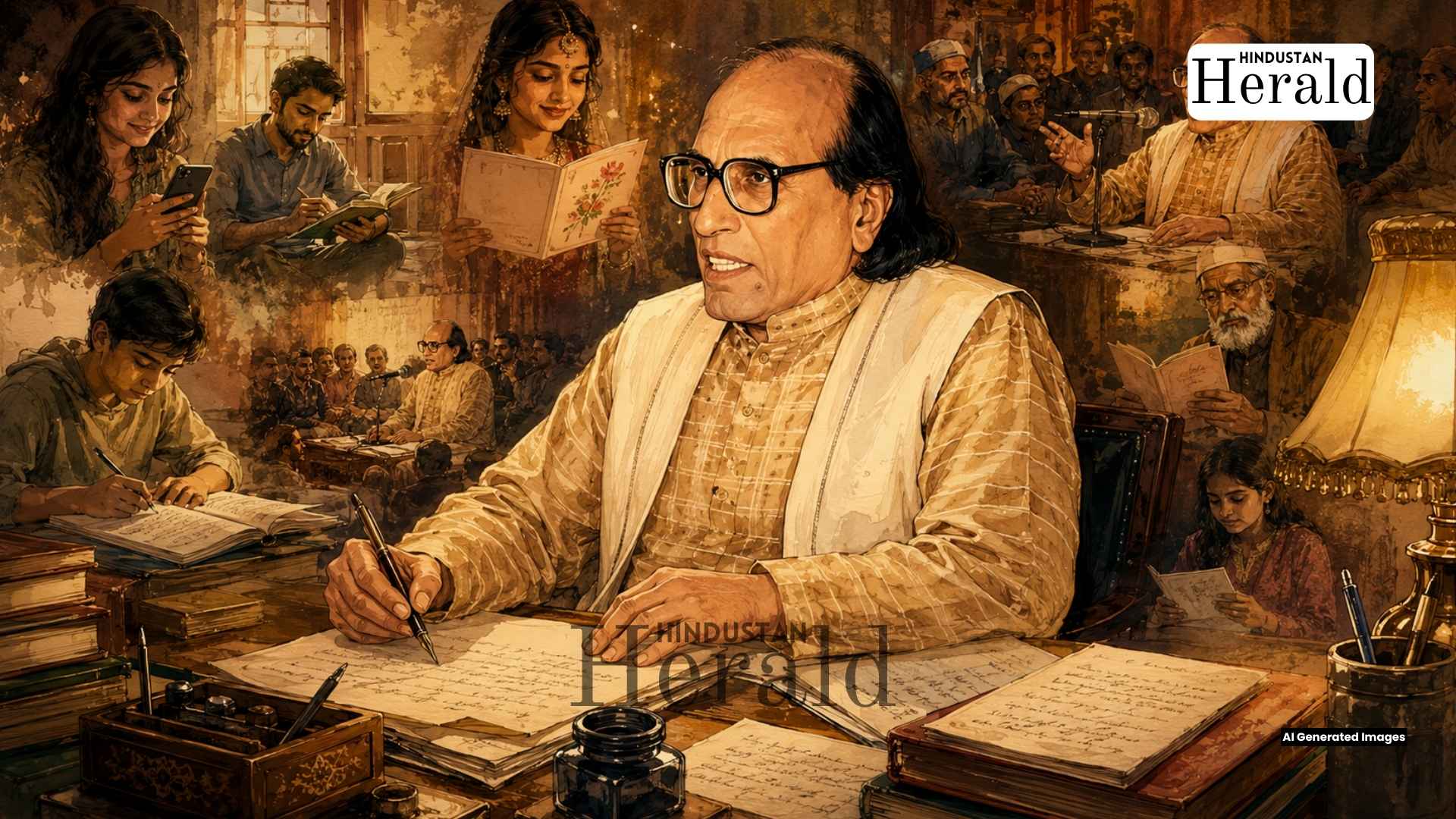
New Delhi, May 28: Bashir Badr did not write for libraries. He wrote for people who had never set foot in one.
His couplets turned up everywhere on wedding cards, in WhatsApp forwards, scrawled inside college notebooks, quoted by people who could not tell you the name of a single other Urdu poet. That was the whole point. He made Urdu ghazal feel like something that belonged to you, not to scholars. So when word spread Thursday morning that he had died at his home in Bhopal after a long illness, the response online was not the usual polite condolence round. People posted his lines. Not news links. Not obituary headlines. His actual lines. That is a very specific kind of grief, the kind that only a poet who got inside ordinary lives can produce.
He was 91.
A Boy From Ayodhya Who Started Early
Bashir Badr was born Syed Muhammad Bashir on February 15, 1935, in a village near what is now Ambedkar Nagar in Uttar Pradesh, and grew up in Ayodhya. He started writing poetry at seven, which tells you something about the kind of child he was. Not a prodigy in the headline sense, but the kind of boy who felt things with an intensity that needed an outlet and found one early.
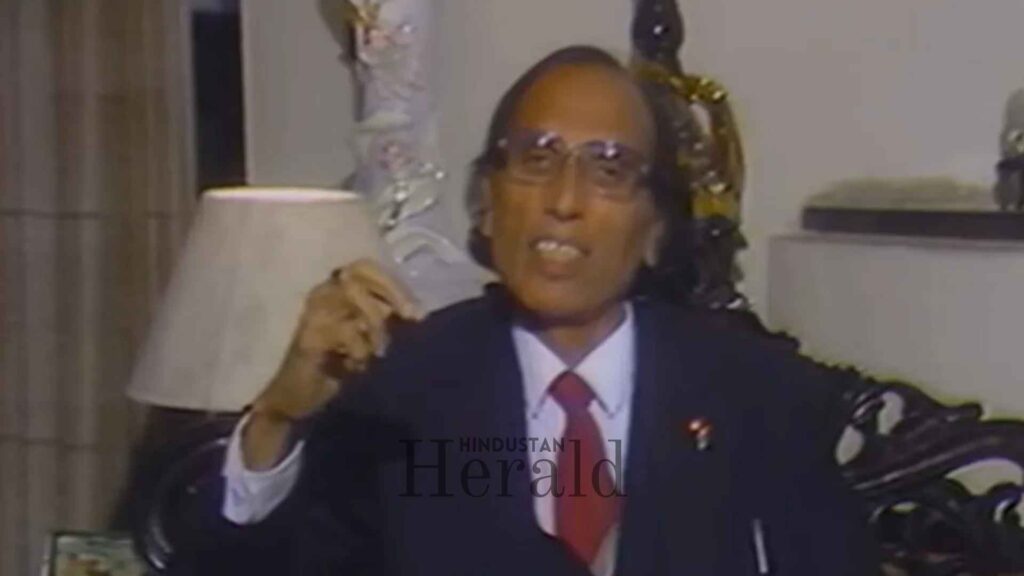
He went to Aligarh Muslim University for his BA, his MA, and eventually his PhD, and stayed on as a lecturer. Later he moved to Meerut College, where he ran the Urdu department for close to seventeen years. Teaching suited him. He understood that a language survives not through preservation alone but through transmission, through getting young people to feel something in it before they are told they should.
What he did to the ghazal form in those years was, depending on who you asked, either a quiet revolution or a minor scandal. Classical Urdu poetry carried its weight through Persian and Arabic borrowings, through a register that assumed a certain kind of education. Badr decided that was unnecessary. He brought in street-level vocabulary, conversational phrases, English words dropped in without apology. The gatekeepers of the form were not entirely pleased. Readers, though, were. Readers were very pleased.
The Lines That Outlived Their Occasions
His collection Aas, sixty-nine ghazals, is generally regarded as the high point of his published work. It won him the Sahitya Akademi Award in 1999. The same year, the Government of India gave him the Padma Shri. Kulliyate Bashir Badr, published in Pakistan, gave him readership across the border at a time when literary exchange across that particular border was one of the few things still functioning without bureaucratic obstruction. His ghazals were published in Devanagari and Gujarati scripts, translated into English and French. In 1980 he was named Poet of the Year in New York. These are not small things for a man whose most celebrated quality was his refusal to be grand.
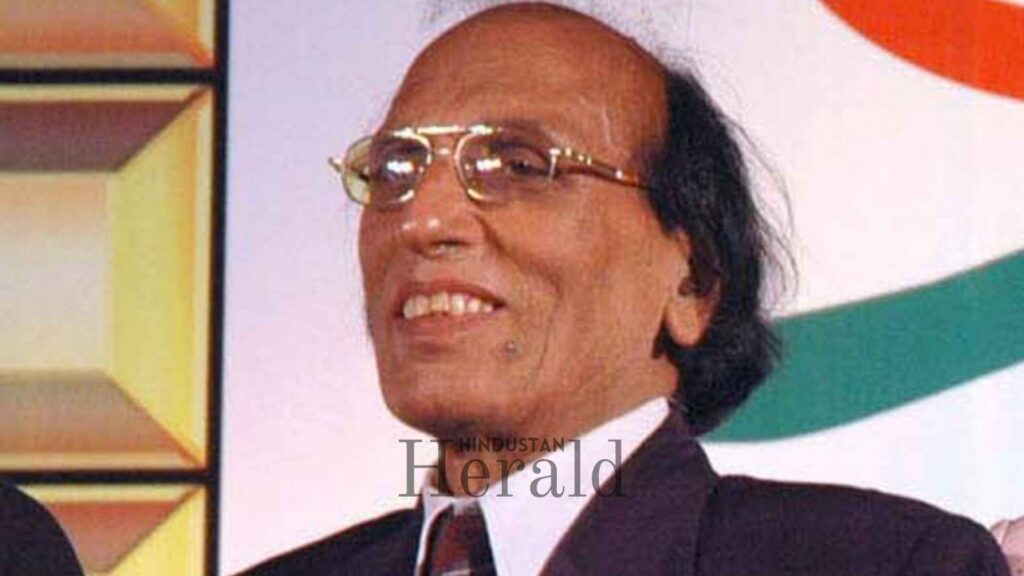
One of his lines gave a Vividh Bharati radio programme its name. Ujaale Apni Yaadon Ke ran for years on All India Radio and became the kind of show that people in smaller towns would organise their evenings around. The title came from a sher about wanting someone’s memories to stay close, about fearing the moment the light of the past finally dims. That a radio show for a mass audience chose those words as its identity says something about how deeply Badr had penetrated everyday Indian life.
He also wrote the couplet Dushmani Jam Kar Karo in 1972, around the time of the Shimla Agreement. It is a verse that sits right at the edge of bitterness and grace, acknowledging enmity but refusing to let it be the last word. It has been quoted enough times in the decades since to have acquired a kind of permanence. Badr wrote more than 18,000 shers across his career. Most poets would be fortunate to produce a dozen that anyone remembers. He produced hundreds.
What the Riots Took
For all the warmth in his poetry, his own life was not gentle with him. The 1987 communal riots in Meerut came to his door directly. His home was burned. Inside it, a large portion of his unpublished manuscripts. Poems that had not yet found a reader. Drafts, fragments, finished pieces no one had seen. Gone.
He never made a public spectacle of that loss. He left Meerut eventually and settled in Bhopal, and he kept writing. But people who knew him in those years described the riots as something that changed him, something he carried quietly from then on. That a man who spent his entire creative life writing about love and longing had his home destroyed in a communal fire is not an irony that needs underlining. It is simply a fact about what violence does to real people, including the ones we later call legends.
His couplet from 1972 about enemies reads differently when you know that.
What Social Media Looked Like Thursday
By early afternoon the grief was everywhere. And it had a particular texture. People were not just saying he had died. They were pulling up specific lines, arguing about which collection they came from, posting about the first time a particular sher had stopped them mid-scroll or mid-conversation. The Urdu literary community was mourning, yes, but so were people who would not ordinarily describe themselves as poetry readers at all. That crossover is exactly what he spent his life building.
According to The Indian Awaaz, condolences poured in from literary circles across India as well as from abroad. The Uttar Pradesh Urdu Academy had recognised him four separate times during his lifetime. The Bihar Urdu Academy honoured him once. He also received the Meer Academy Award, named for Meer Taqi Meer, which is the kind of recognition that matters deeply within the tradition and means almost nothing outside it. Badr had both kinds of fame, the institutional and the popular, which is rarer than it sounds.
The Larger Loss
India’s Urdu literary tradition has been losing its major figures steadily. Each one who goes takes with them not just a body of work but a particular sensibility, a way of hearing the language, a set of aesthetic choices that younger writers either inherit or consciously push against. Badr’s particular contribution was accessibility without sacrifice. He made the form open without making it shallow. That is a harder balance to strike than it looks.
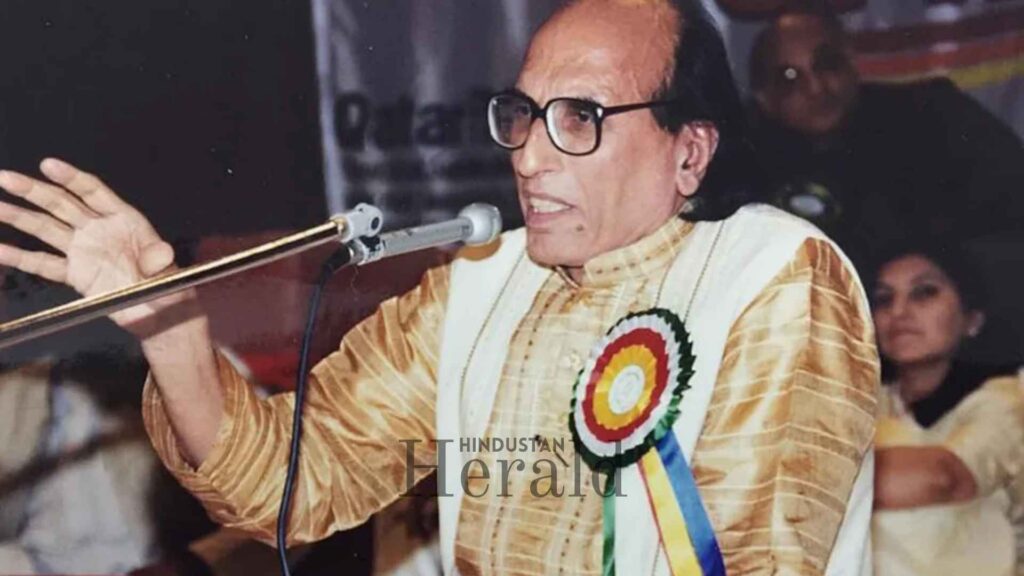
He was 91. A long life, by any measure. An extraordinary one by most. Still, the grief on Thursday did not feel like the philosophical, he-had-a-good-run variety. It felt closer and rawer than that, like losing a voice you had always assumed would be there.
There will be formal tributes. There will be mushairas in his memory, felicitation events, academic papers, the usual machinery of posthumous recognition. That is fine, and some of it will be genuinely meaningful. But the real memorial has already started. It is happening in the comment sections and the story reposts and the voice notes people are sending each other with his lines read aloud, slightly imperfectly, with whatever emotion they can manage.
Ujale apni yaadon ke hamare saath rehne do. He said it to someone else once. His readers are saying it back to him now.
Stay ahead with Hindustan Herald — bringing you trusted news, sharp analysis, and stories that matter across Politics, Business, Technology, Sports, Entertainment, Lifestyle, and more.
Connect with us on Facebook, Instagram, X (Twitter), LinkedIn, YouTube, and join our Telegram community @hindustanherald for real-time updates.

- Arun Upadhayay

- Arun Upadhayay
- Arun Upadhayay
- Arun Upadhayay



 Sandeep Verma
  Ananya Sharma