
 By Arun Upadhayay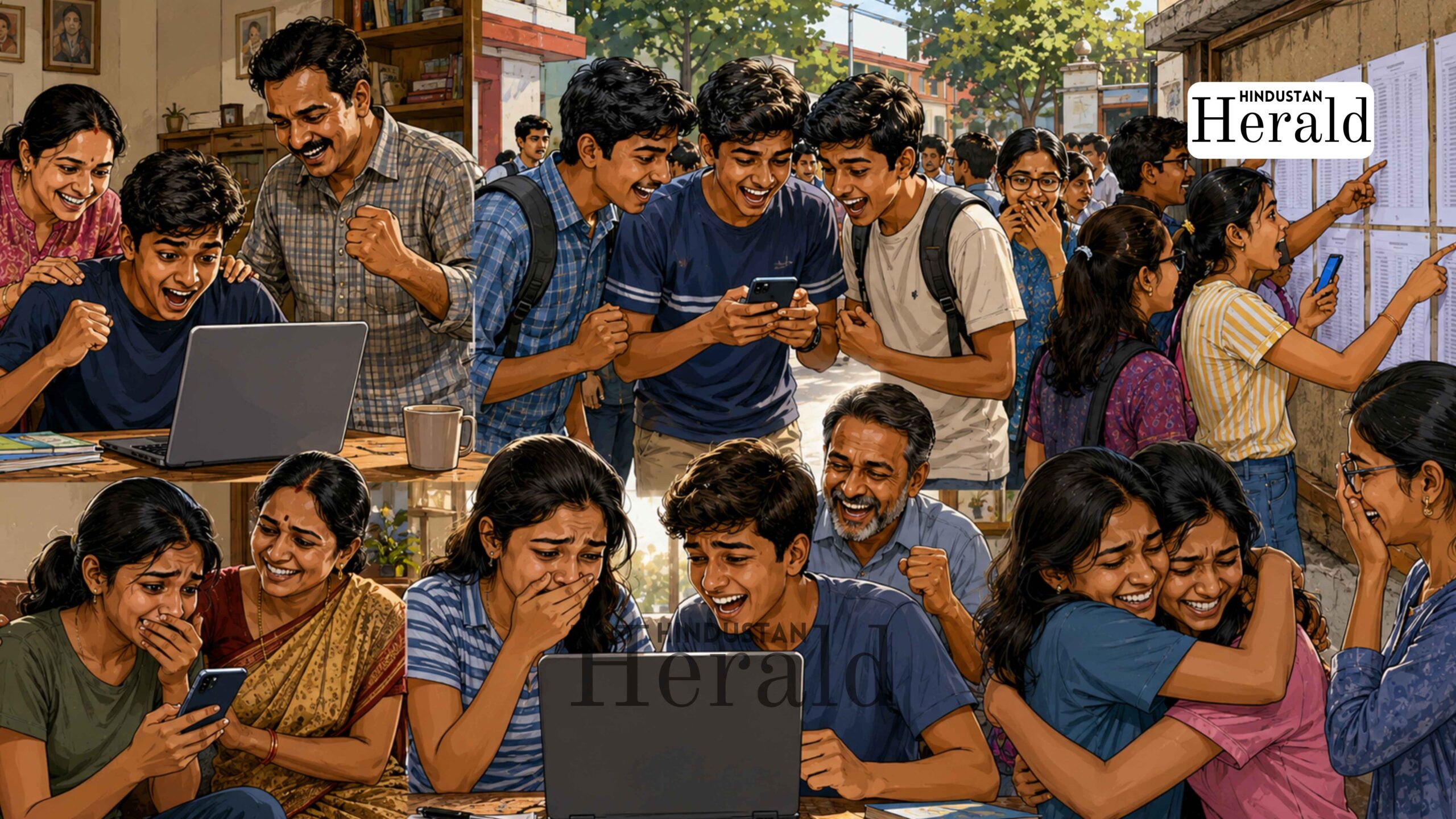
New Delhi, May 7: Results are out. That is all it took for millions of phones to start buzzing across India this Wednesday morning. The Central Board of Secondary Education declared the Class 12 Board Examination Results for 2026 today, and within minutes, the official portals were groaning under the kind of traffic that only happens twice a year in this country JEE day, and board result day.
cbseresults.nic.in and results.cbse.nic.in are the two portals carrying the scores. DigiLocker and the UMANG app are also live with results, and for most students, that is the faster route anyway. The physical marksheets will follow later through schools, but the board has made clear that the digital copy is perfectly valid for college applications, admissions, and everything that comes next.
The Batch That Had No Excuses
Here is the thing about the Class 12 batch of 2026 they had a full year. No pandemic extensions, no policy upheaval mid-session, no emergency shifts to online exams. The February-March 2026 examination cycle ran clean, start to finish. In some ways, that made it harder. There was no external disruption to point to, no unusual circumstances to factor in. Just sixteen lakh students and a question paper.
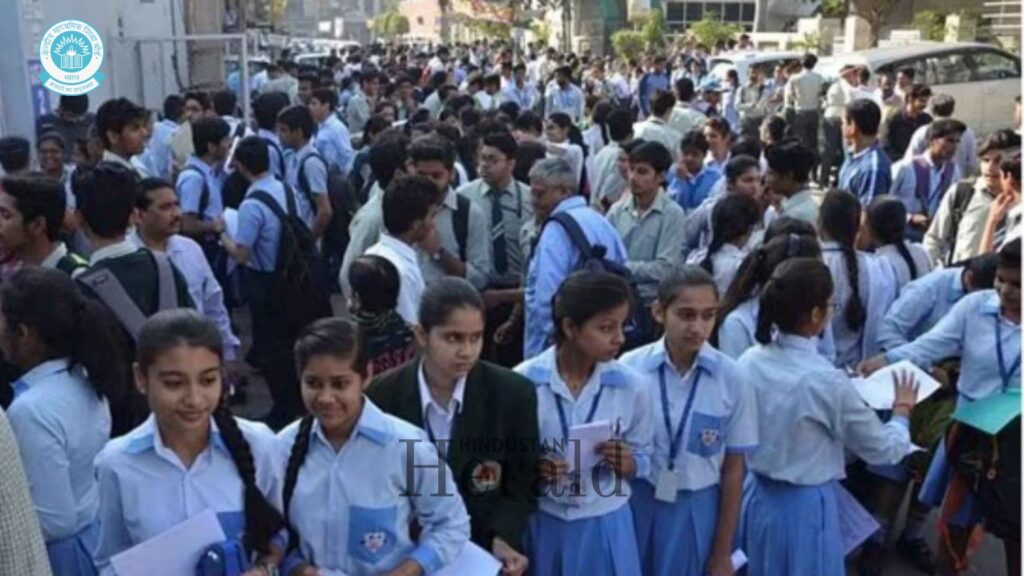
The overall pass percentage is expected to settle somewhere between 87 and 89 percent, which keeps it consistent with where the board has been over the last three or four cycles. Girls have outperformed boys again that trend is almost unremarkable now, it has held for so long and regional breakdowns are due from the board later in the day. The finer numbers, the district-level data, the topper lists, those will trickle out through the afternoon.
Checking Your Result the Practical Part
For students still trying to get through, the process is straightforward enough. Head to cbseresults.nic.in, pick Class 12 Result 2026, enter the roll number, school number, centre number, and date of birth. The scorecard loads and can be saved as a PDF right there.
If the portal is slow and it likely will be at peak hours the UMANG app tends to hold up better under load. DigiLocker is the cleanest option for anyone who needs to forward the result quickly to a college or an employer, since the verified digital copy carries the same legal weight as the physical marksheet. The physical copy will reach students through their schools within a few weeks, as always.
Marks, Subjects, and the Usual Patterns
The board has not yet dropped subject-wise data at the time of writing, but the broad pattern year on year stays fairly predictable. Mathematics and Physics drag averages down. They always do. English Core, Physical Education, and Home Science push them back up. That dynamic has not changed in years, and there is no indication this cycle is different.
What continues to quietly irritate many educators is the internal assessment component the 20 percent that schools control. The argument against it is that it introduces variation that the board cannot uniformly audit. A student at a well-resourced private school and a student at a government school in a small town may both score full marks in internals, but the process getting there is not always comparable. The board knows this. It has known it for years. No formal revision came ahead of this result.
If the Score Is Not What You Expected
Students who have fallen short in one subject can still salvage the year. The CBSE Compartment Examination will be announced shortly dates are not out yet, but they typically come within a couple of weeks of the main result. Appearing in compartment costs a year in terms of admission timelines at many institutions, but it does not end the academic road.
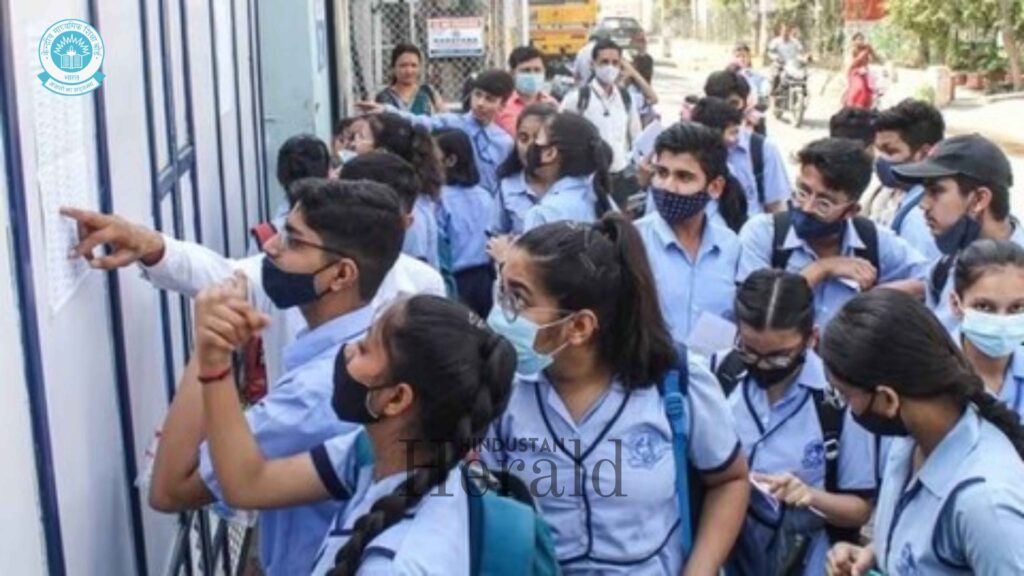
For those who feel their paper was marked unfairly or carelessly, the Verification of Marks process opens within a week of results. A student can apply for a photocopy of the evaluated answer sheet and then file for re-evaluation if there is a legitimate case. It is not a longshot. As reported by The Hindu, students in the 2025 cycle did see meaningful score revisions through re-evaluation, especially in papers like English and History where subjectivity plays a role. The window is short, usually ten to fifteen days, so students who are considering it should not wait around.
What This Result Actually Determines
For a large chunk of students, the CBSE score feeds directly into what happens next and the pathways are different depending on which door they are trying to open.
Engineering aspirants who have cleared JEE Main with a qualifying rank need to clear the 75 percent aggregate threshold at the Class 12 level to be eligible for IIT admissions. That is a hard requirement. If the board score does not meet it, the JEE rank alone is not enough. This is the group watching their aggregate most anxiously today.
Medical students writing NEET-UG need at least 50 percent in Physics, Chemistry, and Biology at Class 12 or 45 percent under reserved category norms. Students near those lines in individual subjects are going to be doing the math carefully this morning.
For central university admissions, the landscape has shifted. Delhi University, BHU, JNU and others now admit primarily through CUET-UG scores, which means the Class 12 marks are not the cutoff anymore. They still matter as a qualifying filter in many cases, but the days of DU announcing a 99 percent cutoff that made national news are functionally over. That said, a large number of state universities and private colleges continue to use board marks as the main criterion, so the result is far from irrelevant for the majority of students.
The Bigger Conversation Nobody Wants to Have on Result Day
Every year, around this time, a familiar argument surfaces. Is a single high-stakes exam the right way to judge a student? The National Education Policy 2020 has been talking about holistic, competency-based assessments for years now. The board has piloted formats, released frameworks, spoken extensively about moving away from rote evaluation. And then the Class 12 exam happens exactly as it always has one sitting, three hours, everything on the line.
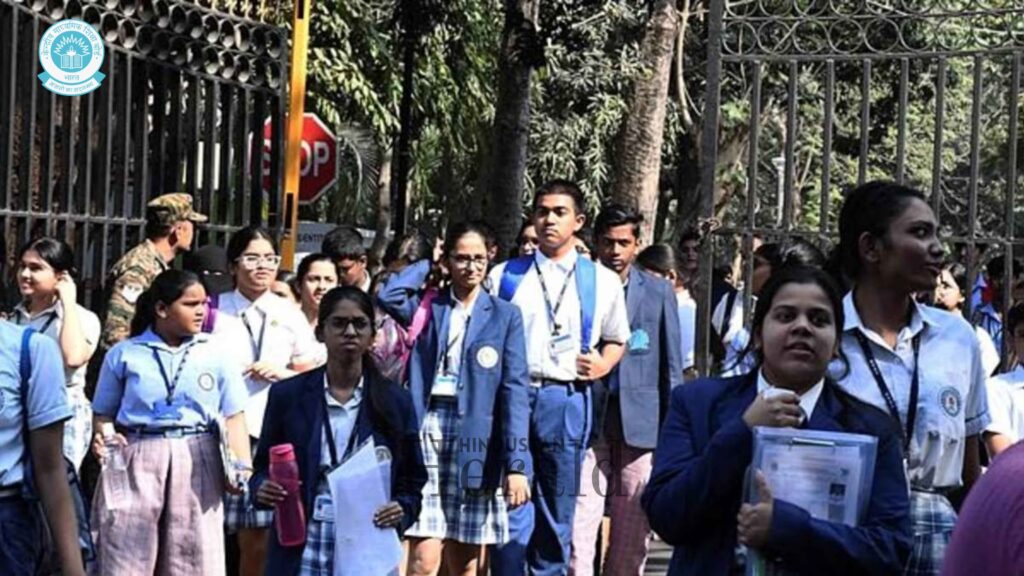
That tension is not going away. It is getting louder, if anything, as more students and parents begin to understand that the CUET, the JEE, the NEET, and the board exam all exist in parallel, each demanding a different kind of preparation, each pulling a seventeen-year-old in a slightly different direction at the same time.
Still, none of that complexity quite lands on a Wednesday morning when a teenager is sitting with a phone, waiting for a page to load. The result is personal before it is political. It is a number before it is a policy debate.
The Day After Always Comes
Counsellors and educators across the country will spend today and tomorrow doing what they do every year reminding students that a board result is one data point, not a life sentence. Some students will need to hear that more than others. The ones who missed their target by two marks, the ones who failed a paper they were certain they had passed, the ones who simply expected more from themselves.
Those students are real, and they are not a small number.
What is also real is that India produces more Class 12 graduates every year than most countries have in their entire student population, and the paths available to them are more varied than they sometimes appear on result day. Vocational routes, diploma programmes, lateral entries, state-level entrances the system is imperfect but it is not as closed as it feels at 10 in the morning when the scorecard loads.
For the students who got what they worked for and many did today is a good day. For the ones who did not, the week ahead will feel long. Both groups will find a way forward.
That is, more or less, how it goes every year.
Stay ahead with Hindustan Herald — bringing you trusted news, sharp analysis, and stories that matter across Politics, Business, Technology, Sports, Entertainment, Lifestyle, and more.
Connect with us on Facebook, Instagram, X (Twitter), LinkedIn, YouTube, and join our Telegram community @hindustanherald for real-time updates.

- Arun Upadhayay

- Arun Upadhayay
- Arun Upadhayay
- Arun Upadhayay




 Sandeep Verma
  Ananya Sharma