
 By Ananya Sharma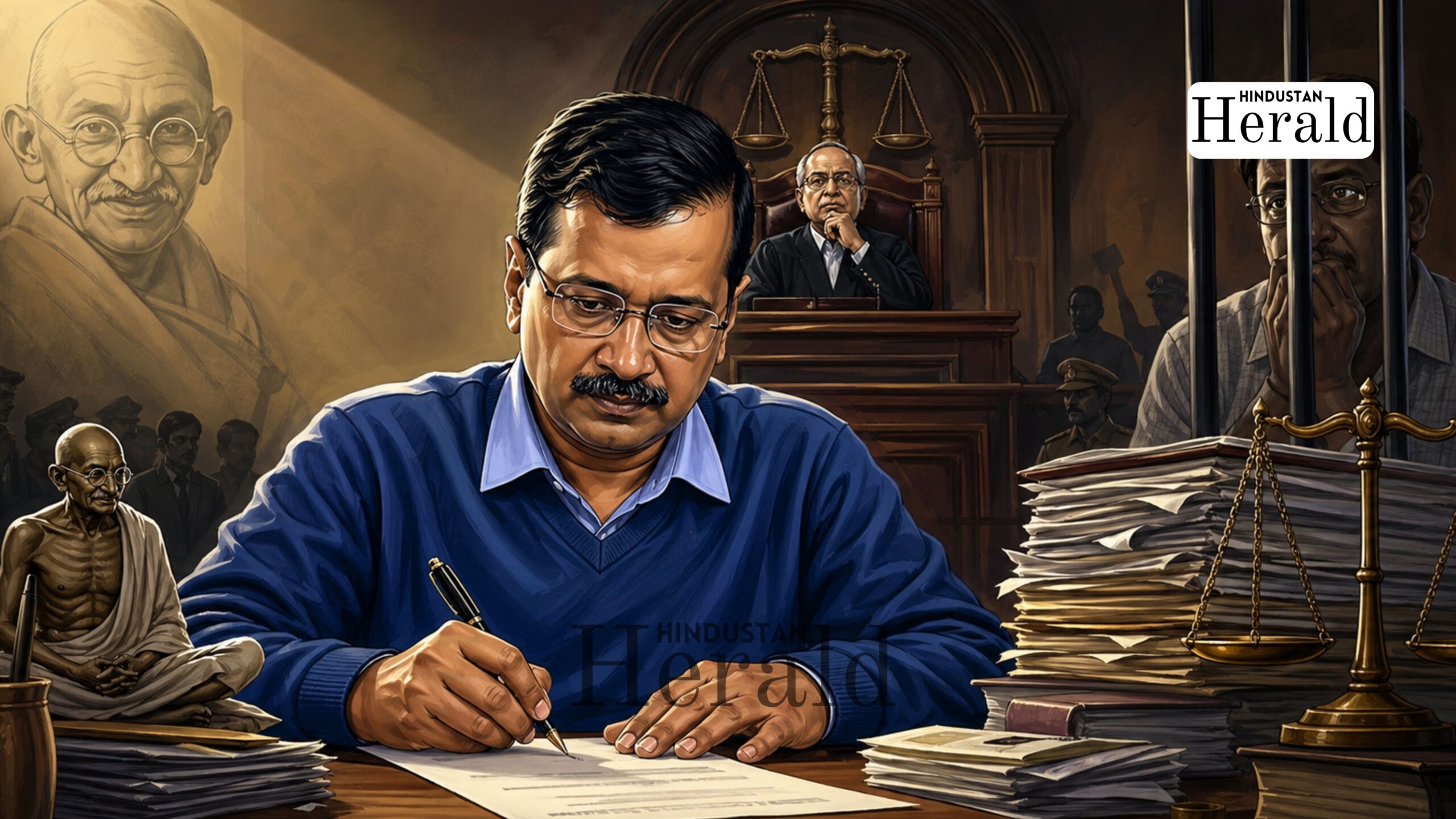
New Delhi, April 28: Arvind Kejriwal has done something that very few politicians, let alone accused persons in active criminal proceedings, have dared to do. He has written to the judge hearing his case and told her, in plain terms, that he will not be showing up. Not personally. Not through a lawyer. Not at all.
The letter, addressed to Delhi High Court’s Justice Swarana Kanta Sharma and made public on April 27, frames this withdrawal as an act of conscience rooted in Gandhian Satyagraha. Kejriwal describes his faith in the judicial process as “deeply shaken.” He says he cannot, in good conscience, participate in proceedings he believes are tainted by the appearance of bias. And he says he is willing to face whatever consequences follow.
That last part is the bit legal experts cannot stop talking about.
Because the consequences, in this case, could be severe.
What Brought Things to This Point
To understand why this letter matters, you have to go back a few months. In February 2026, a trial court discharged Kejriwal, Manish Sisodia, Sanjay Singh, and 20 other accused persons in the Delhi excise policy case. The judge found that the CBI’s case simply did not hold up to scrutiny. For Kejriwal, who had spent considerable time in custody and fought the case publicly as well as legally, it was a significant vindication.
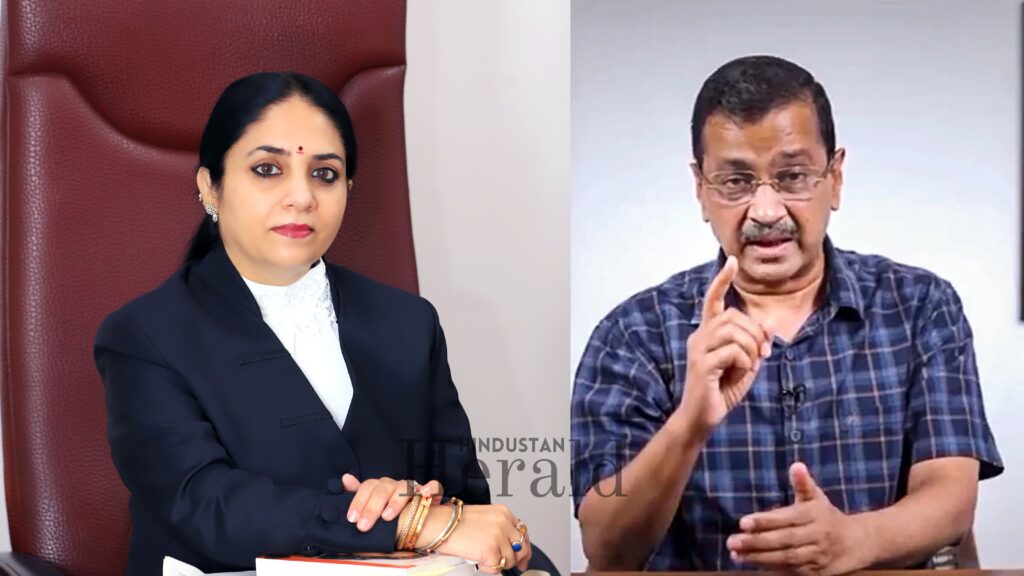
The CBI did not accept it. The agency challenged the discharge in the Delhi High Court, filing criminal revision petitions before a single-judge bench. That bench belongs to Justice Swarana Kanta Sharma.
Kejriwal moved to have her removed from the case. His recusal plea pointed to two things: her repeated participation in events connected to the RSS-affiliated Akhil Bharatiya Adhivakta Parishad while serving as a sitting judge, and the empanelment of her children as Central government counsel. He argued that these created at least the appearance of a conflict of interest, and that justice needed not just to be done but to be seen to be done.
The court dismissed the plea. In its order, it found that the allegations did not cross the legal threshold of a reasonable apprehension of bias, and that Kejriwal’s concerns rested on conjecture rather than evidence.
That ruling stung. And what followed was the letter.
The Letter Itself
Reading the letter, it is obvious that Kejriwal spent considerable time on it. The language is careful, layered, and strategically humble. He repeats his respect for the judiciary multiple times. He is emphatic that his grievance is not with the institution of the High Court or with Justice Sharma’s other cases, but specifically with this one matter, before this bench, under circumstances he describes as producing “a cloud of grave and unresolved questions.”
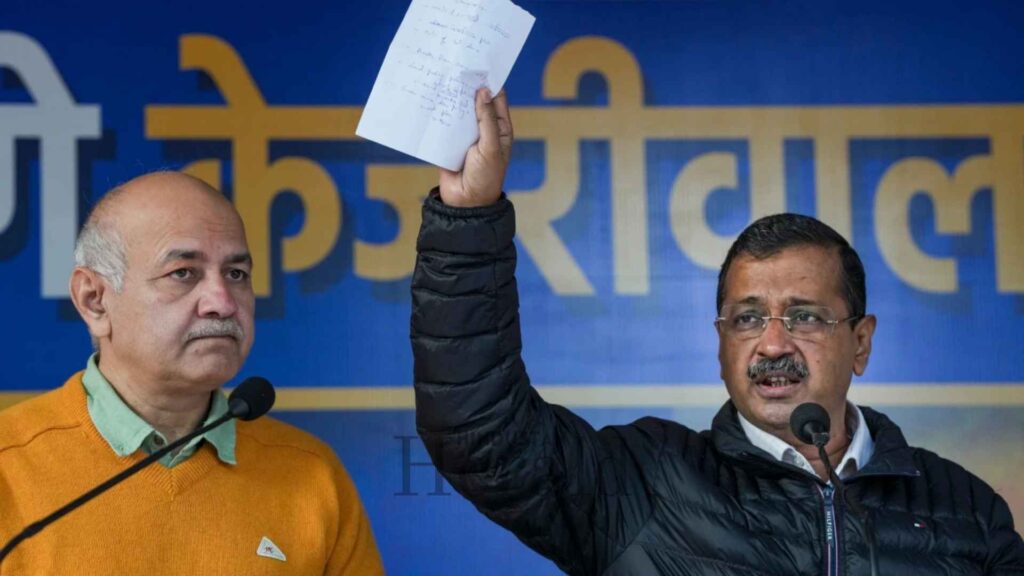
He cites historical examples of judges who voluntarily recused themselves to protect public confidence in the process. He points to what he calls the tone of the recusal rejection order, arguing that his legitimate concern was read as a personal attack on the judge rather than a procedural argument. He says that after that, he cannot expect a genuinely clean hearing.
And then he invokes Gandhi. He describes his withdrawal not as defiance but as the only principled option left to a citizen who has exhausted dialogue and finds himself unable to submit to a process he no longer trusts. Satyagraha, he argues, demands exactly this: to place the injustice on record, absorb the consequences, and let the moral weight speak.
It is eloquent. It is also, from a purely legal standpoint, a decision that leaves him significantly exposed.
What Actually Happens Now
Here is where the gap between the letter’s political logic and the courtroom’s procedural reality becomes stark.
The case does not pause because Kejriwal has chosen to absent himself. Courts are not in the business of waiting for respondents who decide they would rather not participate. The CBI will continue to present its arguments. The revision petition will be heard. And if Kejriwal’s side submits nothing, the bench will be working with a one-sided picture.
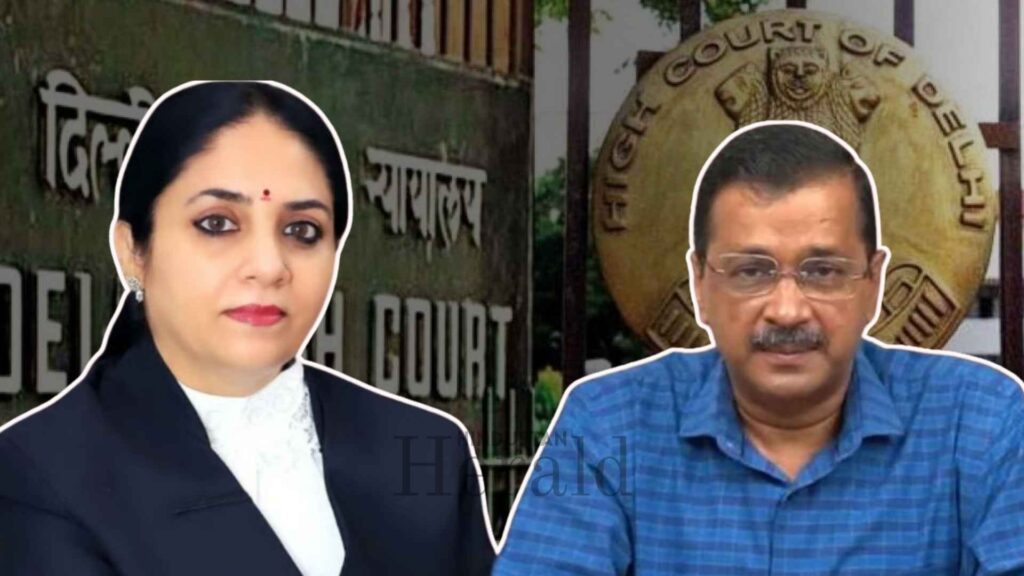
Legal experts say courts do have mechanisms to manage this kind of situation. A judge can appoint an amicus curiae, a court-appointed lawyer whose job is to assist the bench in considering all relevant arguments, even in the absence of the respondent’s chosen counsel. But an amicus curiae is not a defence lawyer. They are not fully across the case file, the evidence, the specific legal strategies that Kejriwal’s own legal team would have brought. In a case this complex, that distinction is not trivial.
Beyond that, the court can issue notices, direct the accused to appear, and in more serious situations, initiate coercive steps. Voluntary absence from proceedings does not mean the proceedings stop, and it does not mean Kejriwal is insulated from their outcomes.
The next hearing was expected on April 29. How Justice Sharma’s bench responds to the letter, whether it acknowledges the communication, appoints counsel, issues a direction, or simply proceeds, will determine a great deal about what this protest actually costs Kejriwal legally.
The Real Danger: What He Is Giving Up
The critical thing to understand about this case is that the CBI is trying to overturn a discharge. If the High Court agrees with the CBI and reverses the trial court’s order, Kejriwal and the other accused will be back facing a full criminal trial. That is not a peripheral outcome. That is the central question on the table.
At the revision stage, what the respondent’s lawyers argue in response to the CBI’s case carries real weight. A judge reviewing a discharge order is examining whether the trial court’s reasoning was sound. Effective counter-arguments can reinforce that reasoning. Silence cannot.
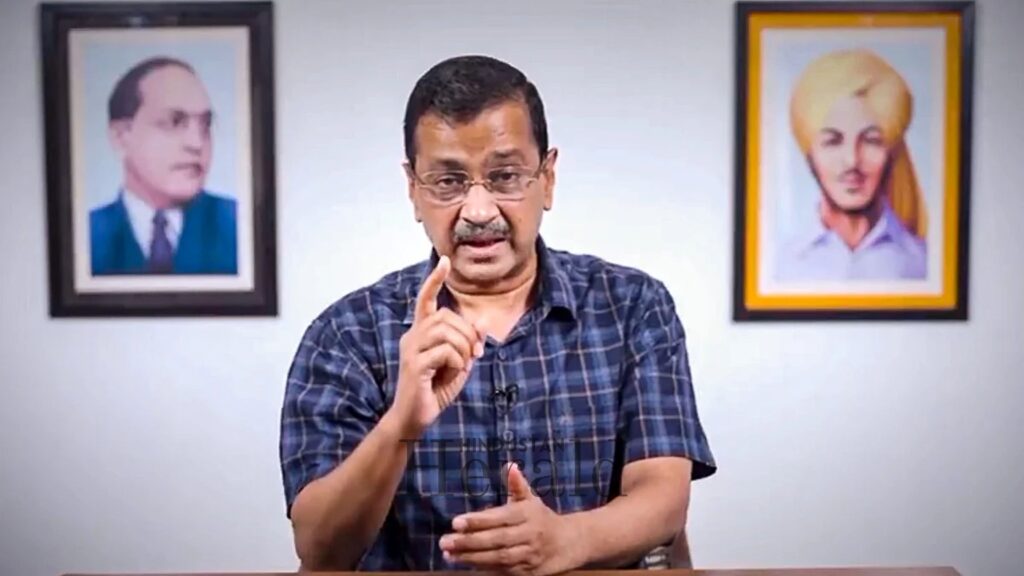
Kejriwal himself acknowledges this in the letter. He admits that non-participation may prejudice his legal defence. He says he is prepared to bear that. Whether that preparedness holds up when faced with an adverse ruling is a different question altogether.
Legal observers have noted that the most obvious remedy available to him is to file a petition in the Supreme Court challenging the rejection of his recusal plea, and to seek a stay on the High Court proceedings pending that challenge. That would be the conventional legal path. It would keep his options open. As of April 28, no such petition has been filed, though the letter indicates he is considering one.
A Word on the Timing
It would be dishonest to discuss this letter without mentioning what else happened in the days immediately before it became public.
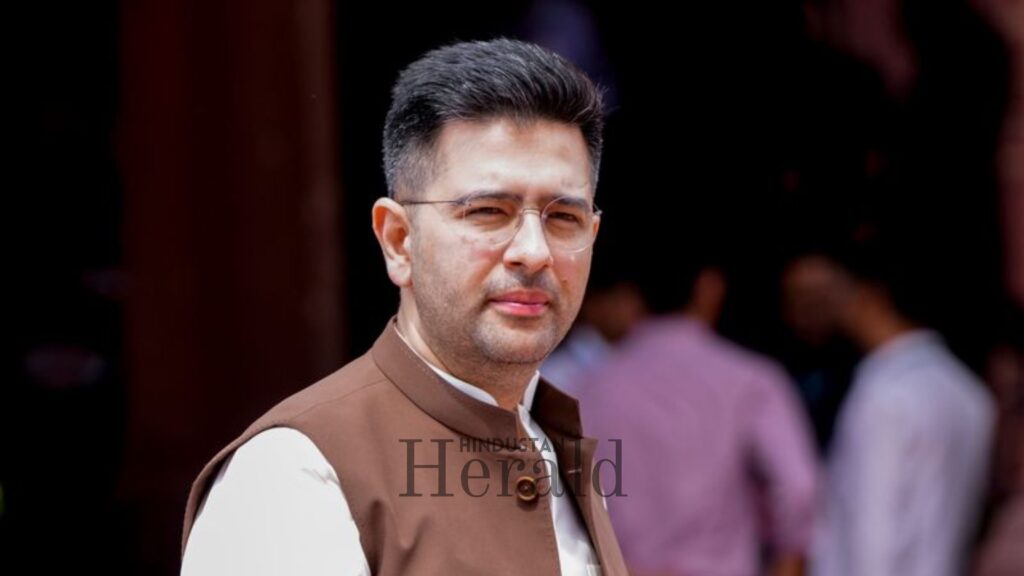
On April 24, Raghav Chadha, along with a large majority of AAP’s Rajya Sabha MPs, merged with the BJP. Seven of the party’s ten Rajya Sabha members crossed the floor, bypassing anti-defection provisions and effectively ending AAP’s presence in the Upper House as a meaningful force. Sandeep Pathak, one of the architects of AAP’s 2022 Punjab sweep, was among those who had already left.
The timing of Kejriwal’s letter, 48 hours after that development, is almost certainly not a coincidence. For a party staring at potential implosion, a dramatic gesture that reactivates the founding mythology, the lone fighter against an unjust system, serves a political function that no press conference or rebuttal could replicate.
The language of the letter, with its references to the faith of ordinary citizens, to conscience, to Gandhi, to the image of a man willing to suffer consequences rather than submit to an unfair process, is calibrated to remind the public of the Kejriwal who stood with Anna Hazare in 2011. Whether that resonance lands is something only election results eventually reveal.
That said, there is a version of this that backfires badly. If the High Court proceeds, the CBI’s petition goes unchallenged, the discharge is reversed, and Kejriwal ends up back in the dock, the “prepared to face consequences” line in the letter will look rather different in retrospect.
Where This Leaves Things
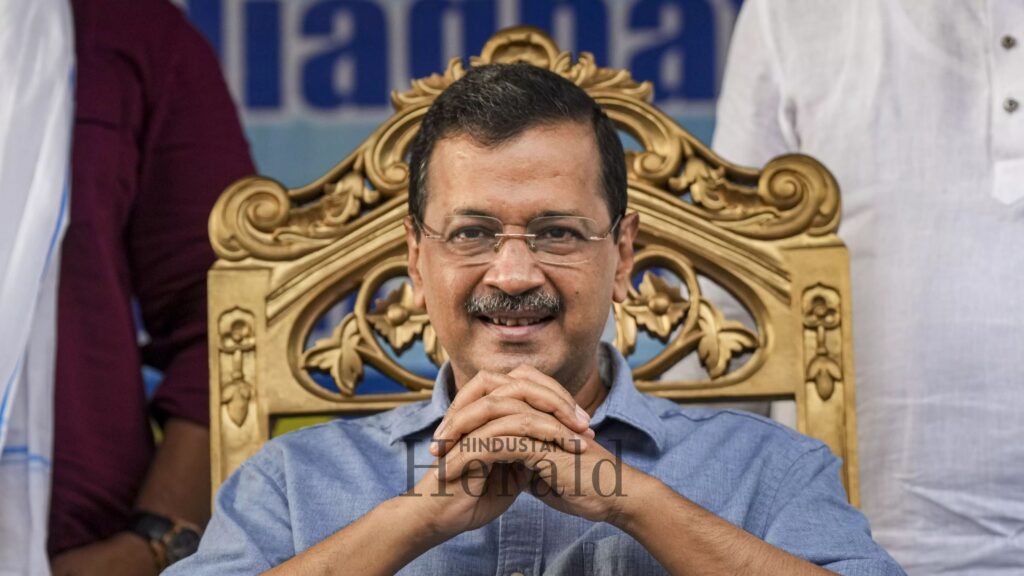
Legally, Kejriwal’s position as of today is more vulnerable than it was a week ago. He has voluntarily stepped back from a proceeding in which he has a direct and serious stake. He has done so without yet moving the Supreme Court. He has acknowledged the risks. The case will move forward regardless.
Politically, he has managed to reframe at least a part of the national conversation, if only briefly. In a week that could have been defined entirely by defections and party collapse, the letter shifted the headline. How durable that shift is depends on events to come, and the next hearing will tell a lot.
For now, the court has a letter. The CBI has a petition. And Kejriwal has a narrative. In courtrooms, only one of those three things tends to decide outcomes.
Stay ahead with Hindustan Herald — bringing you trusted news, sharp analysis, and stories that matter across Politics, Business, Technology, Sports, Entertainment, Lifestyle, and more.
Connect with us on Facebook, Instagram, X (Twitter), LinkedIn, YouTube, and join our Telegram community @hindustanherald for real-time updates.

Covers Indian politics, governance, and policy developments with over a decade of experience in political reporting.
- Ananya Sharma

- Ananya Sharma
- Ananya Sharma
- Ananya Sharma




 Arun Upadhayay