
 By Kavita Iyer
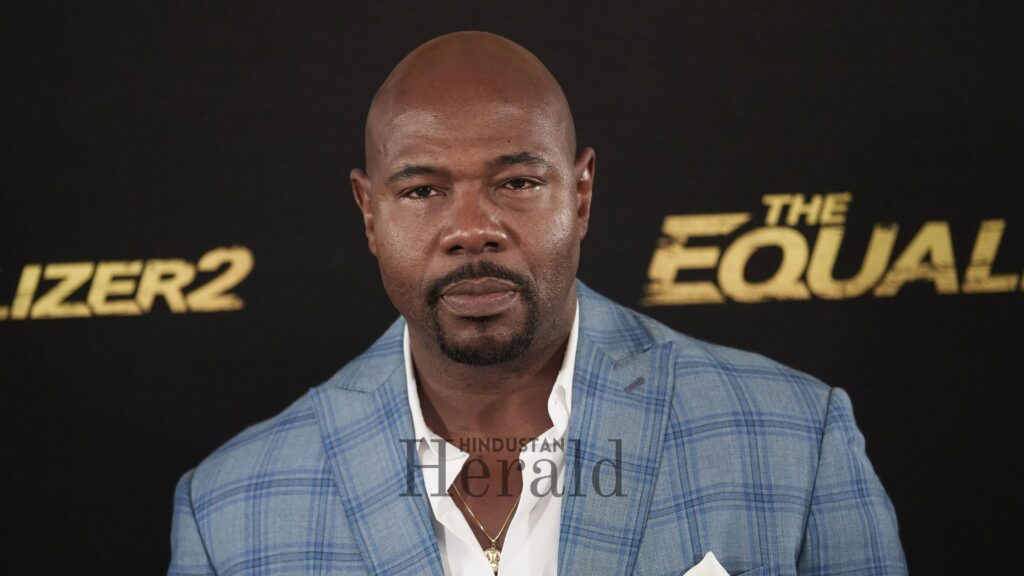
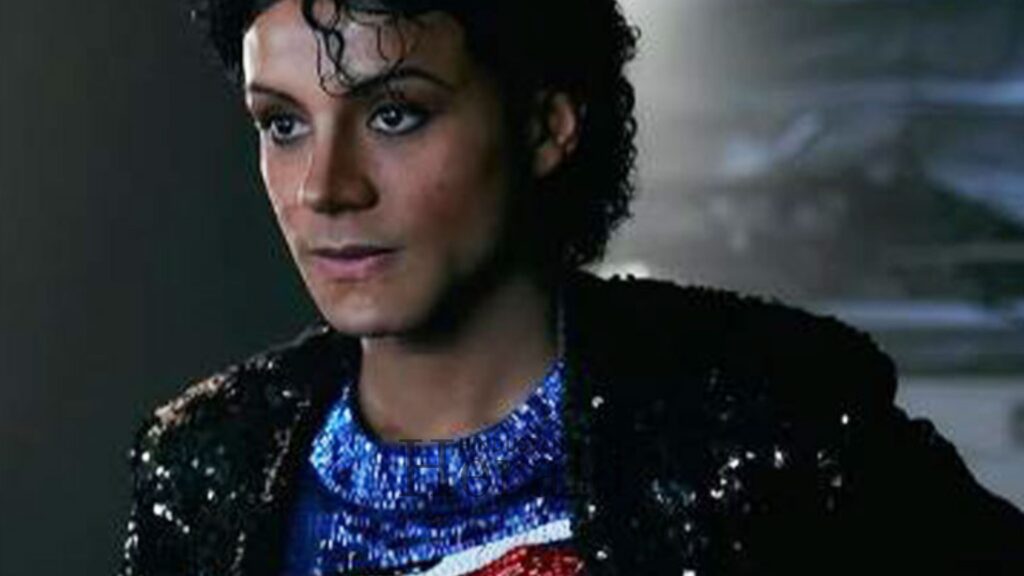
Los Angeles, April 27: Antoine Fuqua thought he was looking at Michael Jackson. The photograph had been taken on a film set, and when cinematographer Bob Richardson showed it to him during their work together on Equalizer 3, Fuqua made a casual remark about how Richardson had not aged a day since the two were photographed together years ago. Richardson corrected him. That was not Michael Jackson in the photo. It was Jaafar Jackson, his nephew. They had done a makeup test.
Fuqua said it blew him away.
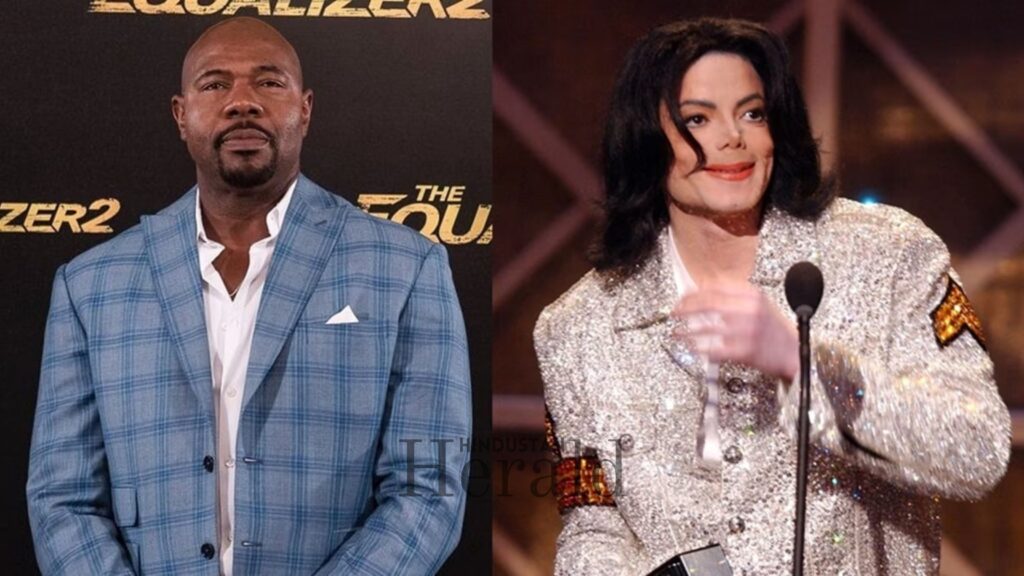
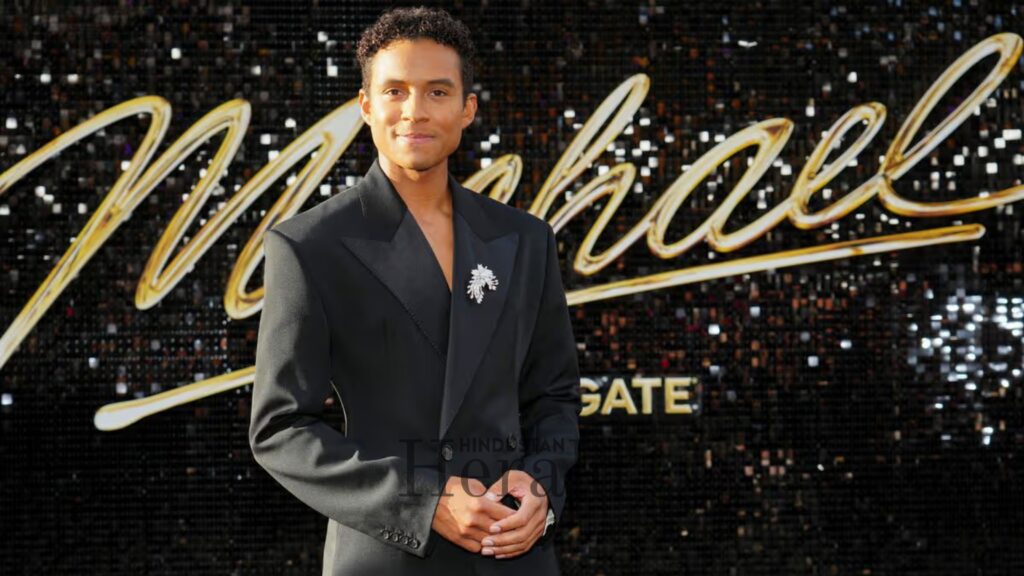
That moment, somewhere between a coincidence and a sign, eventually set in motion one of the most consequential casting decisions in Hollywood’s recent memory. Michael, the long-gestating biographical film about the King of Pop, opened in cinemas on April 24 and has already surpassed Oppenheimer as the biggest opening day ever for a biographical film. The numbers are staggering. The debate around the film is even louder.
But before any of that, there was just a photograph. And a nephew who was not sure he wanted to act.
The Breakfast That Changed Everything
Fuqua had been in Italy when producer Graham King first sat down with Jaafar Jackson. By the time the director came back and arranged his own meeting, it was breakfast, nothing formal, nothing that looked like an audition from the outside. What Fuqua saw across the table was harder to quantify than physical resemblance.
He could see the gentleness, the elegance. What he described as the DNA of Michael. The way Jaafar carried himself. The quiet. There was something in him that felt inherited, not performed.
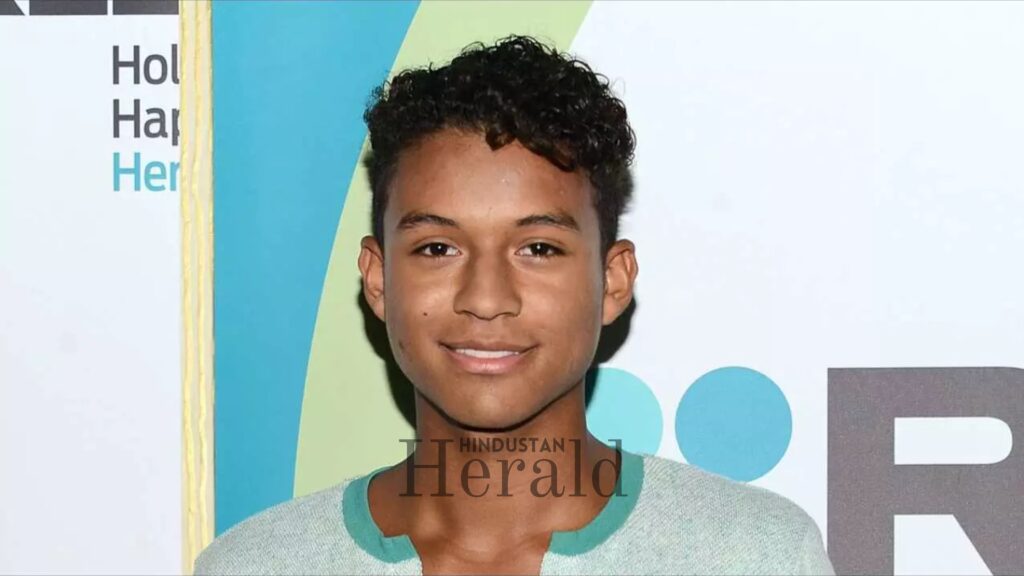
The problem was that Jaafar was not certain about any of this. Acting had not been a declared ambition. Born on July 25, 1996, he is Jermaine Jackson’s son, which makes him Michael’s nephew. He had released a debut single in 2019, made appearances in Jackson family projects, but feature film acting was a different world entirely. Other candidates were being considered. The casting process, by all accounts, was rigorous.
It took two years before the decision was officially confirmed in December 2023. Two years to land on a first-time actor with no film credits, playing the most scrutinised entertainer in pop culture history.
That is either an enormous act of faith or an enormous gamble. Probably both.
What Grandmother Said
Before a single frame had been shot, one endorsement mattered more than any screen test.
Katherine Jackson, Michael’s mother and Jaafar’s grandmother, approved of the casting. She said he embodies her son. For anyone who has followed the Jackson family’s decades of public grief, protectiveness, and pride, those words carry real weight. This was not a publicity quote. It was a grandmother recognising something of her child in her grandchild.
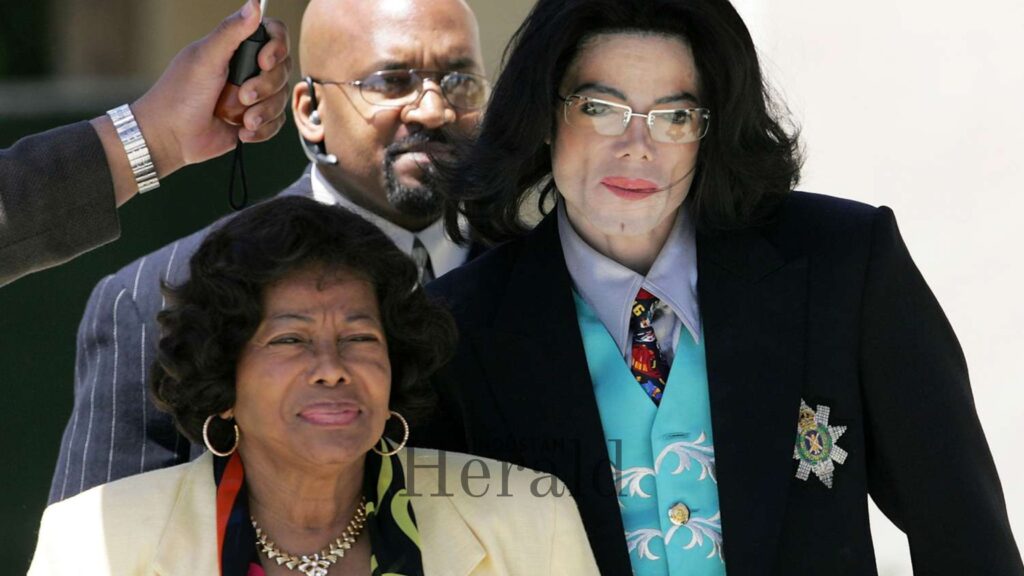
Jaafar, for his part, described the moment as meaning the world to him.
There is something almost painfully human about that detail. Amid all the Hollywood machinery, the distribution deals, the IMAX rollout across eighty-three countries, the projection models, that grandmother’s approval is where the story actually lives.
Day One
Fuqua has been asked many times about when he knew Jaafar could pull this off. His answer is consistent.
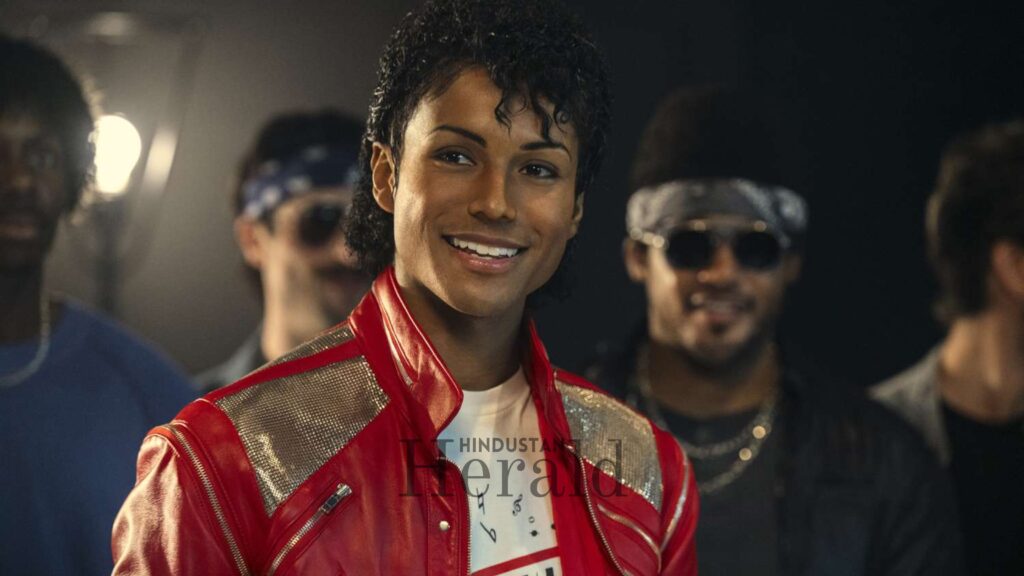
It was the first day of shooting, watching Jaafar perform the Bad concert sequence. That was the tour that defined Michael Jackson’s creative independence, the moment he truly stepped out and became himself fully as an artist. Fuqua watched it happen in front of five hundred to six hundred screaming extras, performed by a young man who had never acted in a film before, and said it felt like a real concert.
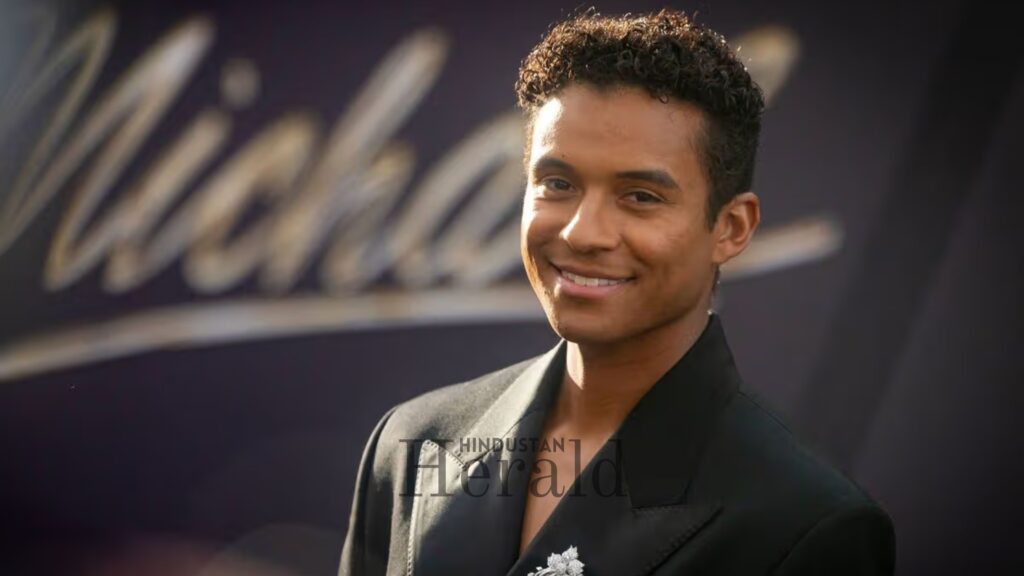
He described it as putting the cape on the superhero to see if he could actually be the superhero. And the thing about that sequence was that it was not a one-take moment. The scene was shot over several days, from multiple angles, requiring Jaafar to deliver that same charged, believable performance over and over. The fact that he did is what convinced Fuqua, fully and finally, that the film would work.
Critics largely agreed with that assessment even when they disagreed about everything else. Variety’s Owen Gleiberman wrote that Jaafar nails the look, the voice, and the electrostatic moves, as well as the combination of delicacy and steel that defined who Michael was. That is a precise observation from someone who clearly watched closely.
Building the World Around Him
Fuqua was not going to leave authenticity to chance.
He chose to film in Los Angeles not just because that is where much of Jackson’s career unfolded, but because it gave him access to people who had actually been in Michael Jackson’s world. Rich and Tone, Michael’s own choreographers, worked with Jaafar every day during production. Don Boyette, who had played bass with Jackson on the Bad and Dangerous tours, was brought in. Paul Massey, who had worked on the sound mixing for This Is It, was part of the team.
They filmed at Hayvenhurst, the Jackson family compound in Encino. They shot at the exact location where the Thriller video was made. Costumes were recreated with precise attention. The bass and drum mix alone, Fuqua said, required serious time in the studio.
None of this was incidental. When you are making a film about a man whose fans remember exactly how his shoes looked during a moonwalk, you do not approximate.
The Legal Wall
The hardest part of making the film did not happen during production. It arrived afterward.
The original ending of Michael included scenes depicting Jordan Chandler, one of Jackson’s accusers. A legal settlement that had been negotiated between Chandler and the Jackson estate meant that no dramatic depiction of those events could be included in the film. That settlement forced Fuqua into a major reshoot. The additional filming cost approximately fifty million dollars, bringing the film’s total production budget to around two hundred million dollars. The reshoot took twenty days.
Twenty days of reshoots on a completed film is not a minor adjustment. That is the ending of the film being rebuilt from the ground up, the emotional resolution of a two-hour-plus biography reimagined under legal pressure.
Fuqua acknowledged that the script had pushed quite far into that territory. They had gone through the Jordan allegations and moved into the years after 1995, when public sentiment around Jackson had darkened. All of it had to go.
What replaced it was a choice the filmmakers made deliberately. Fuqua, writer John Logan, and producer Graham King decided to keep the focus on Jackson’s formative years, aiming for empathy rather than controversy, tracing how the man was shaped before the mythology and the scandal consumed the conversation around him.
Whether that was an artistic decision or a practical one, probably some of both, it is the reason the film ends where it does.
The Cast Around the Lead
Getting Jaafar right was the central challenge. The casting around him was its own feat.
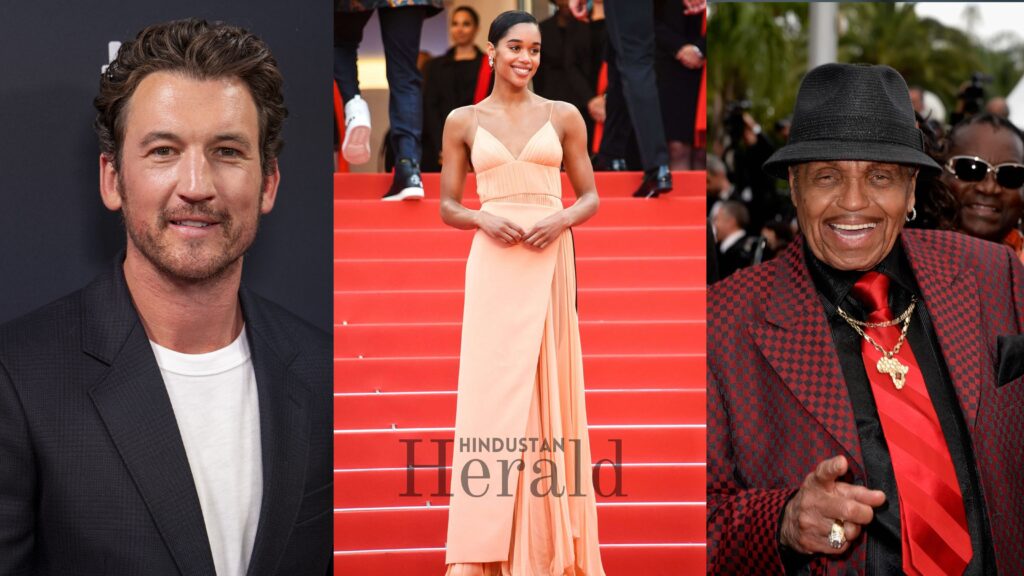
Colman Domingo, who has received Academy Award nominations in consecutive years, plays Joe Jackson. Nia Long is Katherine. Miles Teller takes on John Branca, Michael’s manager. Laura Harrier plays Suzanne de Passe, the Motown executive who helped shape the Jackson 5’s earliest public identity.
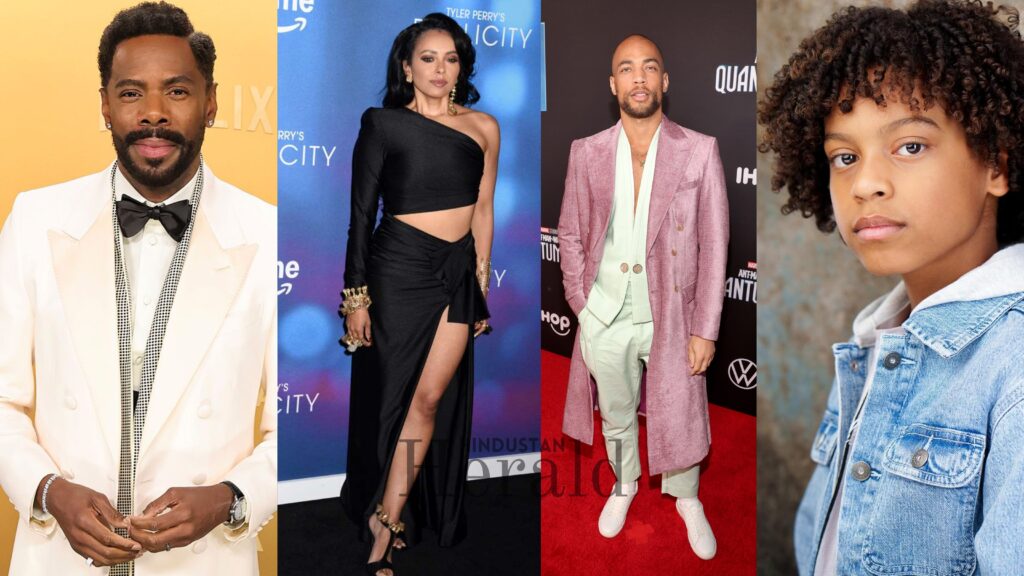
A newcomer named Juliano Krue Valdi was cast to play young Michael, and his press tour appearances generated genuine excitement, drawing comparisons to the real thing from audiences who watched him move. Kendrick Sampson plays Quincy Jones. Derek Luke came aboard as Johnnie Cochran. Kat Graham had been cast as Diana Ross, but her footage was removed from the final cut, with the production citing legal considerations.
The Numbers and the Noise
The film opened to ninety-seven million dollars domestically and two hundred and seventeen million dollars worldwide in its first weekend. It surpassed Oppenheimer to set the record for the biggest opening day ever recorded for a biographical film. For Fuqua, a director who has spent three decades building a body of work, it is the biggest opening of his career.
And yet.
On Rotten Tomatoes, only 38 percent of critics gave the film a positive review. The consensus described it as resembling a greatest hits album that would have benefited from liner notes providing actual insight into the icon. Metacritic placed it at 39 out of 100.
The audience told a completely different story. CinemaScore gave it an A-minus. The audience approval score on Rotten Tomatoes sits at 97 percent, the highest ever recorded for a biopic on the platform.
That gap between critical consensus and audience response is not unusual for films about beloved figures. But the scale of it here is worth sitting with. Critics wanted the film to wrestle harder with Jackson’s contradictions. Audiences, it seems, wanted to see him again. To feel him in a room. To hear the music played live by someone who carries the man’s blood in his veins.
Those are two legitimate things to want from the same film. The fact that one could be satisfied and the other left wanting says something about how impossible this project always was, and how close it came to working anyway.
What Comes Next
Fuqua has said there is enough material from production to support a sequel, covering the years beyond the Bad tour. He has indicated he would want to return to direct it.
Whether that happens will depend on how the film performs in the coming weeks, what the estate decides, and whether the appetite for more actually translates into tickets sold. For now, it is a conversation for another day.
What is settled is this: a young man who was not sure he wanted to act sat down for breakfast with a director in Los Angeles, carried the weight of his family’s entire history into a room full of screaming extras, and did not flinch. That alone is worth something. Whatever the critics say.
Stay ahead with Hindustan Herald — bringing you trusted news, sharp analysis, and stories that matter across Politics, Business, Technology, Sports, Entertainment, Lifestyle, and more.
Connect with us on Facebook, Instagram, X (Twitter), LinkedIn, YouTube, and join our Telegram community @hindustanherald for real-time updates.

Former financial consultant turned journalist, reporting on markets, industry trends, and economic policy.
- Kavita Iyer

- Kavita Iyer
- Kavita Iyer
- Kavita Iyer




 Arun Upadhayay
  Ayesha Khan