
 By Ananya Sharma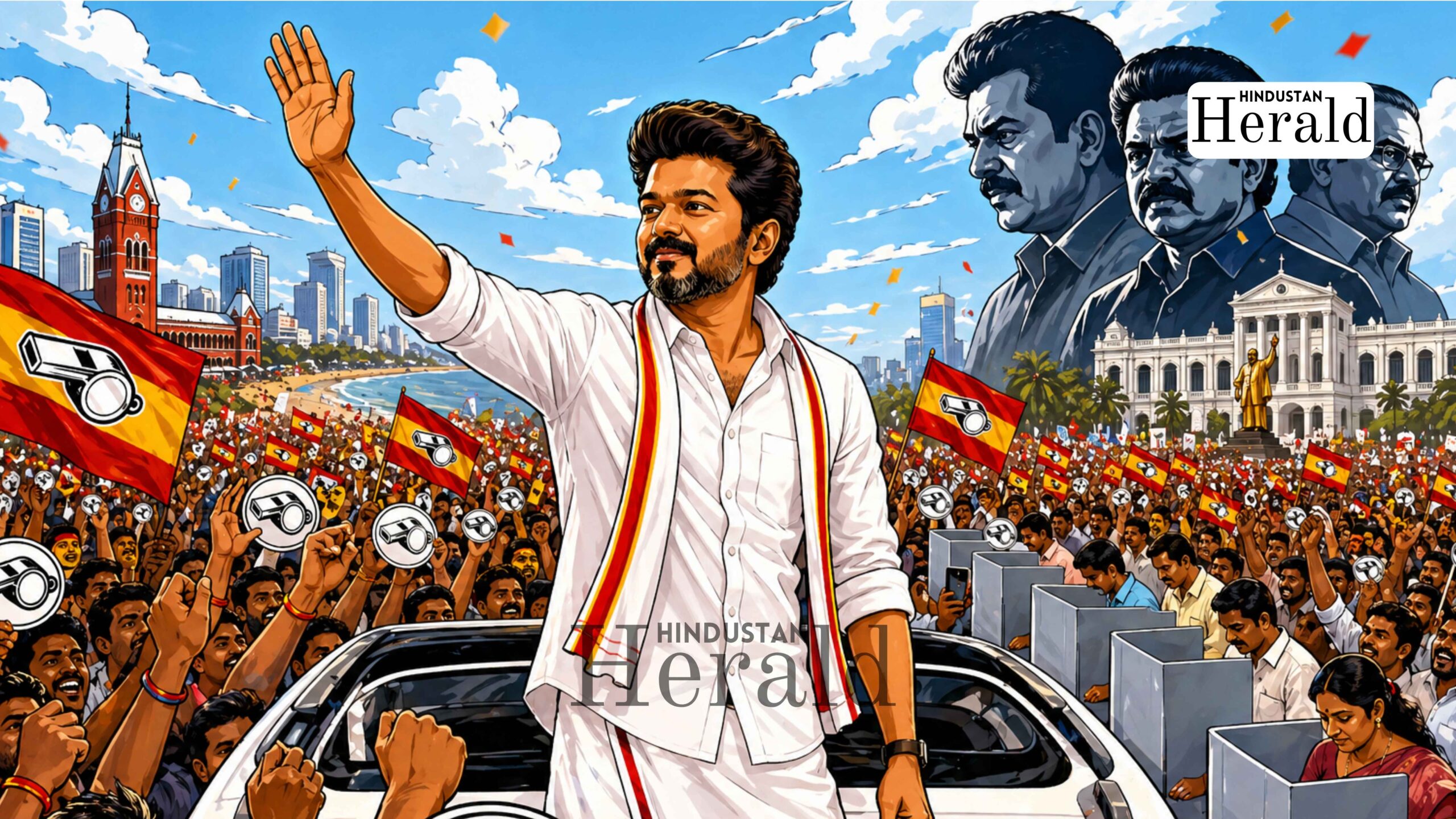
Chennai, April 26: Tamil Nadu just voted. And honestly, nobody quite knows what is coming next. The ballots were cast on April 23. The results will be out on May 4. But in that gap, the entire state is doing what Tamil Nadu does best when something big is about to happen. It is arguing. It is speculating. It is pulling out old loyalties and questioning new ones. Every tea shop, every office, every WhatsApp group has a theory about what just happened and who is going to win.
And at the centre of almost every conversation is the same person.
Vijay.
Yes, That Vijay
The actor. The one whose films you have watched at least twice each. The one whose dialogue delivery makes entire cinema halls erupt. That Vijay walked away from all of that, formed a political party called Tamilaga Vettri Kazhagam, and just put up candidates in every single seat in Tamil Nadu. All 234 of them. On his own. No alliance, no senior partner to lean on, no safety net.
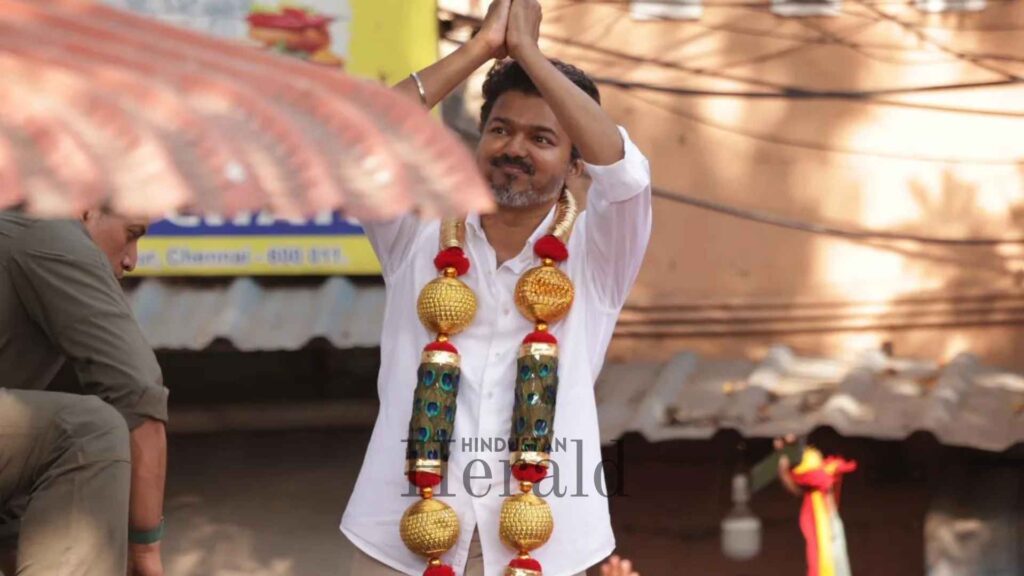
When he announced the party back in February 2024, people laughed. Not all of them, but enough. Film stars entering politics in Tamil Nadu is not exactly new territory. Some of them flame out quickly. Some hang around on the fringes. Very few manage to actually change things. So the scepticism was fair.
But Vijay did not behave like someone testing the waters. He built an actual organisation. He went to districts. He held rallies. He released a proper manifesto. And on March 18 this year he came out and said TVK will go it alone in all 234 seats. No deal with DMK. No deal with AIADMK. No compromises.
That took guts. Or a very large fan base. Possibly both.
The Symbol That Said Everything
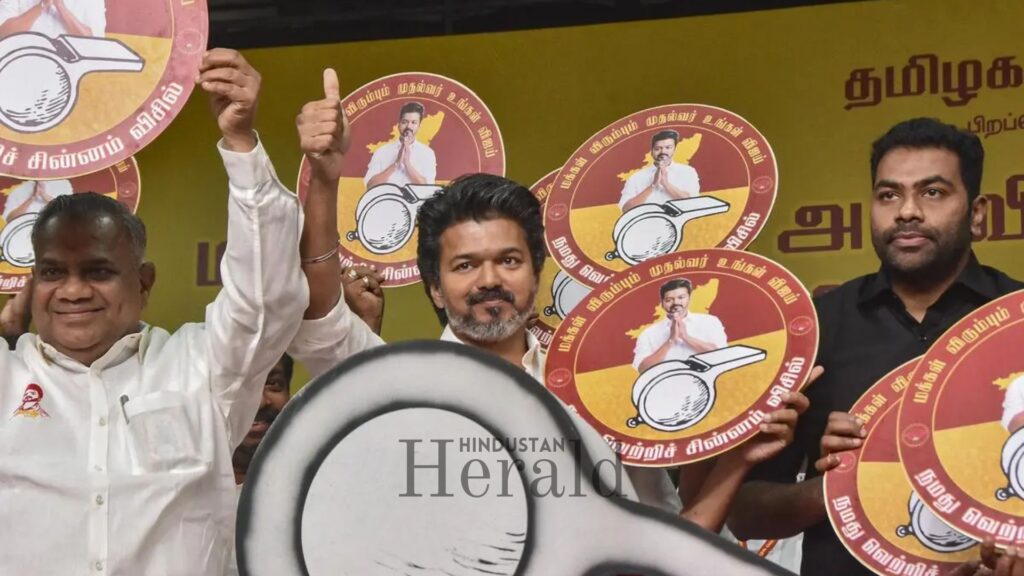
The Election Commission gave TVK the Whistle as its party symbol. If you follow cricket, if you have watched Vijay’s recent films, if you have ever been to a Chennai Super Kings match and heard that famous chant, you immediately understood what that symbol was communicating. It was not subtle. It was not trying to be.
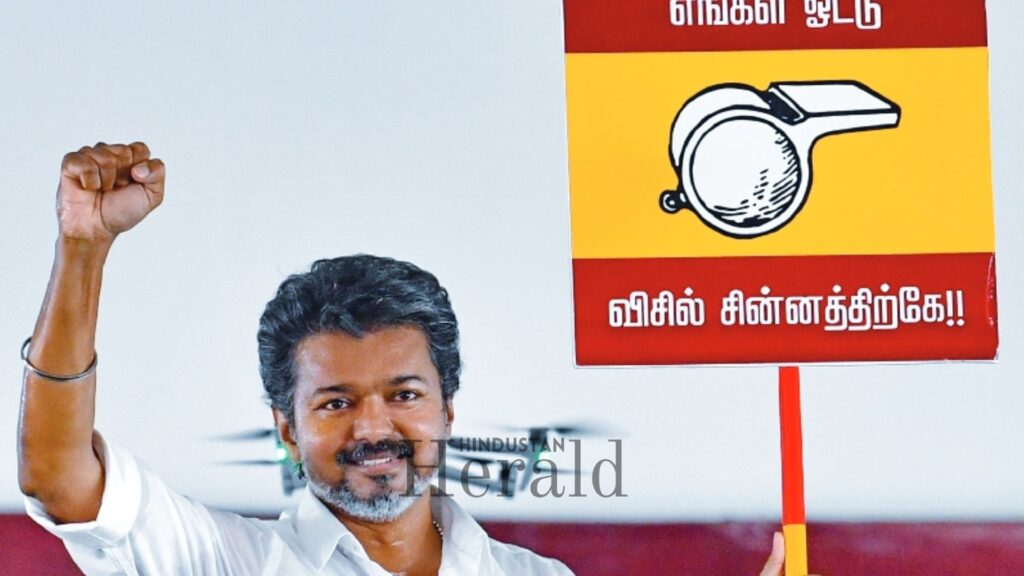
Vijay called it a Whistle Revolution. He told people to vote for the whistle. And in Tamil Nadu, where political branding is almost as important as political substance, that kind of cultural shorthand travels fast.
Whether it translated into actual votes is the question everyone is sitting with right now.
He Did Not Pick Easy Seats
Here is something that does not get said enough about Vijay’s campaign. He could have contested from a comfortable constituency, somewhere TVK had strong support, somewhere he was almost guaranteed a win. He did not do that.
He filed his papers from Perambur in Chennai and from Tiruchirappalli East. Both seats currently belong to DMK. He walked straight into the ruling party’s territory.
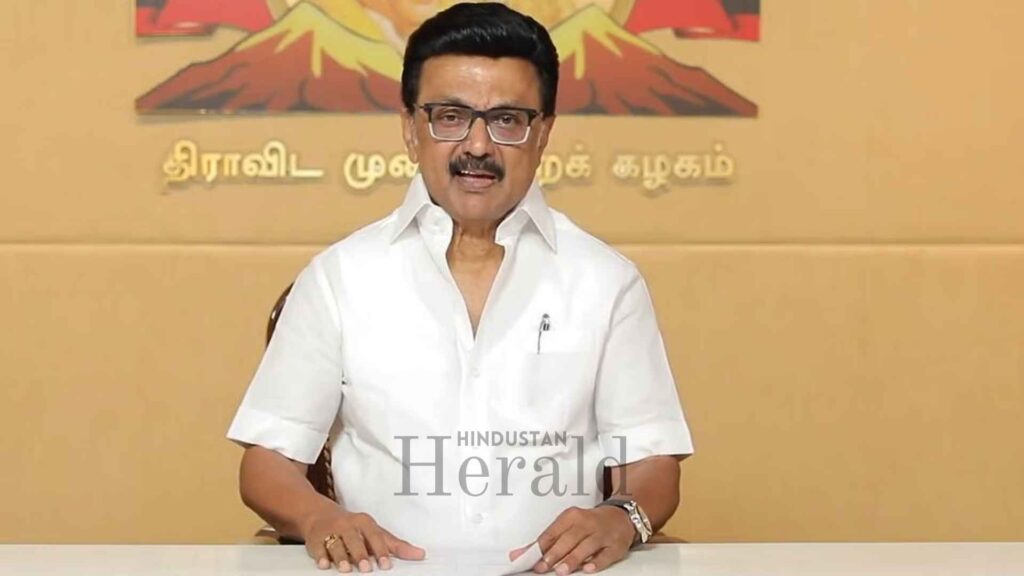
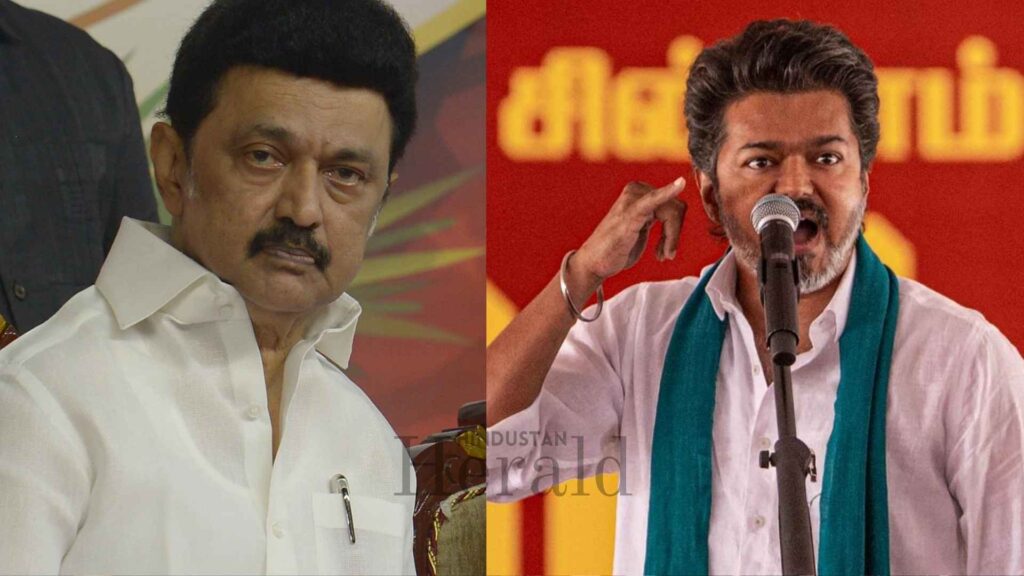
And he did not stop there. TVK fielded a candidate against M. K. Stalin himself in Kolathur. Another candidate went up against Udhayanidhi Stalin in Chepauk. You do not do that if you are just here for the experience. You do that if you actually want to fight.
What He Was Promising
The TVK manifesto was written with one audience clearly in mind: young people who are fed up.
Jobs. That was the big one. A guarantee of employment for youth. Along with that, education loans without collateral, startup funding, monthly financial support for students, and a firm commitment to making Tamil Nadu drug-free.
Nothing in that list is revolutionary on paper. These are things politicians have been promising Tamil Nadu’s youth for decades. But the difference here was who was saying it. Vijay is not a career politician. He does not carry thirty years of broken promises on his name. For a lot of young voters, especially first-time voters, that freshness was the entire point.
Whether fresh is enough, well, that is what May 4 will settle.
The Tragedy Nobody Should Forget
There was a moment in this campaign that went badly wrong, and it needs to be talked about plainly.
In September 2025, a crowd crush at a TVK rally in Karur killed 41 people. Between 80 and 120 more were injured. Vijay paused his campaign. He faced serious criticism about how the event was managed and why crowd safety had failed so completely.
Those were real deaths. Real families. And the criticism that followed was legitimate. A party asking to be trusted with governing a state of 80 million people had failed to manage the safety of its own rally.
Vijay resumed campaigning in late March. By April, the rallies were large again. Politically, TVK appeared to have survived the fallout. But surviving politically is not the same as fully accounting for what happened, and that distinction matters.
Meanwhile, the Old Parties Were Not Standing Still
The DMK went into this election carrying five years of government on its back. That is always a complicated thing. Governing means making decisions, and decisions always disappoint somebody. Chief Minister M. K. Stalin remained the face of the alliance, and the party held its coalition together with Congress, the two communist parties, MDMK, and VCK. The same alliance that won every single Lok Sabha seat from Tamil Nadu in 2024.
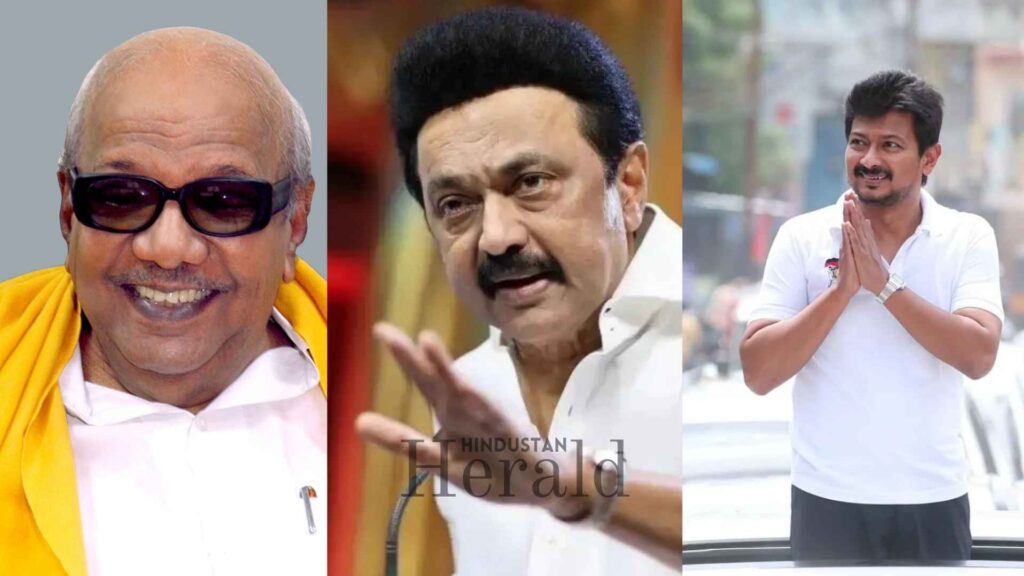
But Lok Sabha momentum and assembly election momentum are different animals. And this time, the DMK was dealing with something it had not really faced before at this scale: a third force directly targeting its younger voter base.
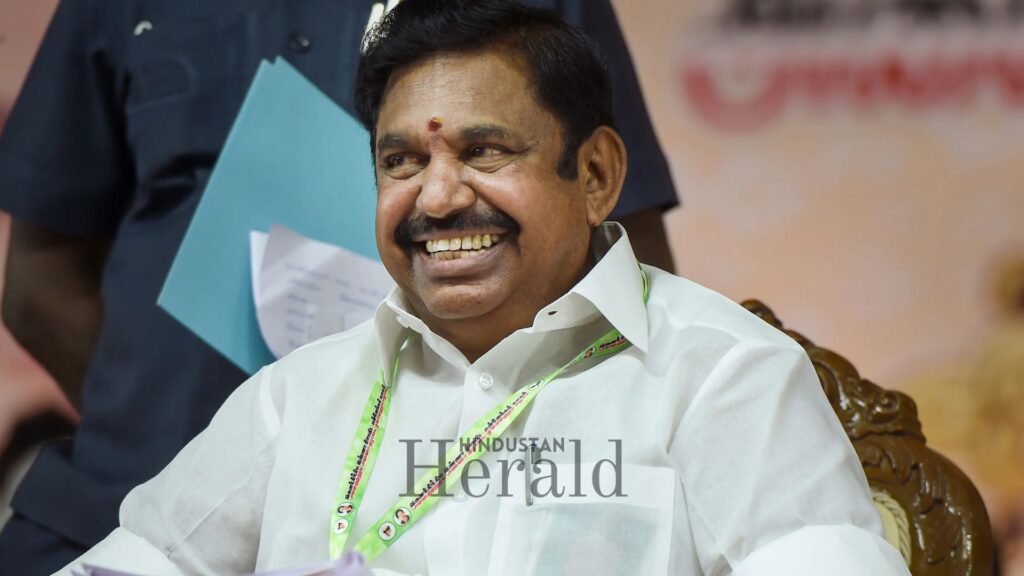
The AIADMK arrived at this election having had a rough few years. It left the BJP alliance in 2023. Contested the 2024 general election alone, won nothing. Then went back to BJP in 2025. Edappadi K. Palaniswami was named as the Chief Ministerial candidate of the AIADMK-plus alliance, which also roped in PMK and AMMK. It was a bigger tent than 2024, but Tamil Nadu voters have seen big tents before and know they do not always hold up when it rains.
The Poll That Made Everyone Uncomfortable
A few days before voting, a Dinamalar opinion poll came out with numbers that made both the big parties nervous.
The DMK alliance, it projected, was looking at losing around 12 to 14 percentage points of vote share compared to 2021. Now, normally that would mean a clean swing toward the AIADMK. But this time, those votes were not going cleanly anywhere. TVK was projected to absorb around 23 percent of the total vote. Seeman’s NTK was at about 7 percent. Together, that is nearly 30 percent of Tamil Nadu’s voters potentially going to parties that were not in the picture at all five years ago.
What that does to the arithmetic is messy. The effective winning margin in many seats drops sharply. A candidate who might have needed 45 percent to win comfortably now might scrape through with 35 or 36 percent. In a three-way or four-way split, strange things happen.
The poll also noted that about 18 percent of voters were still undecided going into polling day. In a close election, 18 percent undecided is not a footnote. It is the whole story.
85 Percent Voted. Let That Sink In
The turnout number is worth spending a moment on because it really is extraordinary. 85.15 percent of eligible voters in Tamil Nadu came out to vote on April 23. That is the highest figure ever recorded in an assembly election in the state. The 2021 number was more than 11 points lower.
Now, some of that gap exists because 2021 voting happened during COVID, when a lot of people stayed home for obvious reasons. So some of this jump is recovery from an unusual situation. That is true and worth saying.
But even accounting for all of that, 85 percent is still a massive number. Tamil Nadu had over 57 million people on the voter rolls this time. Women voters, at 29.3 million, actually outnumbered men. Polling stations opened early and queues formed earlier. In several Chennai constituencies, accounts from booth workers described the kind of morning rush you associate with major elections, not routine state polls.
Something mobilised people this time. You can argue about what exactly, but the number is sitting right there.
One Thing Voters Maybe Did Not Look Closely At
TVK ran on a message of clean politics and a new kind of leadership. That message was powerful and clearly appealing to a lot of people.
But according to the Association for Democratic Reforms, about 18.6 percent of TVK’s candidates, roughly 43 out of 231, had declared serious criminal cases in their election affidavits. For comparison, AIADMK’s figure was 35.3 percent and DMK’s was 18.3 percent. So TVK was not the worst of the lot, not even close. But it was not spotless either.
A party asking voters to believe in a cleaner future probably owes those same voters a cleaner candidate list. That gap between the message and the reality was there. Most people caught up in the excitement of something new did not examine it closely.
So What Happens Now
Honestly? Nobody knows. And that is not a lazy answer. That is the actual situation.
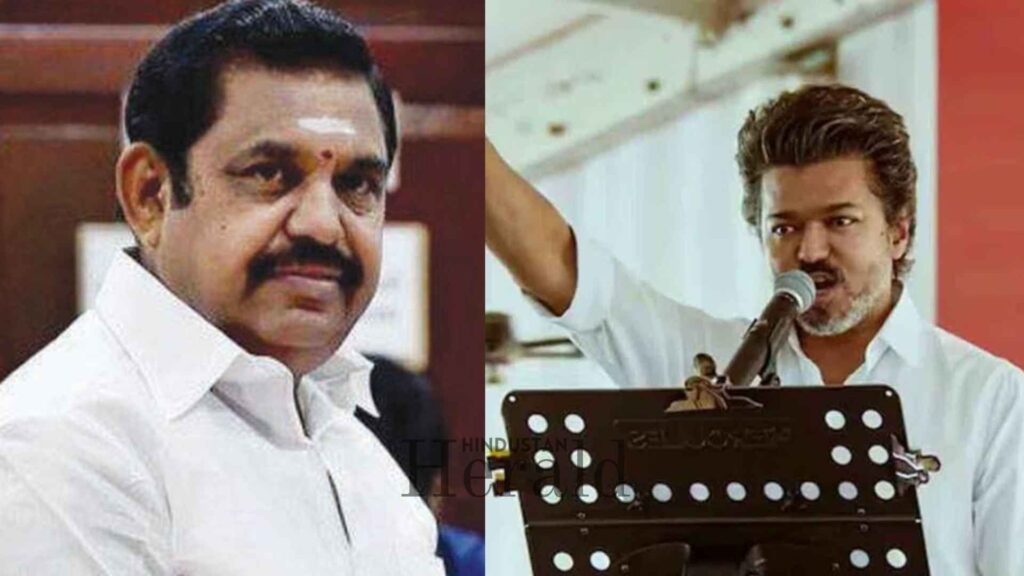
Experienced analysts who have been reading Tamil Nadu elections for decades are not making confident calls this time. The TVK factor, the historically high turnout, the undecided voter bloc, the AIADMK’s rebuilt coalition, the DMK’s incumbency drag, all of it is mixing in ways that do not produce a clean projection.
The biggest question hanging over May 4 is not just who forms the government. It is whether Vijay wins his own seat in Perambur. Whether TVK’s 23 percent vote share, if it holds, converts into actual seats under a first-past-the-post system where you can win 20 percent in every constituency and still end up with very few MLAs. Whether this becomes the foundation of something lasting or an impressive debut that hits a ceiling.
Vijay himself has spoken like someone thinking long term. The TVK messaging has been careful to leave room for the possibility of a strong second-place finish without calling it a defeat. That is either genuine strategic thinking or very good spin. Maybe both.
Tamil Nadu is waiting. The tea is brewing. May 4 is nine days away, and for the first time in a long while, very few people are certain how this ends.
Stay ahead with Hindustan Herald — bringing you trusted news, sharp analysis, and stories that matter across Politics, Business, Technology, Sports, Entertainment, Lifestyle, and more.
Connect with us on Facebook, Instagram, X (Twitter), LinkedIn, YouTube, and join our Telegram community @hindustanherald for real-time updates.

Covers Indian politics, governance, and policy developments with over a decade of experience in political reporting.
- Ananya Sharma

- Ananya Sharma
- Ananya Sharma
- Ananya Sharma

 Sandeep Verma