
 By Ananya Sharma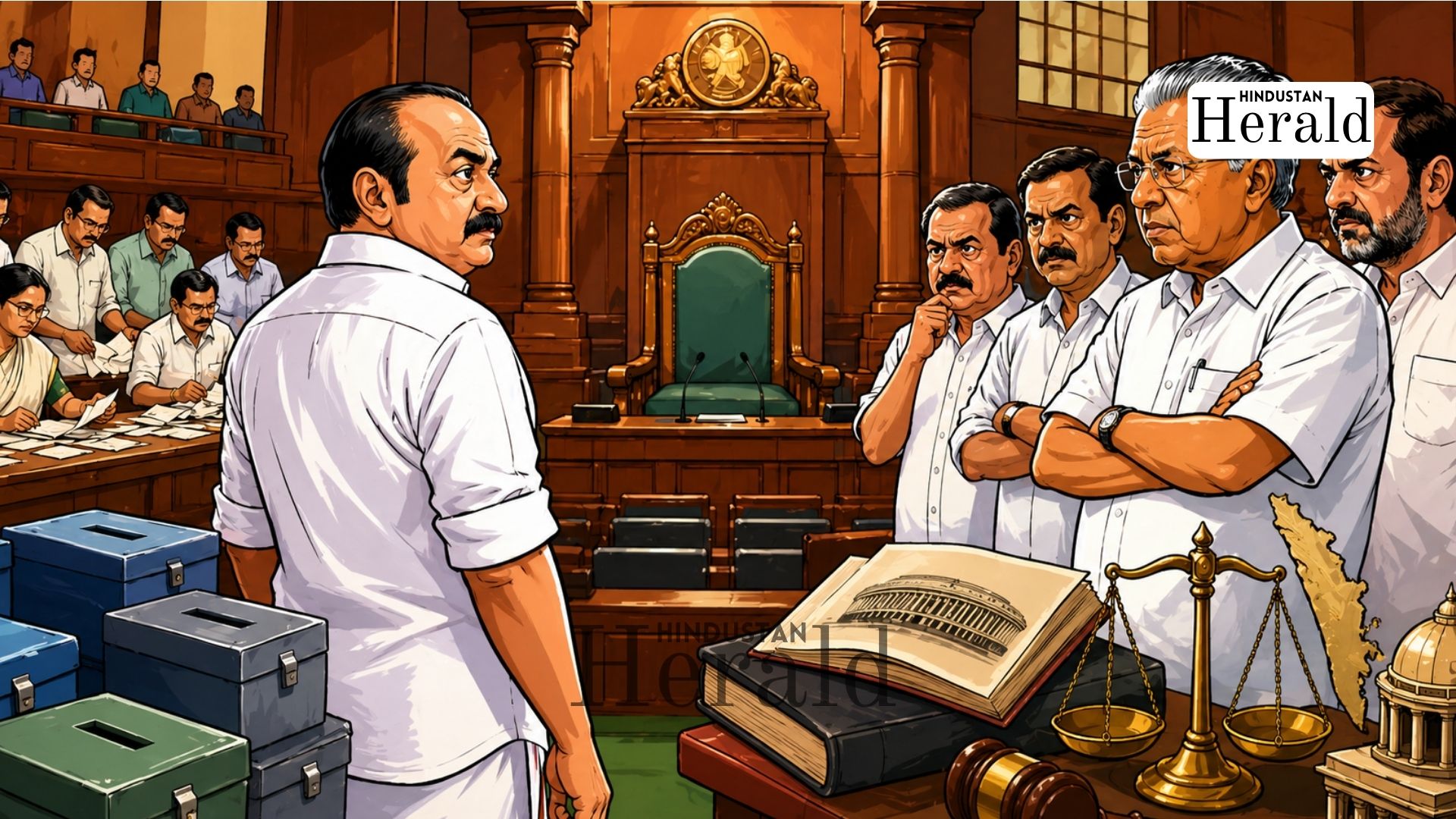
New Delhi, April 27: Seven days from now, Kerala gets its answer. The ballot boxes have been sealed since April 9, the counting halls in Thiruvananthapuram are being quietly readied, and May 4 will settle what has become one of the more genuinely unpredictable state elections India has seen in some time. Both the Left Democratic Front and the Congress-led United Democratic Front are claiming quiet confidence. Neither side is fully convincing.
But somewhere beneath the usual post-poll noise, a different kind of conversation has started. Lawyers, political scientists, a few retired assembly veterans, and some very worried Congress strategists are all circling the same uncomfortable question: what happens to the Leader of the Opposition if the numbers on May 4 leave no one with enough seats to formally claim the post?
It sounds like a procedural footnote. It is not.
A Result That Made History, and Left a Shadow
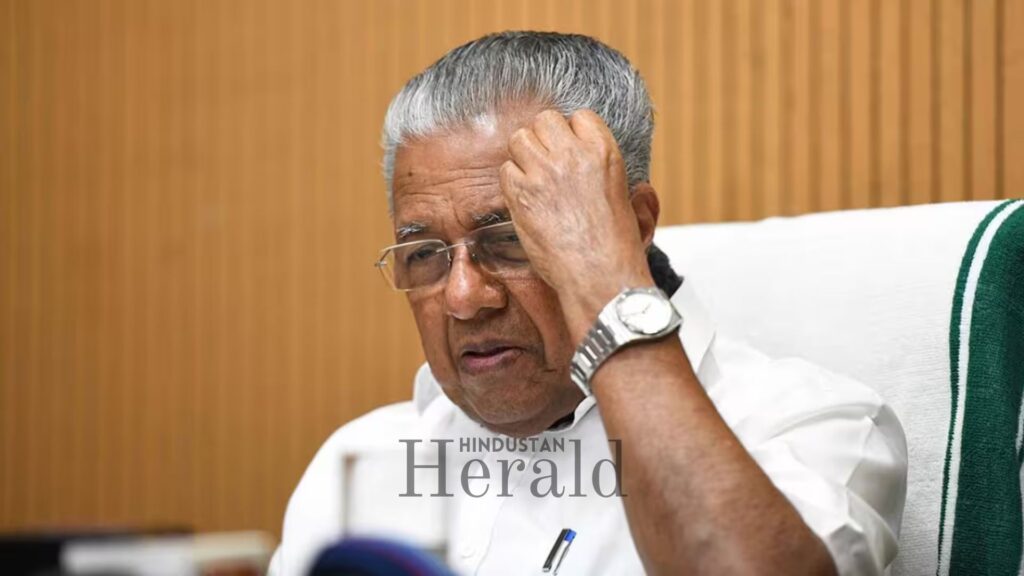
To understand why this question matters now, you have to go back to 2021. The CPI(M)-led LDF did something that had not happened in Kerala since 1977: it won back-to-back terms, and it did not just scrape through. The front came back with 99 of 140 seats. The UDF was reduced to 41. Pinarayi Vijayan returned as Chief Minister, and the Congress, despite holding the opposition leader post through V.D. Satheesan, spent five years in a legislature where the arithmetic was brutally lopsided against it.
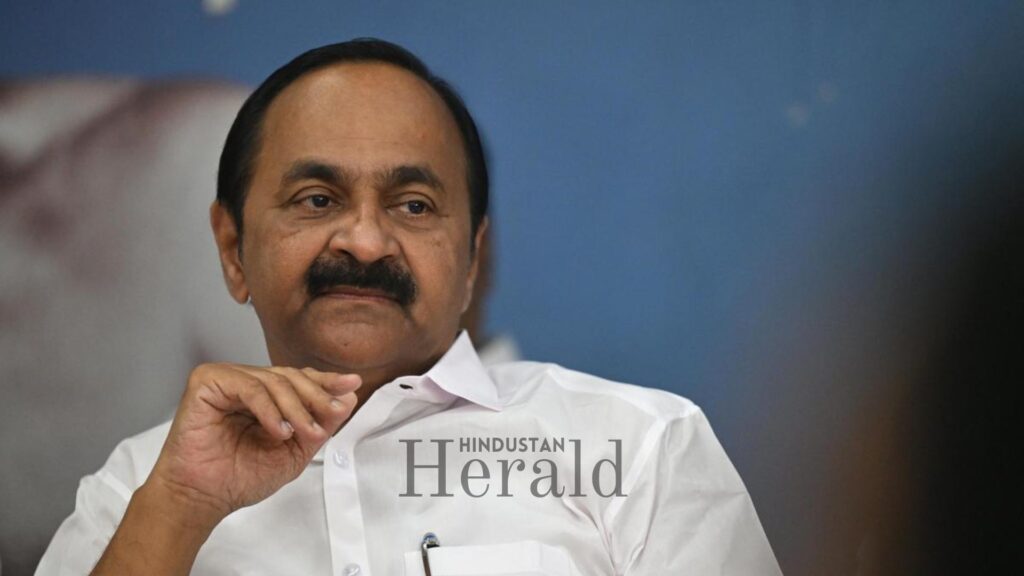
This time, the surveys tell a different story. Pre-poll numbers from multiple agencies have placed both fronts somewhere between 60 and 80 seats each, with the UDF holding a narrow edge in several projections. One survey, as reported by Outlook India, placed the UDF between 69 and 81 seats and the LDF between 57 and 69. Another, cited by the NUS Institute of South Asian Studies, put both alliances even closer, with roughly equal vote shares and neither side breaking away. The NDA barely registers, expected to win somewhere between one and five seats at best.
So yes, the UDF could win. But the LDF could also hold on. And depending on exactly how the seats fall, the question of who leads the opposition, and whether anyone formally does, may not resolve itself as cleanly as most people assume.
The Rule That Is Not Quite a Rule
Here is the thing about the Mavalankar Rule that most political coverage skips over: it was never actually written into law.
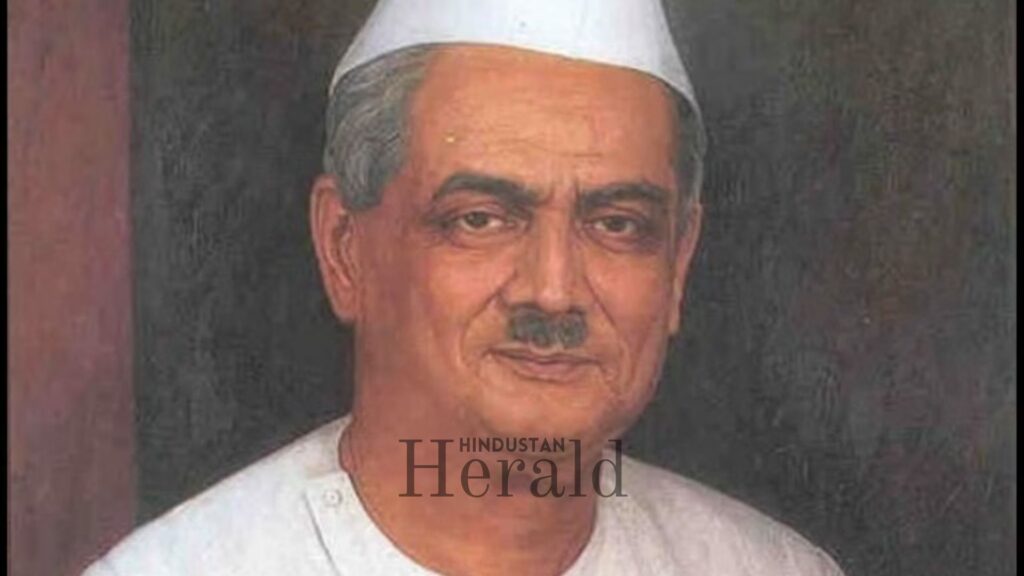
G.V. Mavalankar, the first Speaker of the Lok Sabha, held the view that the main opposition party’s strength should equal the quorum of the House. Over time, this translated into what is commonly described as a 10 per cent threshold, meaning a party needs at least 10 per cent of total assembly seats to have its leader formally recognised as Leader of the Opposition. In Kerala’s 140-seat assembly, that number is 14.
The problem is that the statute governing this post says something rather different. The Salary and Allowances of Leaders of Opposition in Parliament Act, 1977, as legal analysts have repeatedly pointed out, requires the Speaker to recognise the leader of the numerically largest opposition party. Full stop. The 10 per cent condition does not appear in the law. Legal scholars, including commentary published by The Wire, have called the argument that a party needs 10 per cent of House membership to claim the post legally baseless.
And yet, Speakers have applied the threshold for decades. They have done so at their own discretion, and that discretion has not always been exercised with democratic generosity.
The Maharashtra experience from late 2024 is the clearest recent warning of where this leads. Following that state’s assembly elections, the legislature went through multiple sessions without a recognised Leader of the Opposition. The Speaker declined to accept opposition demands. A government resolution was later issued that actually formalised the exclusion further, making 10 per cent membership a requirement even to appoint a chief whip with state facilities, as reported by Business Standard. The opposition was not just weakened. It was structurally diminished inside the House, and there was no easy legal remedy.
Kerala’s political establishment knows about Maharashtra. The concern is real.
What the Post Actually Does
People outside the legislature tend to think of the Leader of the Opposition as a largely symbolic title. Cabinet minister rank, a decent salary, a car and office. That is the surface.
Below it, the LoP is embedded in some of the most important institutional oversight mechanisms the state has. Selection committees for the Lokayukta, for state human rights bodies, for various appointment panels: these formally include the LoP as a member. Without a recognised opposition leader, those committees either function with a vacancy or get reconstituted in ways that reduce their independence. The government of the day fills more of the room.
It also matters inside the chamber itself. A recognised LoP has procedural standing that an unrecognised opposition bloc does not. Question hours, adjournment motions, the pace and seriousness with which the Speaker’s office engages with opposition demands: all of it is affected, at least informally, by whether the largest opposition party has formal recognition or not.
This is not theoretical. It has played out across Indian legislatures before. After the 2014 Lok Sabha elections, the Congress won only 44 seats, well below the 55-seat threshold, and the LoP post sat vacant for a full decade until Rahul Gandhi was finally recognised after the 2024 general elections. Parliamentary accountability during that period was measurably weaker. Key selection committees met without a full LoP. The Lokpal process dragged and stalled. And the government, to put it plainly, faced fewer formal checks inside the House than any administration in the post-Emergency democratic era.
Satheesan, Congress, and What Is Actually on the Line
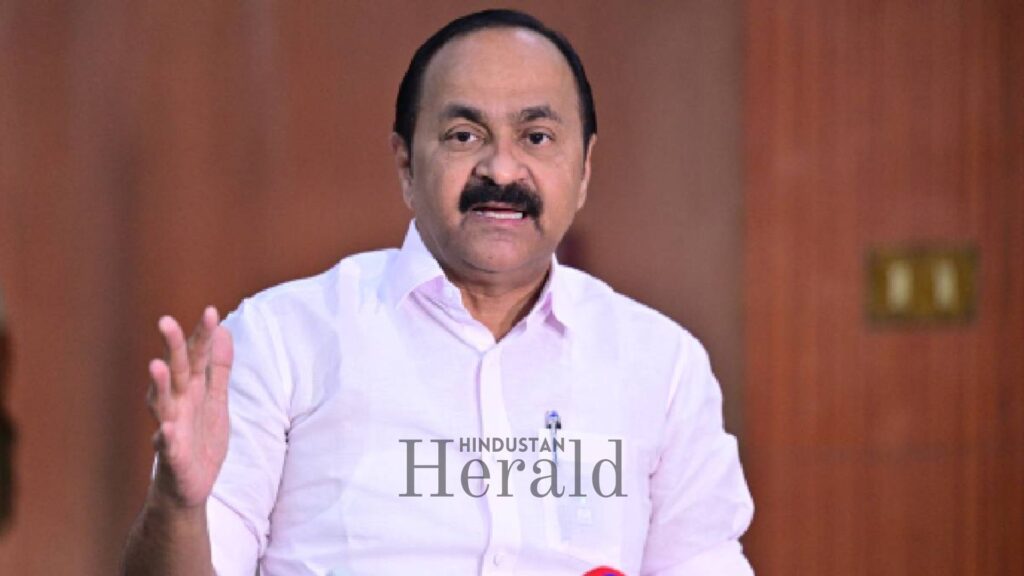
V.D. Satheesan has spent five years as Leader of the Opposition in the Kerala Assembly, and within Congress circles, the verdict on him is mostly positive. He has been more aggressive and more organised than recent predecessors. He kept the UDF’s internal tensions from spilling too visibly into the public. He ran the “Puthuyuga Yathra,” a political march from Kumbla in Kasaragod all the way to Thiruvananthapuram, that gave the UDF campaign some early momentum.
Rahul Gandhi inaugurated the closing event and announced five poll promises. Whether that translated into votes, nobody will know until May 4.
For Satheesan personally, the result is binary. If the UDF wins, he likely becomes Chief Minister, the role the party has been building him toward. If the UDF loses but holds its numbers, he continues as LoP in the new assembly. The scenario he and his party are most anxious about is the one where the LDF wins big enough that the UDF falls below 14 seats. That would put the formal LoP designation in question. It would also likely trigger an internal Congress reckoning that could fracture the Kerala unit at exactly the wrong moment.
Current projections suggest the UDF is unlikely to fall that far. But in a race this tight, current projections are worth treating with caution.
The Deeper Problem Nobody Wants to Fix
The Mavalankar Rule has survived this long because it has mostly been inconvenient only to opposition parties, not to whichever party happened to be in power. Governments have little structural incentive to clarify or codify a rule that, in its current ambiguous form, gives the Speaker considerable room to manoeuvre. And Speakers, in the Indian system, are appointed by and broadly aligned with the ruling majority.
Legal scholars have argued for years that the threshold needs to be explicitly written into statute, with clear language about what happens when no party meets it, how the Speaker must respond, and what recourse the opposition has if recognition is denied. None of that codification has happened at the national level, and most states, including Kerala, have simply inherited the same ambiguity.
The historical precedents are not encouraging. As documented in constitutional law analyses, in 1967 and 1971, the Swatantra Party and the CPI(M) were both denied LoP status in the Lok Sabha despite being the single largest opposition formations, because they fell short of the numerical mark. In 1980 and 1984, the same fate befell the Janata Party and the Telugu Desam Party. Each time, the ruling establishment pointed to convention. Each time, legal opinion was divided. Each time, the opposition had no clean avenue for challenge.
Those who argue that the 10 per cent threshold serves a purpose have a point, in theory. A recognised opposition leader who represents four or five legislators against a government of ninety-plus has limited practical authority. The symbolic weight matters, but the institutional capacity to hold a dominant government accountable from that position is genuinely constrained.
The counter-argument is harder to dismiss. Democratic legitimacy does not come with a qualifying percentage. If voters return a fragmented assembly, that fragmentation is the democratic reality, and the institutions built to ensure accountability have to work within it. Leaving the LoP post vacant is not a neutral outcome. It is a structural advantage for whoever controls the government.
What Happens on May 4
The counting begins early. By mid-morning, the shape of the result will be clear enough. If the UDF crosses 75 or so seats, the conversation ends here. Satheesan or another Congress leader heads to the Chief Minister’s chair, the LDF goes into opposition, and Kerala’s democratic machinery ticks over as normal.
If the LDF holds on with a reduced majority and the UDF sits somewhere in the 55 to 70 seat range, the LoP question again does not arise. Congress retains the post, the legislature functions with a recognisable opposition, and the constitutional debate stays in seminar rooms where it has mostly lived.
The genuinely tense scenario is the outlier: a decisive LDF win that pushes the UDF significantly below its 2021 tally of 41, or a three-way split that leaves no bloc with a comfortable claim. Those outcomes look unlikely based on current surveys. But Kerala has a long history of producing results that made pre-poll analysts look foolish.
For now, the ballots are sealed. The halls are being prepared. The lawyers and the strategists are watching the same numbers that everyone else is. And the question of what a democracy owes its opposition, in formal institutional terms, regardless of how badly they lost, is sitting just beneath the surface of what is already a genuinely consequential election.
May 4 will answer some of it. The rest, as it turns out, India still has not figured out.
Stay ahead with Hindustan Herald — bringing you trusted news, sharp analysis, and stories that matter across Politics, Business, Technology, Sports, Entertainment, Lifestyle, and more.
Connect with us on Facebook, Instagram, X (Twitter), LinkedIn, YouTube, and join our Telegram community @hindustanherald for real-time updates.

Covers Indian politics, governance, and policy developments with over a decade of experience in political reporting.
- Ananya Sharma

- Ananya Sharma
- Ananya Sharma
- Ananya Sharma


 Arun Upadhayay