
 By Ananya Sharma and Kavita Iyer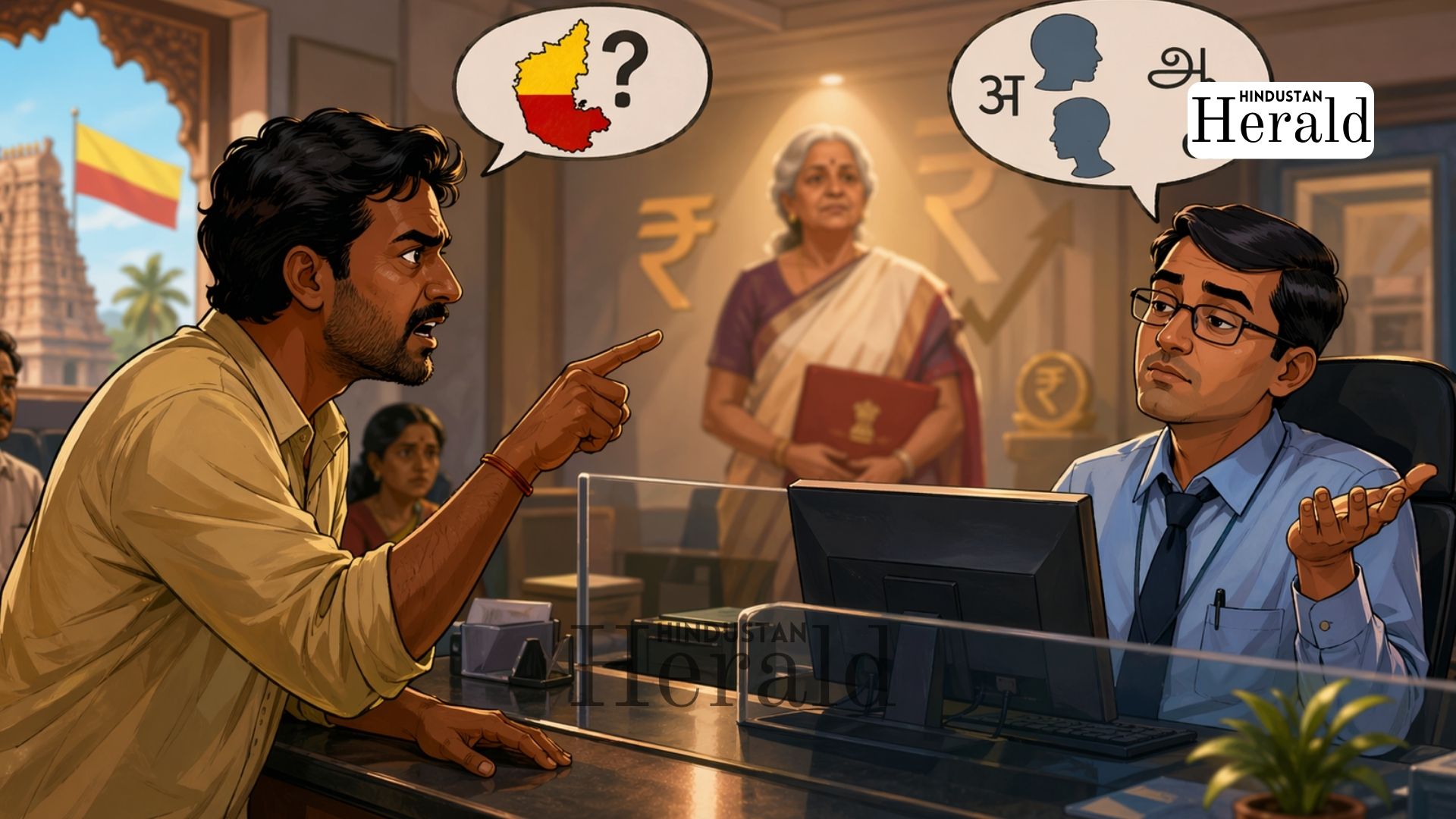
Bengaluru, April 21: A short video clip, barely a minute long, has done what years of policy debates could not quite manage: it has put the question of language rights in Indian banking squarely back on the national stage. The clip, which began circulating on X (formerly Twitter) around April 18, shows a bank staff member in Karnataka flatly refusing to speak Kannada to a customer who walked in for routine service. When the customer pushes back, the staffer’s response is staggering in its casualness. Want Kannada service? Complain to Nirmala Sitharaman.
The Finance Minister’s name, deployed like a dismissal, landed like a spark on dry timber.
The Incident That Set Karnataka Off
Details about the specific branch are still emerging, as per sources tracking the story on social media. But what is visible in the clip is unambiguous. A staff member, reportedly posted from outside Karnataka, declines to engage in the local language, essentially telling the customer that the chain of command for such complaints runs all the way up to the Union Finance Ministry. The remark was either deeply cynical or staggeringly tone-deaf, and it may not matter which, because the fury that followed was the same either way.
The viral post, shared by a user on X with the handle @AaladaMara, was tagged directly at Finance Minister Sitharaman, with the caption pointedly noting that “a bank in Karnataka, where no one knows Kannada, and when asked, they say complain to Nirmala Sitharaman.” The hashtags that accompanied the post, #StopHindiImposition and #IBPS_Mosa, were not accidental choices. They signal something broader than one rude counter clerk. They connect this incident to a long, unresolved political argument about who gets to work in Karnataka’s banks, and in what language.
Not a First, Not a Surprise
To anyone who has followed language politics in Karnataka over the past decade, this incident is grimly familiar. Less than a year ago, in May 2025, a nearly identical situation exploded across the same social media channels. An SBI branch manager at the Surya Nagar branch in Chandapura, on the outskirts of Bengaluru, was caught on camera telling a customer she would never speak Kannada, adding dismissively that “this is India” when reminded that she was serving people in Karnataka.

The SBI manager in that case was identified as Priyanka Singh, posted to the bank’s Surya City branch in Chandapura, Anekal taluk. She was subsequently transferred after the video went viral.
That episode drew condemnation from Karnataka Chief Minister Siddaramaiah, intervention from pro-Kannada outfits, and a formal statement from the SBI. SBI declared a zero-tolerance stance toward behaviour affecting customer sentiment. The bank said the right things. The matter was, as the CM put it at the time, to be treated as closed.
Eleven months later, a different bank, a different staffer, the same script.
The IBPS Connection: Deeper Than It Looks
The hashtag #IBPS_Mosa, used alongside #StopHindiImposition in the viral post, is a direct reference to a grievance Kannadigas have carried for years. It translates roughly to “the IBPS fraud” in Kannada, and it refers to the domicile and language issues surrounding the Institute of Banking Personnel Selection recruitment process.
The argument, as it has been made by political leaders across party lines in Karnataka, is straightforward: when bank recruitment exams are conducted primarily in Hindi and English, and when no regional language proficiency or local domicile requirement exists, the natural outcome is that bank branches across Karnataka get staffed with employees who have no functional connection to the language or the people they serve.
The demand for conducting IBPS exams in regional languages, including Kannada, has been raised repeatedly by MPs from Karnataka and other southern states. Finance Minister Sitharaman herself acknowledged the concern at one point, stating she was taking the matter seriously. That acknowledgement, however, has not translated into any structural change that Kannada advocates consider adequate. The BJP government had issued a notification in 2014 restricting IBPS exams to Hindi and English only, reversing a previous system that permitted regional language options. Multiple Karnataka political figures, across Congress, JD(S) and BJP, have at various points demanded a rollback of that decision.
The staffer who told the customer to “go complain to Nirmala Sitharaman” may not have known the full history of that demand. But the people who saw the clip certainly did.
What RBI Guidelines Actually Say
There is a policy framework on this. The Reserve Bank of India has, over the years, issued circulars emphasizing that banks are expected to communicate with customers in the local language. The RBI’s Customer Service Guidelines and the Banking Ombudsman Scheme both create space for complaints related to inadequate service, including language barriers. In the earlier May 2025 incident, the customer at the SBI branch had specifically cited RBI guidelines to the manager, urging her to respect the local language requirement, only to be met with defiance.
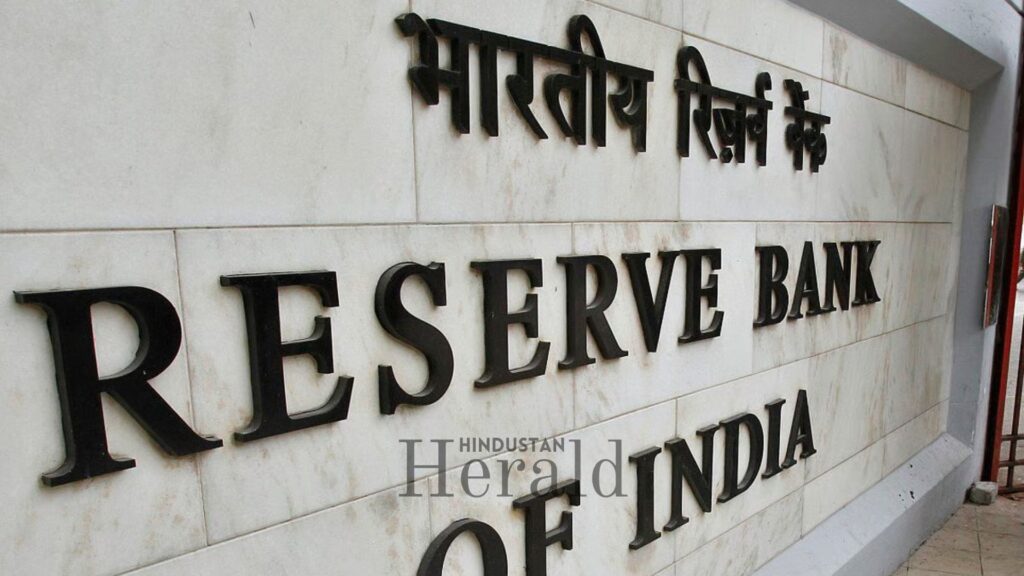
That a customer has to wave RBI guidelines at a bank teller to receive basic service in their own state’s official language is, by itself, a commentary on how hollow the policy framework has become in practice. Guidelines exist. Enforcement does not.
Political Reactions Begin to Build
As of Tuesday, formal political reactions to the April 2026 clip are still taking shape. But the trajectory, based on the pattern from earlier incidents, is easy to read.

In the May 2025 case, BJP’s Bengaluru South MP Tejasvi Surya had publicly stated that the SBI branch manager’s conduct was “simply not acceptable,” adding that employees in customer-facing roles in Karnataka must be able to communicate in the language familiar to locals. That reaction came from the ruling party’s own ranks. It demonstrated that the language question in Karnataka cuts across political lines and cannot be reduced to a Congress-versus-BJP frame.
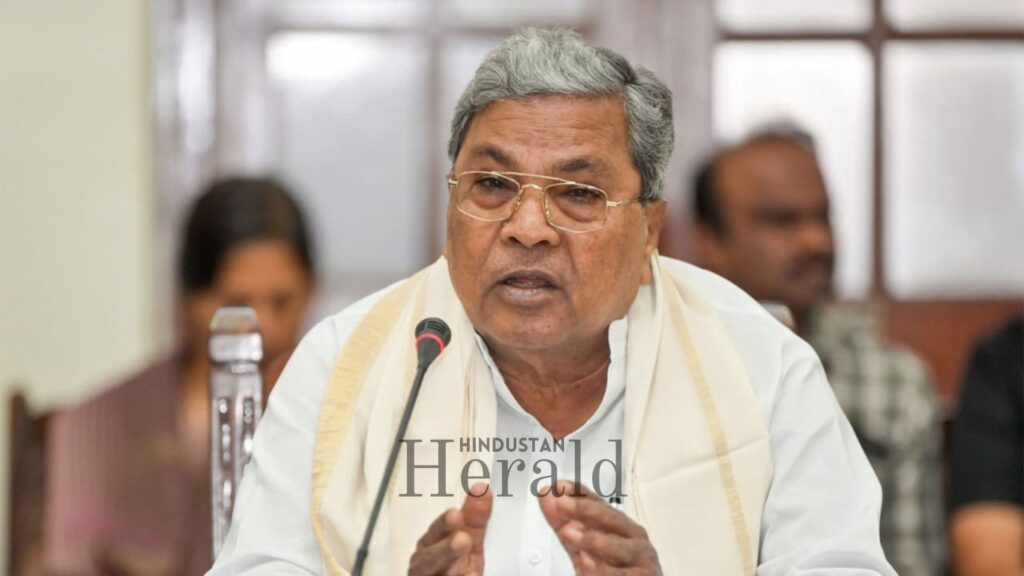
Chief Minister Siddaramaiah had, during the May 2025 episode, urged the Ministry of Finance and the Department of Financial Services to mandate cultural and language sensitization training for all bank staff across the country. That recommendation was made, noted, and apparently not acted upon in any meaningful way before April 2026 delivered a fresh reminder of why it mattered.
The Phrase That Did the Most Damage
Of all the elements in this new episode, it is that one line that has done the most to inflame sentiment: “Go complain to Nirmala Sitharaman.”
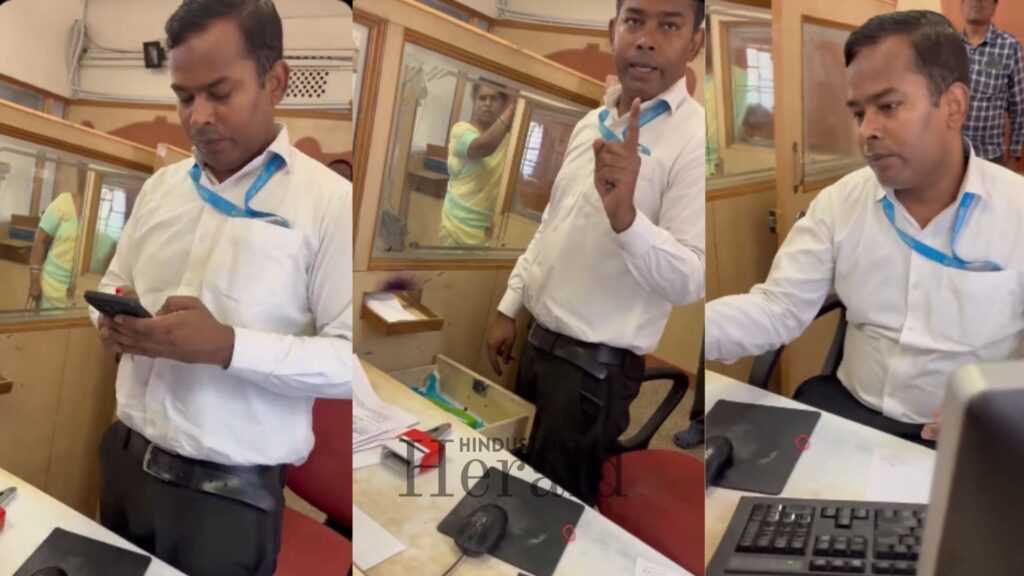
It is worth sitting with that for a moment. A front-line bank employee, unable or unwilling to serve a customer in the local language, pointed upward to the Finance Minister as though the chain of accountability were somehow the customer’s problem to navigate. The remark simultaneously acknowledged that there is a policy framework governing language use in banks and treated that framework as something distant and irrelevant to the counter at which she stood.
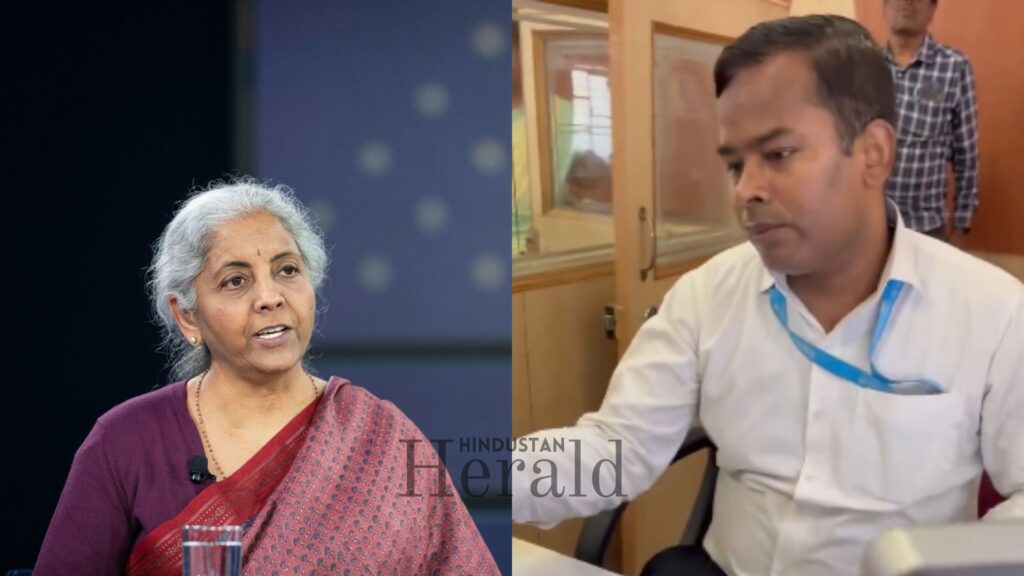
For Kannada activists, the remark landed as confirmation of what they have been saying for years: that Hindi-speaking bank staff working in Karnataka view themselves as operating under a different, higher authority than the state they are serving in. That the Finance Minister’s name could be invoked as a kind of shield against a language request is, in their reading, evidence of precisely the institutional indifference they have been protesting.
It is worth noting, for context, that Nirmala Sitharaman herself represents Karnataka in the Rajya Sabha and was born into a Tamil-speaking family. She is not, by any stretch, a symbol of Hindi imposition. The staffer’s remark, then, was probably not a political statement. It was more likely an expression of bureaucratic shrug: the rules are set elsewhere, by people above me, so your complaint should go there too. That reading does not make it less infuriating.
A Pattern That Policy Has Failed to Break
What makes this episode significant is not the incident itself. Front-line service failures happen everywhere. What makes it significant is the pattern.
Karnataka has now seen, in the span of less than a year, at least two highly publicized incidents of bank staff refusing to serve customers in Kannada, dismissing language requests with contempt, and triggering statewide outrage. The 2025 case ended with a transfer, an apology in Kannada, and a “zero tolerance” statement from SBI. The pro-Kannada organization Karnataka Rakshana Vedike (KRV) had called for statewide protests and marches to SBI offices, pointing to what it described as a systemic pattern of disrespect toward Kannada-speaking customers across the banking sector.
If those protests and that statement produced any lasting structural change in how banks recruit, train, or orient staff for Karnataka postings, there is no visible evidence of it in April 2026.
What Would Actually Fix This
The underlying problem is not rudeness. Rude employees exist in every sector and every country. The problem is that the system that recruits bank staff for Karnataka does not treat Kannada proficiency as a meaningful criterion. An employee posted to a branch in Chandapura or Anekal, or any other part of the state can arrive with no working knowledge of the local language and face no professional consequence for it, because the institutional structure does not require otherwise.
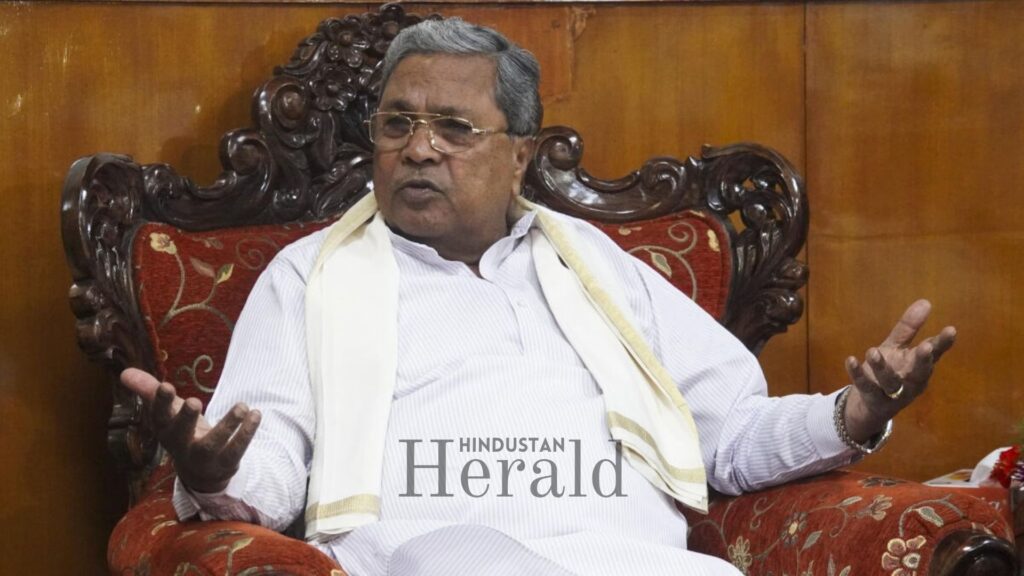
Fixing this would require action at the level of the Finance Ministry and IBPS: restoring regional language options in recruitment exams, making local language proficiency a stated requirement for customer-facing postings in non-Hindi states, and building language sensitization into the onboarding process for bank staff. CM Siddaramaiah made exactly this recommendation in 2025. The recommendation was directed at the Finance Ministry and the Department of Financial Services. As of today, it remains a recommendation.
For now, Karnataka is watching the latest video circulate, waiting to see which bank this involves and what action follows. The politics will heat up in the coming days. Pro-Kannada groups will march, politicians will issue statements, and the bank in question will likely issue a regret-laden press release. What will not happen, unless something structurally changes, is any guarantee that the incident will not repeat itself.
That, ultimately, is the story the “go complain to Nirmala Sitharaman” clip is really telling. Not one rude staffer. An entire system that has not yet decided whether the people of Karnataka deserve to be served in their own language.
Stay ahead with Hindustan Herald — bringing you trusted news, sharp analysis, and stories that matter across Politics, Business, Technology, Sports, Entertainment, Lifestyle, and more.
Connect with us on Facebook, Instagram, X (Twitter), LinkedIn, YouTube, and join our Telegram community @hindustanherald for real-time updates.

Covers Indian politics, governance, and policy developments with over a decade of experience in political reporting.
- Ananya Sharma

- Ananya Sharma
- Ananya Sharma
- Ananya Sharma





Former financial consultant turned journalist, reporting on markets, industry trends, and economic policy.
- Kavita Iyer
- Kavita Iyer
- Kavita Iyer
- Kavita Iyer




 Shelesh Joshi and Kavita Iyer