 By Shelesh Joshi and Kavita Iyer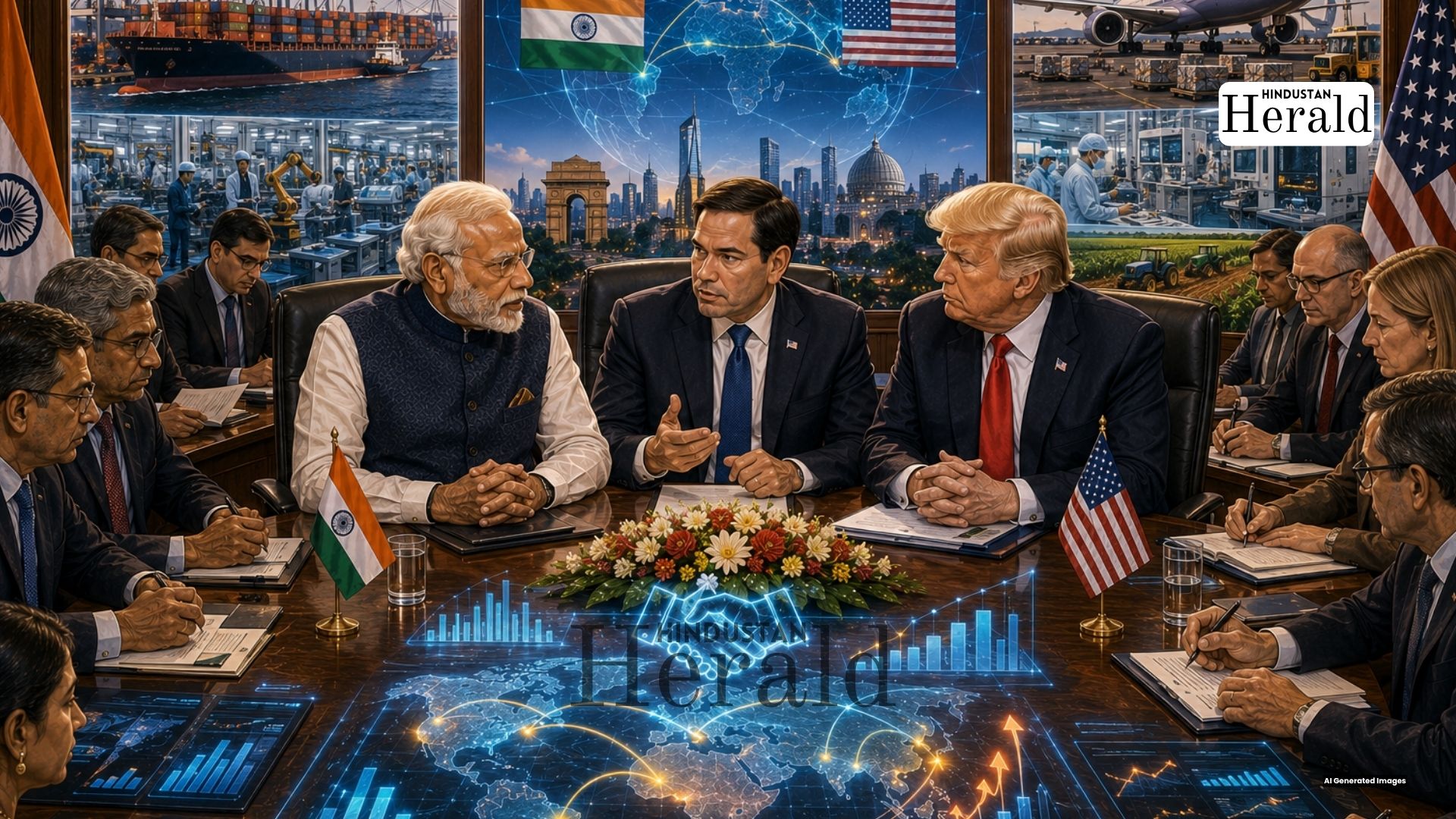
New Delhi, June 4: There is a particular kind of quiet that settles over a trade negotiation when both sides have finally decided they want it done. Not the loud optimism of early rounds, when ministers speak in grand timelines and press releases carry phrases like “historic momentum.” Something steadier. More deliberate. The kind of quiet where people stop grandstanding and start counting words in legal clauses. That is where India and the United States appear to be right now.
This week, US Secretary of State Marco Rubio sat before the House Foreign Affairs Committee in Washington and said, without much fanfare, that both countries were a few weeks away from concluding their trade agreement. He did not qualify it heavily. He did not hedge it behind a dozen diplomatic caveats. He simply said both sides want to see it done and that the final details were being worked through. Across the ocean, in a government building on Rafi Marg in New Delhi, the two countries’ chief negotiators were doing exactly that.
Quick Summary
- US Secretary of State Marco Rubio told a congressional hearing on June 3 that the India-US trade deal was just “a few weeks away” from conclusion.
- US Ambassador Sergio Gor has publicly stated that 99 per cent of the bilateral trade pact text is now in place, with only final legal and technical issues remaining.
- India’s goods exports to the US reached USD 87.3 billion in FY2025-26, while US imports into India surged 15.95 per cent to USD 52.9 billion in the same period.
- The February 2026 interim framework already brought US tariffs on Indian goods down from 50 per cent to 18 per cent, immediately benefiting exporters across six major sectors.
- “Mission 500” the joint goal declared by Prime Minister Narendra Modi and President Donald Trump targets total bilateral trade of USD 500 billion by 2030, more than double current levels.
- The USTR’s proposed Section 301 tariff of 12.5 per cent on 54 economies including India, linked to forced labour concerns, now runs as an uncomfortable parallel track alongside the main deal negotiations.
What Is Actually Happening in New Delhi This Week
Brendan Lynch, the US chief negotiator, landed in New Delhi with his team to sit across from India’s Darpan Jain, Additional Secretary in the Department of Commerce, for what the Ministry of Commerce described as discussions aimed at finalising the interim trade agreement and advancing the broader Bilateral Trade Agreement, commonly referred to as the BTA.
The talks at Vanijya Bhavan were scheduled to run from June 2 to June 4. The agenda, as the ministry laid it out, covered market access, non-tariff measures, customs and trade facilitation, investment promotion, and something the two sides have been increasingly vocal about economic security alignment.
That last phrase is worth pausing on. A year ago, “economic security” barely featured in the official language around this deal. Now it anchors nearly every public statement from both governments. The shift reflects how completely the global trade conversation has changed since 2025 and how much of what is being negotiated here goes beyond simple tariff arithmetic. Marco Rubio says India-US trade deal weeks away.
The US Secretary of State made that clear before the House Foreign Affairs Committee in Washington on June 3. He did not qualify it. He did not wrap it in diplomatic cushioning. Both sides want it done, he said, and the final details are being worked through. For a negotiation that has survived missed deadlines, legal upheavals, and a constantly shifting tariff landscape for over a year, a sitting Secretary of State saying that plainly on the record, under oath, before a legislative body is not a small thing.
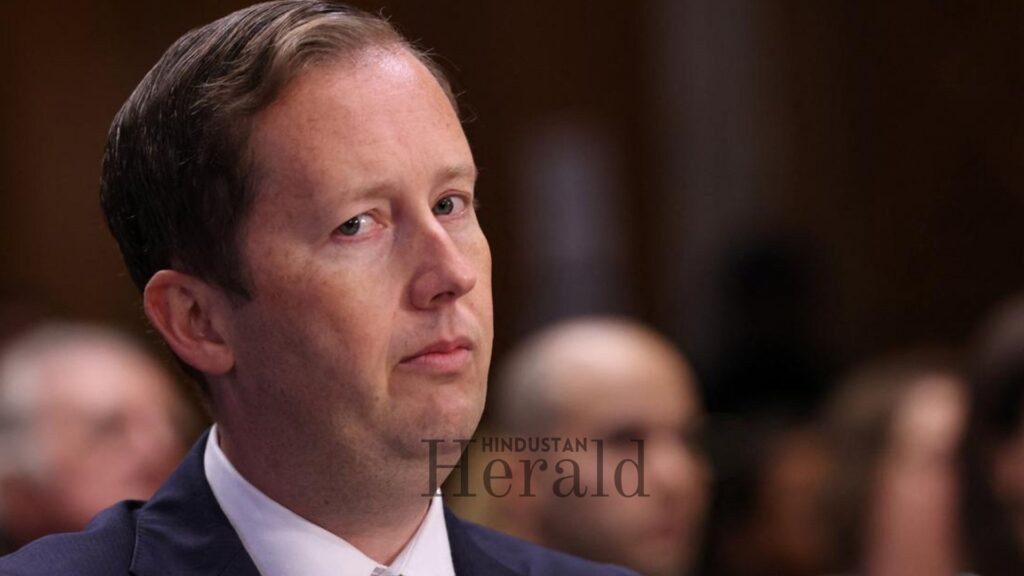
US Ambassador Sergio Gor, who has been unusually candid throughout this process, told reporters that 99 per cent of the trade pact is already in place. The remaining one per cent, he acknowledged, involves technical and legal fine-tuning. In any other context, one per cent sounds trivial. In a trade deal, it can mean anything from a minor definitional adjustment to a fundamental disagreement dressed up in polite language.
That said, the presence of both teams in the same room, the Rubio statement, and Gor’s public assessment together form the clearest signal this negotiation has produced in over a year.
How It Got to This Point
The formal story of this deal starts in February 2026, when Prime Minister Narendra Modi visited Washington and sat down with President Donald Trump.
The two leaders announced what they called “Mission 500” a joint commitment to more than double total bilateral trade to USD 500 billion by 2030. They also agreed to negotiate the first tranche of a multi-sector BTA and committed to naming senior representatives to drive that process.
On February 7, both governments released a joint statement formalising the contours of that framework. The statement was notable not just for what it said but for what it had taken to get there. Trump had spent much of 2025 calling India the “tariff king.” He had imposed a 26 per cent reciprocal tariff on Indian goods in April 2025, suspended it for 90 days, watched negotiations crawl, and then seen the broader tariff landscape shift dramatically when American courts struck down his emergency-powers tariff authority. The February 2026 framework was, in many ways, a reset.
Under it, US tariffs on Indian goods came down from 50 per cent to 18 per cent a reduction that Commerce Minister Piyush Goyal announced at a press briefing in New Delhi, noting that India now faced lower tariff rates than China, Pakistan, Bangladesh, and Vietnam. For Indian exporters, that competitive positioning matters more than the raw number.
The Federation of Indian Export Organisations, known as FIEO, called it a historic milestone. Its president at the time pointed specifically to the relief it would bring to MSMEs, and to sectors including engineering goods, textiles, pharmaceuticals, chemicals, leather, gems and jewellery, and agricultural products.
Markets responded. The rupee jumped over 1 per cent on the day of the announcement. The Nifty 50 surged up to 5 per cent as investor sentiment swung sharply in favour of export-oriented Indian equities.
The Trade Numbers Behind the Urgency
There is a reason both governments have stayed at this table through missed deadlines, legal upheavals, and a fairly constant stream of competing provocations.
India’s outbound shipments to the US reached USD 87.3 billion in FY2025-26, according to Ministry of Commerce data, with growth of just 0.92 per cent a slowdown that reflects the drag of elevated tariffs and global demand softness. US imports into India, meanwhile, rose sharply at 15.95 per cent to USD 52.9 billion, a shift that reflects India’s deliberate move toward buying more American energy, defence equipment, and agricultural commodities.
The result is that India’s goods trade surplus with the US narrowed to USD 34.4 billion in FY26, compared to USD 40.89 billion the year before.
Washington notices these numbers. The compression of that surplus has given US trade negotiators room to justify offering India better terms, because they can point to movement on the underlying imbalance that originally fuelled the tariff confrontation.
Two-way goods and services trade between the two countries reached USD 212.3 billion in 2024, per US government estimates. The US accounts for roughly 18 per cent of India’s total goods exports. Any formalised change to how that trade is taxed will ripple across Indian industry in ways that are both immediate and structural.
What Indian Exporters Are Actually Getting
For anyone trying to understand what this deal means in practice beyond the summit language and the diplomatic press releases the sector-by-sector breakdown is where the substance lives.
On agriculture, India has managed to do something it has historically struggled with in trade negotiations: protect sensitive domestic sectors while simultaneously unlocking meaningful export access in the other country’s market.
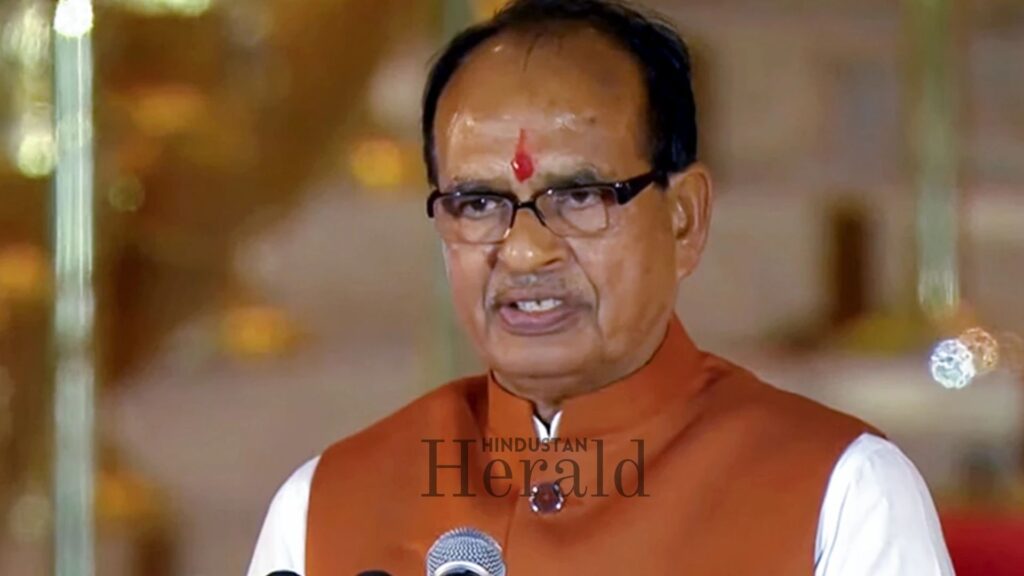
Agriculture Minister Shivraj Singh Chouhan described the agricultural provisions as “historic and unprecedented” not words ministers typically reach for unless they believe them, or at least believe their farming constituency needs to hear them.
The US has agreed to apply zero additional duty on a range of Indian agricultural exports. The list includes spices, tea, coffee, cashew nuts, coconut oil, avocado, banana, mango, kiwi, papaya, guava, mushrooms, and select cereals including barley, according to All India Radio’s reporting on the government’s press briefing. For Indian farmers producing these commodities, it means entering the world’s largest consumer market without the tax penalty that has historically constrained their competitiveness.
At the same time, India has placed dairy, wheat, rice, maize, sugar, soybean, and poultry on a strict negative list meaning no tariff concessions. The ban on genetically modified maize and soybean, a longstanding non-negotiable for India, also remains intact under the framework.
On the industrial side, the agreement has secured zero additional duty access for Indian industrial exports valued at USD 38 billion, according to Ventura Securities’ analysis of the trade framework.
The textiles sector is among the clearest winners. The Ministry of Textiles has stated the agreement opens a USD 118 billion global import market for Indian textiles, apparel, and made-ups. The US already absorbs roughly USD 10.5 billion of Indian textile exports annually about 70 per cent of it in apparel. The 18 per cent tariff structure places Indian textile exporters ahead of competitors in a market where Bangladesh and Vietnam had previously enjoyed structural advantages.
Pharmaceuticals, which account for close to USD 9.8 billion in annual exports to the US, benefit from a more stable tariff environment after a year in which the sector had been watching Washington’s policy signals with mounting anxiety. Indian generic manufacturers supply a substantial share of the American generic drugs market. Tariff certainty here is not just about margins it is about investment decisions that play out over years.
Goyal’s Strategy Has Been Consistent
One thing that stands out when you trace this negotiation from the outside is how disciplined Piyush Goyal has been in his public positioning.
He has been willing to project optimism without giving away India’s floor. He has consistently pushed the idea of capturing low-hanging fruits first rather than waiting for a perfect comprehensive agreement — a philosophy he has attributed partly to his experience with the India-Australia interim trade deal, which both countries implemented early and are now separately expanding.
When asked repeatedly about timelines, Goyal has offered a version of the same answer: the deal will happen when it is fair, equitable, and balanced. Not before. That is a negotiating position as much as it is a statement of principle, and it has served India reasonably well in keeping US negotiators honest about what they are offering in exchange for India’s market concessions.
His engagement with the American business community has also been deliberate. As reported by Business Standard, Goyal hosted a closed-door roundtable in New York with over 50 prominent business and industry leaders, highlighting India’s growth story and reform trajectory. These conversations matter because US business lobbies carry weight with the USTR, and having American CEOs bullish on India’s reform environment makes the political case for a generous trade deal easier to make in Washington.
The Section 301 Problem That Will Not Wait
Here is where the picture gets complicated in a way that neither government has been entirely transparent about. On March 11 and 12, 2026, the Office of the US Trade Representative launched two separate Section 301 investigations covering 60 economies, including India. One probe focused on forced labour in global supply chains. The other targeted excess industrial capacity.
On June 2 the same day Lynch and Jain sat down at Vanijya Bhavan the USTR released findings from the forced labour investigation. Its proposal: an additional 12.5 per cent tariff on imports from 54 countries, India included, for allegedly failing to enforce bans on goods produced with forced labour.
The timing was, at best, unfortunate. At worst, it was a deliberate pressure tactic from the US side to keep India’s negotiators uncomfortable.
Think tank Global Trade Research Initiative pushed back hard on the proposal’s legal basis, arguing in a note reported by Business Standard that the investigation exceeds the proper scope of Section 301, which is meant to address market-access barriers faced by US firms in the target country not what that country imports from elsewhere. GTRI also pointed out that the proposed 12.5 per cent tariff would violate the US’s own WTO commitments.
The proposal is still in the consultation phase. Written comments are due by July 6. The USTR hearing is scheduled for July 7. A final determination could come before July 24, when certain other temporary US tariff measures are also set to expire.
India has acknowledged the investigation while refusing to let it derail the BTA timeline. The Commerce Ministry’s language has been precise: the government is engaged with the US on Section 301 “parallelly” to the interim agreement finalisation. That word parallelly is doing a lot of diplomatic work. It separates the two tracks without pretending they have nothing to do with each other.
The honest reality is that if the Section 301 tariff goes into effect before the BTA is concluded, it will add complexity to a legal text that both sides are already working hard to stabilise. It may not kill the deal. But it will make the final mile longer.
Where India Fits in America’s Bigger Play
Stepping back from the clause-level negotiations for a moment, the India-US trade deal is best understood as one visible piece of a much larger restructuring of global economic relationships.
Washington has spent the past two years making it explicit that it wants supply chains less dependent on China. India with its scale, its English-language workforce, its growing manufacturing base, and its democratic governance is the most credible alternative that exists at any comparable size.
Rubio made this connection explicitly in his congressional testimony, describing India as a critical Indo-Pacific partner and highlighting the Quad framework as evidence of a deepening relationship that goes well beyond trade. The deal, in his framing, is not just an economic instrument. It is a strategic signal.
For Indian industry, the implications of that framing are significant. A formalised, preferential trade framework with the US does not just lower tariffs on existing exports. It changes how global manufacturers evaluate India as a production destination. Greenfield investments in electronics, semiconductors, pharmaceuticals, and advanced manufacturing sectors where the US wants trusted partners become easier to justify when the trade access framework is stable and preferential.
India’s stated goal of reaching USD 2 trillion in goods exports by the early 2030s requires exactly this kind of structural shift in how global capital views the country as an export platform.
The Final Stretch And What Could Still Go Wrong
Trade deals have a particular talent for appearing finished before they are. The “99 per cent complete” framing that Ambassador Gor used this week is encouraging. So is Goyal’s confirmation that major points are settled. So is Rubio’s congressional statement, which carries political weight precisely because it was made under oath to a legislative body not at a press conference where diplomatic language can absorb ambiguity.
And yet. The remaining legal text work is genuinely technical and genuinely consequential. Tariff schedule granularities, safeguard mechanisms, dispute resolution clauses, rules of origin specifications these are the kinds of details that sound dry until one of them collapses a deal that was “99 per cent done.”
The Section 301 process adds a live variable that neither government controls entirely. Courts have already struck down parts of the Trump administration’s tariff architecture once. The legal landscape around US trade authority is in genuine flux, and that uncertainty has to be reflected somewhere in the BTA text.
India’s domestic political considerations also remain real. Any agreement that is perceived as exposing Indian farmers, fishermen, or small industry to unfair competition will face resistance in Parliament, in the press, and on the ground. Goyal’s consistent emphasis on fairness and balance is partly a public communication strategy, but it also reflects a genuine constraint on how far India can go in its concessions.
For now, though, the direction of travel is clear. Both governments want this done. The negotiating teams are in the room. The framework is largely settled. The ambition USD 500 billion in bilateral trade by 2030 is stated, public, and politically owned by the heads of both governments.
Whether it lands in the next few weeks or stretches into August is almost a secondary question at this point. The deal is coming. The only thing left to determine is exactly how many more days of legal text review stand between where we are now and the announcement that both sides have been building toward for the better part of two years.
Stay ahead with Hindustan Herald — bringing you trusted news, sharp analysis, and stories that matter across Politics, Business, Technology, Sports, Entertainment, Lifestyle, and more.
Connect with us on Facebook, Instagram, X (Twitter), LinkedIn, YouTube, and join our Telegram community @hindustanherald for real-time updates.

Tracking world politics, global markets, trade movements, policy decisions, and the changing balance of economic power.
- Shelesh Joshi

- Shelesh Joshi
- Shelesh Joshi
- Shelesh Joshi





Former financial consultant turned journalist, reporting on markets, industry trends, and economic policy.
- Kavita Iyer
- Kavita Iyer
- Kavita Iyer
- Kavita Iyer