 By Shelesh Joshi and Rajiv Menon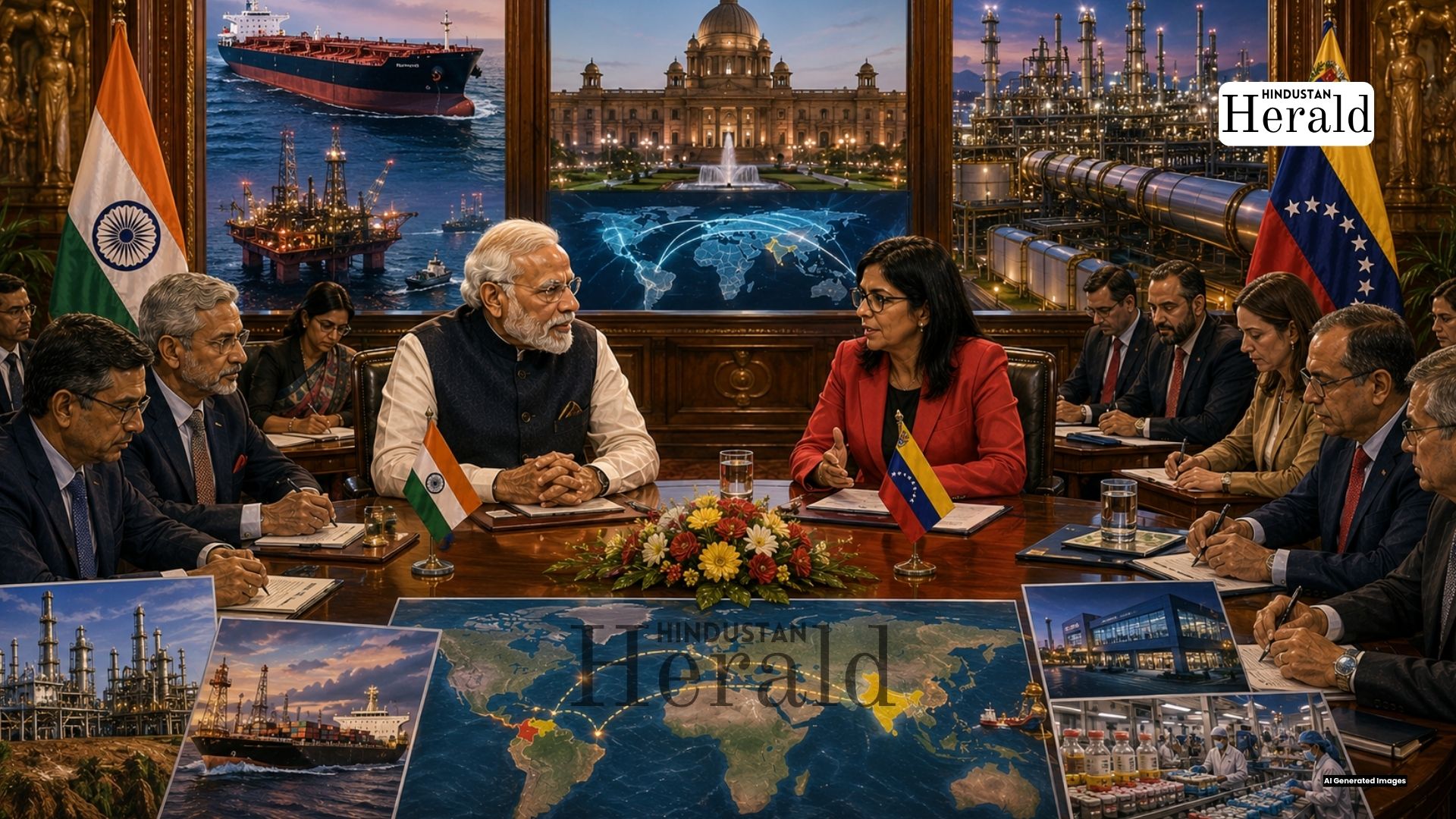
New Delhi, June 4: India-Venezuela Relations have never made the front page but on Thursday, Prime Minister Modi sat down with Venezuelan Acting President Delcy Rodriguez at Hyderabad House, and she brought five ministers with her. Six visits, nearly USD 800 million in oil investments, and a relationship that keeps growing despite American sanctions, unpaid dividends, and a direct tariff threat from Washington. The country is far away, it has been in various stages of political and economic crisis for years, and it carries the permanent complication of being under American sanctions. On paper, it is the kind of relationship that should be politely maintained but never really prioritised. So why has Delcy Rodriguez been to India six times?
She was here in 2015. Then 2019. Then 2023, 2024, 2025. And now again, this week, as Venezuela’s Acting President, with five ministers beside her and a schedule that runs through June 7. On Thursday she sat down with Prime Minister Modi at Hyderabad House, and the meeting went on long enough for External Affairs Minister Jaishankar and Foreign Secretary Vikram Misri to both be present.
You do not fly that delegation across two continents for a courtesy call. Something is happening here, and it has been happening for a while.
Quick Summary
- Bilateral trade between India and Venezuela stood at USD 678.94 million in FY 2025-26, according to the Ministry of External Affairs.
- Venezuela became the third-largest supplier of crude oil to India in May 2026, as confirmed by the MEA in its official briefing.
- Indian crude imports from Venezuela climbed to approximately 283,000 barrels per day in April 2026, the highest since March 2020, per data from energy analytics firm Kpler, as reported by Energy Connects.
- As of March 31, 2025, ONGC’s cumulative investment in Venezuela stood at approximately USD 770 million, according to S&P Global Energy CERA.
- This is Delcy Rodriguez’s sixth visit to India, having previously visited in 2015, 2019, 2023, 2024, and 2025, as confirmed by the MEA.
- The San Cristobal project owes a pending dividend of approximately USD 600 million to ONGC Videsh Ltd, as reported by Business Standard.
Look at Who Came
Before anything else, look at the delegation. According to the MEA, Rodriguez arrived with Venezuela’s Ministers of Foreign Affairs, Economy and Finance, Science and Technology, Communication and Information, and Transportation. All five here at the same time, in the same city, touring Indian factories and facilities connected to energy, pharma, and automobiles.
That is not a support staff. Those are decision-makers with specific portfolios who were apparently told to come, look, and figure out what India and Venezuela can actually do together. The MEA confirmed the delegation toured sites connected to India’s energy, pharmaceutical, and automotive sectors, specifically to assess capabilities and identify collaboration opportunities.
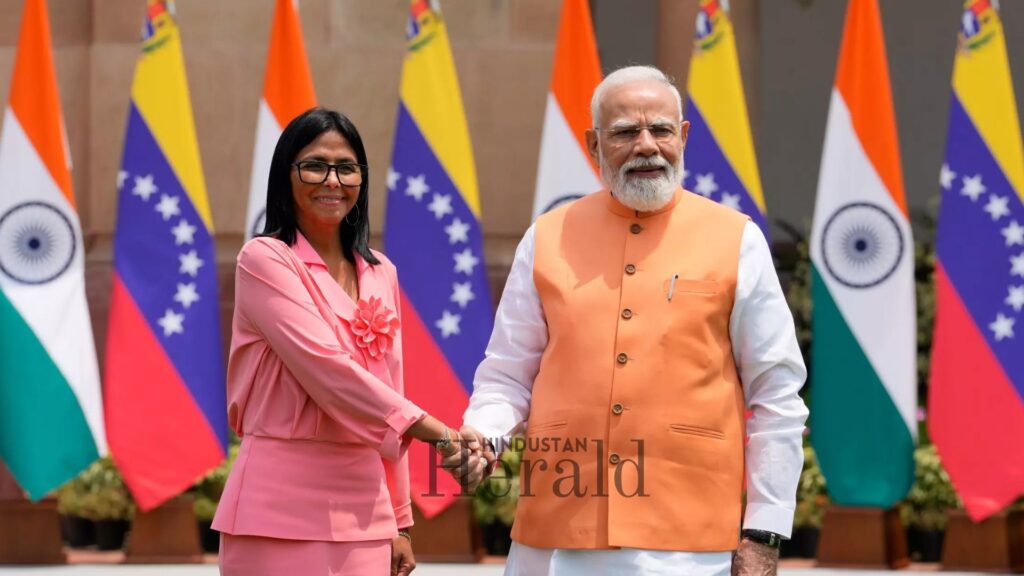
There is a difference between a country that sends its leader with a small team to exchange warm words, and a country that sends its leader with five ministers to conduct sectoral assessments. This was the second kind of visit.
It was also, technically, a restructured visit. It had originally been built around the International Big Cat Alliance Summit, which was deferred from June 1. The easy thing would have been to push the whole trip to a later date. Instead both governments kept it, rebuilt the itinerary, and proceeded. As reported by ANI, the MEA confirmed the visit “will further deepen India-Venezuela ties and build on the momentum in the bilateral partnership.” The word momentum is doing real work in that sentence.
Third Largest. Let That Sink In.
The most important number from this visit does not appear in the headlines. It was quietly included in the MEA’s briefing ahead of the talks. According to the MEA, Venezuela was India’s third-largest supplier of crude oil in May 2026. Third. Largest.
This is a country that was essentially locked out of India’s energy import market for years. US sanctions on Caracas had made Indian refiners deeply cautious. The compliance risk was real, the American pressure was real, and most Indian buyers quietly moved their procurement elsewhere. China kept buying Venezuelan crude because Beijing was less worried about what Washington thought. India largely pulled back. What changed was brutal and sudden.
As reported by Energy Connects, the Iran conflict blocked the Strait of Hormuz, the narrow waterway through which roughly 40 per cent of India’s oil had been flowing. India imports about 90 per cent of all the crude it burns, according to Energy Connects. When that route was disrupted, the gaps in India’s energy strategy stopped being theoretical. Venezuela had the oil. The sanctions environment had shifted just enough to make procurement possible. India moved.
According to Kpler data reported by Energy Connects, Venezuelan crude arriving in India reached approximately 283,000 barrels a day in April 2026, the highest since March 2020. The same firm projected June arrivals could climb toward 380,000 barrels a day. As reported by S&P Global Energy, India’s first Venezuelan cargo in over a year arrived in April 2026, after the sanctions situation eased enough for the transaction to proceed. One tanker became the starting gun for a rapid, substantial shift in where India was sourcing its energy.
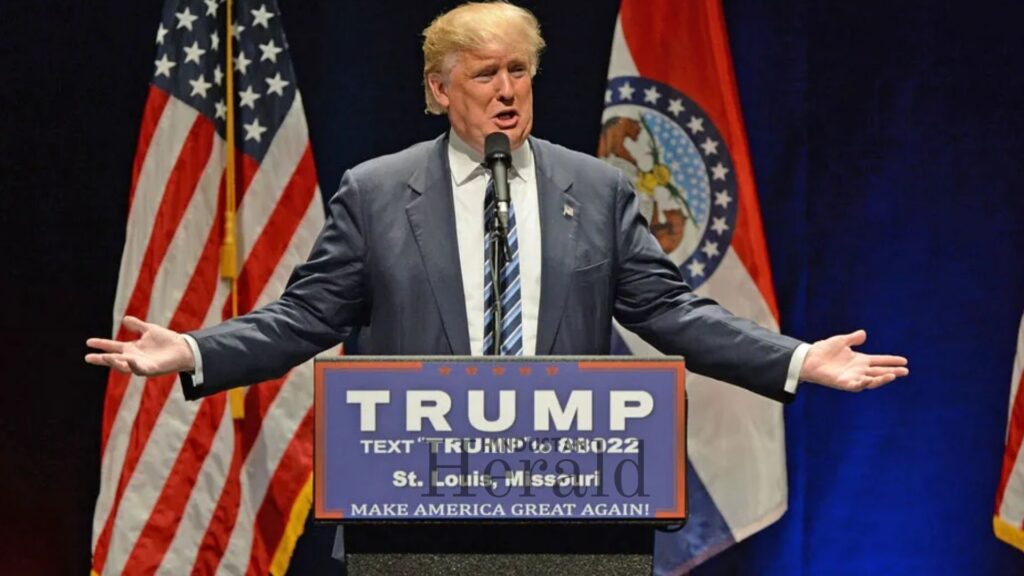
Now for the uncomfortable part. As reported by DD News and The Siasat Daily, US President Donald Trump had threatened a 25 per cent tariff on all goods imported from any country buying Venezuelan oil or gas. According to the Associated Press, Trump posted on Truth Social: “any Country that purchases Oil and/or Gas from Venezuela will be forced to pay a Tariff of 25% to the United States on any Trade they do with our Country.” India was named. The threat was explicit.
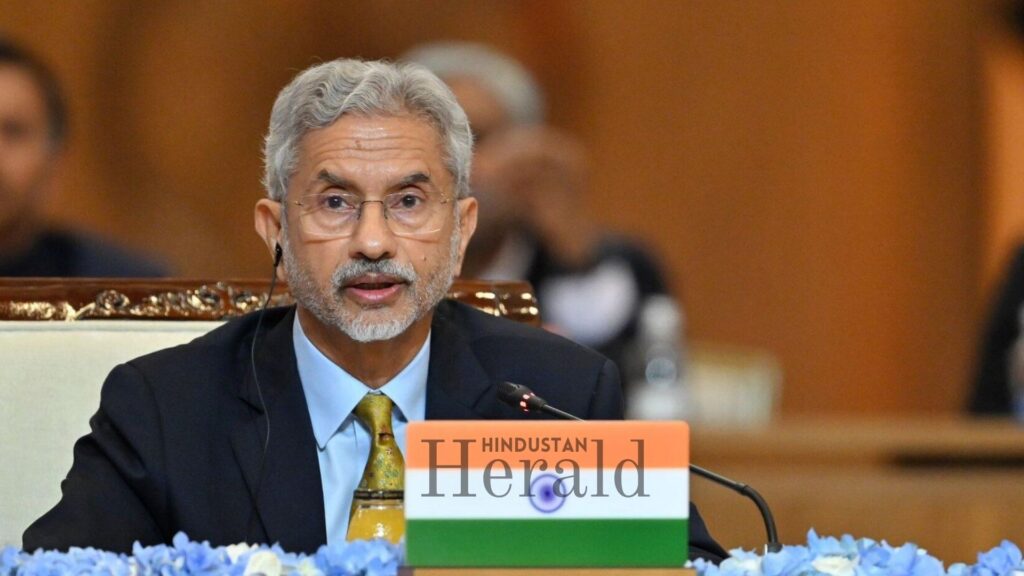
Rodriguez is in New Delhi anyway. The meeting at Hyderabad House happened anyway. The MEA issued warm statements. Jaishankar said on X he “deeply valued” Rodriguez’s commitment to the relationship.
Somewhere in South Block, someone did the maths and decided India’s energy needs outweighed the risk of friction with Washington on this specific issue. That calculation may yet prove complicated. But it has been made, and this visit is the public expression of it.
Nearly USD 800 Million In, and Waiting for a Tanker
This part of the story almost never gets written about properly, and it should. ONGC Videsh, the overseas investment arm of India’s state-run Oil and Natural Gas Corporation, has been in Venezuela since 2008. Not recently. Since 2008, through everything that has happened to that country since.
According to S&P Global Energy, OVL holds a 40 per cent stake in the San Cristobal field in eastern Venezuela, in a joint venture with PDVSA called Petrolera Indovenezolana SA. It also holds, per S&P Global Energy, an 11 per cent equity stake in the Carabobo-1 block in the Orinoco Belt. Indian Oil Corporation and Oil India together hold a further 7 per cent in Carabobo-1 through their joint venture IndOil Netherlands BV.
The Orinoco Belt sits on some of the largest heavy crude reserves on the planet. This is not a marginal asset. Or rather, it should not be.
According to S&P Global Energy CERA, as of March 31, 2025, ONGC’s total cumulative investment in Venezuela was approximately USD 770 million. Roughly USD 529 million in San Cristobal and USD 240 million in Carabobo-1. And what is coming out of those fields right now?
According to S&P Global Energy, San Cristobal produced 1,870 barrels per day in FY 2024-25. Carabobo-1 produced 970 barrels per day. S&P Global Energy CERA analyst Mansi Anand noted the two together contributed less than 1 per cent of ONGC’s total international output. Less than one per cent, from close to USD 800 million of investment.
The reserves are there. They have always been there. The problem has been everything else: sanctions cutting off the equipment and services needed to actually produce the oil, years of operational stagnation, and a country going through enough turmoil that sustained capital commitment became nearly impossible to justify internally. And then there is the unpaid dividend.
According to Business Standard, the San Cristobal project owes ONGC Videsh approximately USD 600 million in unpaid dividends. The figure is acknowledged by both sides. As reported by Business Standard, India’s Oil Secretary Pankaj Jain confirmed Venezuela has agreed to supply crude to OVL to begin settling the dues, but that India is still “waiting for lifting dates.” Waiting for lifting dates. Which means the oil agreed upon as payment has not been sent yet.
USD 600 million is a serious sum to have sitting unrecovered. Indian public money, in a country that has been economically distressed, politically turbulent, and diplomatically isolated for years. The fact that New Delhi has maintained this relationship through all of that, kept sending senior officials, kept engaging, suggests either genuine long-term strategic conviction or the simple reality that walking away from nearly USD 800 million in sunk investment is not a realistic option. Most likely both.
The MEA’s official statement ahead of Thursday’s meeting noted, with careful phrasing, that Indian public-sector companies “have made significant investments in Venezuela in the energy sector, and they are keen to explore opportunities for further enhancing their presence.” That sentence is doing two things simultaneously. It is affirming continued interest. And it is reminding Caracas, firmly but diplomatically, that what India has put in deserves to start coming back out.
According to S&P Global Energy, OVL has been pushing for a new operating licence under Venezuela’s revised licensing framework, with the goal of increasing production from both fields. Anand of S&P Global Energy CERA suggested Indian companies would stay cautious in the near term. That caution is earned. But the determination to eventually make these investments work is evidently still there.
The Stuff That Gets Buried Under the Oil Headlines
Every conversation about India and Venezuela becomes a conversation about oil within about three sentences. That is understandable. Oil is the obvious story. But it is not the whole story, and some of what gets buried is genuinely interesting.
According to the MEA, this week’s bilateral agenda included pharmaceuticals, AYUSH, digital solutions, and cultural cooperation.
Venezuela has had a difficult time with healthcare for years. Sanctions, economic crisis, and supply chain disruption have created real shortages of medicines and basic medical supplies. Indian pharmaceutical companies, the ones that supply generic medicines to a large part of the developing world, are a natural fit for exactly that gap. The logic is commercial and human at the same time.
AYUSH keeps appearing in India’s bilateral readouts with Global South partners, and it is worth taking seriously rather than dismissing as soft diplomacy. India has been building international frameworks for its traditional medicine systems for years, and the consistent appearance of this in official documents with countries like Venezuela suggests genuine interest on the receiving end.
On digital cooperation, the Minister of Science and Technology was in Rodriguez’s delegation. Ministers do not travel internationally to hear presentations. They come when they have specific questions. India’s UPI, Aadhaar, and digital public infrastructure have become genuine reference points for developing-country governments trying to build functional systems without decades of legacy tech. Venezuela is paying attention, and this visit gave them access to the people who actually built these systems.
What Is Really Going On Between These Two Countries
As confirmed by IANS, Modi and Rodriguez both reaffirmed their shared commitment to advancing the interests of the Global South during Thursday’s talks. MEA spokesperson Randhir Jaiswal posted on X that the leaders “reviewed the full spectrum of bilateral relations and explored new avenues of cooperation in energy, trade, investment, healthcare, automobiles among others.”
Strip away the diplomatic language and what you have is two countries that have decided, for reasons that make sense to each of them, to keep deepening this relationship regardless of external pressure.
For Venezuela, India is genuinely valuable because of what it does not do. It does not attach political conditions. It does not demand governance changes. It does not turn up to bilateral meetings with a list of grievances about how Caracas runs its internal affairs. It buys the oil, supplies the medicines, discusses the technology, and treats the relationship as a relationship between sovereign governments. After years of intense pressure from Western powers, that kind of engagement is not a small thing.
For India, the calculation is equally clear. Energy from the Western Hemisphere reduces dangerous dependence on the Middle East. Equity oil stakes in the Orinoco Belt, if they can be made to actually produce, represent long-term supply security that no spot market can replicate. And the broader positioning as a Global South anchor, which India has been investing in since at least the G20 presidency in 2023, is strengthened every time New Delhi demonstrates it makes its own choices.
These two countries should not obviously have very much to say to each other. And yet they keep talking. Six visits deep, nearly USD 800 million invested, and both sides still showing up with five ministers and full agendas. That persistence is its own kind of answer.
After June 7
Rodriguez and her delegation leave on June 7. What gets decided before then is the real question. Whether the USD 600 million dividend dispute gets a concrete timeline. Whether OVL’s licence ambitions get official backing. Whether the pharmaceutical conversations become something signable. Whether the digital cooperation talk turns into a framework with actual deliverables.
These things do not get resolved in five days. They never do. But this kind of high-level visit is how the slower processes get unblocked. The political signal from Thursday’s meeting at Hyderabad House gives both sides something to point to when the working-level negotiations hit resistance.
Some foreign relationships are loud. They generate summits and press conferences and breathless commentary about new eras of partnership. Some are quiet. They are built tanker by tanker, visit by visit, over years of patient engagement by people on both sides who have decided the relationship is worth maintaining through every difficulty that gets thrown at it. India and Venezuela are the second kind.
Six visits in, nearly two decades of upstream investment, an unresolved dividend dispute, a looming tariff threat from Washington, and both governments still sitting down together and expanding the agenda. That is not an accident. It is a choice. And this week in New Delhi, both sides made it again.
Stay ahead with Hindustan Herald — bringing you trusted news, sharp analysis, and stories that matter across Politics, Business, Technology, Sports, Entertainment, Lifestyle, and more.
Connect with us on Facebook, Instagram, X (Twitter), LinkedIn, YouTube, and join our Telegram community @hindustanherald for real-time updates.

Tracking world politics, global markets, trade movements, policy decisions, and the changing balance of economic power.
- Shelesh Joshi

- Shelesh Joshi
- Shelesh Joshi
- Shelesh Joshi



Specializes in South Asian geopolitics and global diplomacy, bringing in-depth analysis on international relations.
- Rajiv Menon
- Rajiv Menon
- Rajiv Menon
- Rajiv Menon