
 By Ananya Sharma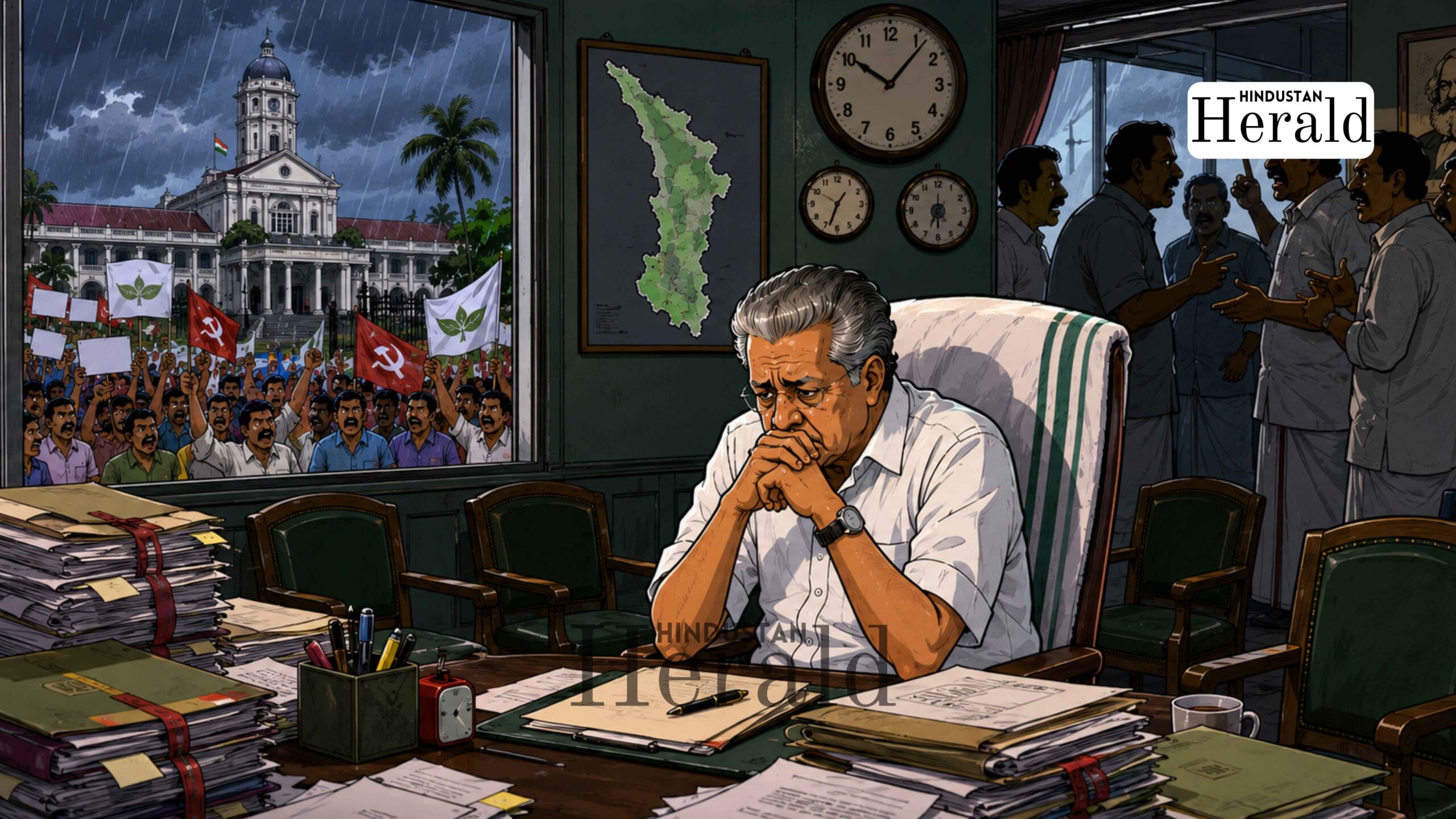
Thiruvananthapuram, May 13: Nine days. Kerala is still waiting. Not for the election results those came on May 4, clear as anything. The United Democratic Front won 102 seats. The Left Democratic Front was reduced to 35. By any reading, that was a decisive, unambiguous mandate. And yet here we are, mid-May, and the state does not have a chief minister.
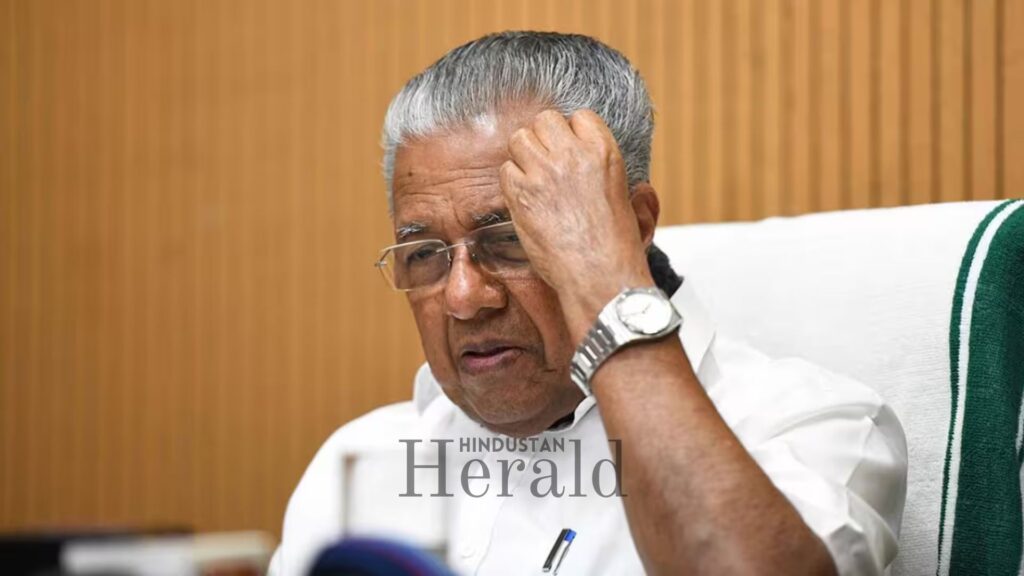
Pinarayi Vijayan is still sitting in the chair. Not because anyone wants him there, least of all him. But because the Congress has spent nine days and counting unable to agree on who replaces him, and so the man who lost the election remains, in caretaker capacity, the most powerful political figure in Kerala’s administrative machinery.
It is a strange situation. And it is getting stranger by the day.
The High Command’s Endless Deliberation
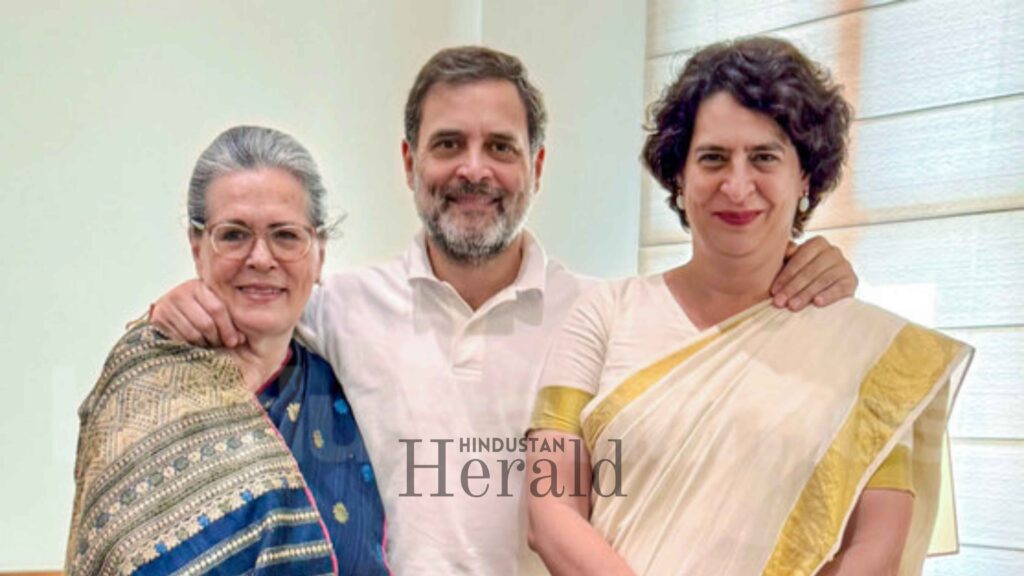
On Tuesday, Rahul Gandhi sat down with senior leaders from Kerala in Delhi. The talks reportedly went on well into the night. Earlier that same day, the group had visited Sonia Gandhi at her residence. Party leaders, as the phrase goes, shared their views on the leadership question.
Shared their views. Nine days after winning.
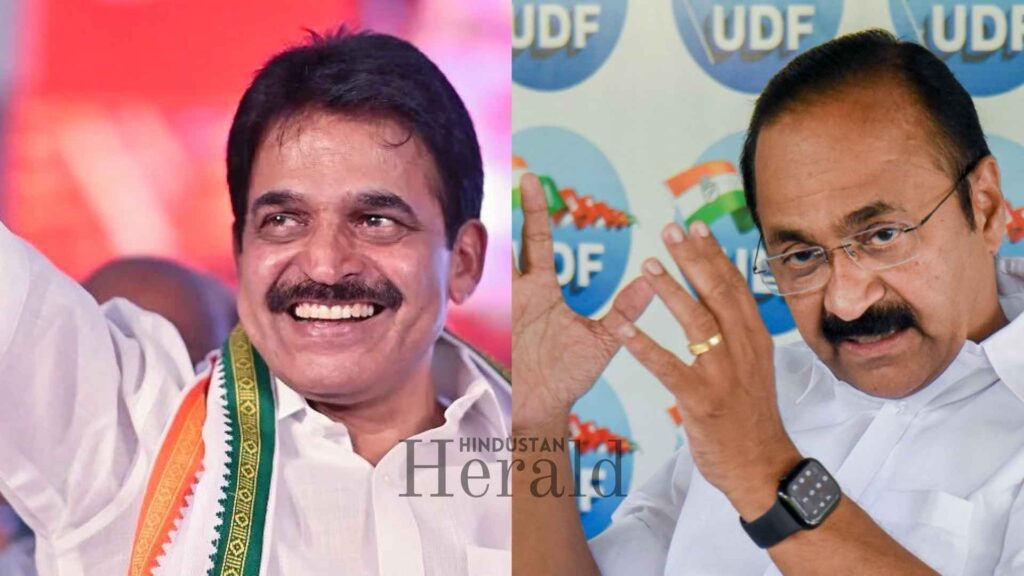
Three names have been doing the rounds since results day: K C Venugopal, Ramesh Chennithala, and V D Satheesan. Of the three, Satheesan had what looked like the most intuitive claim. He led the UDF through five grinding years in opposition. He held the coalition together. He fronted the campaign that produced this result. In most political cultures, that kind of performance settles the question before the ink dries on the vote count.
Not here. Not with the Congress high command, which has always preferred to deliberate, to sit with uncertainty a little longer than feels comfortable, to make sure that whatever decision emerges is clearly seen as coming from the centre rather than from the state unit. It is how the party works. Whether it is how a party should work when a state is effectively leaderless is a different question.
What Is Actually Happening at the Secretariat
The political drama is one thing. The administrative reality is another, and it deserves more attention than it typically gets in coverage like this.
With no new government in place, the Kerala Secretariat has effectively stopped functioning. The uncertainty over the chief minister post has brought the administrative centre of the state to a near-complete halt.
Think about what the Secretariat actually does on a normal day. Land approvals. Welfare scheme clearances. Infrastructure project sign-offs. Departmental orders that filter down to district offices, to taluk offices, to the desk of some government employee in a small town who is waiting on instructions before they can do anything. All of that is in a holding pattern right now.
Caretaker governments do not take major decisions. That is the convention, and it is a reasonable one. Nobody expects an outgoing administration to make sweeping policy calls while waiting for its successor to be sworn in. But nine days is a long time. The files pile up. The decisions that needed to be made last week are still unmade. People who were counting on government action are still counting.
That is the part of this story that does not make it onto the front pages. But it is real.
Vijayan’s Strange Limbo
There is something quietly remarkable about where Pinarayi Vijayan finds himself right now.
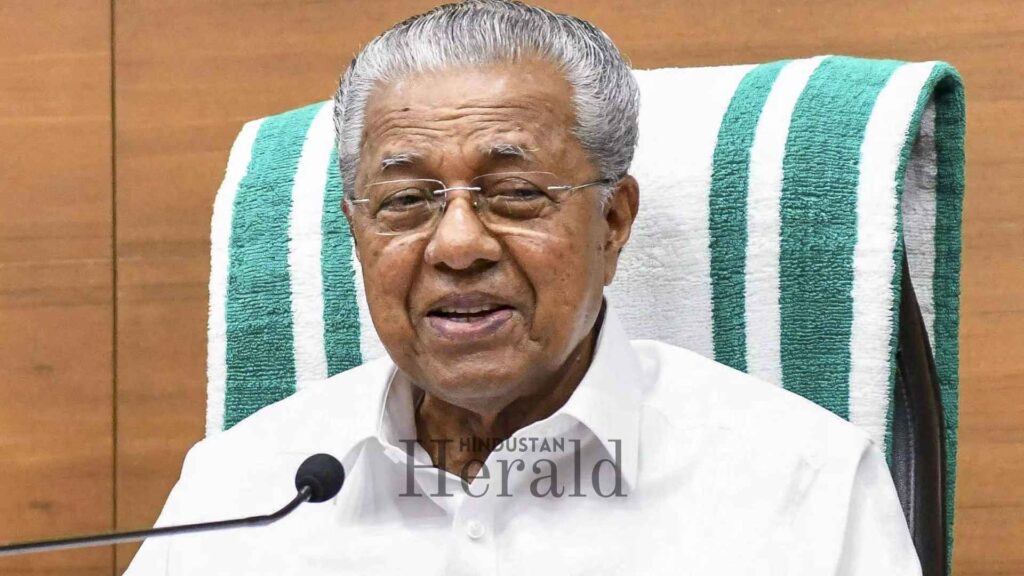
He spent a decade, two consecutive terms, running Kerala with a degree of administrative control that his supporters called decisive and his critics called authoritarian. He built a reputation as someone who was always in charge, always present, always on top of the machinery. And then the results came in on May 4, and he submitted his resignation through a messenger, did not travel to Thiruvananthapuram, and has not spoken to the media since.
The LDF’s collapse was severe enough to explain the silence. They were chasing a historic third consecutive term. They ended up with 35 seats. Vijayan himself, who had won Dharmadom by margins exceeding 50,000 votes in previous cycles, trailed his Congress opponent through six rounds of counting before scraping ahead in the seventh.
That is not just a political defeat. That is a personal reckoning. Whatever comes next for Vijayan, whether he takes a seat on the opposition benches in the new Assembly or steps further back from active politics, his party has not said. He has not said. For now he is simply there, caretaker of a government he lost, waiting like everyone else.
Wayanad Gets Angry
The Congress rank and file, meanwhile, is not waiting quietly.
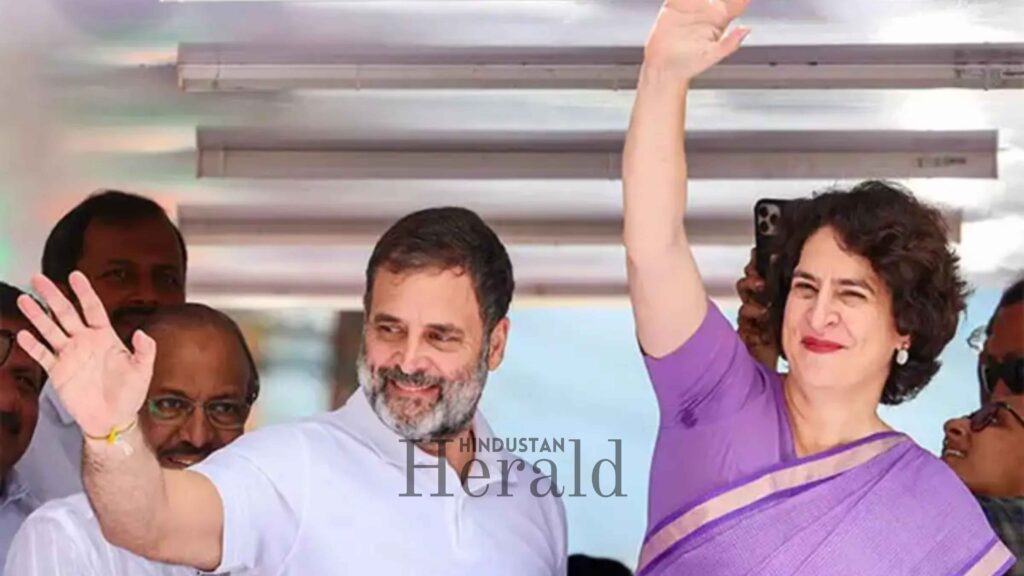
On Wednesday morning, posters targeting Rahul Gandhi and Priyanka Gandhi appeared at the Rajiv Bhavan DCC office in Wayanad. One read: “Rahul and Priyanka, forget Wayanad, you won’t win again from here.” Another said: “Mr Rahul, KC might be your bag bearer, but the people of Kerala will not forgive you.”
Wayanad is not random. It is the constituency that sent Priyanka Gandhi to Parliament. The DCC office is not a wall somewhere on the outskirts. These posters were placed by people who are deeply embedded in the party structure, people who know exactly what the symbolism means. This is not protest from outside the tent. It is anger from within it.
A landslide victory has a short shelf life if the winning party cannot follow through. The goodwill from April 9 is already beginning to thin.
The Pattern Worth Naming
Kerala has been doing this for a long time. Left wins, governs for five years, loses. Congress-led UDF wins, governs for five years, loses. Back and forth, with enough predictability that political scientists have written entire papers on the alternation. Voters know it. Politicians know it. Everyone shows up anyway.
What is less predictable is this: the Congress high command’s habit of treating the chief ministerial appointment as a lever of central control, a reminder to state units that final authority flows from Delhi, not from the state capital. Sometimes that instinct produces a steady, uncontested transition. Often it produces exactly what is unfolding right now: a gap between mandate and governance, a delay that the winning party’s own workers are starting to resent.
The UDF ran its campaign, in part, on the argument that the Vijayan administration had not governed well enough. They may have been right. But they are now the ones giving that administration extra time at the wheel, entirely through their own indecision.
Wednesday Could Change It
Senior leaders were indicating on Wednesday that a decision was expected before the day ended. Rahul Gandhi’s overnight discussions with the Kerala delegation were described by those familiar with the talks as substantive, moving beyond the earlier rounds of position-sharing into something closer to a conclusion.
If that holds, the announcement could come within hours. And whoever is named will inherit a government that is already nine days behind on the business of governing.
The cabinet choices will matter. The balance between experienced hands and new faces, the representation given to UDF’s constituent parties, the signal sent to regions that feel they have been waiting too long for their share of political attention all of it will be scrutinised closely, and quickly. A new government in Kerala does not get much of a honeymoon even in normal times.
These are not entirely normal times. The delay has seen to that.
For now, the Secretariat hums at reduced capacity. Vijayan holds the caretaker chair without much apparent enthusiasm for it. Party workers in Wayanad paste angry posters on their own office walls. And somewhere in Delhi, a decision that should have been made days ago is, reportedly, finally close.
Kerala has been patient. That patience is not unlimited.
Stay ahead with Hindustan Herald — bringing you trusted news, sharp analysis, and stories that matter across Politics, Business, Technology, Sports, Entertainment, Lifestyle, and more.
Connect with us on Facebook, Instagram, X (Twitter), LinkedIn, YouTube, and join our Telegram community @hindustanherald for real-time updates.

Covers Indian politics, governance, and policy developments with over a decade of experience in political reporting.
- Ananya Sharma

- Ananya Sharma
- Ananya Sharma
- Ananya Sharma



 Sandeep Verma