
 By Ananya Sharma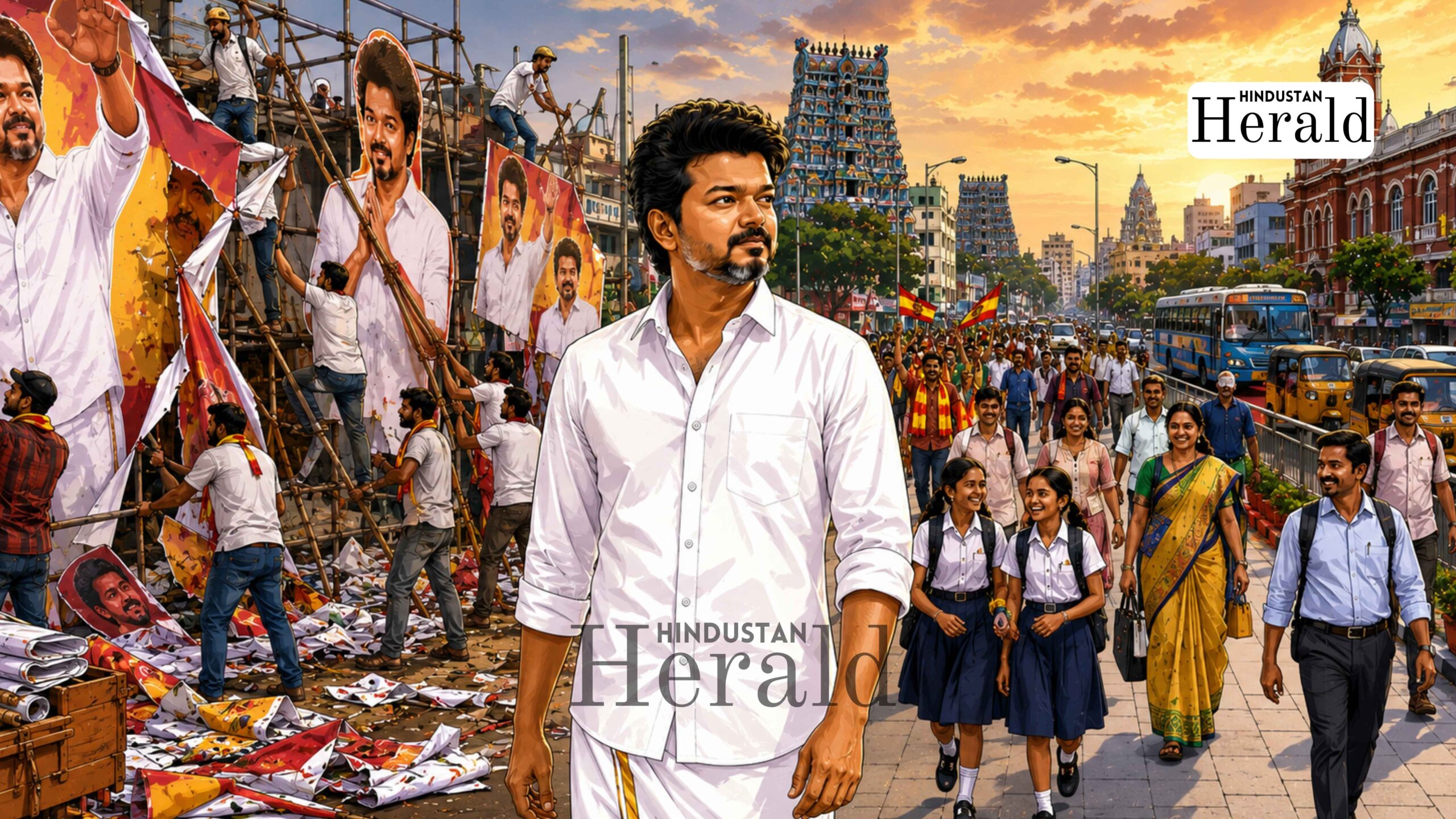
Chennai, May 12: Something shifted in Tamil Nadu politics on Tuesday, and it did not involve a rally or a court order or a rival party drawing blood. It was, of all things, a circular about banners.
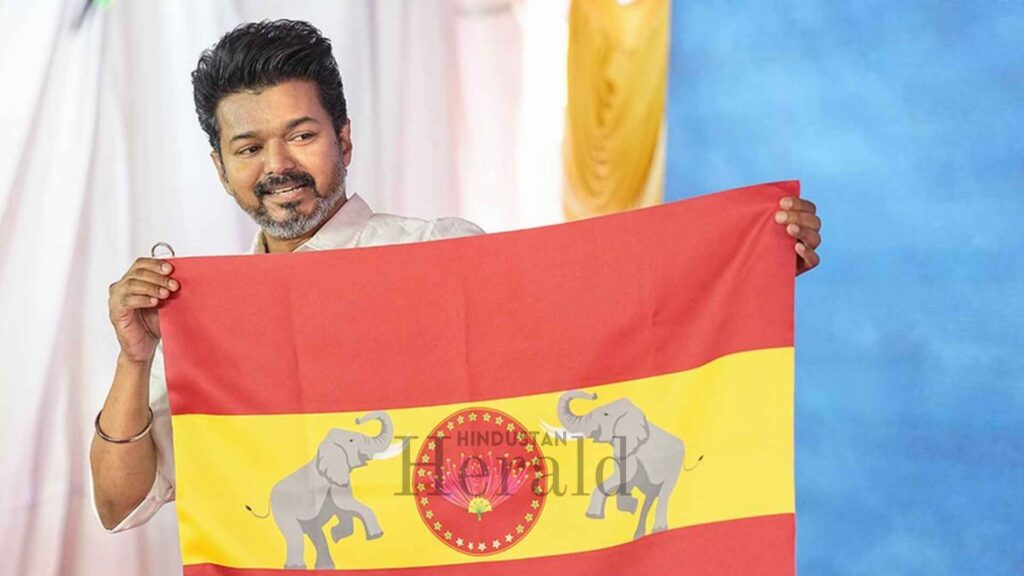
Tamilaga Vettri Kazhagam, TVK the party that rode actor-turned-politician Joseph Vijay’s extraordinary popular wave into power, told its own cadres to stop putting up posters, flex boards, and giant cutouts in public spaces. No more blocking footpaths. No more choking street corners with 20-foot photographs of the chief minister’s face. The directive came with the personal approval of CM Vijay himself, and it came with a warning that the party does not always put in writing: strict disciplinary action for anyone who does not comply.
It sounds, on the surface, like routine housekeeping. It is not.
The Mess That Made This Necessary
Nobody issues a directive like this without a reason, and the reason in this case had become hard to miss on the streets of Chennai. In the weeks leading up to Tuesday’s announcement, residents across several parts of the city had been raising complaints about oversized TVK banners and cutouts that had eaten into footpaths, forced pedestrians onto busy roads, and created the kind of hazard that Tamil Nadu has, frankly, seen turn fatal before.
This is not a new problem. Tamil Nadu’s banner culture has a long and ugly history flex boards crashing onto vehicles during rain, unsecured hoarding frames damaging power lines, enormous vinyl cutouts blocking junctions for days after a leader’s birthday celebration. The Madras High Court has stepped in multiple times over the years, directing civic bodies to clear illegal hoardings, issuing notices, expressing exasperation. And yet the practice kept returning, across every party in power, because in Tamil Nadu political culture, the size of your cutout has long been shorthand for the size of your loyalty.
TVK cadres, many of them young, many of them genuinely swept up in the Vijay wave, were doing what party workers have always done here. They were celebrating. They were marking their territory. They were making noise.
The problem was that the noise had started to land on the wrong side of the story.
Vijay’s Brand Cannot Afford This
Here is the thing about Joseph Vijay as a political figure: the entire premise of his entry into politics was that he was different. Not different in the vague, aspirational way every new party claims to be different but concretely, demonstrably different. Clean governance. People-first politics. A break from the theatrics of DMK and AIADMK machine politics that Tamil Nadu voters have grown exhausted by over decades.
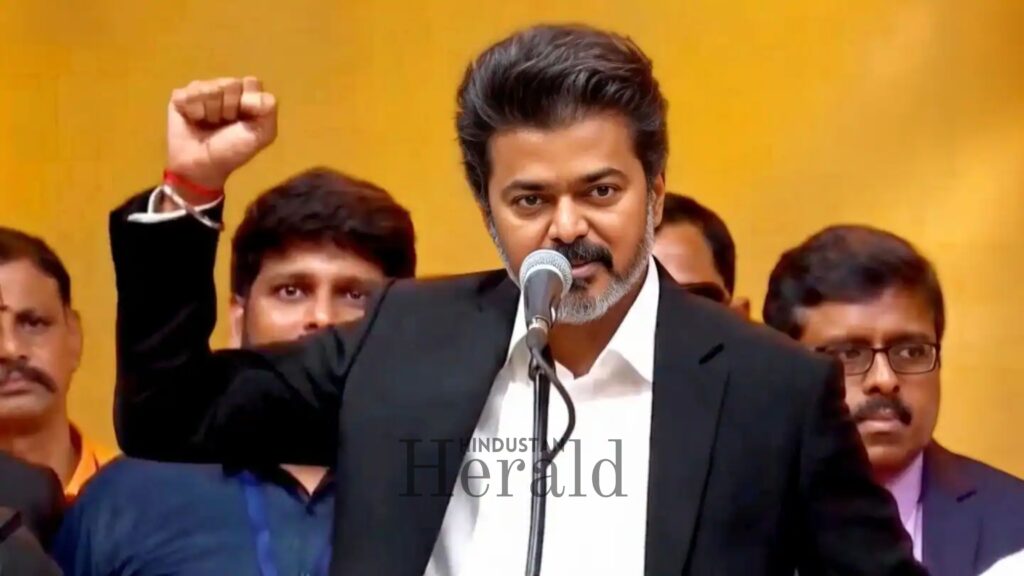
That brand is not just a campaign slogan. It is the actual reason a significant chunk of Tamil Nadu handed TVK a mandate. And it is a fragile thing. The moment your party workers are blocking footpaths with your face on a giant flex board, you are no longer the alternative. You are just the new version of the old problem.
Tuesday’s directive, then, is not simply about banners. It is about protecting an idea the idea that something genuinely different is happening in Tamil Nadu’s political landscape. The language in the party’s statement, posted on X, made this clear without spelling it out: “Tamilaga Vettri Kazhagam was founded with the sole aim of the welfare of the people of Tamil Nadu,” it read, before going on to warn that anyone causing hindrance to the public through banners or celebrations would face strict action.
That is a party reminding its own workers what the whole point is supposed to be.
This Was Not the First Warning
It would be unfair to say TVK only noticed the problem when residents started complaining publicly. General Secretary N. Anand had issued campaign guidelines to party functionaries earlier, urging them to avoid bursting firecrackers at events, to stop using unauthorised banners and slogans, and to ensure that their public engagements did not disrupt traffic or inconvenience ordinary people. Only approved materials from party headquarters were to be used. Disciplinary action was threatened then too.
That those earlier warnings apparently were not enough to stop the footpath-blocking cutouts from going up says something about the gap that exists, in any political party, between what leadership says and what cadre does on the ground. Local party workers in Tamil Nadu have their own ecosystems of influence, their own rivalries, their own reasons for wanting a bigger banner than the faction in the next neighbourhood. A circular from headquarters does not always cut through that.
Which is why Tuesday’s statement was worded the way it was invoking the CM’s name directly, making the approval chain explicit, and leaving no ambiguity about consequences.
The Real Test Starts Now
Here is where it gets genuinely uncertain. Issuing the directive is the easy part. TVK has now drawn a line in public, and that is a political commitment whether they intended it that way or not. The harder part is what happens in the next few weeks, when a local party leader in Coimbatore or Madurai decides that putting up a 15-foot banner for a ward-level function is no big deal, and nobody in the chain above them moves to take it down.
Tamil Nadu’s civic bodies the Greater Chennai Corporation, the district municipalities have the legal authority to act against unauthorised hoardings. They have always had it. The problem has never been the law; it has been whether the political will existed to enforce it against people connected to whoever was in power at the time. That equation has now, at least in theory, changed. TVK has publicly told its own cadres to stop. Whether municipal officials feel empowered to act when they spot a TVK banner on a footpath next week is a different question entirely.
The public response to Tuesday’s announcement has been positive social media, at least among Chennai’s urban, English-speaking crowd, received it well. People called it sensible, overdue, and a sign that the new government was not entirely tone-deaf to what ordinary residents have been putting up with for years. That is a useful early win for the administration.
Still, goodwill built on a press statement evaporates quickly. What people actually want to see is a footpath they can walk on.
What This Moment Reveals
There is a larger point worth noting here. TVK is less than a year into governance. It is still figuring out, at every level of its organisation, what it means to be the party in power rather than the party in opposition or the party on the campaign trail. The banner problem is, in some ways, a small example of a much larger challenge: translating political identity into administrative reality when you have thousands of cadres who have their own ideas about how to express loyalty and celebrate their leader.
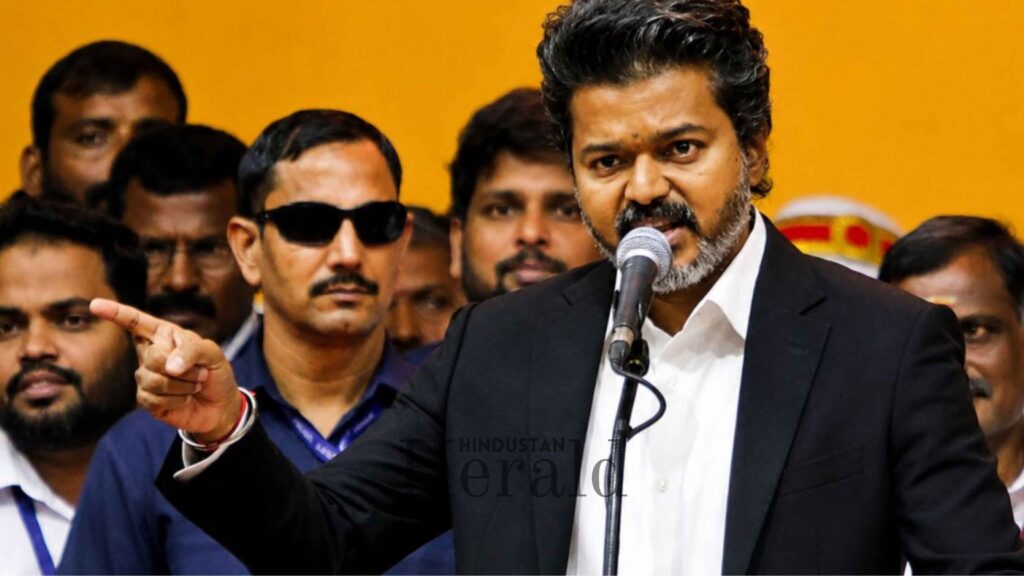
Every ruling party in Tamil Nadu has faced this. What sets TVK apart if it can hold the line is that it has chosen to address it publicly, by name, with consequences attached, at a point in its tenure when it did not have to. The political cost of letting the banners stay up was probably manageable. The decision to call it out anyway suggests the leadership understands that small compromises on this kind of thing have a way of becoming large ones.
For the residents of Chennai who have spent recent weeks stepping off footpaths to avoid a cutout of their chief minister, the verdict on all of this will be simple and unambiguous. Either the banners come down, or they do not.
Everything else is noise.
Stay ahead with Hindustan Herald — bringing you trusted news, sharp analysis, and stories that matter across Politics, Business, Technology, Sports, Entertainment, Lifestyle, and more.
Connect with us on Facebook, Instagram, X (Twitter), LinkedIn, YouTube, and join our Telegram community @hindustanherald for real-time updates.

Covers Indian politics, governance, and policy developments with over a decade of experience in political reporting.
- Ananya Sharma

- Ananya Sharma
- Ananya Sharma
- Ananya Sharma

 Sandeep Verma