 By Ananya Sharma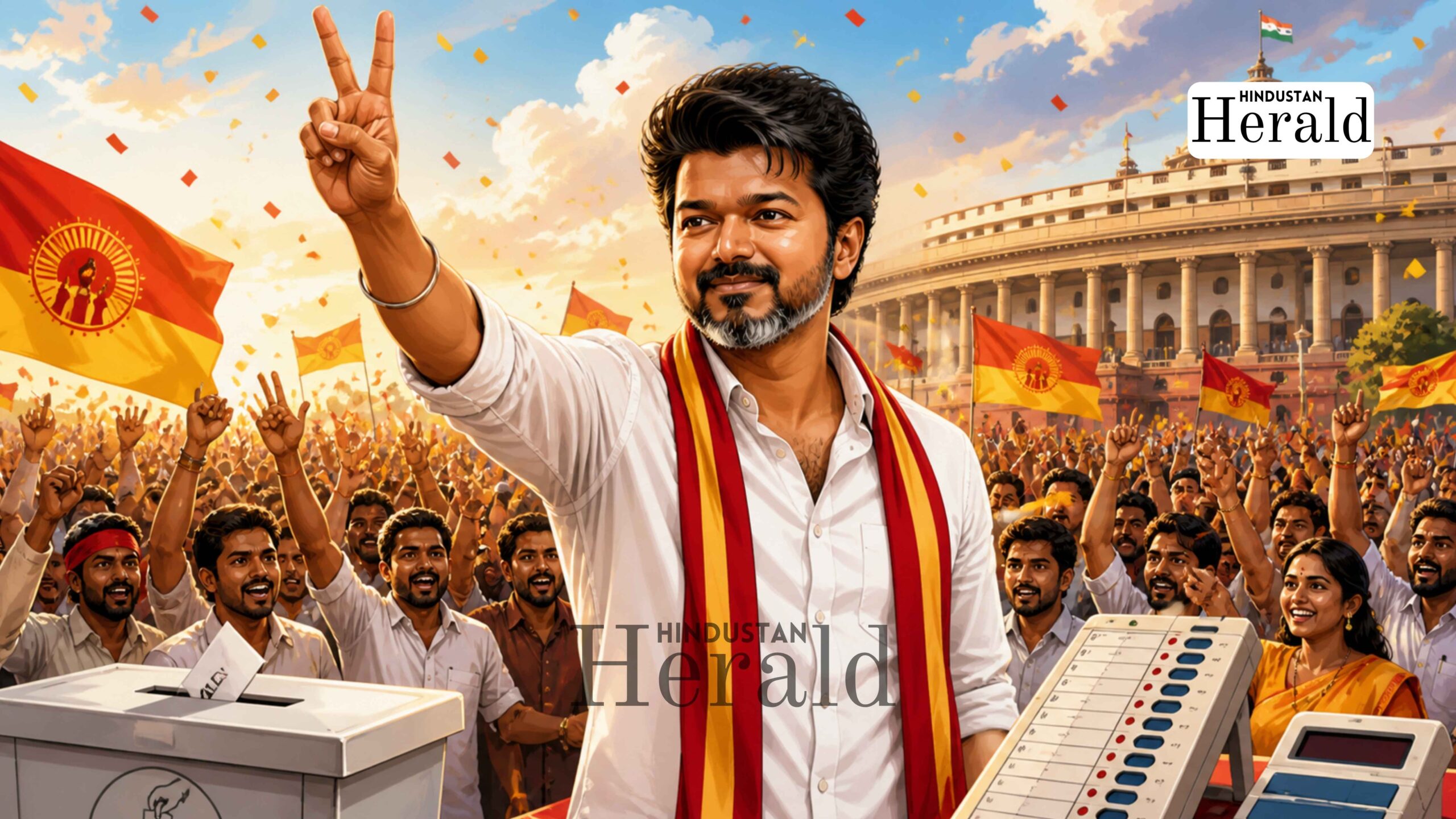
Chennai, May 4: Honestly, nobody had this on their bingo card. Not the DMK. Not the AIADMK. Not the political analysts who spend their careers reading Tamil Nadu’s famously complicated electoral map. And definitely not the journalists who, just a few weeks ago, were writing about how difficult it would be for a brand new party with zero legislative experience to make a real dent in this state.
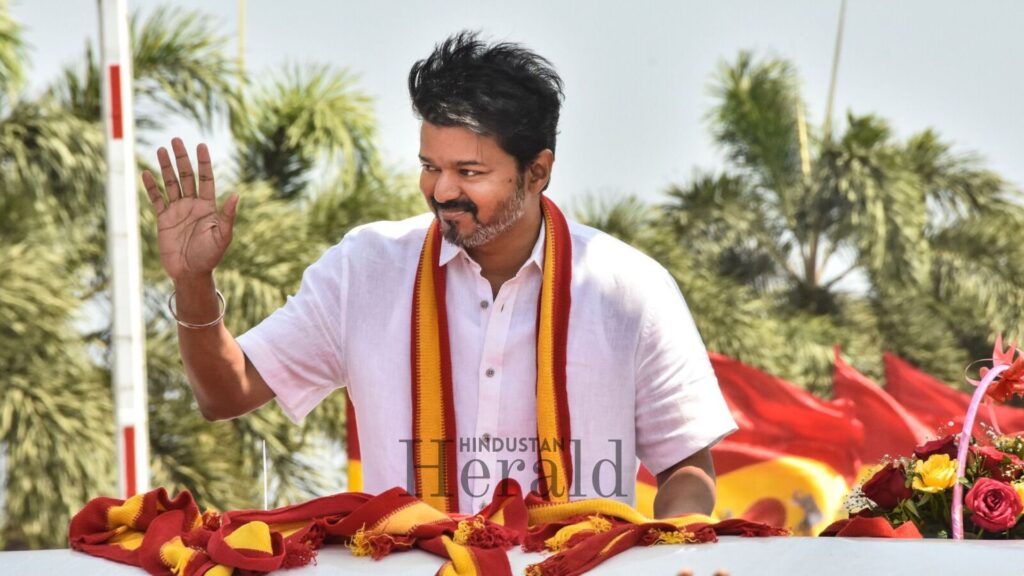
Vijay proved every single one of them wrong.
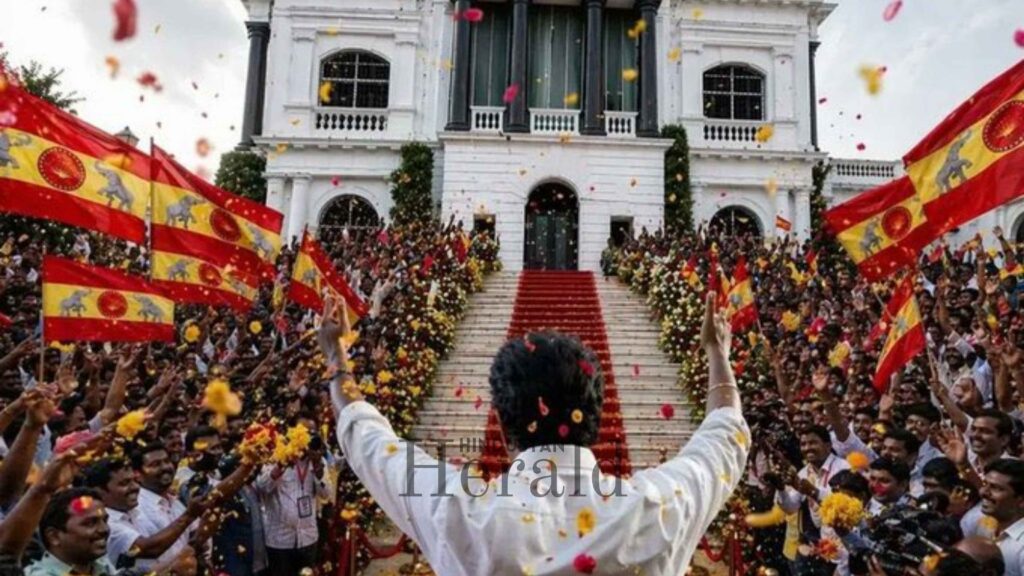
The man Tamil Nadu knows from blockbuster films, from larger-than-life characters and thundering dialogues, walked into his first-ever election and, as votes are being counted today, is on the edge of becoming the next Chief Minister of Tamil Nadu. His party, Tamilaga Vettri Kazhagam, known simply as TVK, is leading in over 108 seats in a 234-seat house. You need 118 to form a majority government. The counting is still going on as you read this.
Do the math. He is very, very close.
So What Actually Happened Today
Counting started at 8 in the morning. For the first hour or so, it looked like the usual story. The DMK, the party that has run Tamil Nadu for the last five years under Chief Minister MK Stalin, was ahead in postal ballot counts. The exit polls had mostly said DMK would hold on. People assumed the ruling party would scrape through.
Then the actual EVM votes started coming in.
Seat after seat, TVK candidates were ahead. Not just in small towns or places where Vijay’s fan base is traditionally strong. In Chennai. In the suburbs around it. In seats the DMK has held for years and considered safe. By mid-morning, the numbers on the Election Commission website told a story that no one in the DMK camp had prepared for.
TVK is leading in 108 seats. AIADMK+ leading in 75. DMK+ in just 51.
The ruling party of Tamil Nadu was in third place.
Outside TVK’s party office in Chennai, workers began handing out sweets on the street. That is not something you do unless you are very confident about what is happening inside the counting halls.
Who Is Vijay and Why Does This Matter So Much
If you are not from Tamil Nadu or do not follow South Indian cinema, here is the short version. Vijay, full name Joseph Vijay, is one of the biggest film stars in the country. Not just Tamil Nadu. The man’s films routinely open to packed theatres across Tamil Nadu, Andhra Pradesh, Karnataka, Kerala, and even among Tamil diaspora communities overseas. His fan clubs are not informal groups of enthusiasts. They are structured, organised, and active in local communities throughout the year, not just during film releases.
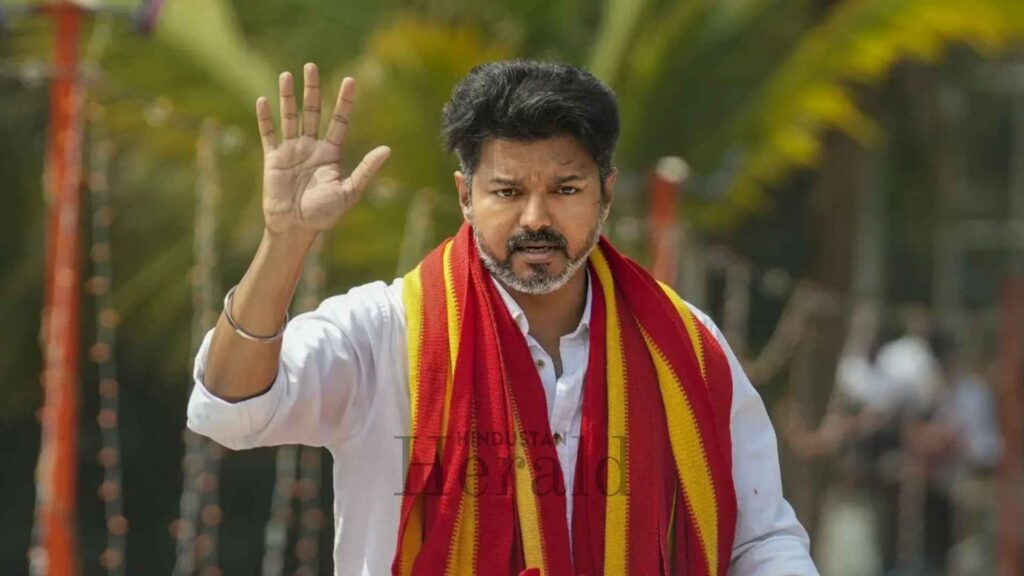
He announced his political party in February 2024. Most people thought it was the usual actor-flirting-with-politics situation. Tamil Nadu has seen plenty of those. Not all of them go anywhere.
This one went somewhere.
TVK contested all 234 seats on its own, without tying up with any existing party. When that decision was announced in March this year, plenty of observers said it was overconfident. Alliance politics is the bread and butter of Tamil Nadu elections. You build coalitions, you trade seats, you protect your weaker candidates with partner party votes. TVK threw all of that out and said we are going alone.
It appears that was the right call.
What Did Vijay Promise People
The TVK manifesto was not full of complicated policy language. It was written to be understood.
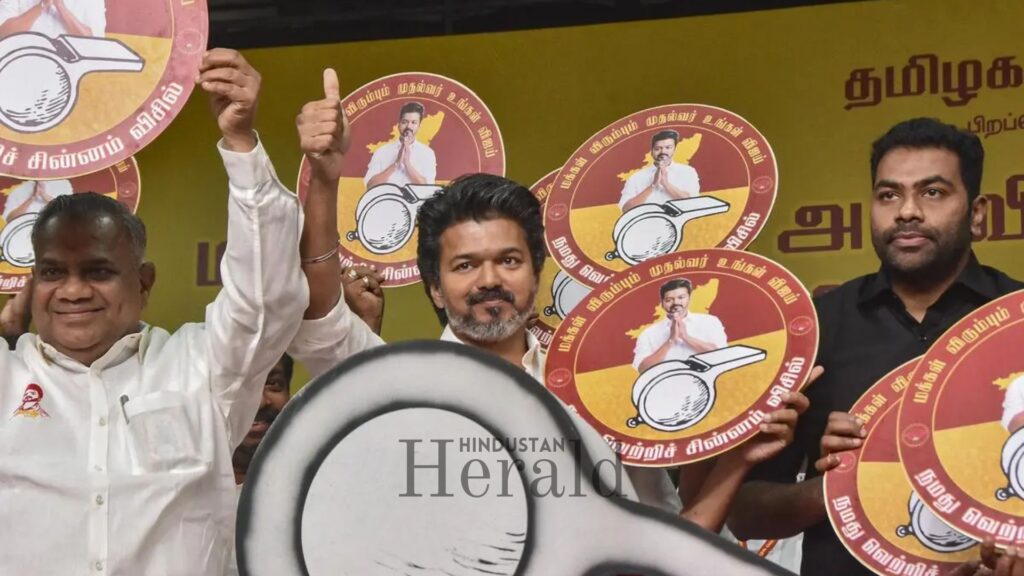
Jobs for youth. That was the big one. Tamil Nadu produces a huge number of college graduates every year, engineering graduates especially, and for years now, a lot of them have struggled to find work that matches what they studied for. That frustration is real, and it runs deep, particularly among families that sacrificed a lot to get their children educated.
Vijay also promised loans without collateral for students and people wanting to start businesses, monthly financial support for students, and a serious push to make the state drug-free. Simple, direct asks. The kind of things a young person in Madurai or Coimbatore or Tiruchirappalli can understand without needing to read a policy brief.
Whether a government can actually deliver all of that is a separate question. For now, voters decided these were promises worth believing.
The DMK’s Very Bad Day
Let us talk about what is happening to the ruling party, because it is genuinely shocking.
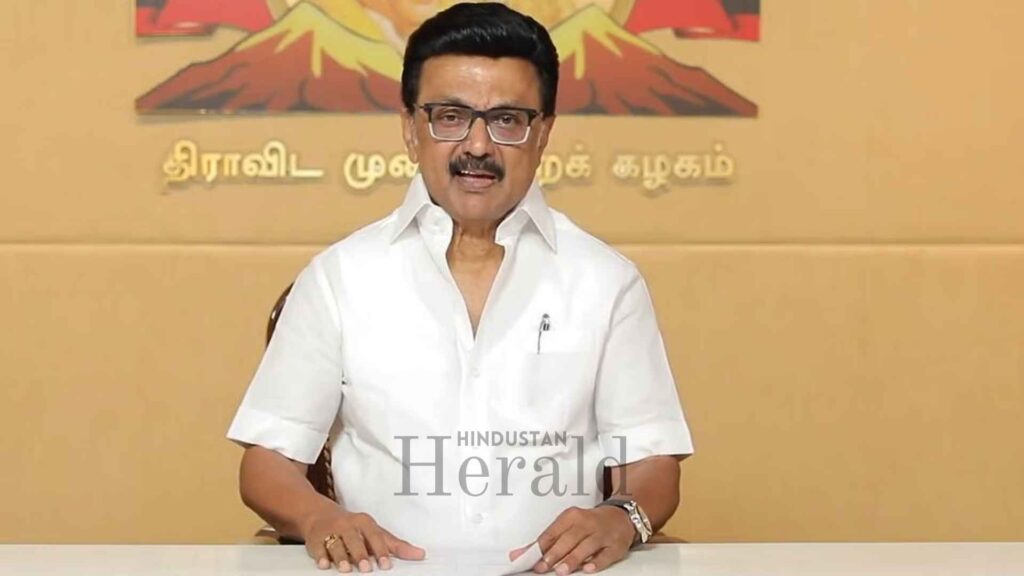
MK Stalin, the Chief Minister, was reportedly trailing in his own constituency, Kolathur, at various points during the morning count. Around 15 sitting cabinet ministers were behind in their seats at different stages, according to multiple news channels tracking live ECI data. For a party that won 159 seats just five years ago, this is not a stumble. This is a collapse.
What went wrong? The honest answer is probably several things at once.
The DMK did deliver on some welfare schemes. The Kalaignar Magalir Urimai Thittam, which gave monthly cash transfers to women, was genuinely popular. Infrastructure work happened. But five years is long enough for a government to accumulate enemies alongside its supporters, and the DMK had its share of criticism. There were consistent complaints about appointments being made along party and family lines. There was a feeling in sections of the public, particularly among younger voters, that the party was beginning to behave like it owned the state rather than served it.
And then Vijay arrived, saying something different. Speaking differently. Looking different from every politician Tamil Nadu had seen before.
The youth voted for him. First-time voters came out in huge numbers. The state recorded a voter turnout of 84.69 per cent on April 23, the highest in Tamil Nadu’s history, crossing the previous record of 78.39 per cent. That kind of number does not happen without massive enthusiasm for something new.
What About the Other Parties
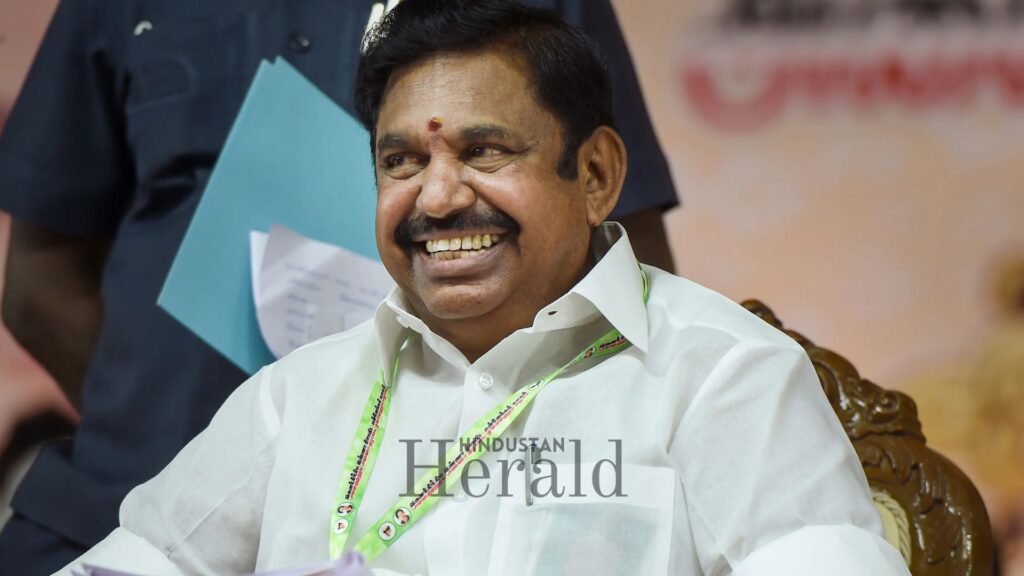
Edappadi K. Palaniswami, who leads the AIADMK, is having a decent day personally. He is comfortably ahead in his home seat of Edappadi. The AIADMK, which had stitched together an alliance with the BJP and a few other parties after years of being estranged from the NDA, is leading in around 75 seats. That keeps the party and Palaniswami’s leadership of it intact, which was genuinely uncertain heading into today.
The BJP, though, is struggling badly. The party has poured resources and energy into Tamil Nadu for years, trying to establish itself in a state where it has historically been weak. Today, it is trailing in 26 of its contested seats and leading in just one, Thali. One seat. In a state of 234 constituencies.
This Has Happened Before, But Not Quite Like This
Tamil Nadu has a well-known history of film stars entering politics and succeeding. MGR, the legendary actor and AIADMK founder, became Chief Minister in 1977 after splitting from the DMK. He ran the state until his death. Jayalalithaa, his co-star turned political successor, won election after election and was one of the most powerful regional leaders India has seen in the last thirty years.
Vijay himself referenced these moments during his campaign repeatedly. He talked about CN Annadurai’s 1967 win that ended Congress’s dominance in the state. He talked about MGR’s 1977 win that broke DMK’s hold for the first time. He called these turning points in Tamil Nadu’s story. He said 2026 would be another one.
At the time, it sounded like campaign rhetoric. Right now, it sounds like he was describing exactly what was about to happen.
Still, what makes TVK’s rise different from MGR or Jayalalithaa is that both of them came from within an existing Dravidian political tradition. They had years of party experience, cadre networks built over decades, and administrative exposure. Vijay built TVK from scratch in twenty-four months and walked straight into a state election with candidates who had never contested anything before.
That is the part that is genuinely hard to explain using any normal political logic.
So, Is He Going to Be Chief Minister or Not
Here is where things stand right now.
If TVK finishes at or above 118 seats when all counting is done, Vijay goes to the Governor, stakes his claim as leader of the single largest party with a majority, and gets invited to form the government. He is then sworn in as Chief Minister. Simple and clean.
If TVK falls short, somewhere between 100 and 117 seats, for example, then things get messier. The AIADMK and TVK have no pre-poll alliance and very different political DNA. The DMK, facing what would be a historic humiliation, is not going to offer support to the party that just crushed it. Smaller parties and independents would suddenly find themselves with a lot of bargaining power, and those conversations can go anywhere.
As of right now, though, the trends have been consistent all morning. TVK has not slipped. If anything, the leads have been holding. Security was increased outside Vijay’s residence in Chennai earlier today, which in Indian political terms is usually a signal that the party is preparing for a significant public moment soon.
Tamil Nadu has not seen a government formed by anyone outside the DMK or AIADMK since 1967. Nearly sixty years. That era may be ending today, in real time, as counting officials in halls across the state pull out ballot papers and read out numbers that keep pointing in the same direction.
A film star. A two-year-old party. No allies. No legislative experience. And yet here we are.
Whatever happens in the final count, Tamil Nadu politics has changed today. The old certainties are gone. The two-party system that defined this state for two generations has been cracked open. Whether Vijay ends up sitting in the Chief Minister’s chair this week or spends a term in opposition building further, something has shifted permanently.
The rest of India is watching too. Because if a brand new party can walk into one of the country’s most politically complex states and do this in its very first election, that is a story with implications that go well beyond Chennai.
Stay ahead with Hindustan Herald — bringing you trusted news, sharp analysis, and stories that matter across Politics, Business, Technology, Sports, Entertainment, Lifestyle, and more.
Connect with us on Facebook, Instagram, X (Twitter), LinkedIn, YouTube, and join our Telegram community @hindustanherald for real-time updates.

Covers Indian politics, governance, and policy developments with over a decade of experience in political reporting.
- Ananya Sharma

- Ananya Sharma
- Ananya Sharma
- Ananya Sharma