 By Ananya Sharma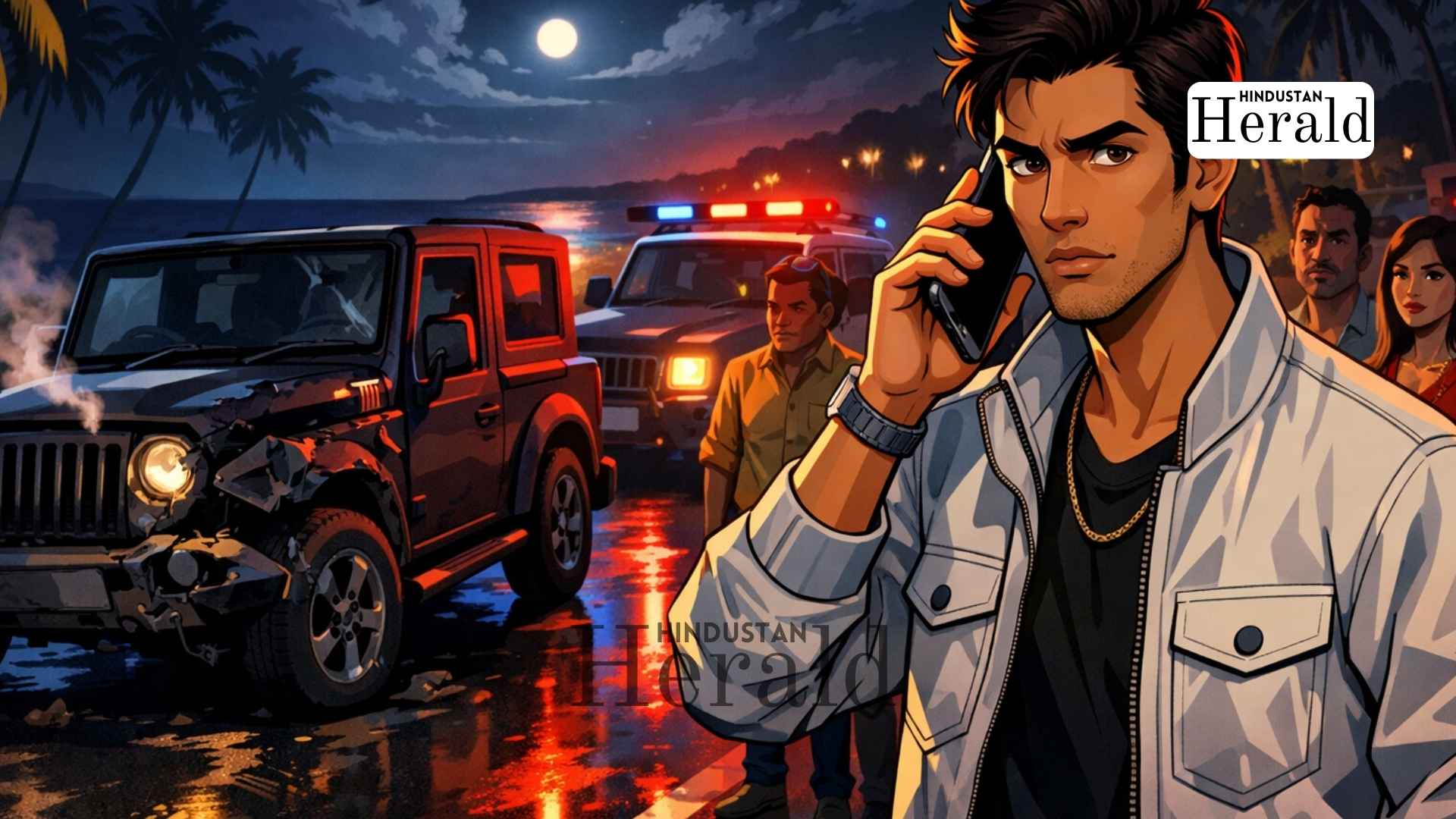
New Delhi, February 24: By the time most of the country woke up on Monday, the video had already done its rounds.
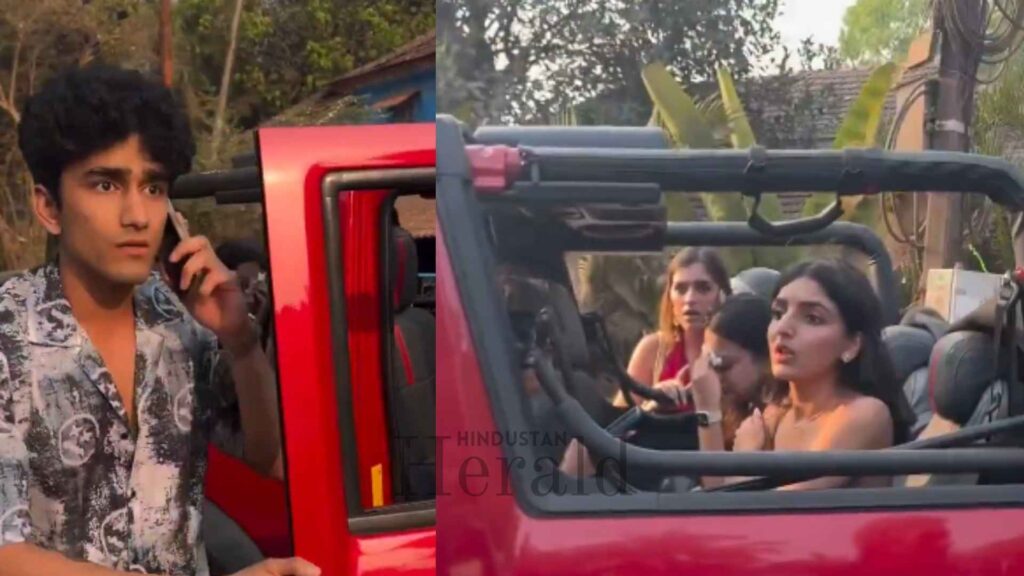
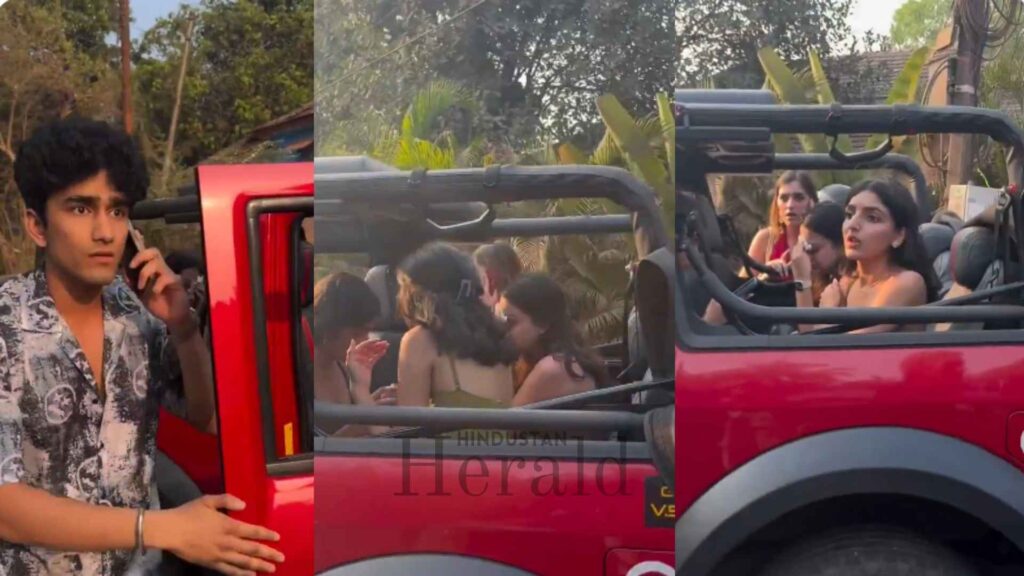
A young man, standing beside a dented Mahindra Thar on a Goa coastal road, phone clutched to his ear. His voice carried more inconvenience than shock.
“Papa main gaadi chala raha tha… suddenly ho gaya crash.”
Behind him, a damaged Hyundai i20. Around him was a small crowd that had reportedly stopped him from leaving. In front of him, a phone camera that would make him the latest face of a now-familiar story.
The crash took place late on February 23 in North Goa. Police from Anjuna and Calangute have detained the vehicle and begun recording statements. The young driver has been described in local reports as a tourist from a wealthy business family. His identity has not yet been formally released.
But online, none of that restraint exists.
The clip is being shared with captions dripping in sarcasm. Hashtags like #TharCrash and #GoaAccident are trending. Comment sections are flooded with comparisons. Not to other road accidents. To other heirs.
Because this is no longer just about one crash.
It feels like a pattern people recognise on sight.
A Familiar Script
Earlier this month in Kanpur, a black Lamborghini Revuelto worth nearly ₹10 crore spun out of control on VIP Road. Six people were injured when it hit an e-rickshaw and a motorcycle.
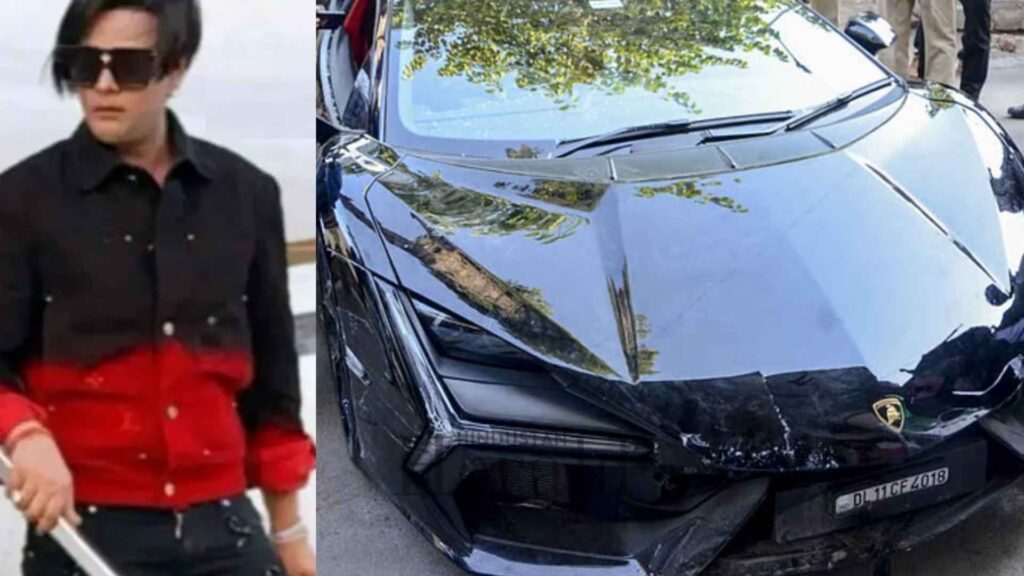
At first, a driver was said to be behind the wheel.
Then CCTV told a different story.
Police confirmed that the car was being driven by Shivam Mishra, son of tobacco businessman KK Mishra. Mishra is known on Instagram for a fleet of high-performance cars, many bearing the signature registration “4018.” Within hours of his February 12 arrest, he was granted bail on a ₹20,000 personal bond.
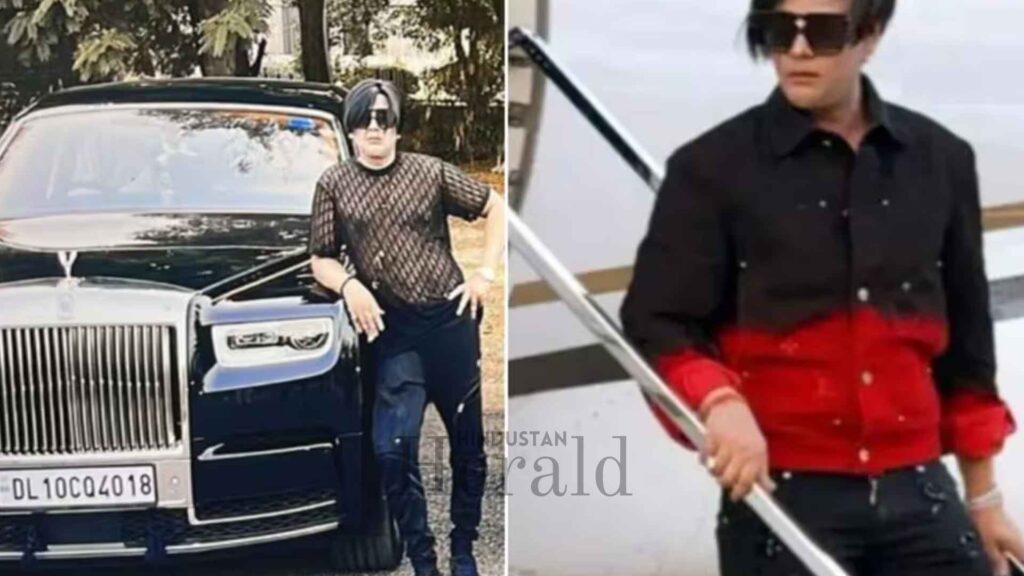
Legally permissible. Socially combustible.
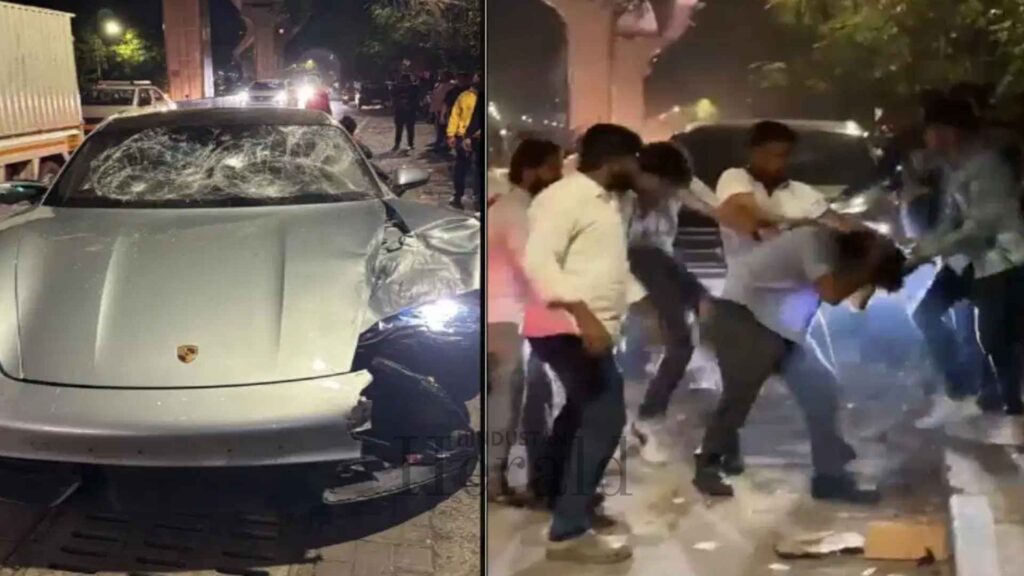
Before that came the case that altered the national conversation: the Pune Porsche crash of May 19, 2024.
A 17-year-old, Vedant Agarwal, was driving an unregistered Porsche Taycan at extreme speed after allegedly consuming alcohol. Two IT professionals lost their lives.
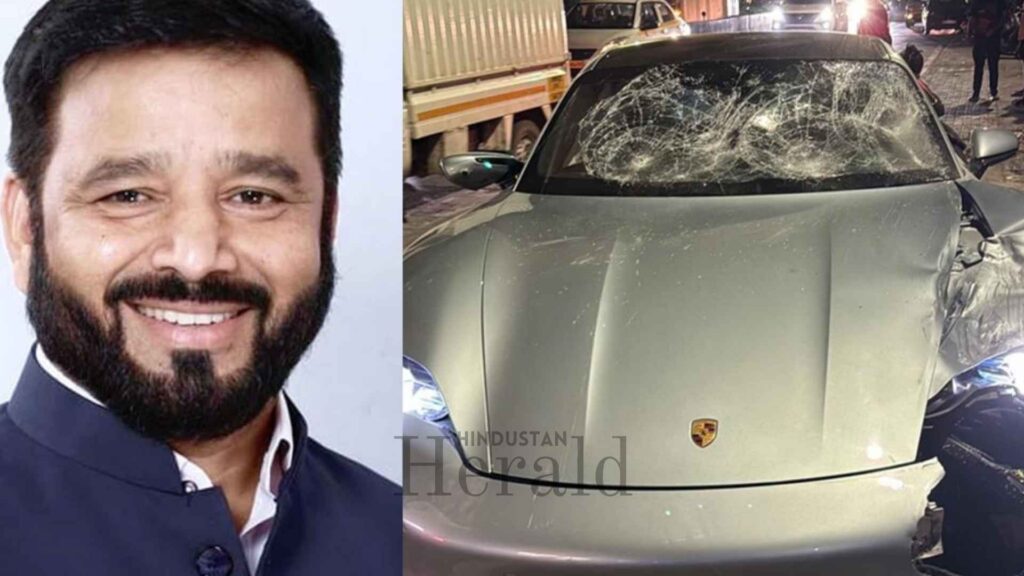
What followed was not just a criminal case but a public reckoning. The initial decision by the Juvenile Justice Board to grant bail with an essay-writing condition triggered outrage across the country. Bail terms were later tightened. Investigations widened. Allegations of blood sample tampering brought his father under scrutiny. On February 2 this year, the Supreme Court granted bail to Vishal Agarwal in that related case. Other parents named in the matter received bail on February 18, citing parity.
The legal process continues. The anger never fully left.
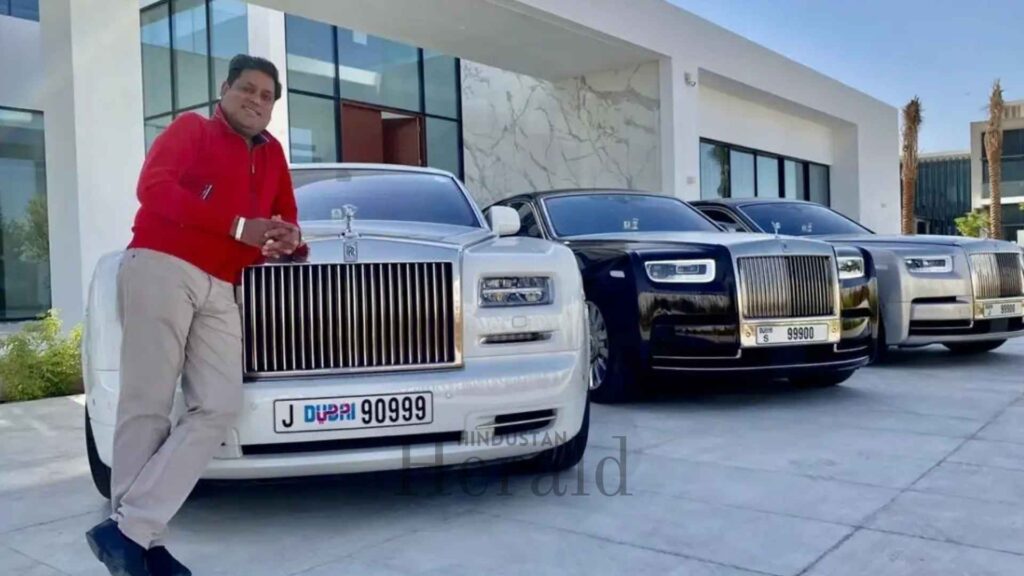
And then there was August 2023.
A Rolls-Royce Phantom travelling in a convoy near Nuh crashed into an oil tanker. Two people inside the tanker died. The car was linked to Vikas Malu, director of the Kuber Group. His legal team argued the tanker had taken an illegal U-turn. The investigation remains ongoing.
Each of these cases has its own facts. Different states. Different courts. Different evidence.
Yet in public memory, they merge.
A supercar. A young, wealthy man. A crash. A driver who briefly appears ready to take the fall. A bail order that sparks fury.
The details shift. The outline stays intact.
Why This Keeps Cutting Deep
India records more than 1.5 lakh road deaths every year, according to government data. Most involve two-wheelers, buses, trucks. Most victims are ordinary citizens whose names never trend.
Luxury car crashes are statistically rare.
But they do something else. They expose inequality in its rawest form.
Speed becomes symbolic. The car is not just a vehicle. It is a marker of access, of insulation, of connections. When such a vehicle collides with a smaller one, the story writes itself in the public imagination: power versus vulnerability.
And when the first instinct appears to be a phone call home instead of concern for those hurt, it deepens that divide.
The Goa video is still under investigation. There is no public evidence yet of intoxication. No formal charge sheet has been released. No confirmation of any attempt to deflect blame.
It would be irresponsible to assume more than what is known. But perception has its own momentum.
The Bail Question
Every time one of these cases surfaces, the debate circles back to bail.
Lawyers are quick to point out that bail is not a favour. It is a constitutional right. The amount of a bond is determined by legal criteria, not by the price tag of the vehicle involved.
All true.
Yet it is difficult to explain that nuance to a public that sees a ₹10-crore car and a ₹20,000 bond in the same headline.
Optics matter in a democracy. They shape trust.
When undertrial prisoners languish for months over minor offences, and high-profile accused secure swift bail, even if legally sound, the contrast fuels resentment.
Courts cannot operate on sentiment. But institutions cannot ignore it either.
Goa’s Moment
For the Goa police, this case is straightforward in theory. Establish who was driving. Determine whether there was negligence or intoxication. Examine CCTV. File charges accordingly.
In practice, scrutiny will be intense.
Every procedural delay will be questioned. Every document leak dissected. Social media has already moved into investigative mode, speculating about the youth’s background and family.
That is the new reality. Accidents are no longer contained to FIRs and courtrooms. They unfold in parallel timelines: one legal, one digital.
The danger, of course, is that outrage outruns evidence.
The Larger Reckoning
India’s new wealth is visible, loud, and often young. Supercars are no longer confined to Mumbai’s sea-facing boulevards. They appear in Kanpur, Pune, Gurgaon, Goa.
There is nothing inherently wrong with that. Economic mobility is a sign of growth.
The problem arises when mobility on the road outpaces accountability.
Each of these cases has forced uncomfortable questions. Are juvenile laws equipped to handle crimes involving extreme recklessness? Do influence and resources distort the early stages of investigation? Is there equal treatment across socioeconomic lines?
There are no easy answers.
What is clear is this: the public is watching more closely than before.
The Goa video may turn out to be a minor case of negligence. It may result in a routine charge sheet and fine. Or it may spiral into something larger if aggravating factors emerge.
For now, the facts are limited.
A crash. A viral phone call. A detained vehicle. An investigation is underway.
But in a country carrying the memory of Kanpur, Pune and Nuh, even a single sentence can ignite a fire.
“Papa… suddenly ho gaya crash.”
It is not just what was said. It is what people believe it represents.
Stay ahead with Hindustan Herald — bringing you trusted news, sharp analysis, and stories that matter across Politics, Business, Technology, Sports, Entertainment, Lifestyle, and more.
Connect with us on Facebook, Instagram, X (Twitter), LinkedIn, YouTube, and join our Telegram community @hindustanherald for real-time updates.

Covers Indian politics, governance, and policy developments with over a decade of experience in political reporting.
- Ananya Sharma

- Ananya Sharma
- Ananya Sharma
- Ananya Sharma