
 By Rajiv Menon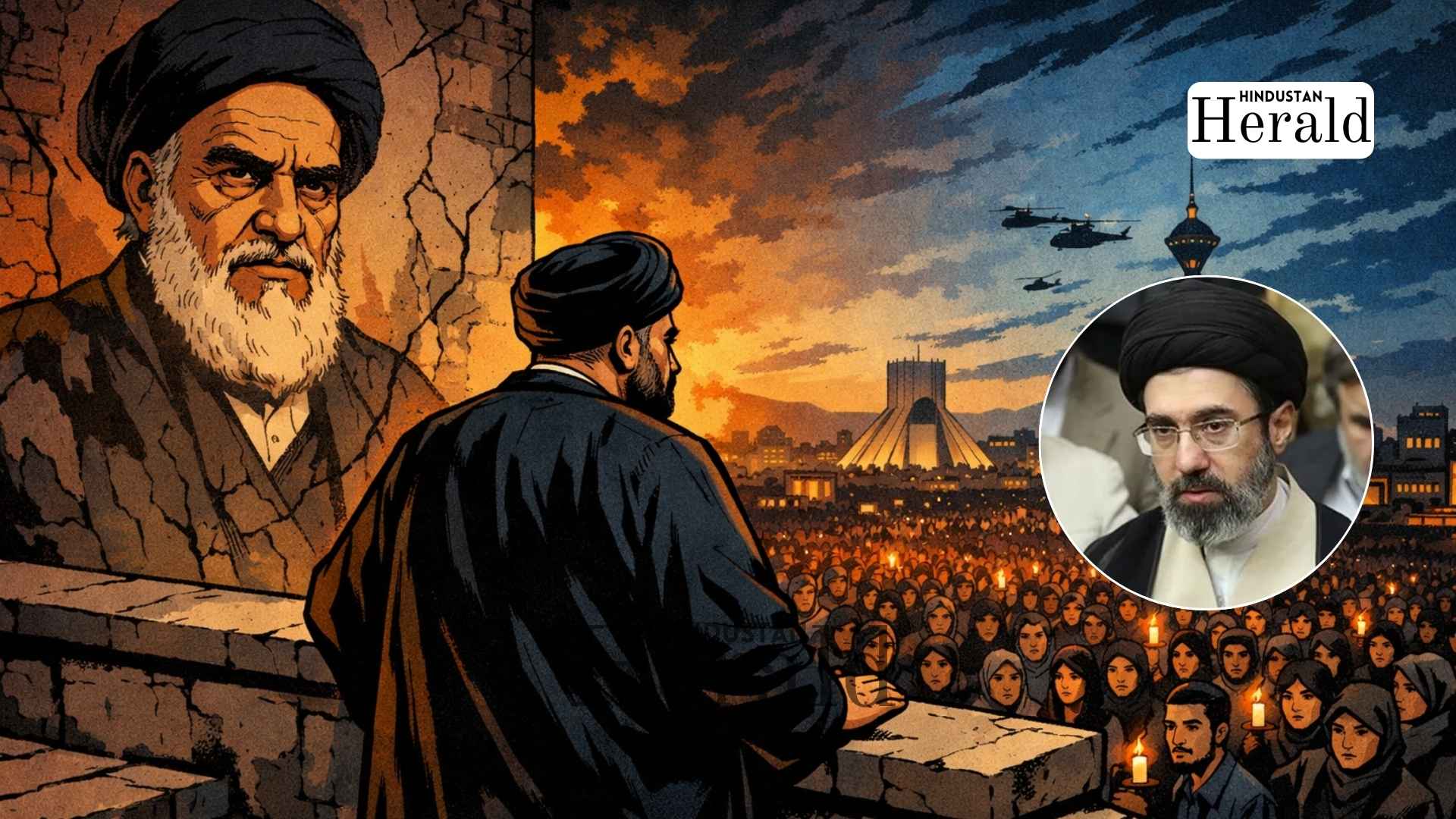
New Delhi, March 4: A man nobody outside Tehran had ever really heard speak just became the most powerful person in one of the world’s most dangerous countries. And the way it happened tells you almost everything about where Iran is headed.
Let’s start with the basics.
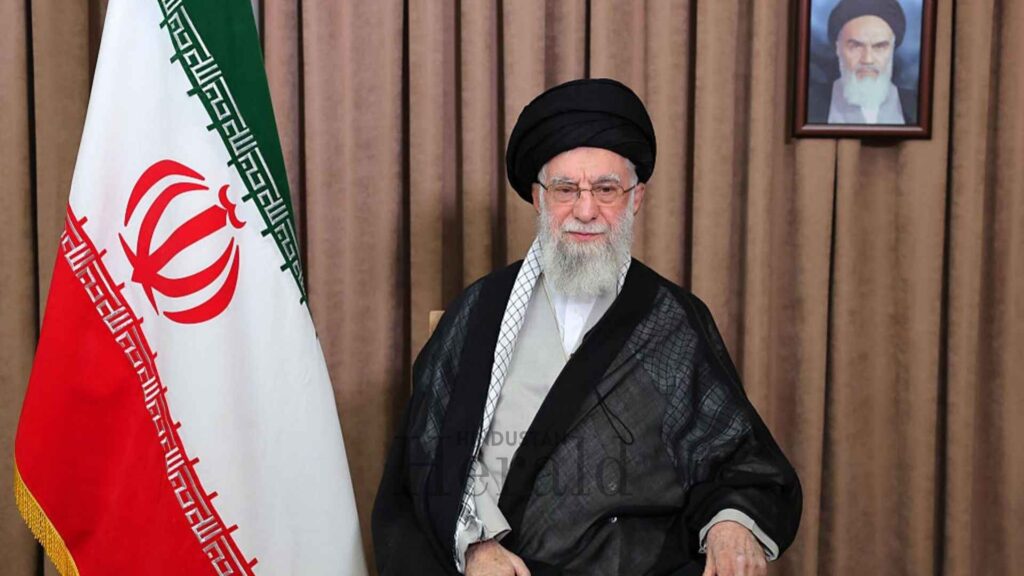
Ayatollah Ali Khamenei is dead. He was killed on February 28 when American and Israeli warplanes struck targets inside Iran in an operation the two militaries called Operation Epic Fury. He had run Iran for 35 years. He was 84. And now, less than a week later, his 56-year-old son Mojtaba is sitting in his chair.
That is not a normal thing. Not in Iran. Not by any reading of what the Islamic Republic is supposed to stand for.
But we’ll get to that.
First, Who Actually Is This Man
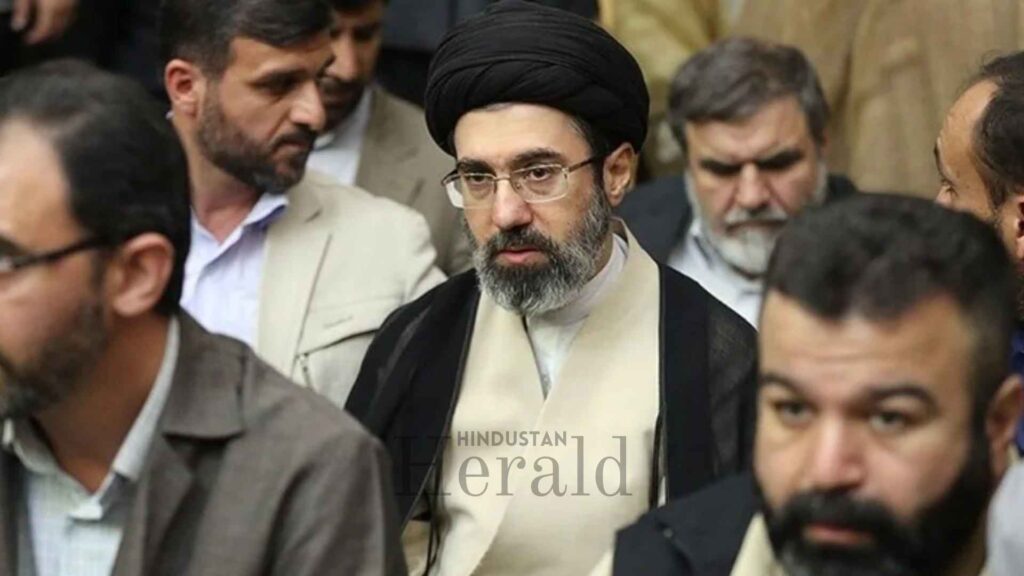
Most people, including most Iranians, would struggle to recall hearing Mojtaba Khamenei give a speech. He has never won an election. He has never held a ministry. He has no official title that would appear on a government website. For decades, he worked inside his father’s office, quietly deciding things: who got promoted, who got sidelined, which intelligence files went where, which generals got access to the Supreme Leader, and which didn’t.
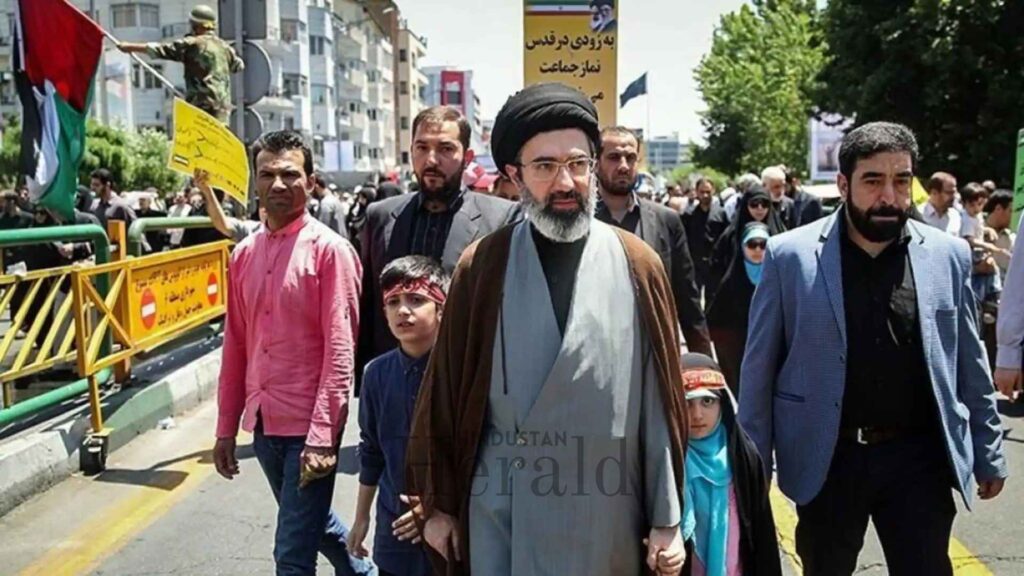
He fought in the Iran-Iraq War in the 1980s when he was a teenager, which gave him deep roots in the military establishment. He is technically a cleric; his title is Hojatoleslam, but that rank sits well below what is traditionally expected of someone leading the entire Islamic Republic. Think of it this way: if the Supreme Leader is supposed to be the most qualified Islamic scholar in the country, Mojtaba is not even close to that bar by the standards of Iran’s own clerical community.
He is 56 years old. Born in Mashhad. Rarely photographed and rarely quoted directly. And as of this week, the most powerful man in a country of 90 million people that sits on some of the world’s largest oil reserves and is in the middle of an active military conflict with the United States and Israel.
So How Did This Happen So Fast
There is a body in Iran called the Assembly of Experts. It is made up of senior clerics, and its main job, basically its only real job, is to choose the Supreme Leader. It is supposed to deliberate carefully and pick the most qualified religious jurist in the land.
It announced its decision within days of Ali Khamenei’s death.
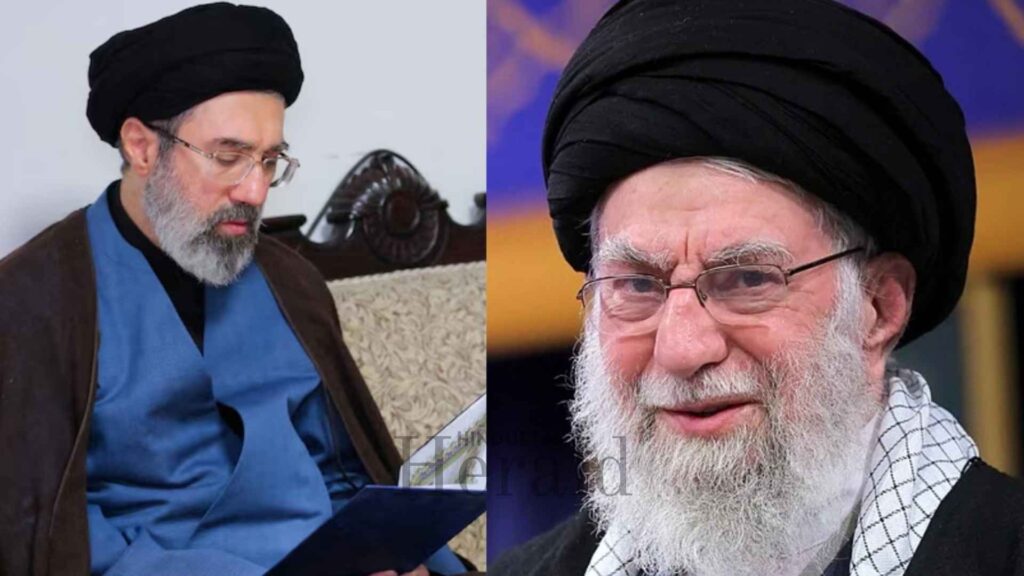
That is not careful deliberation. That is someone pressing fast-forward.
The reason, according to Reuters and BBC Persian Service, is the Islamic Revolutionary Guard Corps (IRGC). Think of them as Iran’s most powerful military and intelligence organisation rolled into one, with fingers in the economy, the media, and the government. They did not want a drawn-out process. They did not want reformist clerics to gain ground. They did not want weeks of uncertainty while American and Israeli bombs were still potentially falling.
They wanted someone they could work with. Someone they already had a relationship with. Someone who had spent twenty years protecting their interests from inside the Supreme Leader’s office.
They got exactly that.
Why This is Such a Big Deal Ideologically
Here is the part that should make any historian of Iran sit up straight.
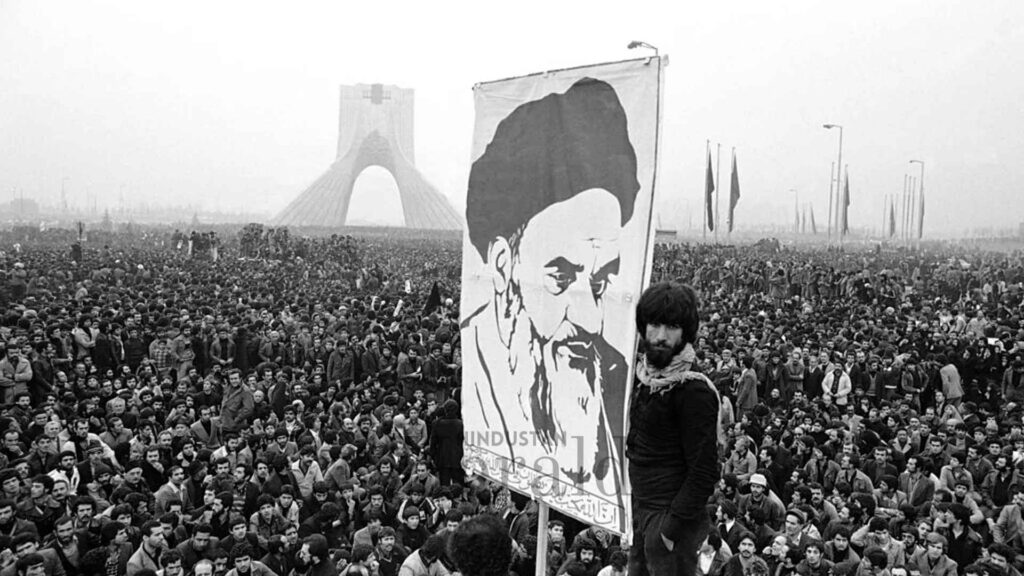
The 1979 Islamic Revolution overthrew a king. The Shah. A man whose family had ruled Iran because they were born into the right bloodline. The revolution’s entire moral argument, the reason millions of Iranians poured into the streets, was that hereditary rule was illegitimate. That power should flow from religious knowledge and public service, not from whose father sat on which throne.
And now, in 2026, Iran has just handed its highest office from a father to his son.
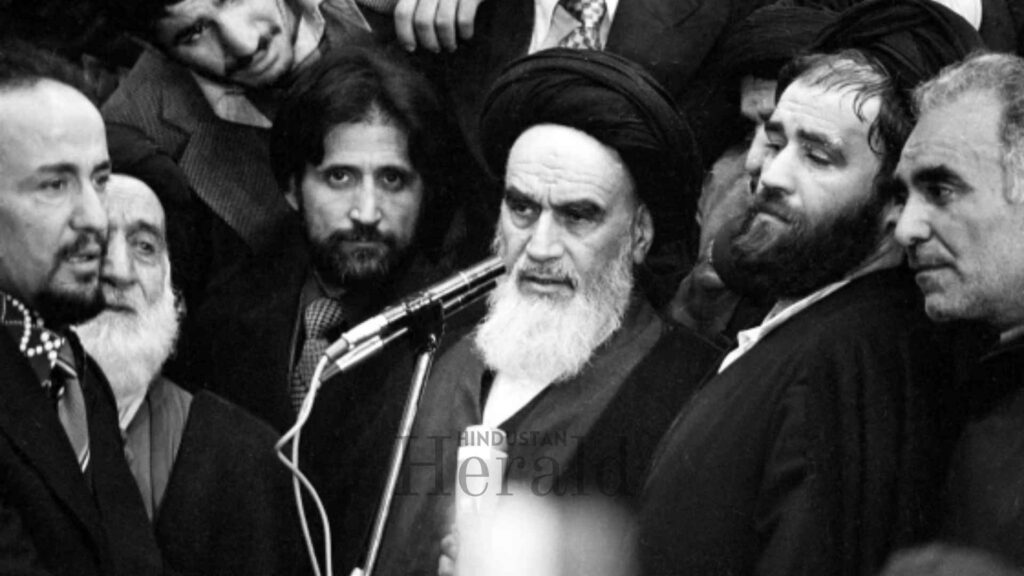
The irony is not lost inside Iran. It is already spreading through whatever corners of the internet Iranians can still access, according to monitors at Reporters Without Borders. People are making the comparison openly: the Pahlavis are gone, but apparently the principle of the dynasty is alive and well.
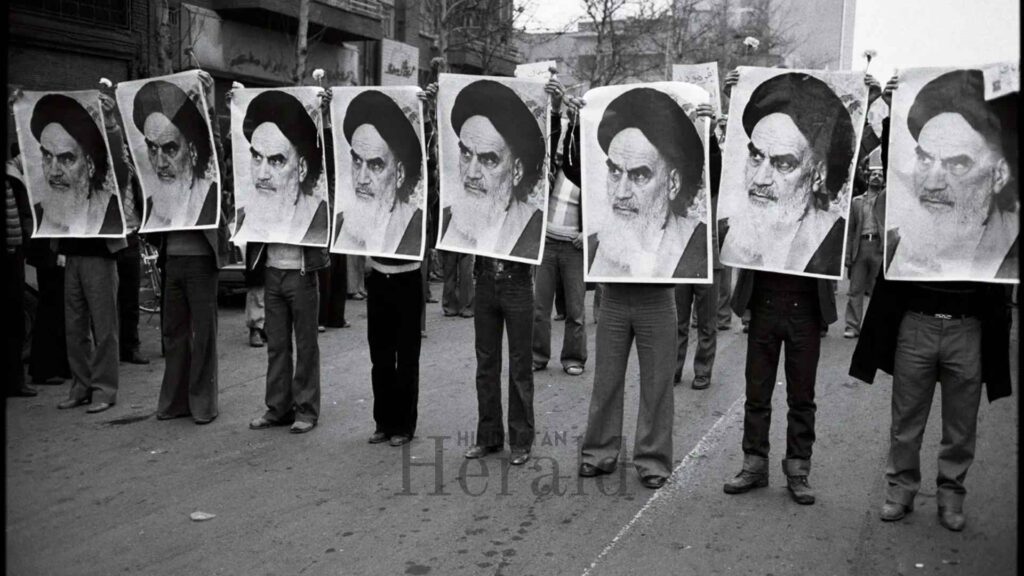
Senior clerics in Qom, the city that functions as the Vatican of Shia Islam, have not publicly backed the appointment, according to Iran International. In a system where religious legitimacy is everything, that silence is significant. It does not mean rebellion. It means doubt. And doubt, in a country already under military pressure and economic strain, is not a small thing.
What Israel Said Out Loud
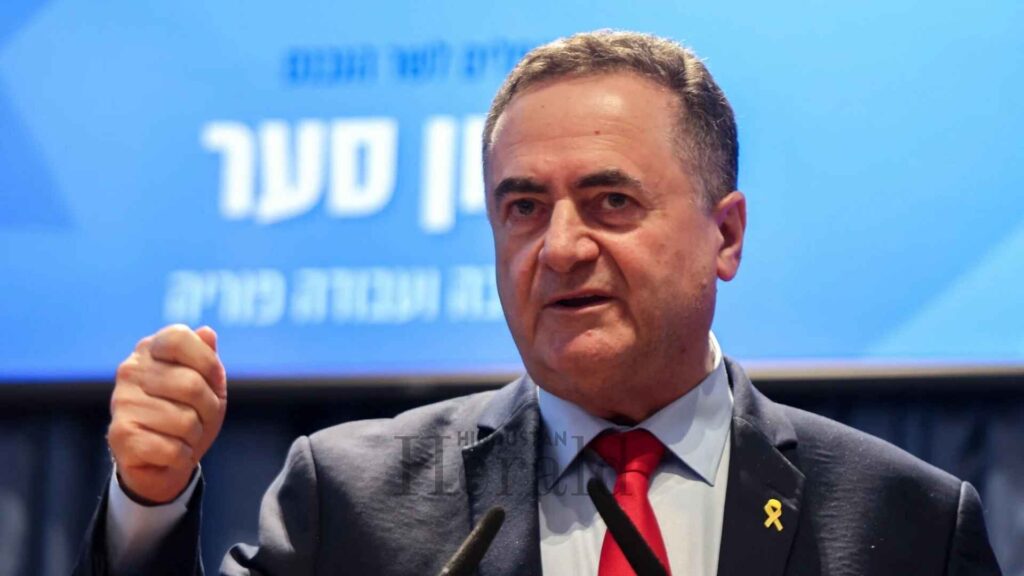
Within hours of the news breaking, Israeli Defense Minister Israel Katz made a statement that most governments would never say publicly.
He said, as reported by The Times of Israel, that any successor who continues the current regime’s policies toward Israel should consider himself a target.
Read that again slowly.
Israel is openly saying: we killed your Supreme Leader, and if the new one behaves the same way, we may kill him too.
This is a genuinely new place for the Middle East to be in. Targeted killing of a senior political-religious leader is one thing. Publicly warning the replacement that he faces the same fate is something else entirely. It is designed to create a choice change course or face consequences delivered in the bluntest possible language.
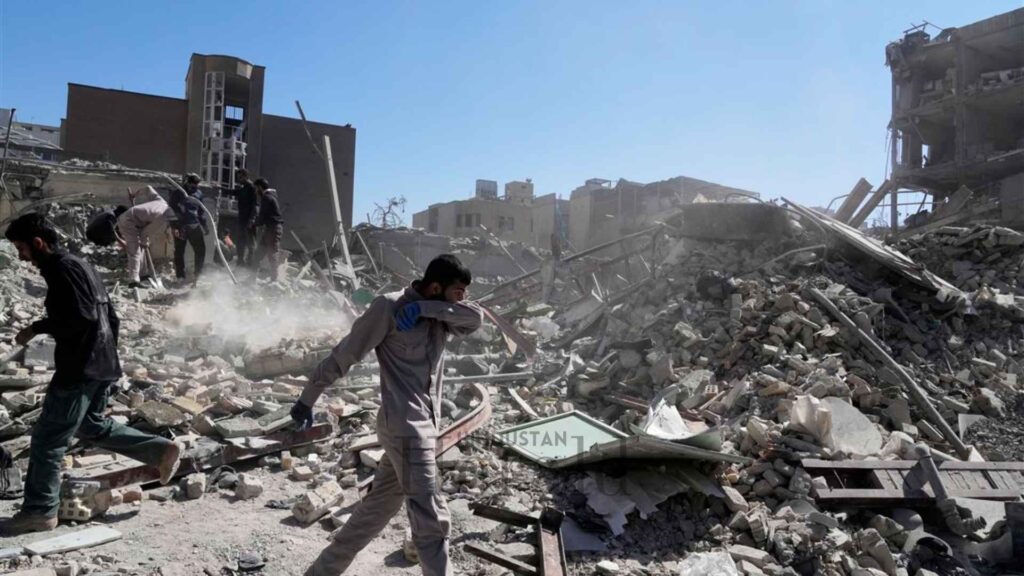
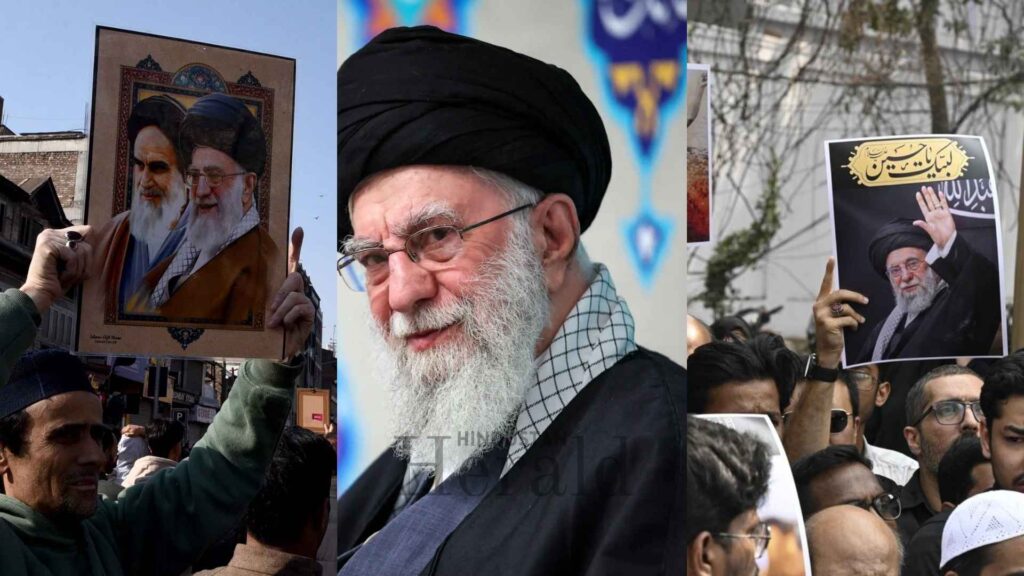
Whether it works is a different question. History suggests that when foreign powers kill national leaders, populations tend to unite in grief rather than fracture in doubt. Early reports from Tehran, still unverified, describe mourning for the elder Khamenei that is deeper and more widespread than many outside observers expected, given how unpopular the government has been in recent years. Whether that grief flows toward his son as a kind of inherited sympathy remains to be seen.
What This Means If You Live in India
You might be wondering why any of this matters if you are sitting in Mumbai, Chennai, or Lucknow.
It matters for a few reasons that hit close to home.
Petrol prices are the most immediate ones. Iran sits at the mouth of the Strait of Hormuz, a narrow stretch of water through which roughly one in every five barrels of oil traded globally must pass. Iran has threatened to close it before during periods of crisis. A new, untested Supreme Leader consolidating power during an active conflict, under IRGC supervision, is exactly the kind of situation that makes oil markets nervous. Brent crude jumped sharply on Wednesday morning, as per tracking by Bloomberg. That will filter through to fuel costs at Indian pumps in the days ahead, according to petroleum industry sources speaking to Business Standard.
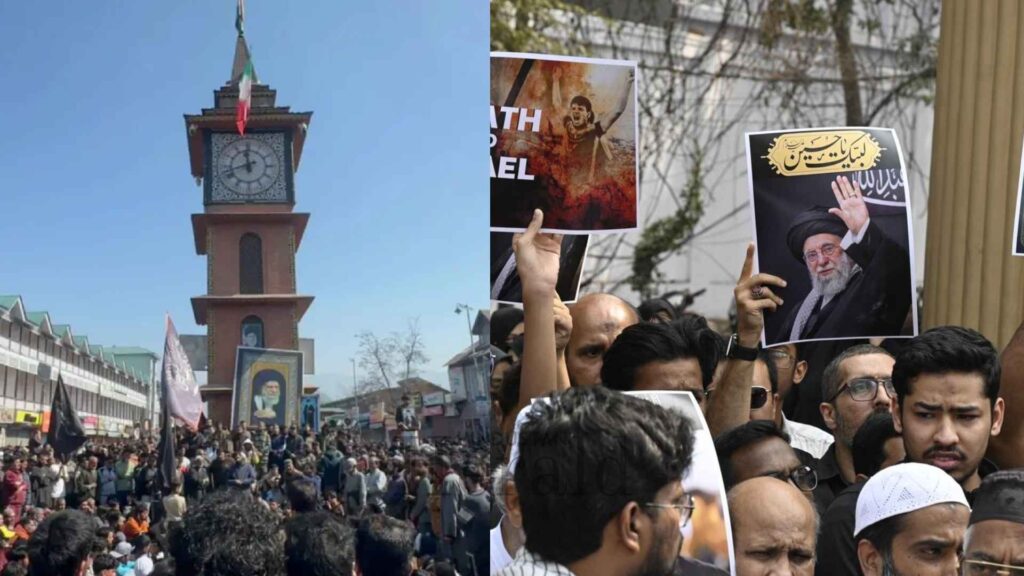
Beyond petrol, India has a significant infrastructure bet in Iran. The Chabahar Port project, a deep-sea port on Iran’s southeastern coast, is India’s answer to Pakistan’s Gwadar Port, which China built. It gives India a route into Afghanistan and Central Asia without having to go through Pakistani territory. That project’s future now depends on who Mojtaba Khamenei decides to be as a leader, and whether the U.S. decides that ongoing Indian engagement with Iran is something it is willing to tolerate as the military campaign continues.
The Ministry of External Affairs in New Delhi has not said a word publicly. That is not unusual. India rarely comments on internal succession in foreign states. But behind closed doors, the calculation is getting harder. India has managed to keep decent relations with both Iran and the United States and Israel for years. That balancing act just got significantly more difficult.
The Funeral Comes Before the Coronation
Mojtaba Khamenei has not yet been formally installed in the full public sense. That ceremony is expected to follow his father’s state funeral, which is being organised in Mashhad, Ali Khamenei’s birthplace and the location of the Imam Reza Shrine, one of the most sacred sites in Shia Islam.
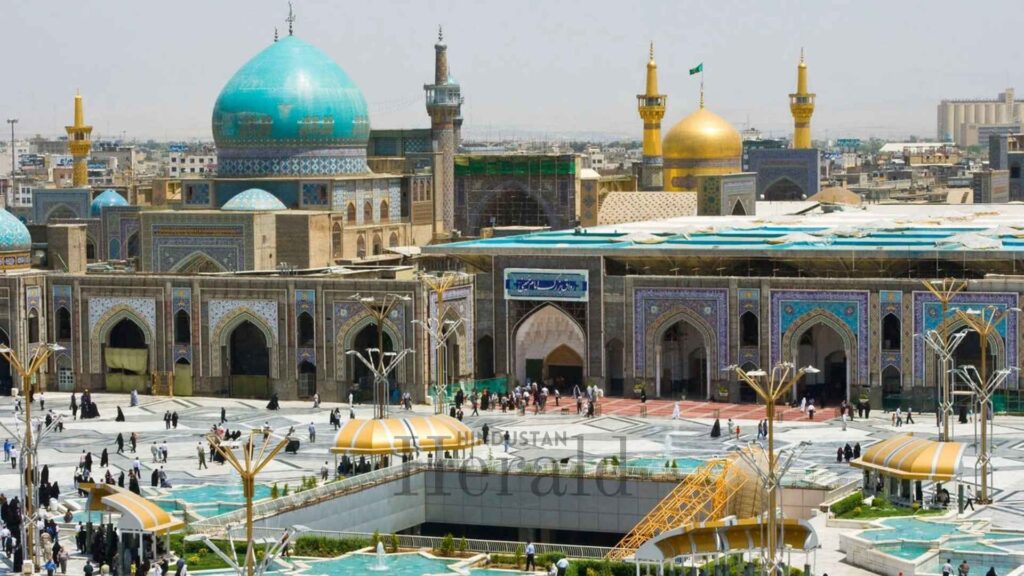
The funeral will be watched very carefully. Not just as a moment of mourning but as a political statement. How the military presents itself. Which clerics stand where? Whether the imagery projects unity or reveals cracks. Whether ordinary Iranians show up in large numbers out of genuine grief or stay home. State funerals in authoritarian systems are choreographed, but crowds are not always so cooperative.
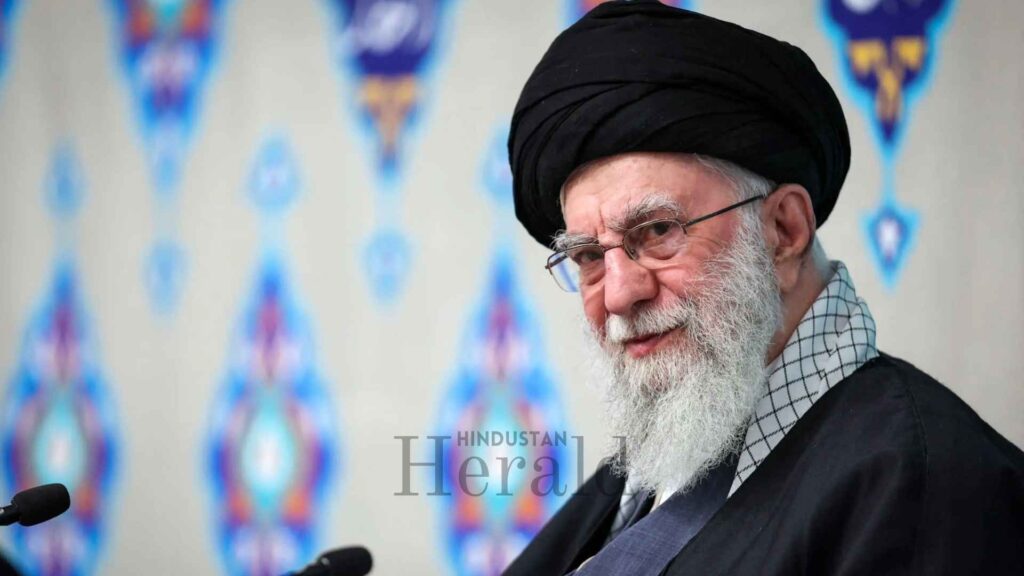
After that, Mojtaba Khamenei steps fully into the light, a man who spent his entire career deliberately staying out of it.
The Bottom Line
What happened this week in Iran is not just a leadership change. It is a test of whether the Islamic Republic can survive the death of the man who defined it, a military campaign that killed him, and a succession that contradicts its own founding values all at the same time.
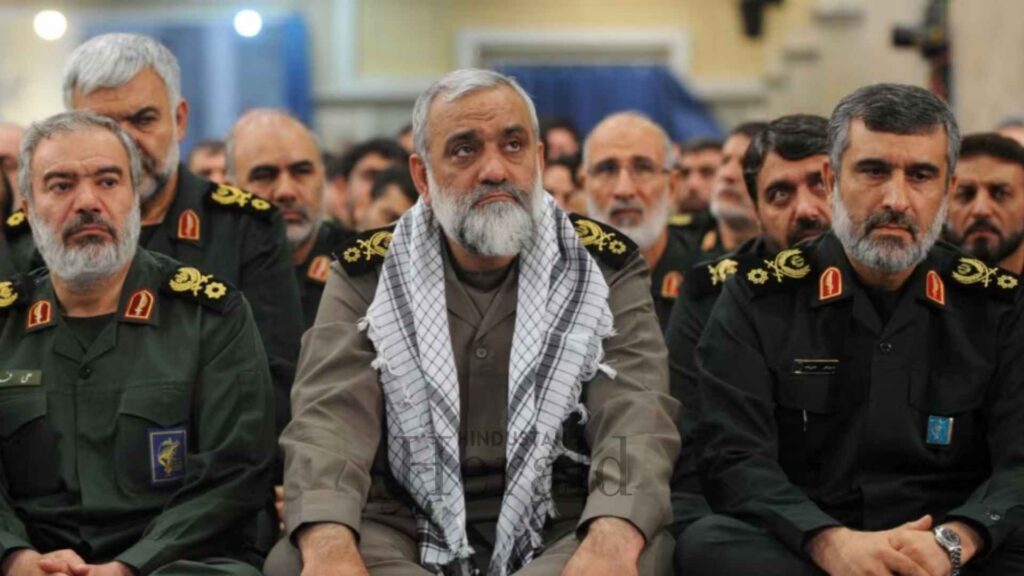
The IRGC thinks it can manage all of that by keeping power close and moving fast. They may be right. They have been managing Iran’s contradictions for decades.
But they have never had to do it while an active military operation is ongoing, while Israel is publicly threatening the new Supreme Leader before he has even been formally installed, and while their own clerical establishment is watching in quiet discomfort.
Mojtaba Khamenei is now in charge of one of the most complex countries on earth. He has his father’s office. He has the IRGC’s backing. What he does not yet have and what no one can hand him is legitimacy.
That he will have to earn. And right now, the world is not in a patient mood.
Stay ahead with Hindustan Herald — bringing you trusted news, sharp analysis, and stories that matter across Politics, Business, Technology, Sports, Entertainment, Lifestyle, and more.
Connect with us on Facebook, Instagram, X (Twitter), LinkedIn, YouTube, and join our Telegram community @hindustanherald for real-time updates.
Specializes in South Asian geopolitics and global diplomacy, bringing in-depth analysis on international relations.
- Rajiv Menon

- Rajiv Menon
- Rajiv Menon
- Rajiv Menon



 Shelesh Joshi and Rajiv Menon