
 By Neeraj Kapoor
New Delhi, March 4: Apple dropped some news today, and depending on who you are, this either changes nothing for you or it changes quite a bit.
They made a cheaper MacBook. Like, actually cheaper. Not cheaper-for-Apple cheaper. Cheaper cheaper.
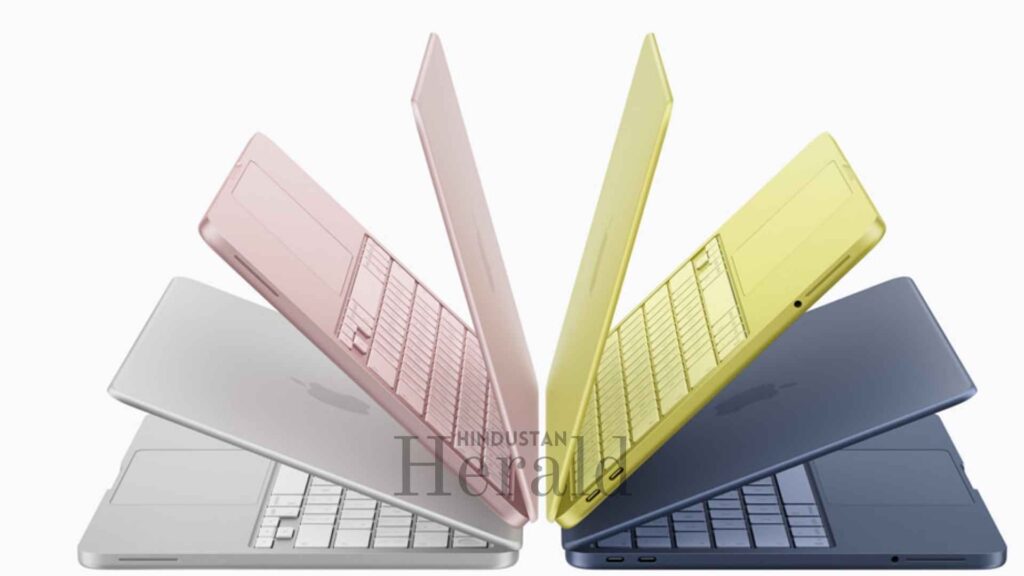
It is called the MacBook Neo, and it starts at Rs 69,900 in India. America gets it for $599. Students in America pay $499. You can order it today, and it will show up on March 11.
That is the whole thing in three lines. But let me tell you why it actually matters, because the price alone does not tell the full story.
Nobody Thought Apple Would Do This
Go back five years. Go back even two years. If you told someone that Apple was going to sell a MacBook in India for under seventy thousand rupees, they would have laughed at you. Apple just did not operate that way. Their entry price was always around a lakh, sometimes more, and if you could not afford that, well, there was always the refurbished section on their website.

A lot of people in India who genuinely wanted a Mac just gave up and bought something else. Not because they did not want it. Because a lakh of rupees is a lakh of rupees. That is rent for some people. That is a family’s monthly grocery budget times two. That is real money, and Apple knew it and did not budge for years.
So when a new Mac shows up today at Rs 69,900, that thirty thousand rupee drop actually means something. It is not charity. Apple is not doing anyone a favour. They are trying to sell more laptops to people who kept saying no. But the effect for the buyer is the same either way.
What the Thing Looks Like
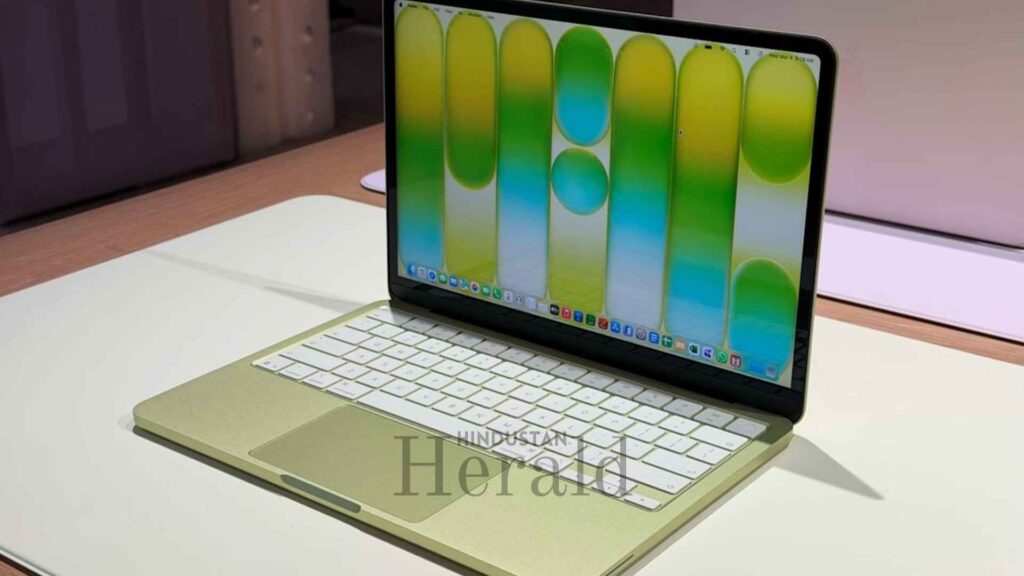
It is light. 1.22 kilograms. That is less than most water bottles people carry around in their bags. The frame is aluminium, the edges are a bit rounder than those of older Macs, and it does not look cheap. It looks like a Mac, which is the whole point.
Colours are Blush, Indigo, Silver, and Citrus.
Blush is that warm peachy pink that will absolutely be the most photographed colour on Instagram within a week of launch. Citrus is a bright, punchy yellow that either you love immediately or you think is ridiculous. Indigo is for people who want something different but not too different. Silver is for people who just want a laptop and do not want to think about colours.
Apple picked these colours on purpose. These are not boardroom colours. These are aimed squarely at people in their late teens and twenties who are buying their first serious laptop and want it to feel like theirs.
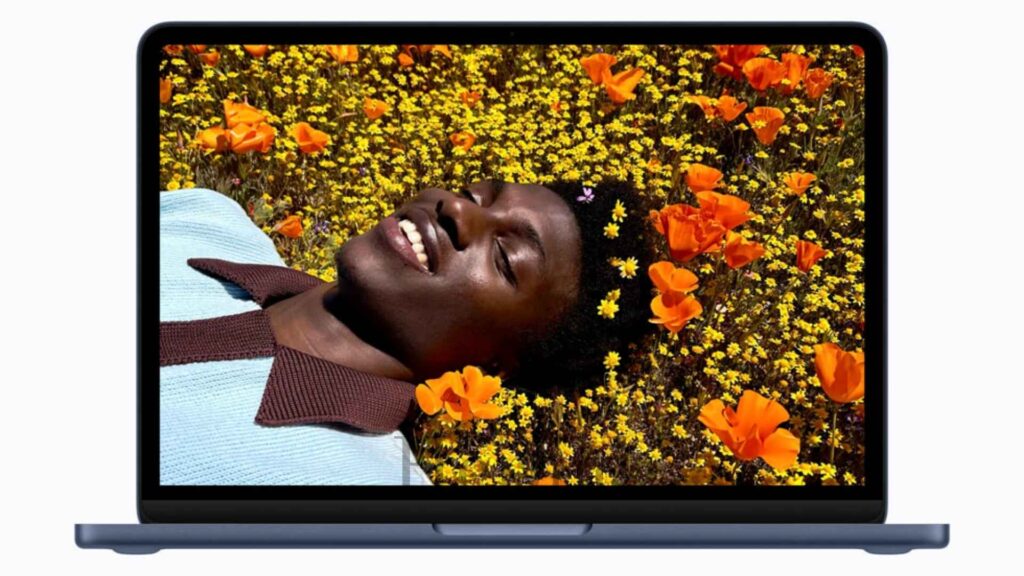
The screen is 13 inches, Liquid Retina, 500 nits. In normal English, that means sharp, bright, and good enough that you will not be disappointed. Text looks clean. The photos look nice. You can use it near a window without fighting your own reflection all day.
The battery they are claiming is 16 hours. I will believe it properly once people start using it in real life, but even if it delivers 13 or 14 hours, that is a full working day without touching a charger. For students, especially, that is a genuine quality-of-life thing.
The Chip Part, Explained for Humans
There is a chip inside called the A18 Pro. Same one that was in the iPhone 16 Pro last year.
Here is why you should care about that, even if you have never thought about chips in your life.
This chip is so efficient with power that the MacBook Neo does not have a fan inside it. At all. None. The laptop is physically incapable of making fan noise because there is no fan to make noise. You open it, you work, it stays completely silent no matter what you are doing. No humming. No sudden jet engine sounds when you open too many tabs. Just quiet.
That sounds like a small thing until you have spent three years with a laptop that sounds like it is preparing for takeoff every time you open YouTube.
The chip also runs all the Apple Intelligence features. A smarter Siri that can actually understand what you are asking. Writing tools that clean up your emails. Summarising long articles into a few lines. Image generation. All of it running on the laptop itself, not being sent off to some server somewhere. Which means it is fast, and your data is not leaving the device.
Where it runs into trouble is the heavy stuff. Proper video editing. Complex 3D work. Running big software that grinds away for hours. The A18 Pro is a phone chip adapted for a laptop, and there is a ceiling to what it handles comfortably. The more expensive Macs have chips specifically built for laptop workloads, and they handle that kind of sustained pressure better. But for the overwhelming majority of what most people actually do on a laptop every day, the Neo is more than enough.
Two Versions and One Genuinely Irritating Decision
Apple is selling this in two variants.

Rs 69,900 version: 8GB RAM, 256GB storage. No fingerprint sensor. You type your password to unlock it, like it is 2014.
The more expensive one at $699 in the US: 512GB storage. And they put the fingerprint sensor back in.
The fingerprint sensor thing is the part that bothers people, and honestly, it should. Touch ID has been on MacBooks for years. It is convenient, it is quick, and it is how you approve payments and unlock your screen without typing anything. Removing it from the cheapest version and then charging extra to get it back is a move that Apple knows exactly what it is doing with. They want some of the people who planned to buy the base model to look at that missing feature and decide whether the upgrade is worth it.
Whether it is worth it depends entirely on how much the fingerprint thing matters to your daily life.
The 256GB storage on the base is also a genuine conversation. Once the operating system is on there, plus your basic apps, you are starting from a smaller number than 256 already. Add photos over a year or two, some downloaded shows, work files, and you start feeling the walls. If your life lives in Google Drive or iCloud and you stream everything, you might be fine. If you are the kind of person who downloads stuff and keeps it locally, the base model might start irritating you before you expected it to.
The India Angle Nobody Is Really Talking About
Rs 69,900 is significant in the Indian context in a way that goes beyond the number itself.

The laptop market in India, where real volume happens, is between Rs 40,000 and Rs 80,000. That is where Dell, HP, Lenovo, and ASUS have been fighting each other for years, with no Mac anywhere in the picture. A Rs 99,900 starting price meant Apple was competing in a completely different conversation. It was luxury adjacent. Something you saved up for, or got as a gift, or bought after a promotion.
At Rs 69,900, the Neo walks into that Rs 40,000 to Rs 80,000 room for the first time. It is not at the cheap end of it. But it is in the room. And once it is in the room, people start comparing it seriously against a Rs 70,000 Dell XPS or a Rs 68,000 ASUS Zenbook and asking questions they never asked before. Silent fanless operation versus a Windows machine fan that goes loud. Sixteen hours of battery versus eight or nine. macOS versus Windows. These are real comparisons now, not theoretical ones.
The student pricing gap is a real problem, though. American students pay $499. Indian students pay Rs 69,900. Same product. No discount here. Apple has education pricing programs in India for institutions, but nothing that helps an individual student just trying to buy a laptop. That is a hole in the strategy and honestly a bit tone-deaf given that the whole marketing angle of this laptop is young people and students.
Oh, and the Rest of the Mac Lineup Got Updated Too
While everyone is focused on the Neo, Apple also quietly pushed out updates across the whole laptop range this week.
MacBook Air now has the M5 chip and comes with 512GB of storage by default instead of 256GB. If you were going to buy a MacBook Air anyway, the timing worked out for you.
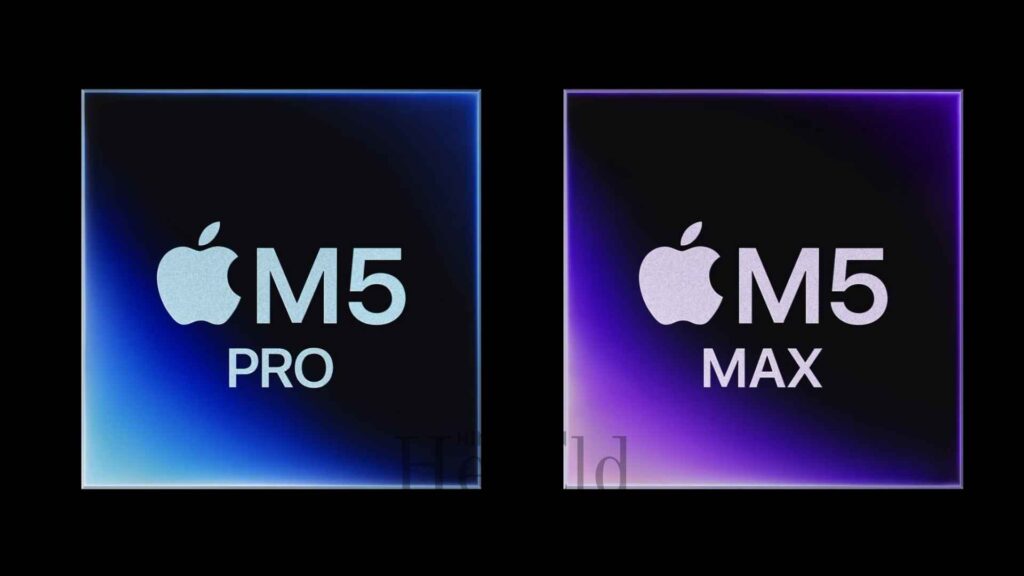
MacBook Pro got M5 Pro and M5 Max chips, plus something called a Neural Accelerator for people doing heavy AI work on the machine. The battery on the highest-end version is claimed to last 24 hours. Twenty-four. If that is even close to accurate in real use, that is genuinely remarkable for a professional laptop.
The lineup now makes sense in a way it has not always done. Neo for people coming in. Air for people who want the full experience at a sane price. Pro for people who need real horsepower for work. Three tiers, three clear audiences.
So Should You Buy It
That depends on who you are.

If you are a student or young professional who has wanted a Mac for years but always had something more urgent to spend a lakh on, this is worth looking at seriously. The battery alone makes it competitive. The silence is genuinely pleasant to live with. macOS is a good operating system, and the Apple Intelligence features are actually useful in day-to-day life.
If you do heavy creative or technical work professionally, spend the extra money and get the MacBook Air with the M5 chip. The Neo is not built for that, and you will notice.
If the missing Touch ID on the base model genuinely bothers you, either accept it or go for the second tier with 512GB and fingerprint unlock. The two-thousand-rupee stretch, or whatever the India price difference turns out to be, is probably worth it for daily convenience.
Preorders are open right now. Deliveries start March 11.
For a lot of people in India, this is the first time a new Mac has shown up at a price that does not immediately end the conversation.
That is new. That is actually new.
Stay ahead with Hindustan Herald — bringing you trusted news, sharp analysis, and stories that matter across Politics, Business, Technology, Sports, Entertainment, Lifestyle, and more.
Connect with us on Facebook, Instagram, X (Twitter), LinkedIn, YouTube, and join our Telegram community @hindustanherald for real-time updates.

Tech writer passionate about AI, startups, and the digital economy, blending industry insights with storytelling.
- Neeraj Kapoor

- Neeraj Kapoor
- Neeraj Kapoor
- Neeraj Kapoor