 By Ayesha Khan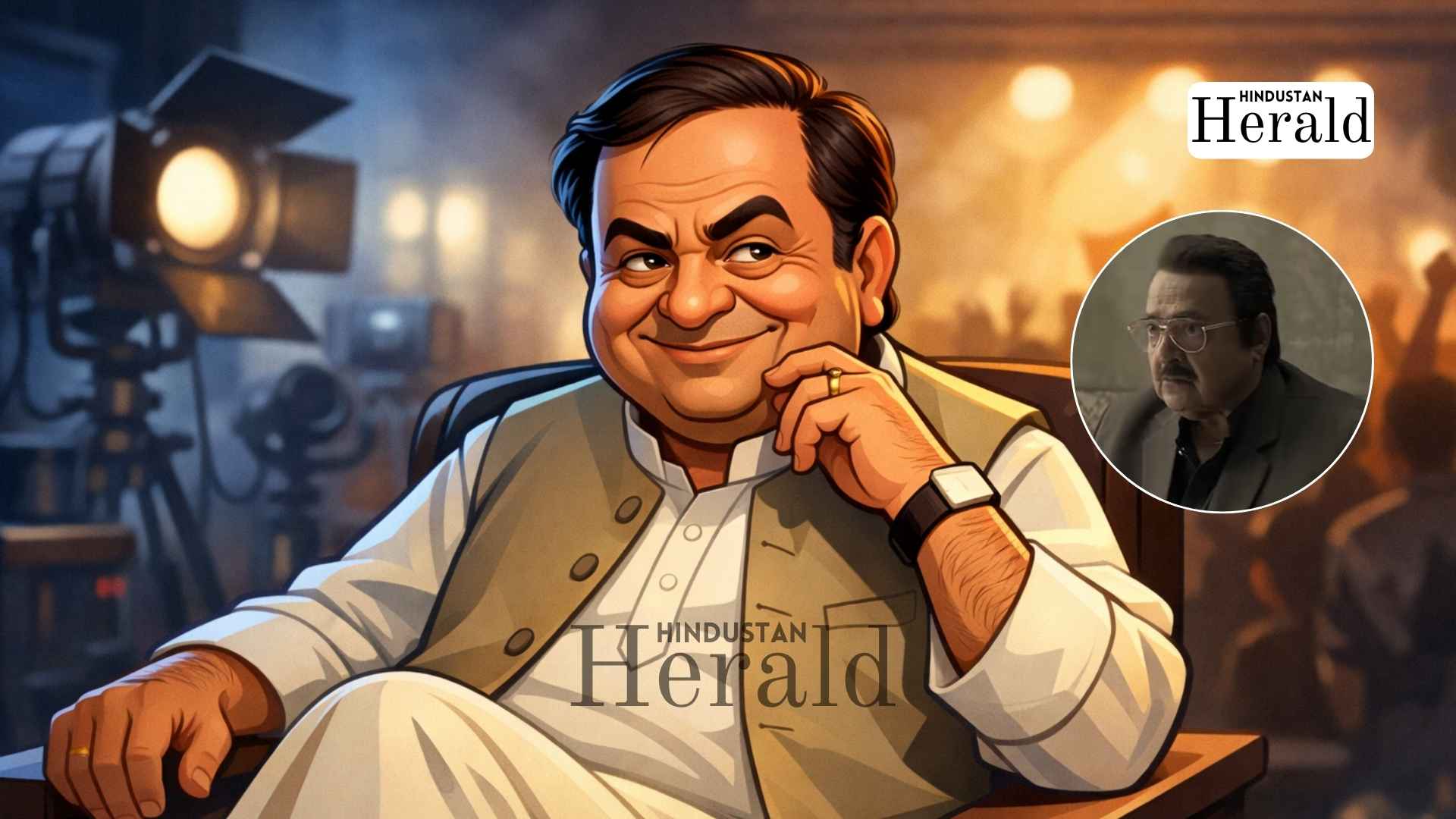
Mumbai, March 21: Dhurandhar: The Revenge thinking they would spend the next two days arguing with strangers on the internet about a 71-year-old character actor.
And yet, here we are.
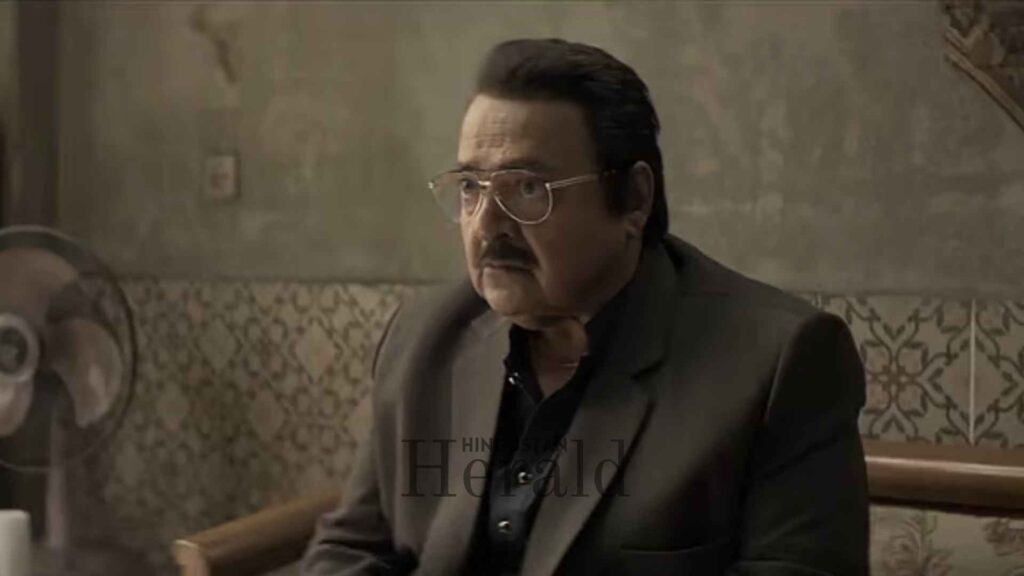
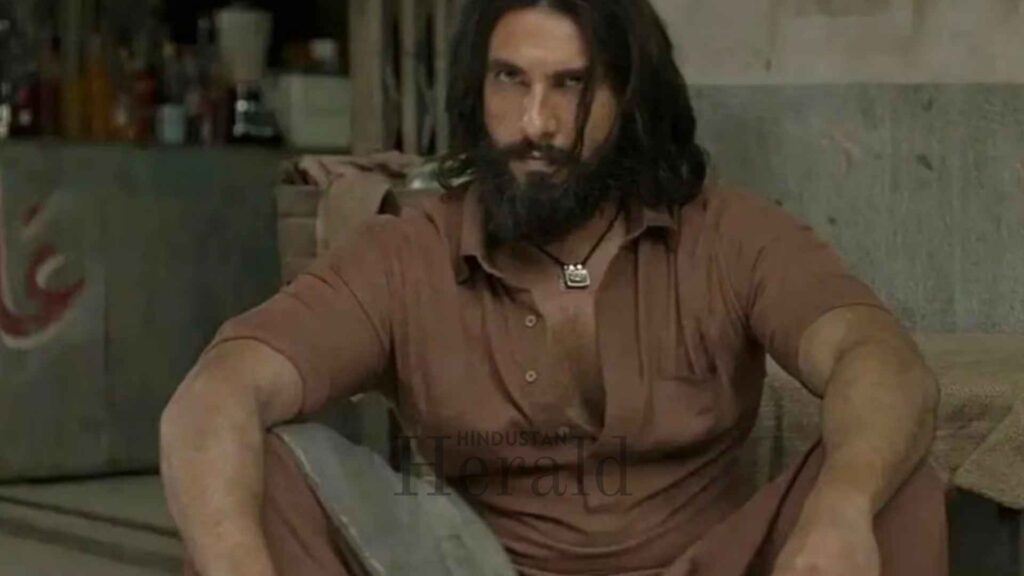
Since Aditya Dhar’s monster sequel hit screens on March 19, the one name that keeps coming up in comment sections, in WhatsApp forwards, in office conversations on Monday morning is Rakesh Bedi. Not Ranveer Singh, who is brilliant in the film. Not Akshaye Khanna, who broke the internet with the first part. Rakesh Bedi. The man your parents know from Chashme Buddoor. The guy from Shrimaan Shrimati. That uncle-type actor who always showed up in supporting roles and quietly made every scene better than it needed to be.
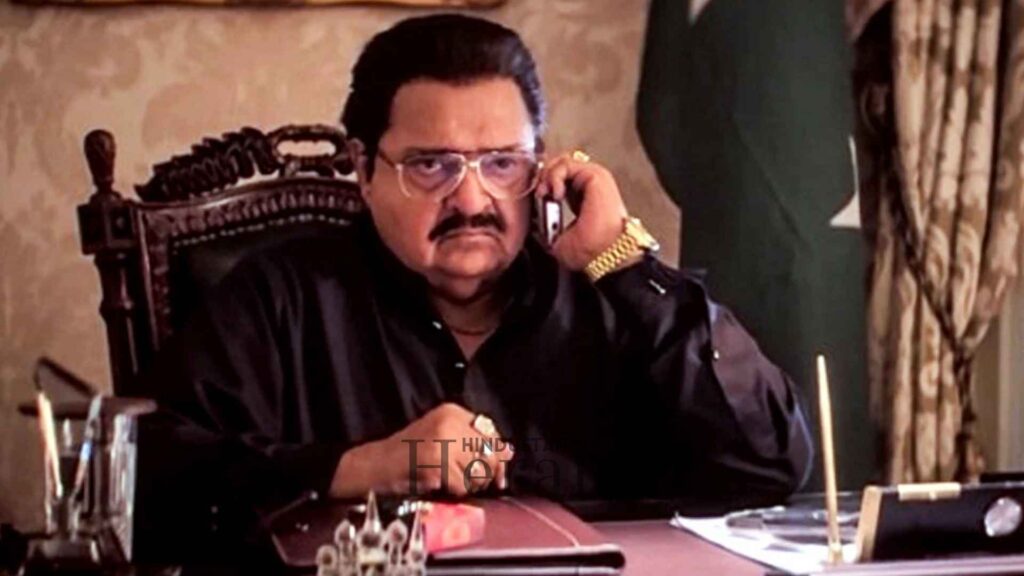
He plays Jameel Jamali, a Karachi politician who smiles too much and means none of it. And right now, he is the most talked-about character in Indian entertainment.
So What Actually Happened at the Box Office?
Before we get into Bedi and we will get into Bedi it is worth understanding just how large this film has landed. Because the size of the release explains a lot of the noise.
On its first day in India, Dhurandhar: The Revenge collected Rs 102.55 crore net across 21,728 shows. Worldwide, the film grossed approximately Rs 236.63 crore on opening day surpassing the opening-day worldwide collections of Baahubali 2, Pathaan, Jawan, and Kalki 2898 AD in one go.
Those are not just big numbers. Those are numbers that make people stop and read twice.
For a point of comparison: the first Dhurandhar, released in December 2025, had opened at Rs 33.60 crore on Day 1. Part 2 opened at Rs 172.60 crore including previews. That is more than five times what the original managed. In less than four months. With the same director, same lead actor, same franchise.
By the end of Day 2, the worldwide gross had crossed Rs 331 crore. India alone had contributed Rs 267 crore, with Rs 64 crore coming in from overseas markets.
The film had also, on the evening of March 18 alone just the paid preview shows the night before release grossed over Rs 50 crore domestically. That is the biggest preview collection in Indian cinema history.
Put simply: this is one of the biggest box office events India has seen in years. And riding that wave, appearing in perhaps the most talked-about subplot of the entire film, is a veteran actor who was not even supposed to be a headline.
The Man Nobody Expected to Trend
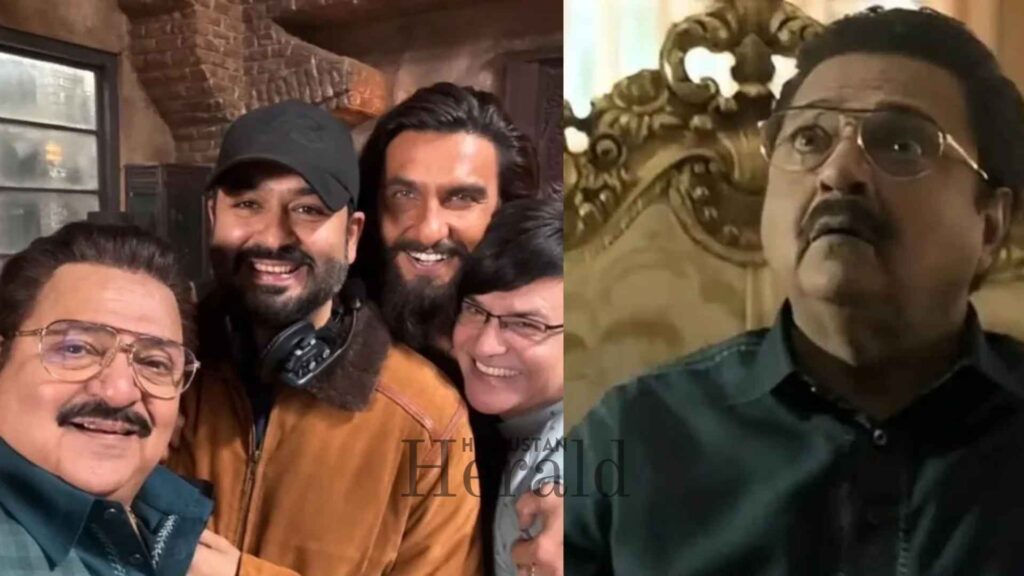
Here is the thing about Rakesh Bedi that makes this story particularly good. He has been working in Hindi films and television for 45 years. Forty-five. He has been in the industry longer than most of the people currently tweeting about him have been alive.
He started with Ahsaas in 1979, went on to appear in Chashme Buddoor and Ek Duuje Ke Liye in 1981, and spent decades building one of the most recognisable faces in Indian entertainment just never quite in the leading role.
That is not a complaint. Character actors are the backbone of good cinema, and Bedi has always known that. But there is a difference between being respected in the industry and having an entire nation quoting your dialogue two days after a release. The second thing is new.
He has spoken about the moment Aditya Dhar first approached him for Jameel Jamali, recalling a promise Dhar had made years earlier. “On the last day of that shoot, Aditya told me, ‘You have done a small role for me now, but in my next film, I’ll give you something bigger. I have a character which only you can play,'” Bedi recalled. That previous shoot was Uri: The Surgical Strike in 2019, where Bedi played a smaller ISI officer role. Dhar remembered. Dhar came back.
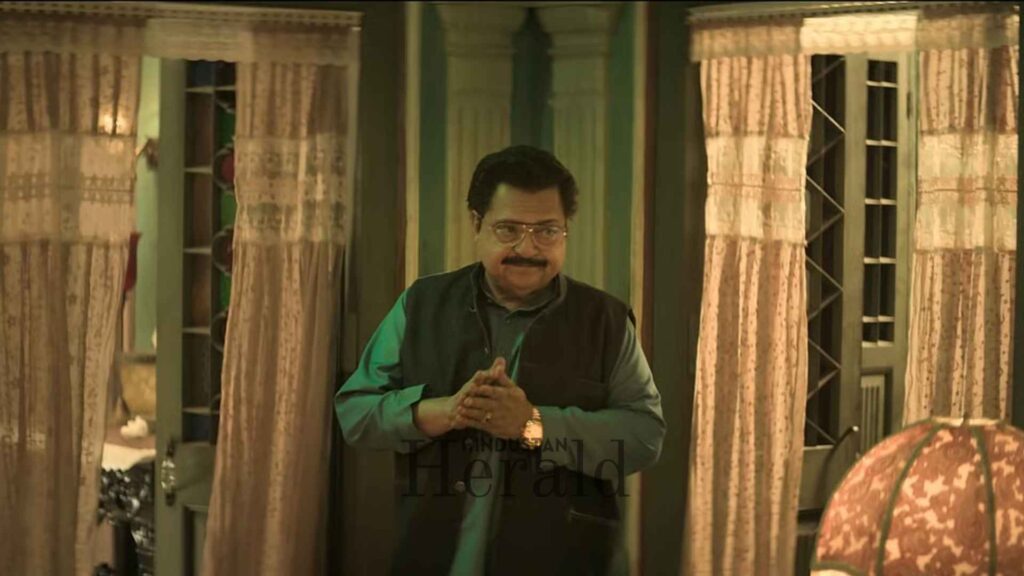
“Iss umar mein yeh film karna badi baat hai mere liye,” Bedi said in one interview admitting openly that he never expected a role like this to find him at this point in his life.
It found him. And he absolutely delivered.
The Premiere Clip That Everyone Watched Three Times
There is a video going around that most people have now seen at least twice, probably more. It is not a scene from the film. It is not a trailer. It is just Rakesh Bedi, post-premiere, being himself and accidentally becoming the funniest and most endearing thing on the internet this week.
Bedi had recorded a vlog on his way to the premiere venue, genuinely excited, already calling the film a blockbuster before most people had even seen it. After the screening, surrounded by the cast, he looked into the camera and said exactly what anyone would say after a long, emotional evening.
He said: “Chalo bhai ab picture toh dekh li, ab bhuk lagi hai, kuch khilaao yaar.” Loosely translated: we’ve watched the film, now someone please feed me.
Arjun Rampal, standing right there, did not miss a beat. He fired back: “Aap to sabko khaa gaye sir, aur kitna khaoge?” meaning, you already ate everyone’s performance, how much more do you want?
The crowd lost it. The clip went viral within hours. Fans flooded the comments with messages like “Sir aap hi toh ho asli Dhurandhar” and “The Man, The Myth, The Legend.”
That kind of moment cannot be scripted. It is the real thing a performer who is genuinely loved, at a genuinely extraordinary moment in his career, being roasted affectionately by a co-star who clearly means every word of it.
Who Is Jameel Jamali, Really?
Now for the part that has sparked a full international controversy.
Jameel Jamali is a politician from Lyari, Karachi. Oily, clever, permanently smiling, always ten steps ahead. The kind of man who has survived every government because he makes himself useful to whoever is currently in power. Bedi himself described the character plainly: “like a fox someone who knows how to stay in power no matter which way the wind blows.”
To build the role, Bedi did serious preparation. He told IANS that Jameel Jamali is not based on one person but on several. “The character is inspired by real incidents and is created by combining traits of several Pakistani politicians,” he said, adding that he spent time studying their speech patterns, mannerisms, and body language.
That research shows on screen. Jameel Jamali does not feel like a Bollywood cartoon villain in a kurta. He feels like someone you have seen in a press conference, or at a rally, or giving an interview where nothing he says quite means what it sounds like it means.
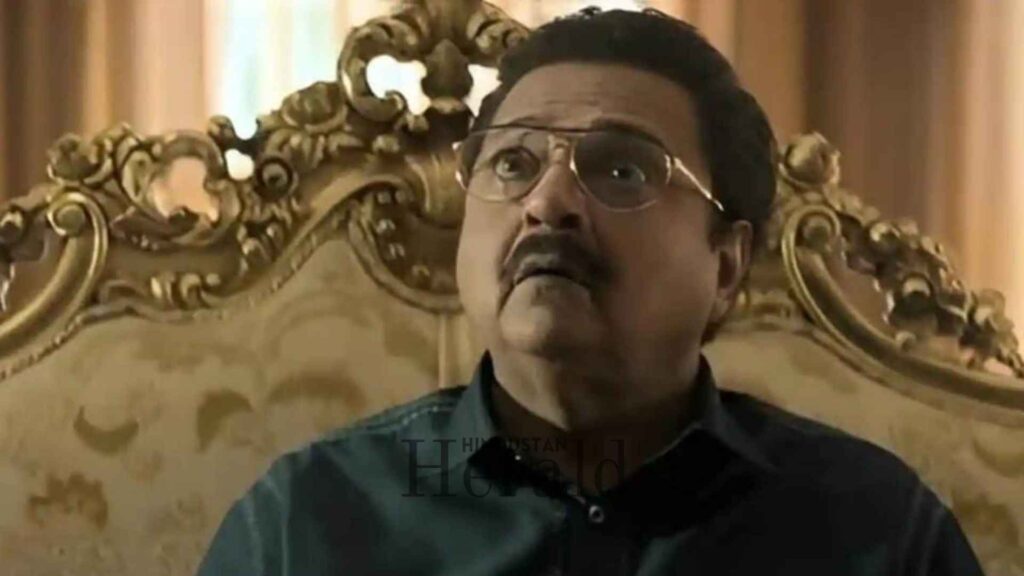
And then, in Part 2, comes the twist. The film’s climax reveals that Jameel Jamali the dangerous Pakistani politician who seemed to be everyone’s enemy was actually an Indian intelligence asset all along, quietly placed in Karachi decades earlier to operate from deep within. Audiences reportedly erupted.
A Pakistani Politician Jumped In. It Only Made Things More Interesting.
Here is where the story gets genuinely strange in the best possible way.
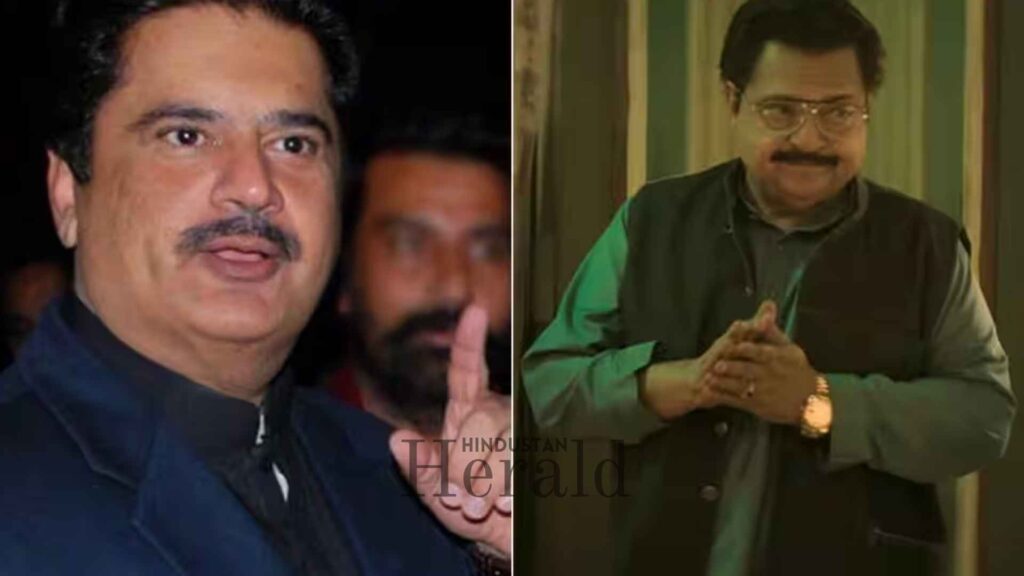
A real Pakistani politician, Nabil Gabol, watched the first Dhurandhar and decided that Jameel Jamali was based on him. He went public with his opinion. In a widely circulated video, Gabol claimed that while the character bore a resemblance to him, the portrayal was inaccurate because it failed to show his real, fearsome personality. He also criticised the film for its depiction of Lyari as a hotbed of criminal activity.
Pause for a moment and appreciate what just happened. A sitting politician in Pakistan watched a Bollywood spy film a film that is technically banned in his country and his main complaint was that the villain was not scary enough to represent him fairly.
Bedi kept his cool. He clarified that the portrayal was not modelled after any single individual and that Jameel Jamali is a work of fiction. That response was entirely professional. That said, the fact that a Pakistani politician felt the need to respond at all said everything about how deeply the Dhurandhar franchise had burrowed into the conversation on both sides of the border.
The Propaganda Question and Bedi’s Sharp Answer
Every big Bollywood film with a national security angle gets the propaganda label slapped on it by somebody. Dhurandhar: The Revenge, which weaves in Operation Lyari, demonetisation, and a story about Indian intelligence operating inside Pakistan, was never going to escape that debate.
Bedi addressed it head-on in an interview with NDTV. “I don’t believe in politics. I believe in cinema. Everybody has the right to like or dislike a film, but I don’t think it’s right to put a film into some kind of category, whether it’s pro-establishment or anti-establishment,” he said.
Then came the line that set comment sections on fire. He added pointedly that films made recently on political figures did not last even two days in theatres while Dhurandhar’s writing and scale have clearly connected with audiences in a way that speaks for itself.
That was Bedi being diplomatic and sharp at the same time. He did not go into names. He did not need to. Everyone understood exactly what he meant.
After Akshaye Khanna, Bedi Picks Up the Baton
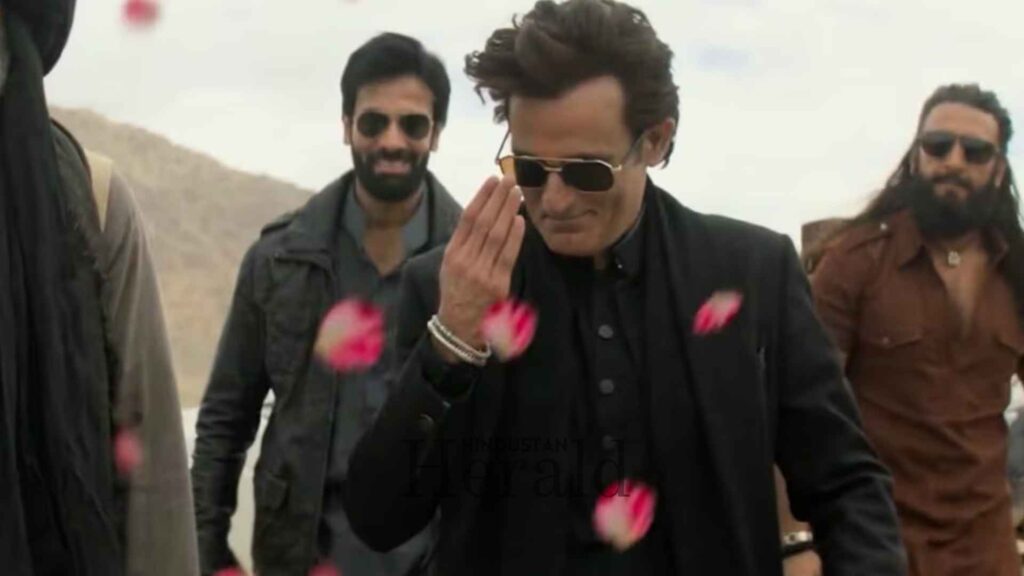
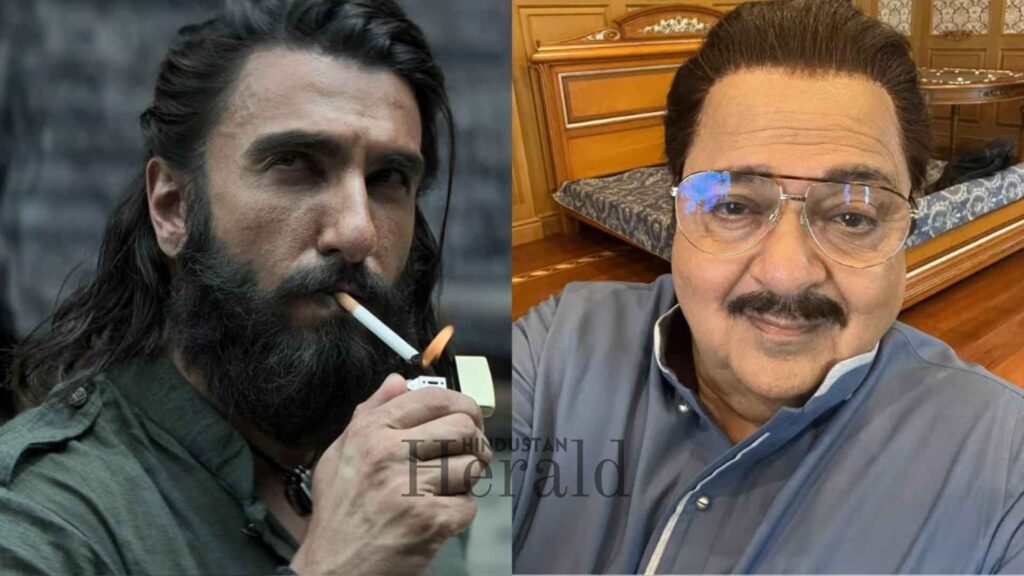
Anyone who followed the first Dhurandhar knows this feeling. Akshaye Khanna played Rehman Dakait a character so menacingly watchable that he ended up dominating the conversation even though he was not the lead. His scenes were memed, quoted, rewatched, and debated for weeks after release. He became the reason half of India went back for a second viewing.
In Part 2, Khanna returns through flashback sequences that keep the legend of Rehman Dakait alive. But the new energy belongs to Jameel Jamali.
What Aditya Dhar seems to understand and what separates genuinely great franchise filmmaking from the merely competent kind is that in the age of social media, you need characters, not just heroes. Audiences today do not just want a protagonist to root for. They want someone unexpected, someone layered, someone they did not see coming. Someone they want to talk about on the walk home from the theatre.
He found that in Akshaye Khanna the first time. He found it again in Rakesh Bedi this time.
Forty-Five Years in the Making
Rakesh Bedi described the atmosphere around Dhurandhar: The Revenge as something he has simply never experienced before. He recalled hearing that world leaders had discussed the first Dhurandhar during a morning run in London. “What could be a bigger compliment? I was elated to hear that a film I’m part of is being talked about at this level,” he said.
He also had a message for director Aditya Dhar. Dhar had apparently kept saying throughout production that they were going to raise the bar. Bedi’s response when he finally saw the finished film: “You haven’t just raised the bar you’ve broken it.”
That is the kind of thing you say when you know you have been part of something real.
For 45 years, Rakesh Bedi showed up. He did the work. He made other people’s scenes better. He never got the moment. And then, at 71, playing a fox-like Pakistani politician with a secret that changes everything, he finally got it.
The internet is his now. For at least a little while, Jameel Jamali owns the conversation cunning smile, survival instinct, and all.
Some performances really do take their own time to arrive.
Stay ahead with Hindustan Herald — bringing you trusted news, sharp analysis, and stories that matter across Politics, Business, Technology, Sports, Entertainment, Lifestyle, and more.
Connect with us on Facebook, Instagram, X (Twitter), LinkedIn, YouTube, and join our Telegram community @hindustanherald for real-time updates.

Covers films, television, streaming, and celebrity culture with a focus on storytelling trends.
- Ayesha Khan

- Ayesha Khan
- Ayesha Khan
- Ayesha Khan