
 By Sandeep Verma
New Delhi, April 3: Three foreign women were harassed on a Delhi street today. That part, sadly, is not unusual. What happened next is.
They turned around. They chased him.
The man, still unidentified, had reportedly accosted the three women in a public area of the capital before they collectively confronted him and ran him down the street. The whole thing was caught on camera. A social media handle called China Now posted the clip on Friday, and by the time it started circulating, people were not just talking about the harassment. They were talking about the crowd standing in the background, watching, doing absolutely nothing.
Delhi Police has not confirmed an FIR or made any arrest as of Friday evening. The nationalities of the three women remain unconfirmed.
The Crowd Was the Second Story
Watch the video once and you notice the women. Watch it again and you notice everyone else.
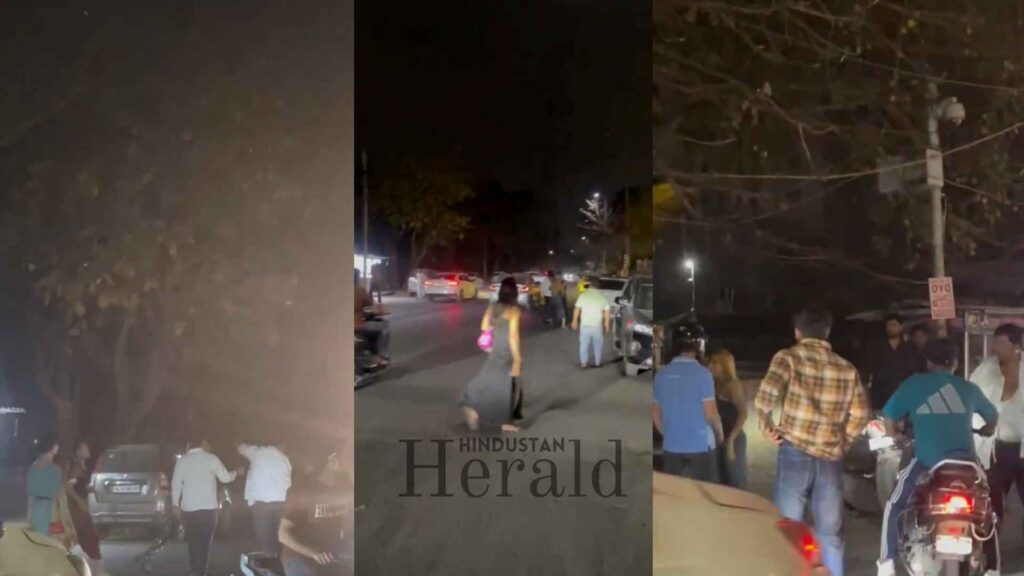
People standing around. Some possibly with phones out. Not one of them steps in. Three visitors to this city, in the middle of a public street, are left to handle a threat entirely on their own while residents of that city look on like it’s something happening on a screen somewhere.
It is difficult to write that without feeling something. Because this is not the first time. It will not be the last. And the crowd, more than the harasser, is the part of this story that does not get examined closely enough.
There is a term researchers use for this: diffusion of responsibility. The more people present, the easier it becomes for each individual to assume someone else will act. In practice, nobody does. In India’s public spaces, that instinct gets layered over with other things too. A reluctance to interfere in what people might call a “personal matter.” A social discomfort with confronting strangers. And perhaps, honestly, a conditioned numbness to seeing women harassed in public that has set in after years of seeing it go unchecked.
This Has Happened Before, and Before That Too
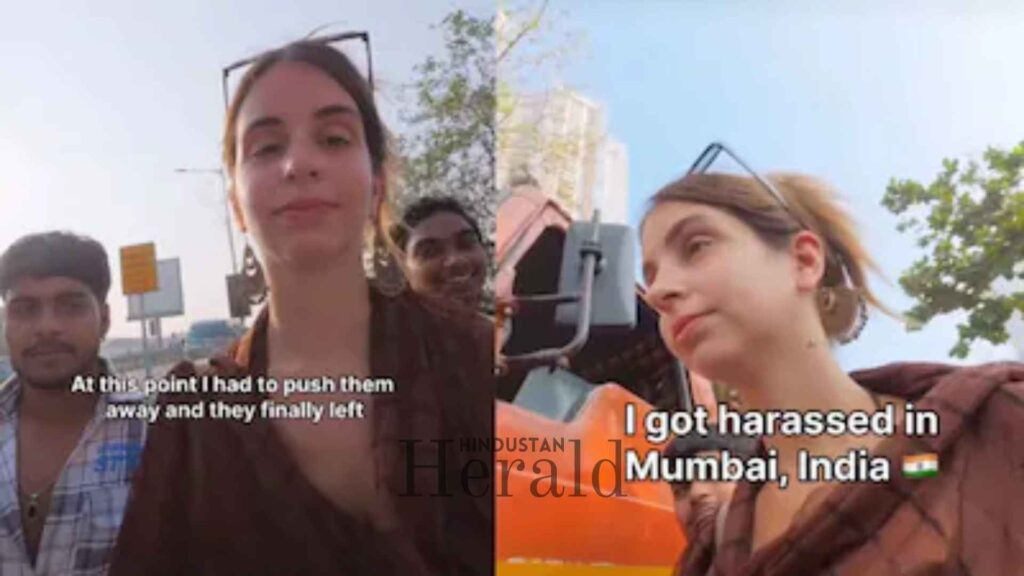
February 2026. A foreign woman documents two men following her through Mumbai’s Mahalaxmi area for nearly 25 minutes, pleading for a selfie after she has already said no ten times over. The video goes viral. There is outrage. The men are picked up. Life moves on.

March 2023. A Japanese national is harassed during Holi in Delhi. Three people are arrested, including a minor. The Delhi Commission for Women calls it shameful. There are tweets. There is a news cycle. It ends.
That same month, a South Korean YouTuber posts footage of men chasing her through Mumbai, trying to kiss her, following her back toward her hotel. The video spreads internationally. India trends on foreign travel forums for the wrong reasons, again.
Go back further and the list just keeps growing. Jodhpur, Goa, Delhi, Mumbai. The locations rotate. The incident type barely changes.
What is striking about today’s clip is that the outcome was different. These women did not walk faster and hope the man lost interest. They went after him. Together. And that, apparently, is what it takes.
The Tourism Problem Nobody in Government Wants to Say Out Loud
India pulled in roughly 9.5 million foreign tourist arrivals in 2024, per Ministry of Tourism data. The Incredible India campaign has been running for years. There are task forces, safety initiatives, dedicated tourist police in some cities. And still, somewhere between the brochure and the street, something keeps going wrong.
Solo female travel communities online have been flagging India as a destination requiring serious caution for years now. Not all of India. Not every city, every street, every moment. But enough that the warning appears consistently, and enough that travel operators in Thailand, Vietnam and Indonesia do not have to work very hard to look like the safer bet.
Every clip like Friday’s that travels across international social media is, in effect, a piece of anti-tourism advertising. It lands in the feed of someone who was maybe, possibly, considering India for a trip. And they keep scrolling.
The people who pay for that are not bureaucrats in air-conditioned offices. They are hotel workers, auto drivers, tour guides, shopkeepers, the entire informal economy that depends on visitors actually showing up and feeling safe enough to stay.
For Now, Nothing Has Been Done
No arrest. No FIR on record. No statement from police. The man in the video is still out there somewhere, presumably aware that a crowd of people watched what he did and decided it was not their problem.
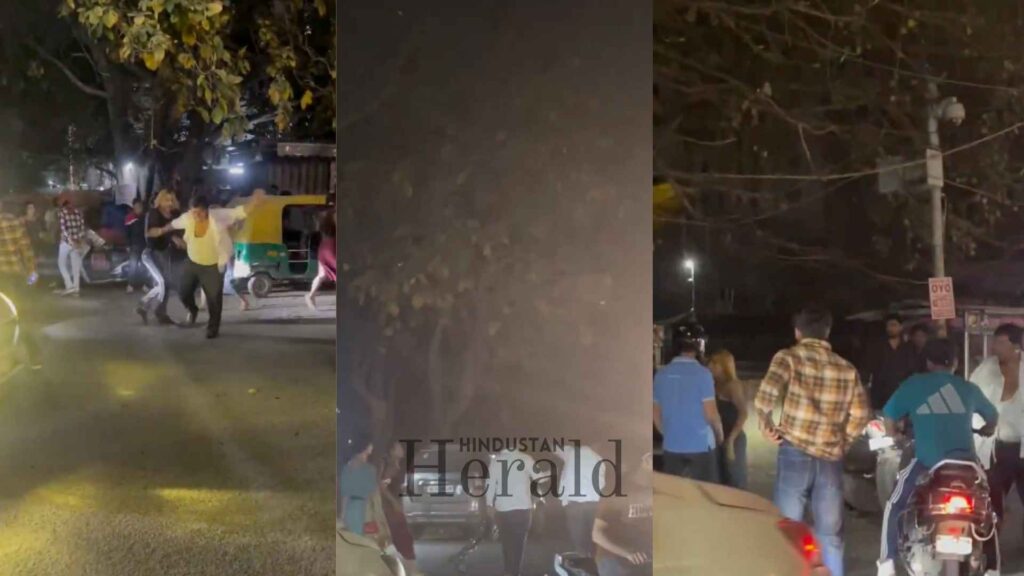
There is a version of this story where that changes quickly. Police identify the man, pick him up within 48 hours, officials issue statements, and everyone agrees it was shameful. That version has played out before and will probably play out here too.
But the bystanders will still have stood there. And the next time something like this happens on a Delhi street, the crowd will in all likelihood stand there again. That is the part of the story that an arrest does not fix. That is the part that has no easy headline.
Three women, far from home, turned around today and fought back. The city they were visiting watched and waited for someone else to do something.
That is worth sitting with for a while.
Stay ahead with Hindustan Herald — bringing you trusted news, sharp analysis, and stories that matter across Politics, Business, Technology, Sports, Entertainment, Lifestyle, and more.
Connect with us on Facebook, Instagram, X (Twitter), LinkedIn, YouTube, and join our Telegram community @hindustanherald for real-time updates.

Regional journalist bringing grassroots perspectives and stories from towns and cities across India.
- Sandeep Verma

- Sandeep Verma
- Sandeep Verma
- Sandeep Verma




 Arun Upadhayay